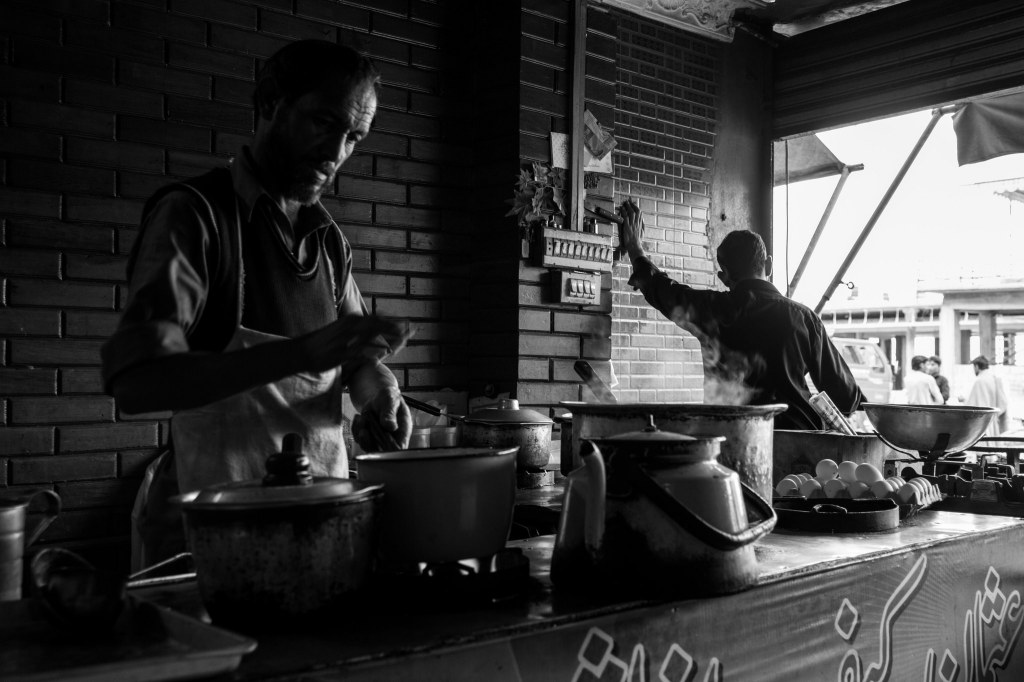
Three easy steps of taking a good picture

Most of you, off and on takes a good picture. Whether you are a seasoned PRO or an amateur photographer, you all are proud of some of your work. But the problem is the frequency of which you are producing good quality work.

How many times you faced a situation when after a shoot you check your images,but they are not up to the standard. Do you wonder how PRO photographers produce good quality work on a consistent bases?

If you are intrigue by this questions then this article is for you. The answer to the above dilemma is the Photography workflow. Every PRO photographer has a specific workflow when it comes to taking a picture. Sticking to a specific workflow that gives you good results will increase your consistency of getting good results.

Every photographer has their own workflow

I mostly shoot outdoor/lifestyle and travel/street photography. I devised a very simple workflow that works for me in above mentioned style. You can start with it and tweak it as per your style. It has three steps. Let’s start with it.

1. Identify what caught your attention.

This is probably the foundation of taking a good picture. The definition of an interesting subject is completely subjective. Something might be interesting to you but completely mundane for others.

Before even you lift your camera to your eye, ask yourself what exactly caught your attention. This question is of primary importance as based on that you will continue with the next two steps i.e. lighting and composition.

It could be anything. It could be an interesting outfit someone is wearing on street. It could a beautiful formation of clouds or even some nice pattern or repetition of something. Identifying it initially lets you enhance its impact using other two steps i.e. lighting and composition.

In above two pictures, two things actually caught my attention. The crack on the road and bright red wheel caps of a car. Identifying my subject at very early stage lets me compose my image in a way that enhances and highlighted my subject matter much clearly.

2. Study the Light

It is believed that a photograph is as good as the quality of light. So, studying the lighting condition is very important. Once you identify the subject matter, it’s time to look out for ways to enhance that subject.

Let’s say that you want to take a portrait of a person. Now, most flattering light for a portrait is soft light. You need to think how you can photograph that person in a soft light. If it is possible to move that person to a shade, then do it. If it is not possible than try to change your angle to see if it can be improved.

Simply put, analyze the current light in which your subject is. And look for ways if something can be done to improve it. Sometimes the subject is so interesting that even in bad light it is worth taking a picture but in most cases if you do a little bit of effort, you will greatly improve the quality of your picture.
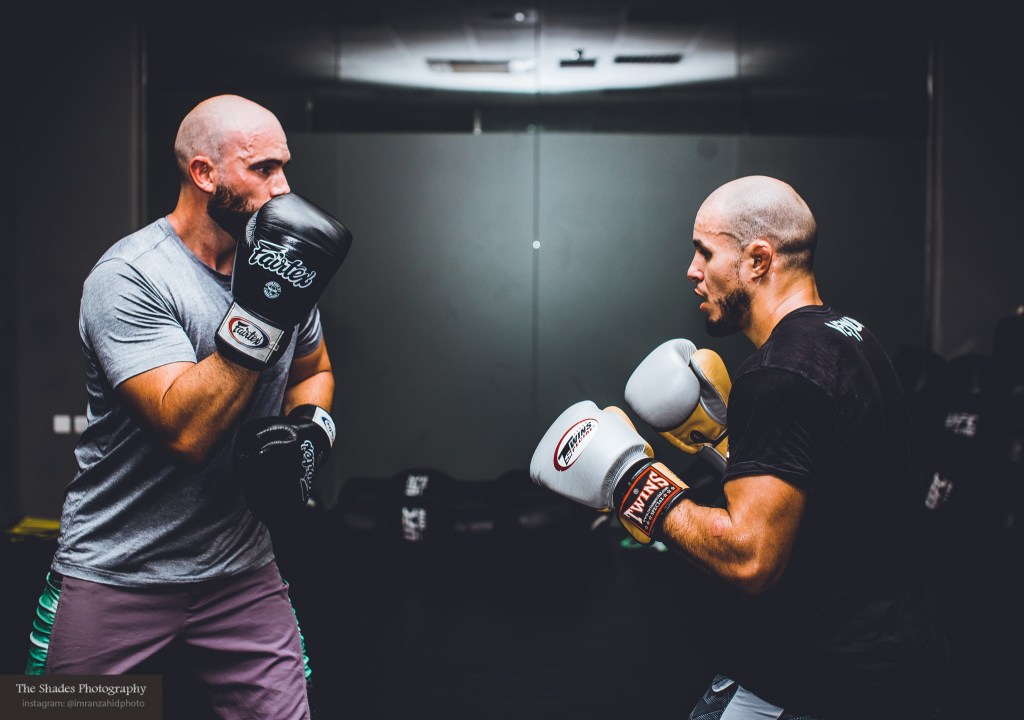
I took this picture in a GYM/training center. The light is quite dim and only certain areas are properly lit. Since I analysed the lighting conditions earlier, I was waiting for these fighters to come in that specific spot so that they will lit properly.
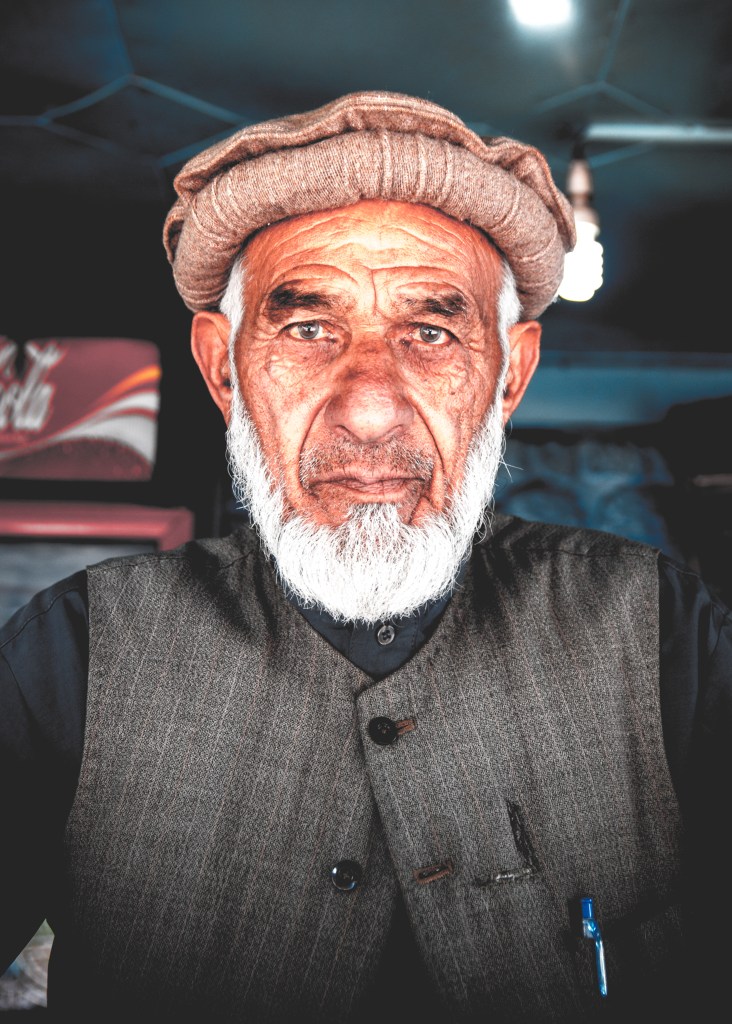
I took this portrait of a shop keeper in northern Pakistan. I asked him whether he can come towards the shop window so that I can have enough light for a picture. He agreed and I took this picture. Otherwise this portrait will not have that much details and impact .

3. Take your time to Compose

After selecting a proper subject and working on light, it’s time to actually compose your picture. Now this is the step where you can be very creative. This step will let you stand out from other people. Lot of photographers when they photograph certain touristic place or situation, they follow the cliche. Spending a little bit of time on your composition will greatly improve your shot.

You can start off with some basic and cliche shots. That will give you initial confidence. Then make your way to more challenging and creative compositions. Now there are lot of aesthetic composition rules that can be applied to enhance your subject. Few of them are as follows.

1. Try to include something related to your subject either in foreground or background. That will emphasize the overall theme. Environmental portrait photographers do this all the time.
2. Use leading lines to direct viewers towards your subject.
3. If surrounding doesn’t support the subject, either use simpler backgrounds or try to blur it as much as possible.
4. Use dodging and burning in post to enhance your subject. Not exactly a composition rule but it does make a difference.
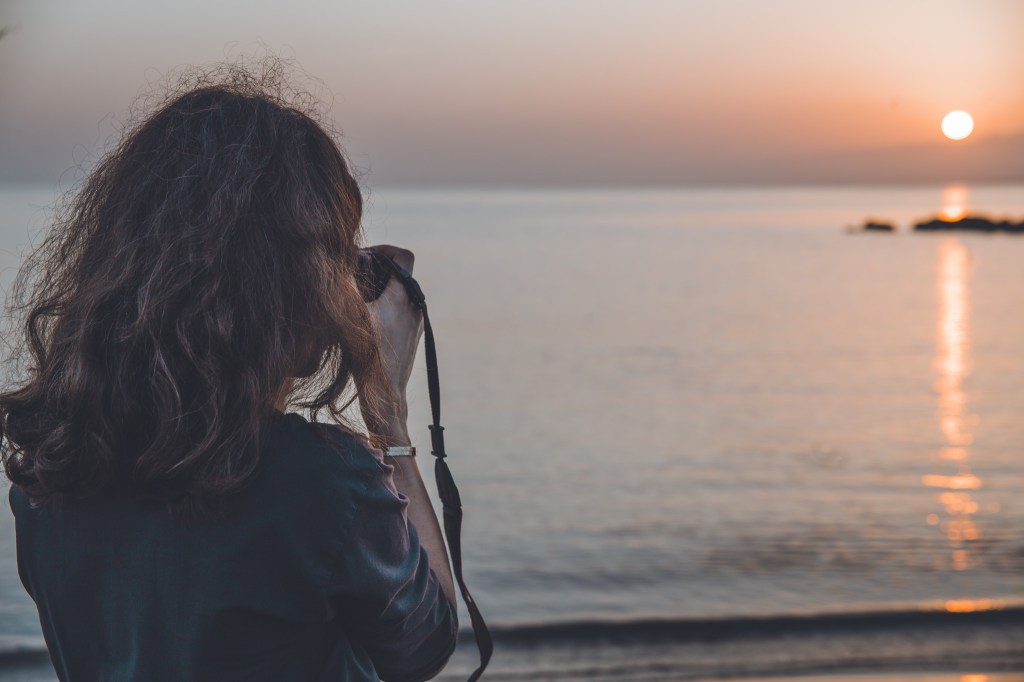
In this picture the beautiful sunrise caught my attention. So in order to direct viewer towards a sunset, I put a foreground subject i.e. my friend and let her look towards sun. That way viewer is drawn towards the sun even though the sun is out of focus but still it gets more attention.
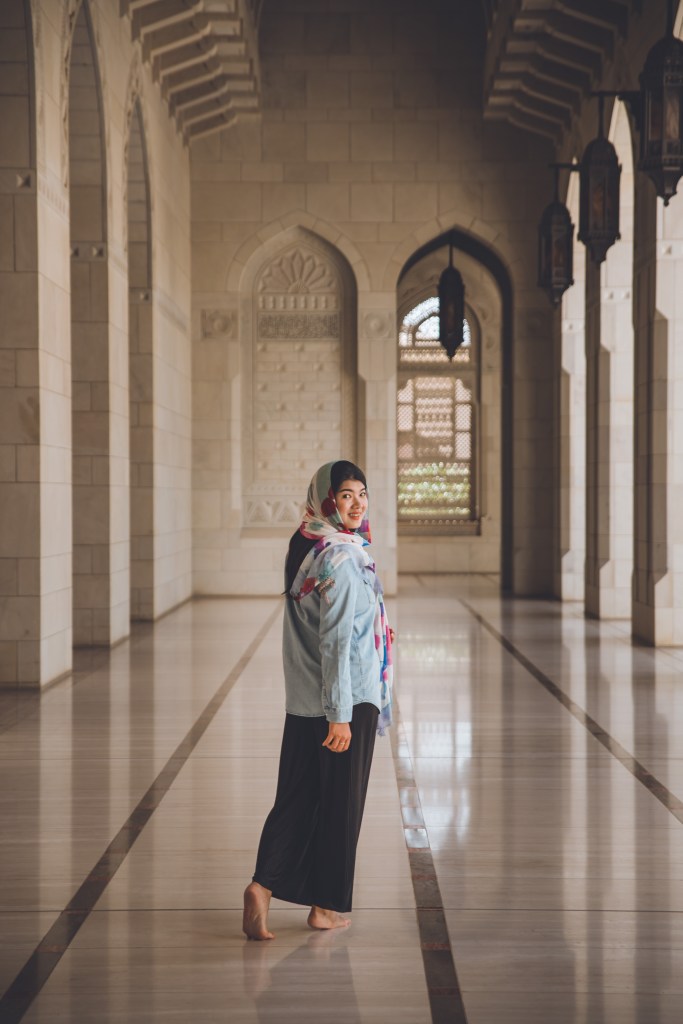
Here I draw the attention towards my model by using leading lines. All diagonal lines and arches are converging on my subject.

Conclusion

If there is one important thing that I learned over time, it is this. Never hurry when taking a picture. This one practice will immensely improve your picture. Just by delaying shutter click will start improving your pictures.

Make this workflow your day to day practice. It’s not necessary to follow it as it is. You can change it according to your style. But make it quick and simple. That way it will be more practical and can be followed easily.

Try these 7 Essential Travel Photography tips

Introduction

Everyone loves vacation. Usually when we travel, no matter how far and wide, new or beaten path, we all love to document our experiences.

Sometimes itโ€™s our our simple vacation to some nearest locations for a change. Or sometimes we do travel to get some inspiration for our photography.

Travel photography is by far the most loved genre of photography. Here are few tips that will surely help you maximize your productivity while doing travel photography.

1. Pick the right gear.

Selecting proper gear is of prime importance in my opinion. It somewhat depends upon the purpose of vacation. Very few people actually travel only for photography. Majority of people just want to clear their minds. They want to enjoy and have a good time. And in the process they want some good photographs.

The key is to travel as light as possible. For me its just one camera body with one walk around lens. I try not to pack a complete camera bag with 2,3 lenses, laptop and accessories etc.

I always take my canon 6D with sigma 24-70 f2.8 lens. Yes I do miss 20mm focal length for landscapes and 135mm for street portraits. But keeping just one camera-lens setup forces me to look for creative alternatives.

Check out my article on Contrastly : How a single camera and lens can improve your photography. In this article Inexplained how I used Fuji x70 during my entire vacation. It has a fixed focal length of 28mm. If you are into street photography Fuji x70 will be your perfect partner. Check my review of fujix70.

2. Document your own Journey too.

It’s very easy to dive too deep into photography while You are on your vacations. Remember, vacations are meant to enjoyable and if you are too serious about your photographs, you will end up feeling exhausted by the end.

Document your entire journey along the way. Take photographs of your car, hotel room, restaurants where you dine and any tour guide or local food. Capture all the crazy and silly moments. Its these photos that you will cherish after 10 years.

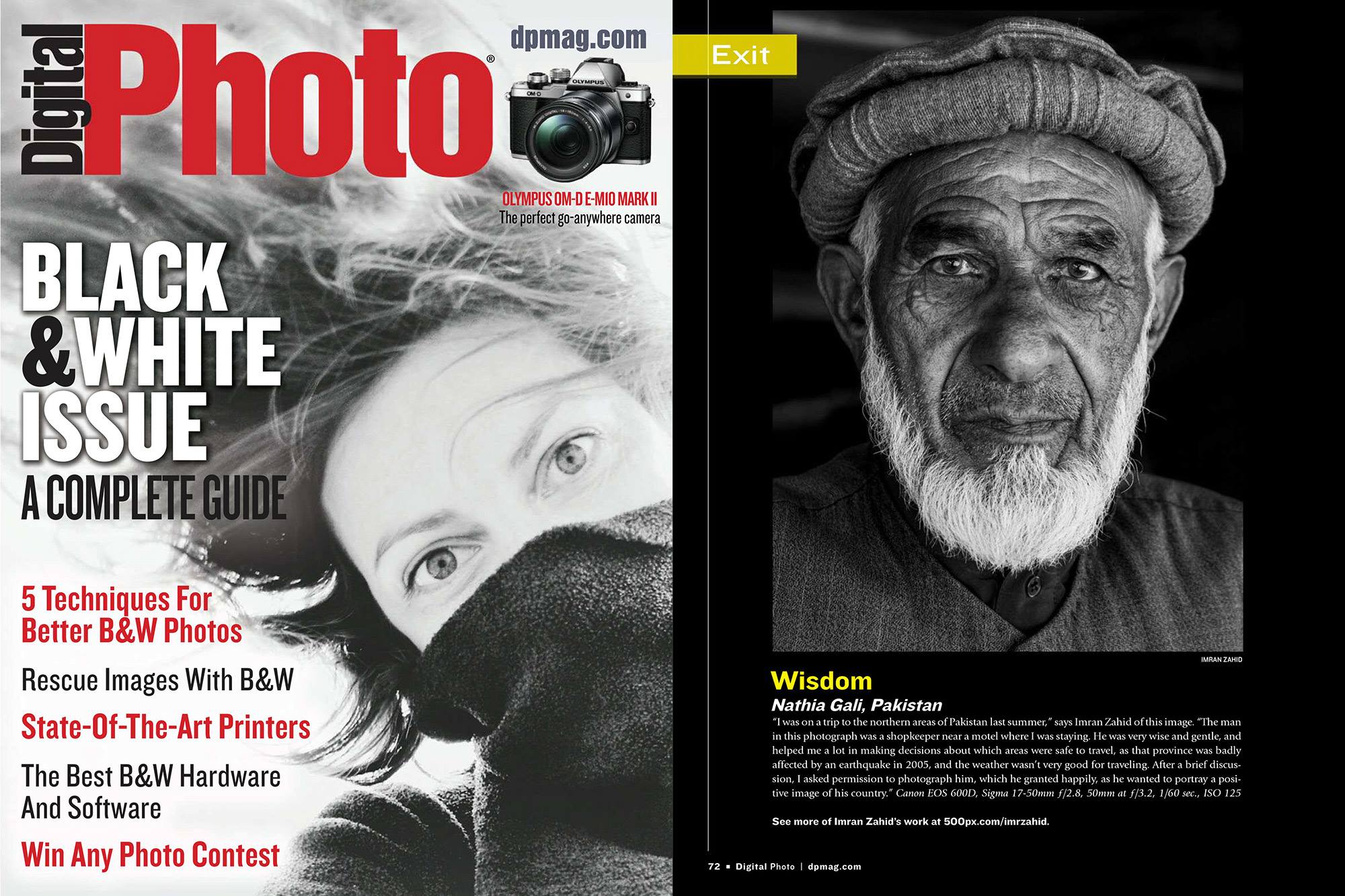
While documenting all these things, you might get a lot of good professional photographs as well. I always try to take proper portraits of people I am interacting while I am on journey. I met one old guy (shop keeper) once on my vacation. I took his portrait and that picture ended up as full page feature on Digital Photo Magazine.

My Travel Photo as a full page feature in DP Mag

3. Hire a Local Photographer as guide.

Not all of us can afford a tour guide, yet alone a photographer guide. But if you are serious about photography or you are on some project, hiring a local photographer will go along way.

Local photographers knows all about the place. they know which time and location is best for which type of photograph. They know where permissions are required and where you can simply sneak and take your shots quickly.

You can search local photographers on instagram. Contact them using DM and describe what you want exactly. Once agreed on a price, you are good to go. I used that concept and now I started my own business based on this.

If you are coming to Muscat,Oman, feel free to contact me ( im.zahid@hotmail.com ) for any photography tour, Photography workshop or on-location vacation shoots.

4. Make the Most out of your time.

Unless you are on a specific project, don’t be too eager. Divide your day time into chunks of time for photography and leisure. Golden and blue hours are definitely important and should be taken seriously for good landscape and outdoor portrait shots.

But after sun is high enough or after dark, still you can do a lot. Harsh light might be bad for landscapes but it is very good for street photography. You can make use of strong light and shadows during this time while walking inside markets and pathways. Night time is good for documenting night life of a city. Even same place looks enitrely different during daylight and night time.

So use your time wisely. Also use bad light for your leisure as much as possible. I usually take a sandwich or some snacks during actual shoot and go to restaurants, movies,shopping and meeting friends during bad light. That way I utilize my time more efficiently and balance my photography/leisure time.

Light and shadows

5. Do your Homework.

It doesn’t matter whether you hire a local guide, photographer or you have a friend. Always do your homework before going to vacation. Always search for worthy locations and local activities. It will help you in making a blue print of what kind of photographs you might end Up when your vacation finishes.

When you are hiring a guide or photographer, always contact them and discuss these in advance. Check with your fellow photographers or friends who have been there. Once your homework is done. It will be much easier for you to check if everything is going in a right direction or not.

6. Mingle with locals.

If you really want to make the most out of your vacation, try to communicate with locals. I know, when you are travelling to distant places, there is a language gap. But you will always find someone that can do it for you or someone that knows a little bit of English.

Communication with locals open new areas for you. You might get unexpected opportunities of photography. Your knowledge will widen as you start communicating with them. You will start to know their customs and traditions etc.

I always communicate with locals and try to capture the real essence of that area. For street and portrait photography, it is the best strategy.

7. Don’t Compromise on your Safety.

Not all countries and cities are completely safe. Even some of the safest countries have few cities that are not safe. So, if someone informs you about something, do take it seriously. If you end up losing your expensive gear or get injured, it will ruin your vacation.

Don’t try to look too overly classy. Hide your brand name on your gear. Keep your eyes open if you think something fishy is going around. Always check with locals about security situation if you are in a city that has a bad reputation.

Some places require permission from certain authorities before taking pictures. Check for these things from local guides or hotel staff first.

Conclusion.

The key to good travel photography is a combination of being at the right place at right time. Whether you are a PRO or an amateur photographer. Whether you have an expensive camera setup or a simple point and shoot. These travel photography tips will still be applicable to you.

And last but not the least. Travel photography is supposed to be fun. So keep it that way. Don’t stress out if you are not getting good shots. Just keep your cool and make use of your time based on my tips while enjoying your vacation.

Peace.

What Is black and white photography and How Does It Work?

Why some pictures look better in black and white as compared to their color counterparts? What few words comes to your mind immediately when you see a black and white photograph? Nostalgia, raw, emotions, etc. ?

I shoot in both color and black and white but there is something peculiar about monochrome. Let’s discuss what is Black and white photography and how it is still relevant today? How it improves your photography in general and when you should avoid it.

1. It’s all about contrast – Painting with LIGHT.

Workers at Mutrah Corniche, Oman

Photography literally means painting with light. When you shoot in black and white, it’s all you have at your disposal. You need a powerful eye to detect proper contrast in your frame to create beautiful images.

Not just contrast, you need to make sure that your subject should stand out in your frame. You need to direct viewers’ eye to your subject. And you have only one thing to play with – CONTRAST.

It really trains your photographic vision because we are used to watch world in front of us in colors. The complementary nature of color creates a contrast in real world. But in black and white photography, you need to create contrast with light and shadows.

TIP : Try to shoot in RAW with black and white creative filter. That way you can see the world in black and white in real-time. You can detect contrast better before clicking it. With a mirror-less camera, you can use this filter even in Electronic Viewfinder (EVF) .

2. Create a better connection with your subject.

The hustle and bustle of Ruwi high street, Oman

One of the advantages of Black and white photography is fewer distractions. In color photography, bright and complementary colors catches viewers attention better. So, if your subject is not bright enough or not in complementary color as compare to background, you are out of luck.

Black and white does your work a bit easier. You just have to concentrate on contrast and not colors. One less thing to worry about. It lets viewers give more attention to subject and its environment. Your message will be much cleaner and easier to understand.

Street photography is better on black and white because of this reason. You don’t have control over your background. So, black and white usually saves your picture. But don’t use this as an excuse to avoid thinking about composition and background. You can check this awesome post The Beginner workflow to street photography for some general tips for shooting street photography.

TIP : Tight Portraits, Street and long exposure work great with black and white. Once you get comfortable with it, try this approach in other niches too.

3. It brings a world unknown to us.

Qantub beach by Imran Zahid-The Shades Photography

As human being, we see the world in color. Black and white is something that we don’t experience normally. If color depicts reality then black and white is your depiction of reality. You can show everyday mundane scenes in a totally new way to your audience.

In Black and white, you can paint the canvas with tones of gray which is completely different in look and feel. Off-course it’s a personal choice but black and white certainly brings a fresh perspective.

TIP: Try landscapes in black and white as very few people have managed to do it correctly. Ansel Adams is one of the best in this business. It will make you stand out among the crowd.

4. It Brings out shapes and textures better.

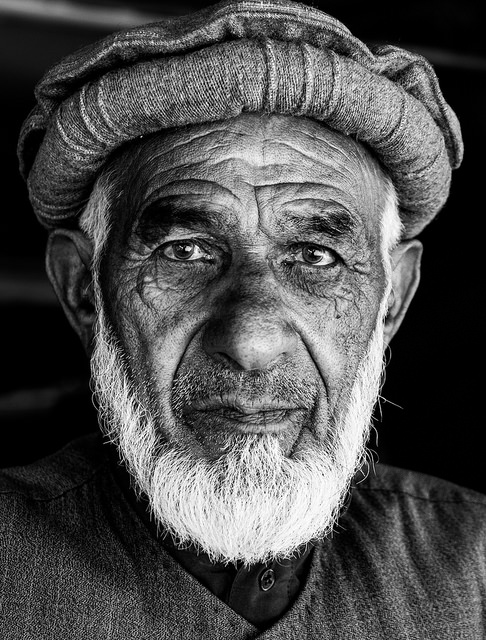
Portrait of an Old Man at Nathia Gali, Pakistan

Texture and shapes are the second option that you can use to spice up your compositions. The viewers will pay much more attention to these aspect as no color information is there to process.

Subjects that have a strong sense of shapes, lines and curves end up much better in black and white than color. Same goes with texture as well. It evokes the viewerโ€™s tactile sense. Black and white works perfect to add character and atmosphere to you images.

TIP: Old people portraits and multi-layer compositions are the ideal candidates. Black and white will add an extra punch to these type of photographs.

5. It’s much more challenging.

Contemplation at Qantab beach, Oman

Apart from all the above advantages, black and white photography is much more challenging. Just by practicing these tips, you can learn a ton of lessons about composition, contrast and lighting. Choosing a suitable subject for black and white photography is extremely difficult. But with practice you will overcome this thing.

You have limited options to manipulate so you have to come up with intelligent work around to solve the problem at hand. With all these difficulties and limitations, it brings much more joy than snapping an easy picture. Learn more about this on The Power of Black and White Photography.

When you should not use black and white.

We agree that black and white photography is beautiful. still we see a lot of crappy black and white conversions over the internet. That’s because people are converting their images without considering all these aspects. Converting images to black and white will not automatically make you look artistic.

Below are few points that you need to consider before converting your pictures to monochrome.

1. Don’t use black and white to save your already badly composed images. This goes true with noise too. If your image has a lot of noise, converting it to black and white won’t save it. Noise is not bad. Embrace it. But don’t save your noisy images with conversion.

2. Don’t convert your images that add more meaning in color than black and white. Portrait of an old man doesn’t have to be always in black and white. If color adds something to story, go with color instead of black and white.

3. Don’t use black and white as a style statement. People think that shooting in black and white make them fine art photographer. Only shoot in black and white if it really required.

So now that you know enough of black and white photography, what you are waiting for? Go and shoot it ๐Ÿ™‚

Blog at WordPress.com.

Up ↑