Why ISO is Not as Important as photographers think?


ISO, one of the pillars of exposure, often perplexes photographers. Misconceptions about its significance can hinder creativity. This article unlocks ISO’s secrets, explaining its role in exposure, its effects on image quality, and creative applications. Whether you’re a novice seeking clarity or a seasoned photographer aiming to push boundaries, understanding ISO is key to capturing stunning images. Dive in to elevate your photography skills.

I. Introduction

  • What is ISO in Photography?
  • Common Misconceptions about ISO

II. The Role of ISO in Exposure

  • ISO’s Influence on Exposure
  • ISO and Image Quality

III. ISO and Noise

  • Understanding Image Noise
  • The Trade-Off: ISO vs. Noise

IV. Modern Camera Technology

  • Advances in Sensor Technology
  • In-Camera Noise Reduction

V. The Importance of Proper Exposure

  • Balancing ISO with Aperture and Shutter Speed
  • Overcoming Low Light Challenges

VI. Creative Use of ISO

  • Using ISO for Creative Effects
  • Experimenting with High and Low ISO

VII. Conclusion

  • ISO as a Tool, Not a Limitation
  • The Bigger Picture in Photography

I. Introduction
What is ISO in Photography?

ISO is one of the three key elements of exposure in photography; also know as the exposure triangle, along with aperture and shutter speed. It measures the sensitivity of your camera’s sensor to light. In the digital era, ISO is no longer associated with film sensitivity but rather with how your camera’s sensor amplifies the incoming light. A lot of people thinks ISO is essentially a bad side effect but little people know you can always experiment with high ISO if you don’t have the option of adding artificial lights.

Common Misconceptions about ISO

Many photographers, especially beginners, tend to overemphasize the importance of ISO in photography. They often believe that higher ISO settings are essential for better photos in low-light conditions. However, understanding the role of ISO and its limitations can lead to more informed and creative photography.

II. The Role of ISO in Exposure

ISO’s Influence on Exposure
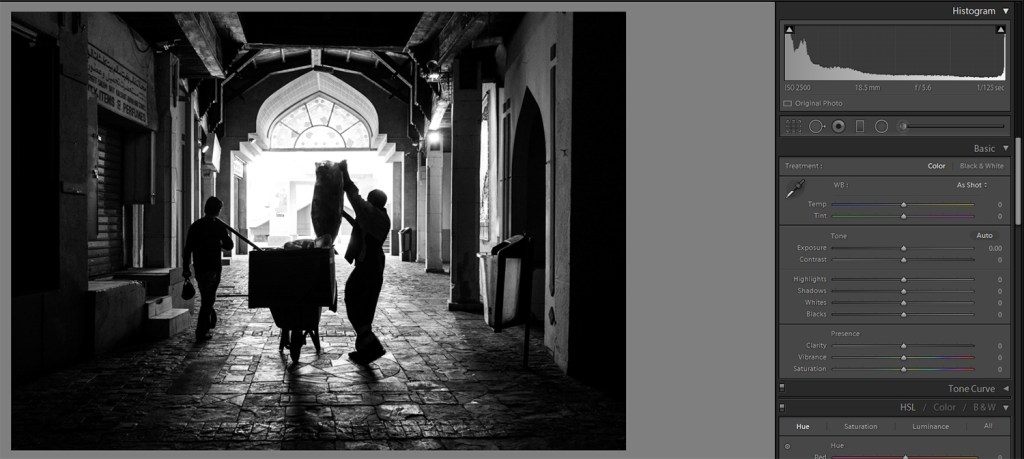
High contrast image with histogram

ISO plays a critical role in achieving proper exposure. It allows you to adjust the sensitivity of your camera’s sensor to match the available light. Higher ISO settings make the sensor more sensitive, enabling you to capture images in dimly lit environments without the need for slower shutter speeds or wider apertures.

ISO and Image Quality

Qantub beach by Imran Zahid-The Shades Photography

While ISO provides flexibility in challenging lighting situations, it’s essential to recognize that increasing ISO comes with a trade-off. Higher ISO settings can introduce digital noise, which manifests as grain or speckles in your photos. This noise can degrade image quality and detail. But there is a unique characteristic of noise. It doesn’t look bad on black and white images. If you don’t have any other option than you can always convert your images to black and white in order to minimise its damage. It also looks classic and timeless.

III. ISO and Noise

Understanding Image Noise

Image noise is the unwanted variation in brightness or color that appears as specks or grain in a photograph. It becomes more noticeable as you raise the ISO setting. Noise can compromise the clarity and sharpness of your images, particularly in areas with low contrast.

There two types of noise. Color noise and luminescence noise. The alter will just ad grains where as former will add red and blue color grans that sometimes alter the general color tone of an image.

The Trade-Off: ISO vs. Noise

Balancing ISO with the need for noise-free images is a constant challenge in photography. Understanding that higher ISO settings may result in more noise should encourage photographers to explore alternative techniques, such as using a tripod or external lighting, to maintain image quality.

There will be a situation where you need to increase ISO to avoid slow shutter but increasing it in small amounts will do the trick. Always check your camera for maximum ISO that gives usable images,

IV. Modern Camera Technology

Advances in Sensor Technology

Modern cameras are equipped with advanced sensors that offer better low-light performance compared to their predecessors. This means you can shoot at lower ISO settings in challenging conditions while still achieving excellent results. Sony and nikon are famous for their sensors that works really great at high ISOs.

Full frame cameras are much better at handling high ISO numbers.

In-Camera Noise Reduction

Many cameras now include in-camera noise reduction features that can mitigate the effects of high ISO. These technologies analyze and reduce noise during image processing, improving the final image quality. But there is a downside to it, In-Noise reduction not only reduces noise but reduces details as well. Making it more like a painting than a photograph.

reduing noise later to your taste in post processinf is always a good choice.

V. The Importance of Proper Exposure
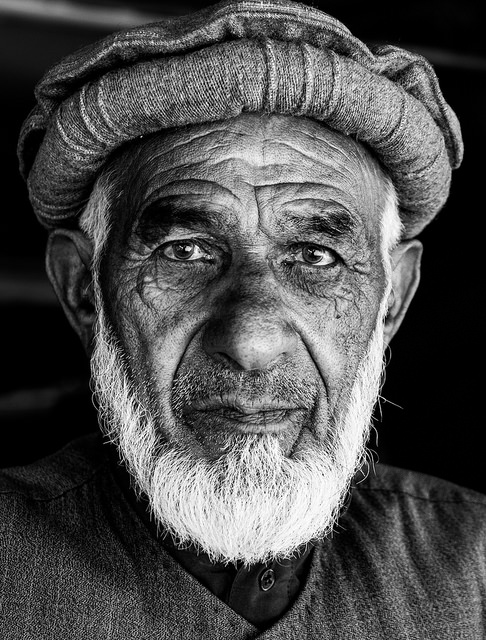
Portrait of an Old Man at Nathia Gali, Pakistan

Balancing ISO with Aperture and Shutter Speed

Achieving a well-exposed photograph involves finding the right balance between ISO, aperture, and shutter speed. By understanding how these three factors interact, photographers can control exposure while minimizing noise.

Overcoming Low Light Challenges

Photographers often use slower shutter speeds and wider apertures to compensate for low light conditions before resorting to high ISO settings. These techniques can produce noise-free images with proper exposure.

VI. Creative Use of ISO
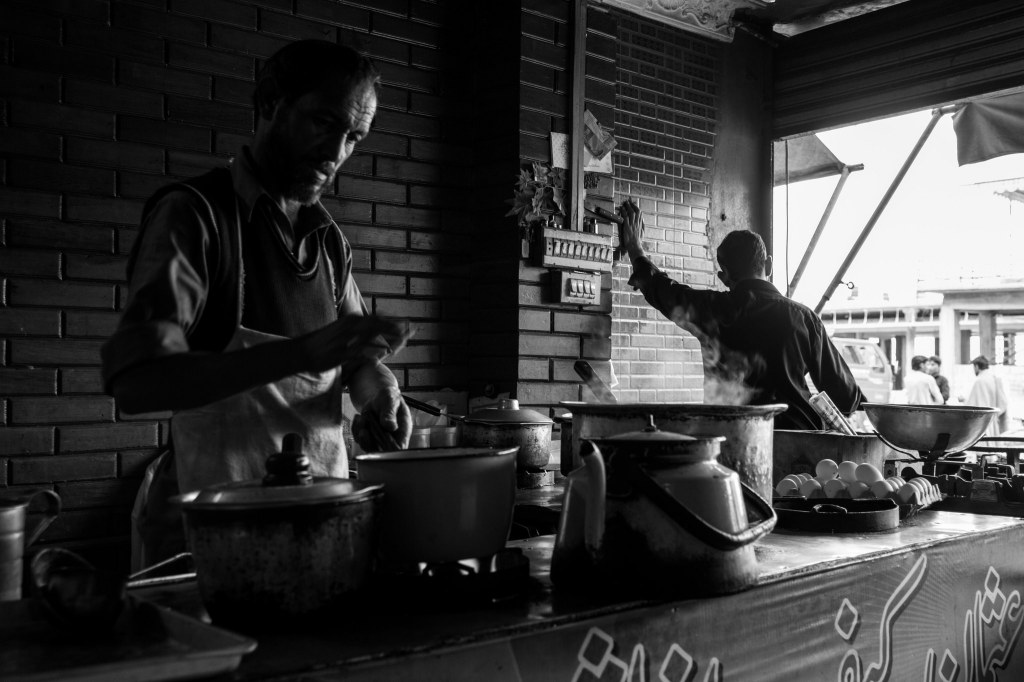
Using ISO for Creative Effects

ISO isn’t just a tool for challenging conditions; it can also be harnessed creatively. High ISO settings can introduce grainy textures for a vintage or artistic look, while low ISO settings can produce exceptionally clean and detailed images.

Experimenting with High and Low ISO

Photographers should explore the full range of ISO settings to understand their creative potential. Experimenting with different ISO values can lead to unique and visually striking results. Usually full frame cameras render better results in high ISOs because of their larger sensors. That’s the main reason why all PROs tends to use full frame cameras. But you should always experiment wiht your camera ISO range and see what maximum ISO number can render you useable results.

VII. Conclusion

In conclusion, while ISO is undoubtedly a crucial element of photography, it’s essential to demystify its significance. Understanding that ISO is not the sole determinant of image quality empowers photographers to make informed choices based on the creative vision and the specific requirements of each photographic situation. Instead of viewing ISO as a limitation, consider it as a versatile tool to achieve your desired results, whether that involves capturing a fleeting moment in low light or adding a touch of character to your images.

How to Make Money with Street Photography

Street photography is an art form that captures candid moments in public spaces, often reflecting the essence of everyday life. While it’s primarily a passion for many, did you know that you can also turn your love for street photography into a source of income? In this article, we’ll explore the exciting world of making money with street photography and guide you through the steps to achieve success in this niche.

Introduction

What is Street Photography?

Street Photography definition is probably the most debatable one. In a sense it occupies almost everything that happens on street. It focuses on capturing unscripted moments in public spaces. It’s about telling stories through images, often highlighting the beauty in the ordinary and the unexpected. Street photographers roam the streets, parks, and alleys, seeking to freeze moments in time that others might overlook.

The Allure of Street Photography

There’s a unique charm in street photography. It allows you to observe the world from a different perspective, paying attention to the details that often go unnoticed. Street photographers are like modern-day urban storytellers, using their cameras to document the world’s ever-evolving narratives.

Can You Really Make Money with It?

Yes, you can. While street photography might not be the most conventional path to financial success, it offers numerous opportunities to generate income. From selling prints to licensing your photos for commercial use, there are various avenues to explore.

Getting Started with Street Photography

Choosing the Right Equipment

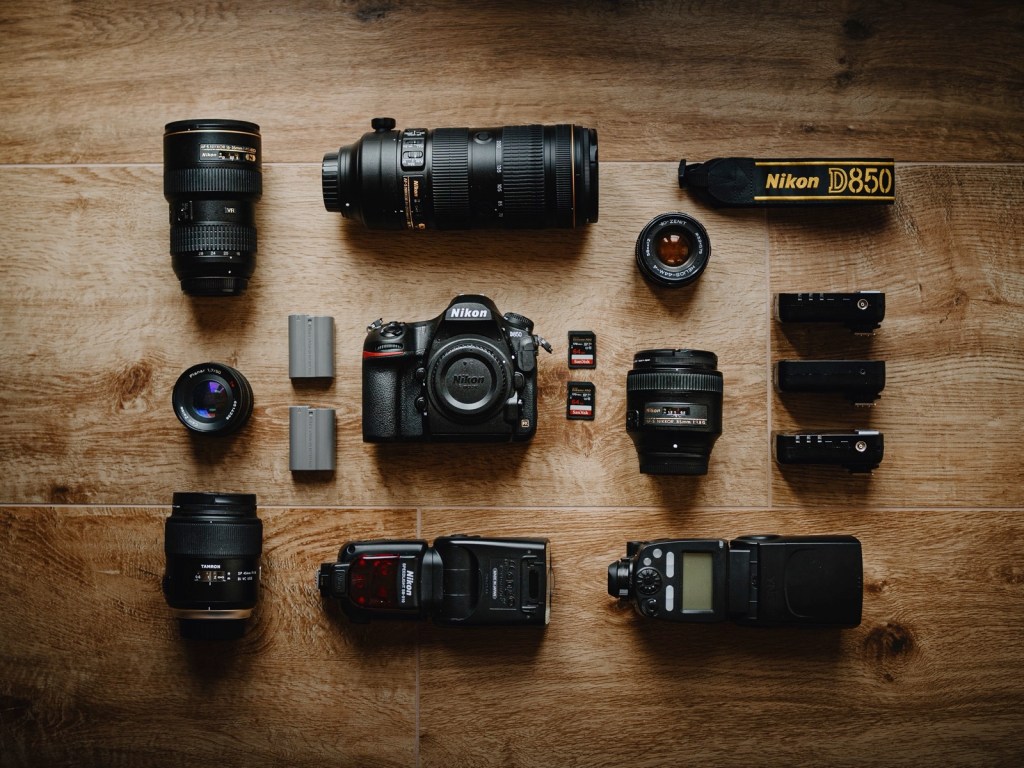
Before you start your journey into street photography, it is important to have the right gear. That will decide which tyoe of photgraphs you will get easily. While someone prefer high-end cameras, others have achieved remarkable results with more compact setups.

Over the years, I prefer cheaper and more basic camera than an expensive one. People usually don’t notice cheaper and compact cameras and become more open to be photographed.

Learning the Basics of Photography

To excel in street photography, you should understand the fundamentals of photography, including composition, exposure, and lighting. Along with this, timing is something that is of utmost importance in street photography. Familiarize yourself with your camera settings to ensure you can capture those fleeting moments effectively.

A lot of photographers use manual mode with pre configured focus distance so that yu can capture the moment with focus hunting even in low light. Others put ISO to large numbers so that the moment can be captured with high shutter speed. Check out few techniques here.

Finding Your Niche in Street Photography

Street photography is incredibly diverse. Some photographers focus on capturing portraits of strangers, while others document urban landscapes. Finding your niche within this genre can help you stand out and attract a specific audience.

In begining, don’t limit yourself to just one niche. You can always copy the basic idea for photographers that you follow but trial and error is the key. Try as many new areas as possible. In this proces you will find what you truly like and then focus on that in detail.

Building Your Street Photography Portfolio

Capturing Compelling Moments

Creating a portfolio of stunning street photographs starts with your ability to capture compelling moments. Learn to anticipate scenes and react quickly to document the perfect shot. Patience and persistence are your allies.

Try to pick a corner on stret and spend sometime on it. Observer the activities and try to anticipate what’s interesting is going to happen. Frame your shot in advance and just wait for right moment, Change your location every 20 minutes or people will start noticing you.= and become uncomfortable.

Developing a Unique Style

Your style is what sets you apart from other street photographers. Whether it’s the way you use color, framing, or storytelling, developing a unique style can make your work instantly recognizable.

A lot of people use black and white photography. Usually it hides a lot of ugliness in frame because you have little control over background. Also people try specific color grades like Alen palender using muted colors for his photographs.

Try to experiment and come up with something unique and practicle.

Telling Stories Through Your Photos

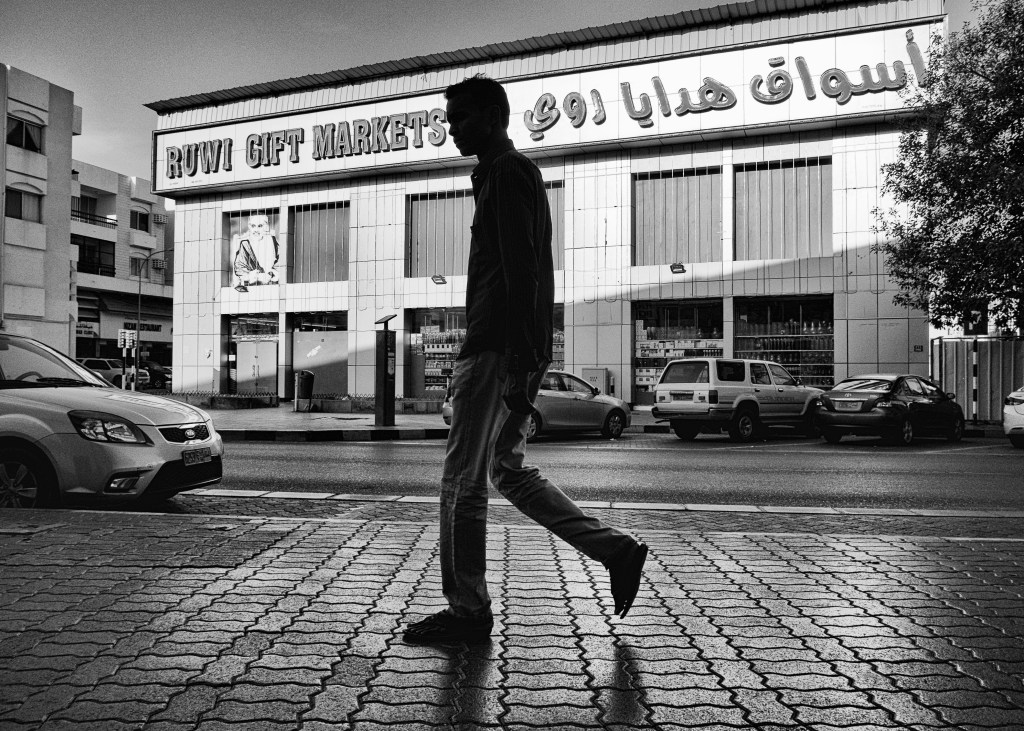
This person was in a hurry to join his flight when I captured him. You see ow walking and planes in background related to each other.

Great street photography tells stories. Learn to observe and convey the emotions, narratives, and messages within your images. Your photos should evoke feelings and provoke thoughts in your viewers.

Your stories doesn’t have to be very epic and documentary style. Just a emotion is more than enough. Try to check if background can ad something to it or not. If Yes, then very good other remove background clutter by moivng closer.

Online Presence and Branding

Creating a Photography Website

To showcase your work and attract potential clients, consider creating a photography website. It’s your online presence, and it should demostrate your style and personality as a photographer.

Some of the online services that you can sue are

  1. WordPress
  2. SquareSpace

It really makes a difference when client sees your profile in a way you want them to see. The packages are quite customizable according to your need. And you can integrate online stores or donations as well.

Leveraging Social Media Platforms

Social media is a powerful tool for photographers. Establish a strong online presence through an active social media profiles. Share your portfolio and engage with potential clients. Use platforms like Instagram and Facebook to share your work, engage with your audience, and connect with potential clients.

Building Your Personal Brand as a Street Photographer

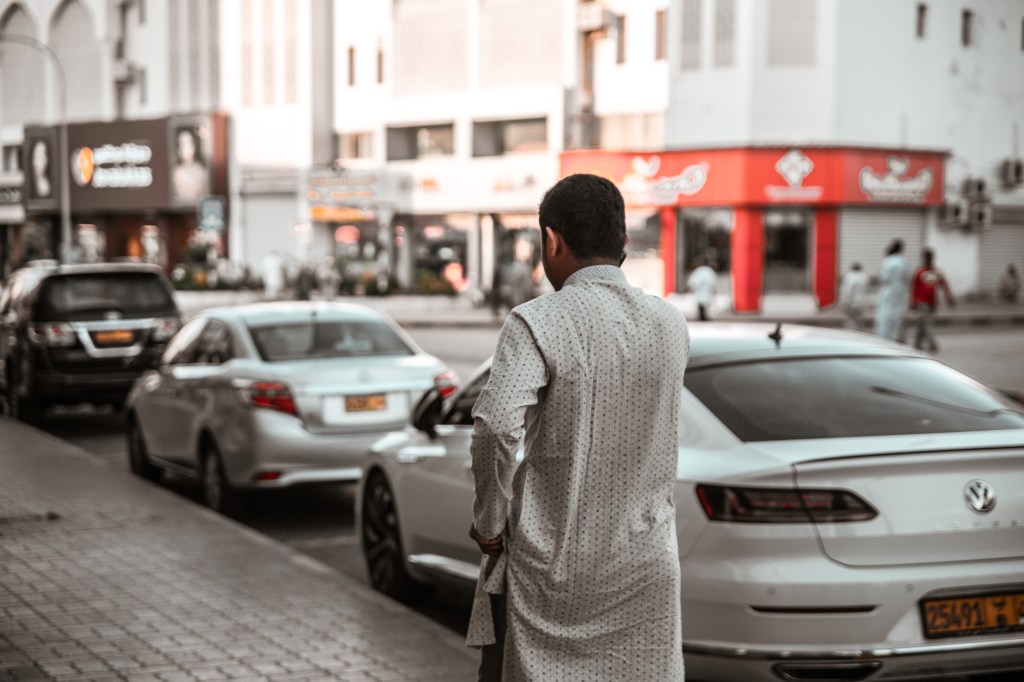
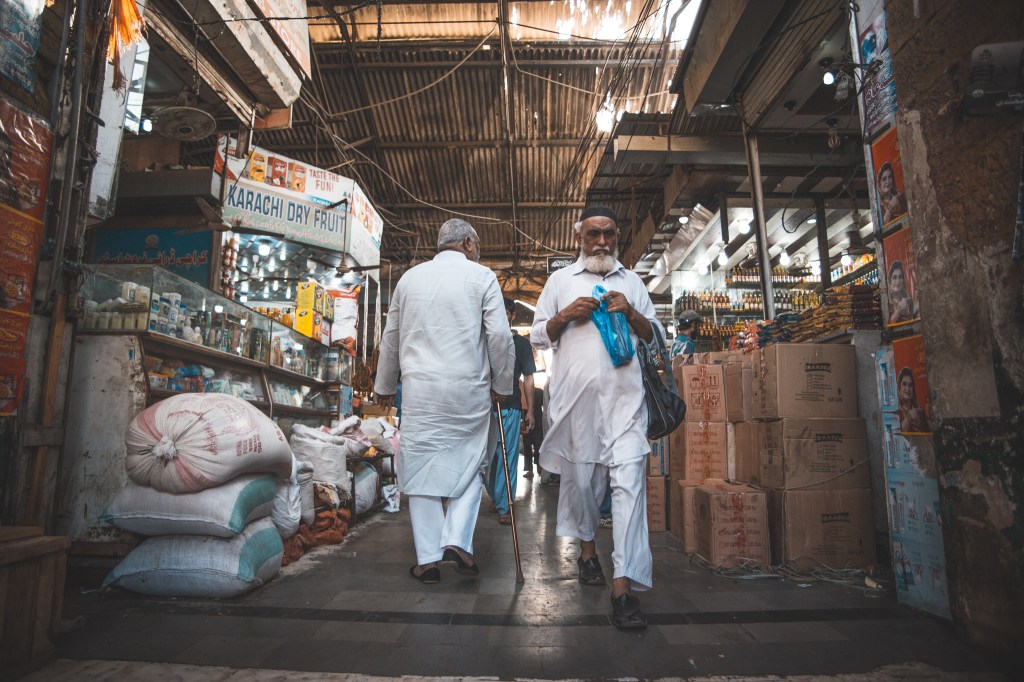
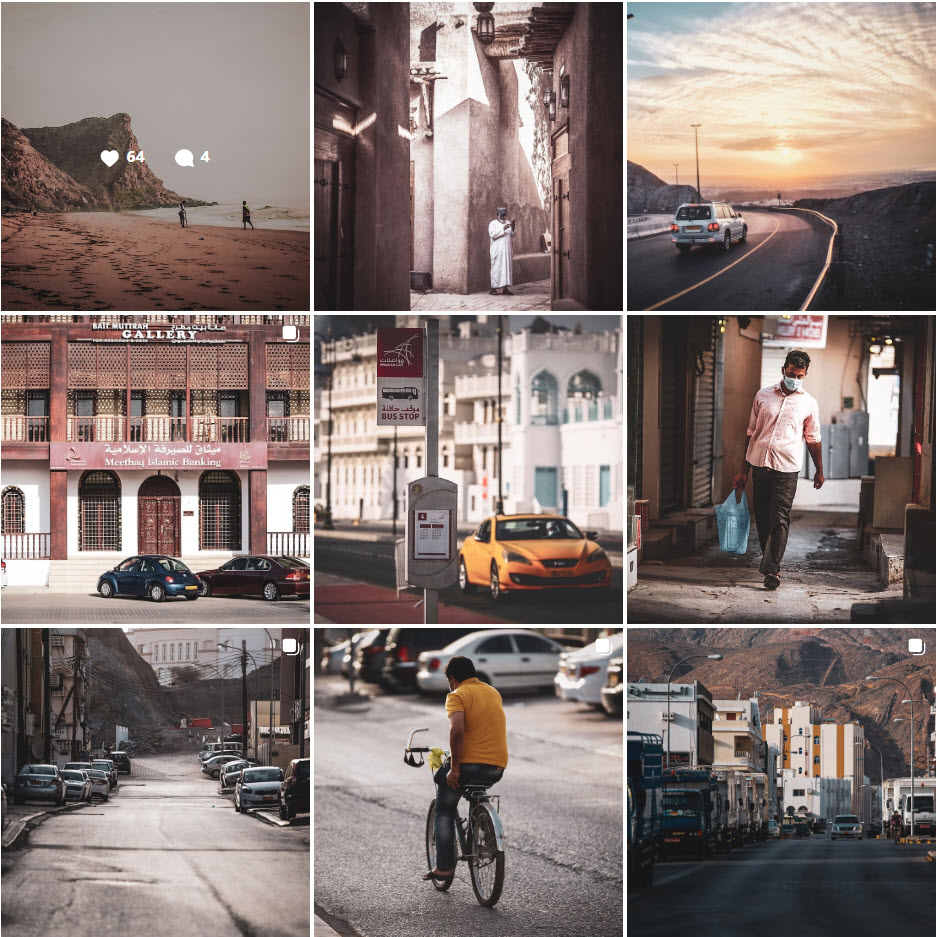
You see how all of these photos are similar in terms of color theme and processing style.

Your personal brand is your identity as a photographer. It encompasses your style, values, and the stories you want to tell through your work. Building a strong personal brand can help you stand out in a competitive field.

Try to create a specific style in your photographs. You may not be able to pull off this thing everytime but over the period of time you will have enough photos that show cases your specific style.

Monetizing Your Street Photography

Selling Prints and Art Exhibitions

One of the most direct but also the oldest ways to make money with street photography is by selling prints of your work. Its very lucrative but tat the same time very few people now a days go to actual galleries to purchase those. You can also consider exhibiting your photographs at local events.

Licensing Your Photos

Many businesses and publications are willing to pay for high-quality street photography. Licensing your photos for commercial use can provide a steady stream of income.

500px is one such website. But at the end, it depends upon public demand. You can also try stock photography websites for that.

Offering Photography Workshops and Tours

If you’re an experienced street photographer, you can share your knowledge and skills by offering photography workshops and tours. This not only generates income but also builds your reputation as an expert.

I am conducting Steet Photography workshops / photowalks in Oman for quite sometime. You can find the details here. Photography tour is a relatively new concept but its gaining momentum recently. People who are interested in photpgraphy and travelling wants some seasoned photographer to show various parts of city that are photogenic. You can tap that market if you are familiar with your location in terms of good locations suitable for photography.

Networking and Collaboration

Networking with fellow photographers can open up opportunities for collaboration and learning. Attend photography events and join online communities to expand your network.

Collaborating with businesses and publications can lead to paid assignments. You might be asked to shoot promotional campaigns or contribute to magazines and websites.

Participating in photography communities and contests can help you gain recognition and exposure. Winning or being featured in contests can boost your credibility and attract clients.

Overcoming Challenges

Dealing with Legal and Ethical Issues
Street photography can raise legal and ethical concerns, especially when photographing strangers without their consent. Be aware of the laws in your area and respect people’s privacy.

Handling Rejection and Criticism
Not every photograph will be a masterpiece, and not every opportunity will lead to success. Learn to handle rejection and criticism constructively and use it as a stepping stone for improvement.

Staying Motivated During Slow Periods
Like any creative endeavor, street photography has its ups and downs. During slow periods, stay motivated by exploring new techniques, revisiting old projects, or taking a break to recharge.

Conclusion

In conclusion, making money with street photography is both challenging and rewarding. It requires dedication, skill development, and a strong online presence. However, with the right approach and perseverance, you can turn your love for capturing candid moments into a fulfilling and profitable endeavor.

Blog at WordPress.com.

Up ↑