How to Make Money with Street Photography

Street photography is an art form that captures candid moments in public spaces, often reflecting the essence of everyday life. While it’s primarily a passion for many, did you know that you can also turn your love for street photography into a source of income? In this article, we’ll explore the exciting world of making money with street photography and guide you through the steps to achieve success in this niche.

Introduction

What is Street Photography?
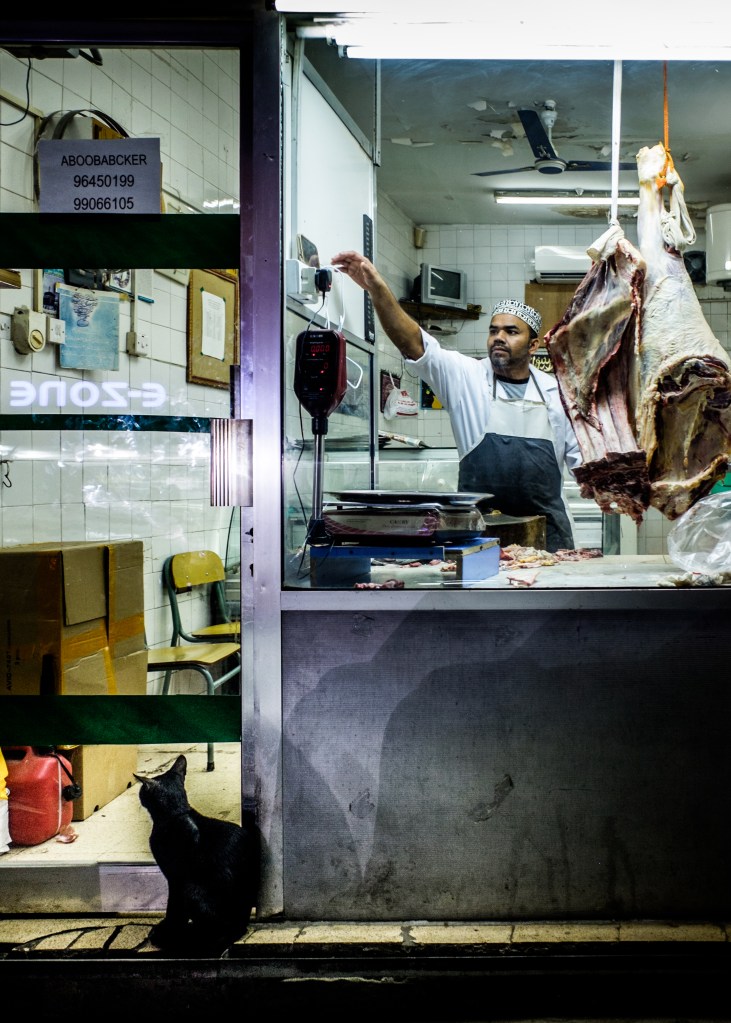
Street Photography definition is probably the most debatable one. In a sense it occupies almost everything that happens on street. It focuses on capturing unscripted moments in public spaces. It’s about telling stories through images, often highlighting the beauty in the ordinary and the unexpected. Street photographers roam the streets, parks, and alleys, seeking to freeze moments in time that others might overlook.

The Allure of Street Photography
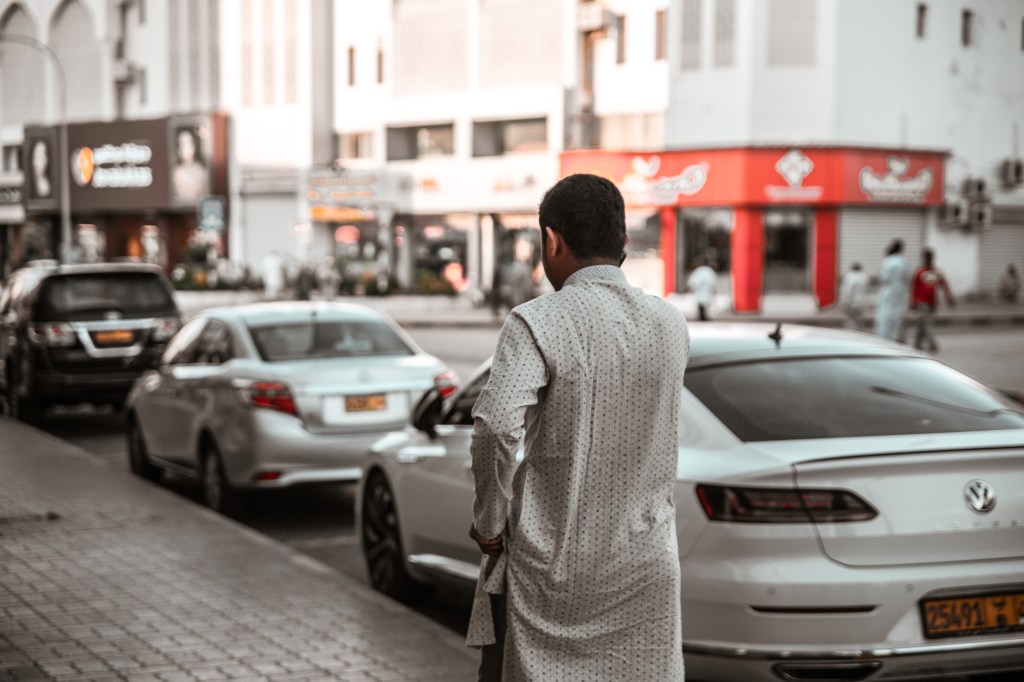
There’s a unique charm in street photography. It allows you to observe the world from a different perspective, paying attention to the details that often go unnoticed. Street photographers are like modern-day urban storytellers, using their cameras to document the world’s ever-evolving narratives.

Can You Really Make Money with It?

Yes, you can. While street photography might not be the most conventional path to financial success, it offers numerous opportunities to generate income. From selling prints to licensing your photos for commercial use, there are various avenues to explore.

Getting Started with Street Photography

Choosing the Right Equipment

Before you start your journey into street photography, it is important to have the right gear. That will decide which tyoe of photgraphs you will get easily. While someone prefer high-end cameras, others have achieved remarkable results with more compact setups.

Over the years, I prefer cheaper and more basic camera than an expensive one. People usually don’t notice cheaper and compact cameras and become more open to be photographed.

Learning the Basics of Photography
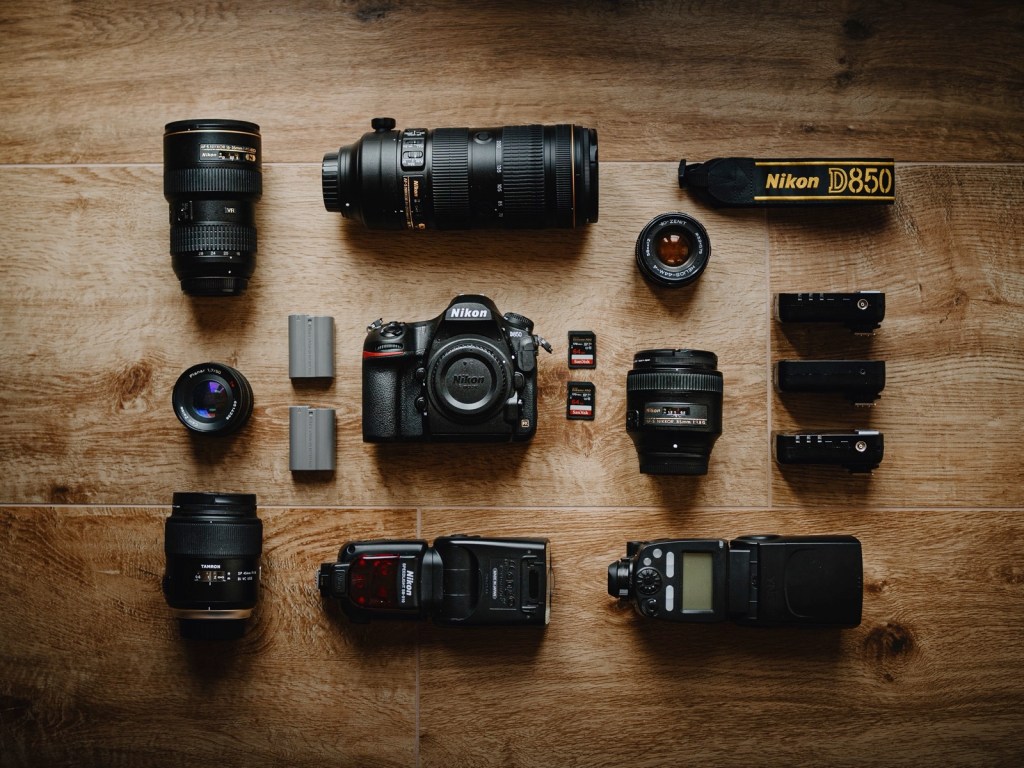
To excel in street photography, you should understand the fundamentals of photography, including composition, exposure, and lighting. Along with this, timing is something that is of utmost importance in street photography. Familiarize yourself with your camera settings to ensure you can capture those fleeting moments effectively.

A lot of photographers use manual mode with pre configured focus distance so that yu can capture the moment with focus hunting even in low light. Others put ISO to large numbers so that the moment can be captured with high shutter speed. Check out few techniques here.

Finding Your Niche in Street Photography
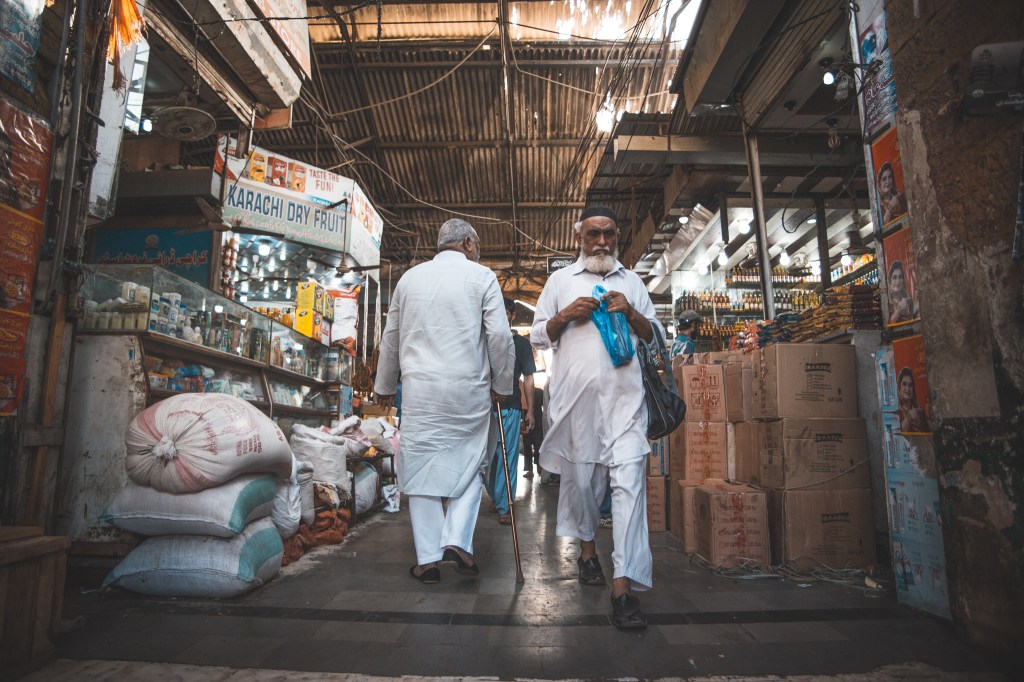
Street photography is incredibly diverse. Some photographers focus on capturing portraits of strangers, while others document urban landscapes. Finding your niche within this genre can help you stand out and attract a specific audience.

In begining, don’t limit yourself to just one niche. You can always copy the basic idea for photographers that you follow but trial and error is the key. Try as many new areas as possible. In this proces you will find what you truly like and then focus on that in detail.

Building Your Street Photography Portfolio

Capturing Compelling Moments
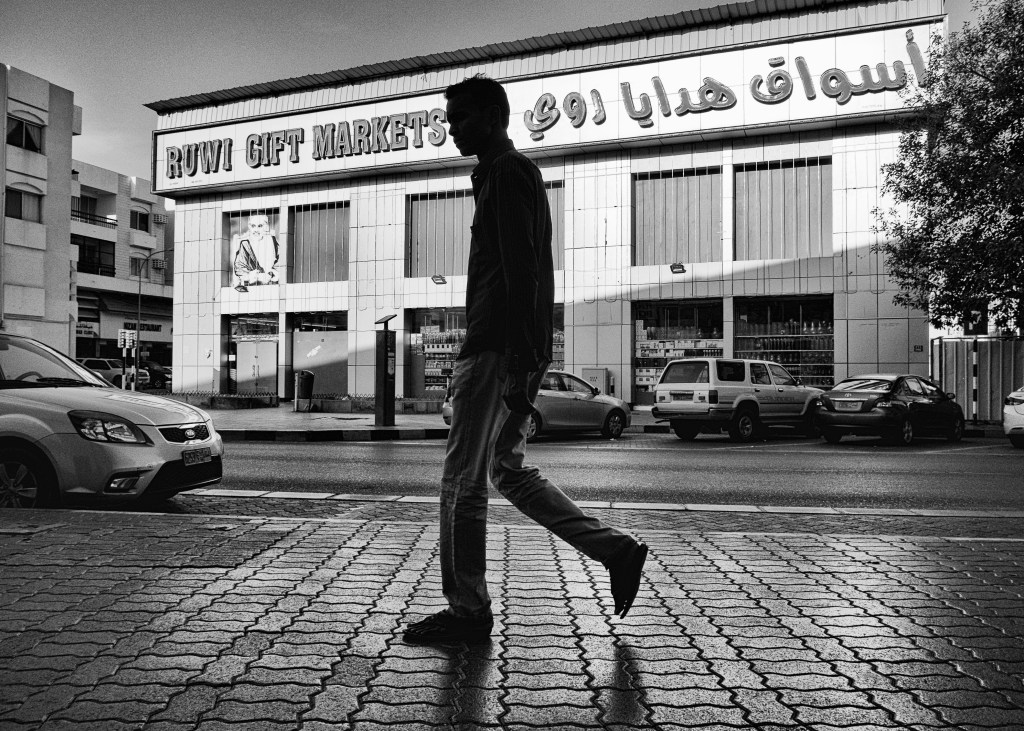
Creating a portfolio of stunning street photographs starts with your ability to capture compelling moments. Learn to anticipate scenes and react quickly to document the perfect shot. Patience and persistence are your allies.

Try to pick a corner on stret and spend sometime on it. Observer the activities and try to anticipate what’s interesting is going to happen. Frame your shot in advance and just wait for right moment, Change your location every 20 minutes or people will start noticing you.= and become uncomfortable.

Developing a Unique Style

Your style is what sets you apart from other street photographers. Whether it’s the way you use color, framing, or storytelling, developing a unique style can make your work instantly recognizable.

A lot of people use black and white photography. Usually it hides a lot of ugliness in frame because you have little control over background. Also people try specific color grades like Alen palender using muted colors for his photographs.

Try to experiment and come up with something unique and practicle.

Telling Stories Through Your Photos

This person was in a hurry to join his flight when I captured him. You see ow walking and planes in background related to each other.

Great street photography tells stories. Learn to observe and convey the emotions, narratives, and messages within your images. Your photos should evoke feelings and provoke thoughts in your viewers.

Your stories doesn’t have to be very epic and documentary style. Just a emotion is more than enough. Try to check if background can ad something to it or not. If Yes, then very good other remove background clutter by moivng closer.

Online Presence and Branding

Creating a Photography Website

To showcase your work and attract potential clients, consider creating a photography website. It’s your online presence, and it should demostrate your style and personality as a photographer.

Some of the online services that you can sue are

  1. WordPress
  2. SquareSpace

It really makes a difference when client sees your profile in a way you want them to see. The packages are quite customizable according to your need. And you can integrate online stores or donations as well.

Leveraging Social Media Platforms

Social media is a powerful tool for photographers. Establish a strong online presence through an active social media profiles. Share your portfolio and engage with potential clients. Use platforms like Instagram and Facebook to share your work, engage with your audience, and connect with potential clients.

Building Your Personal Brand as a Street Photographer
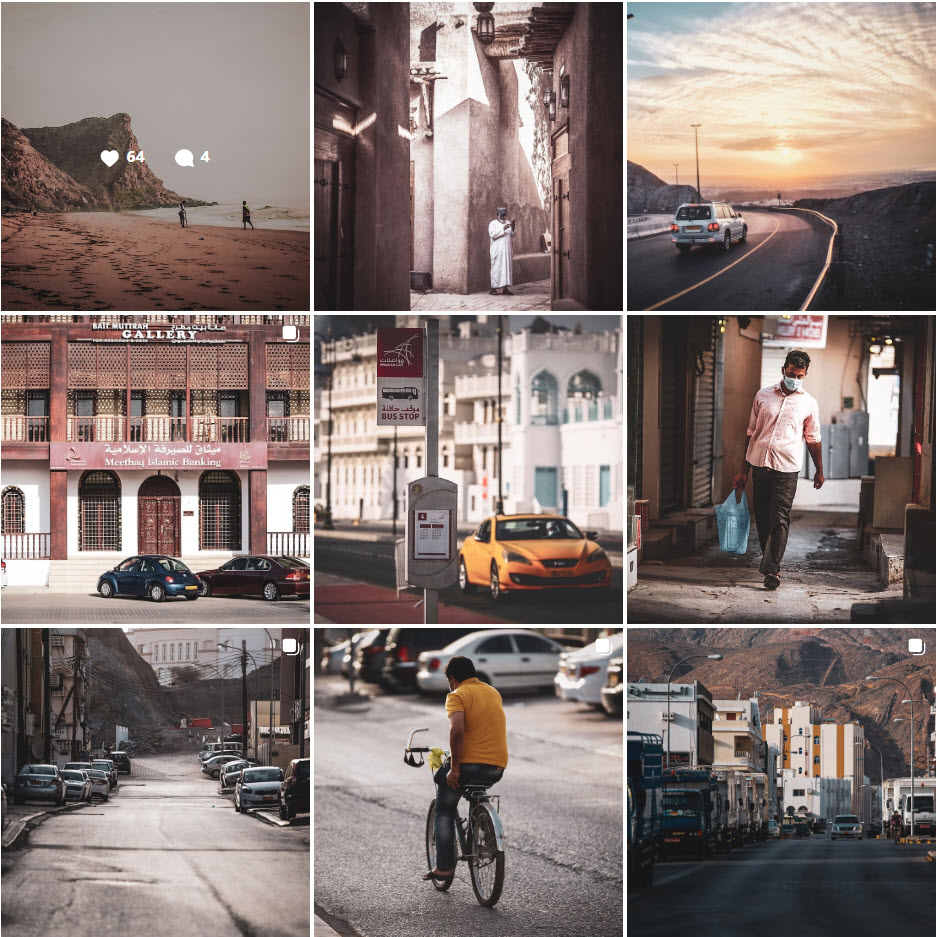
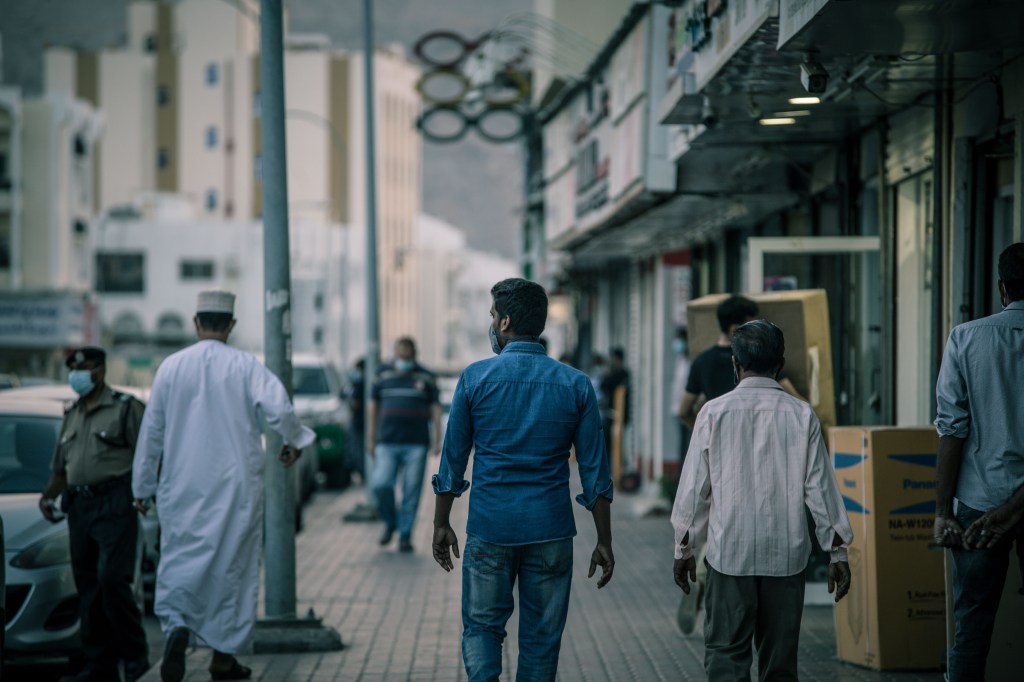
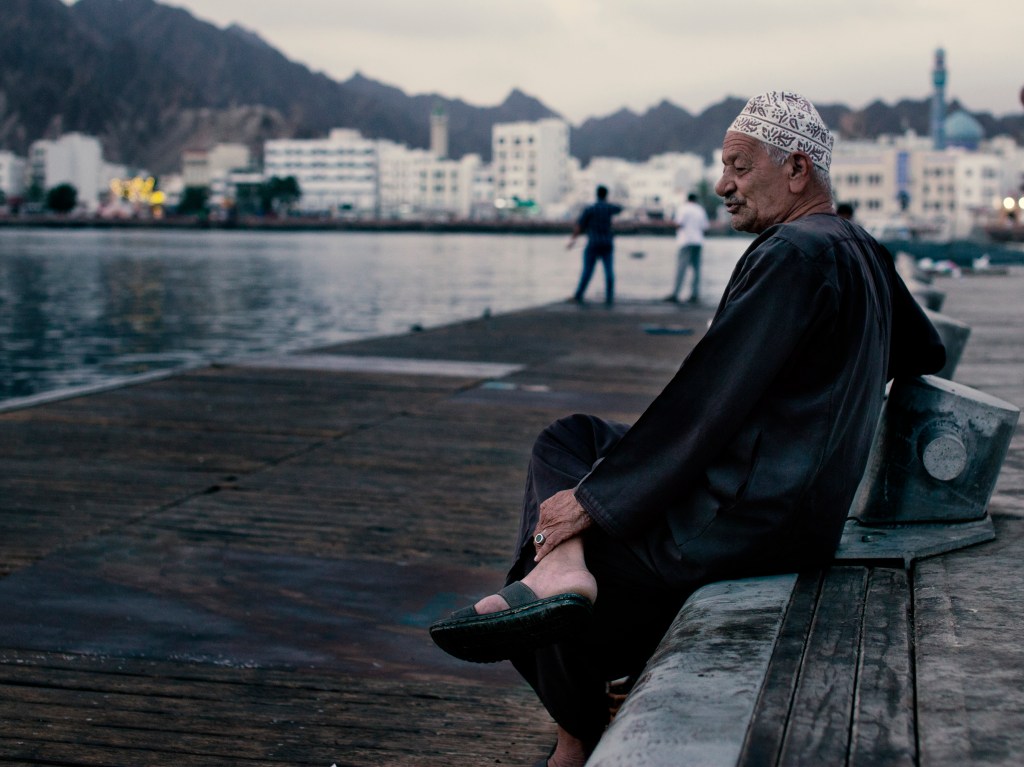
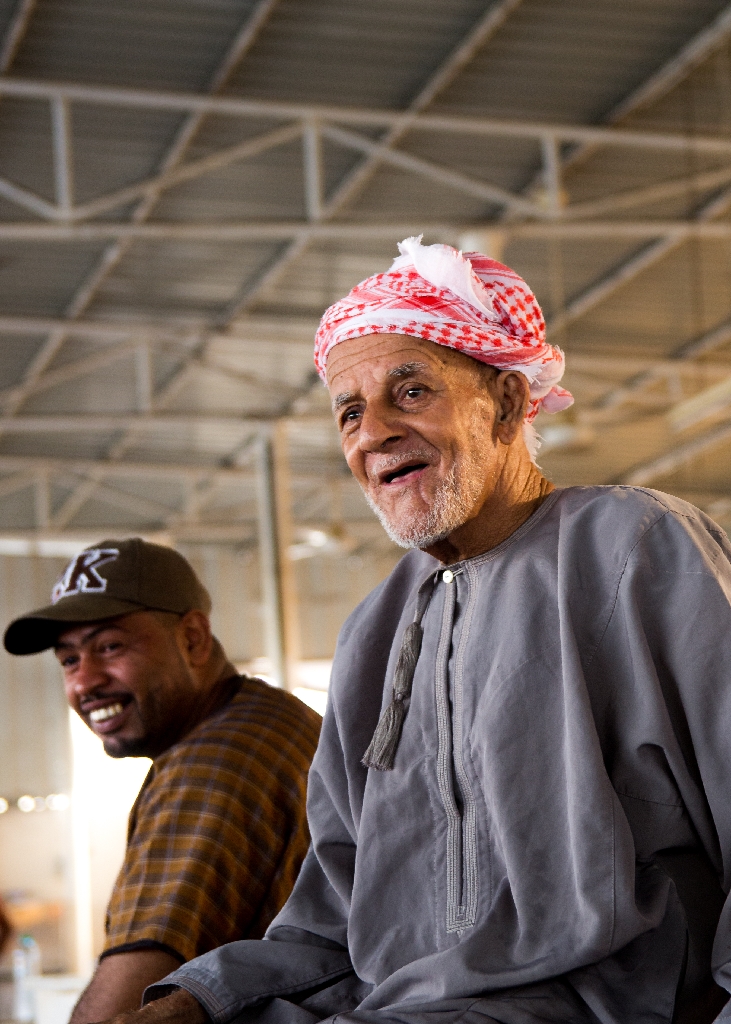
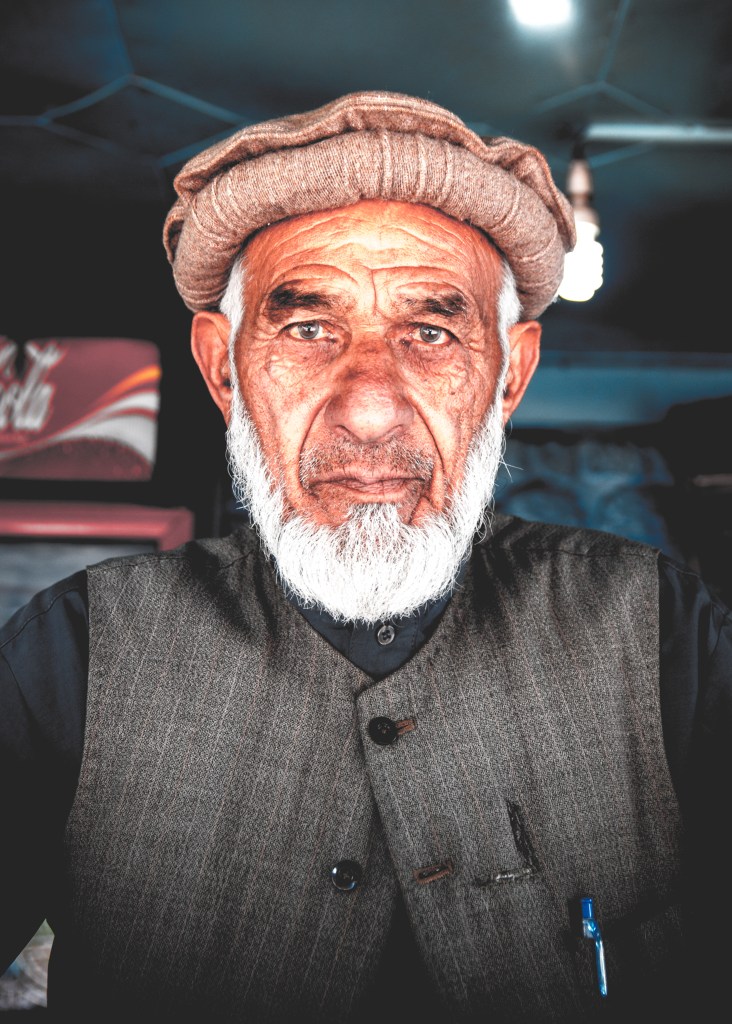
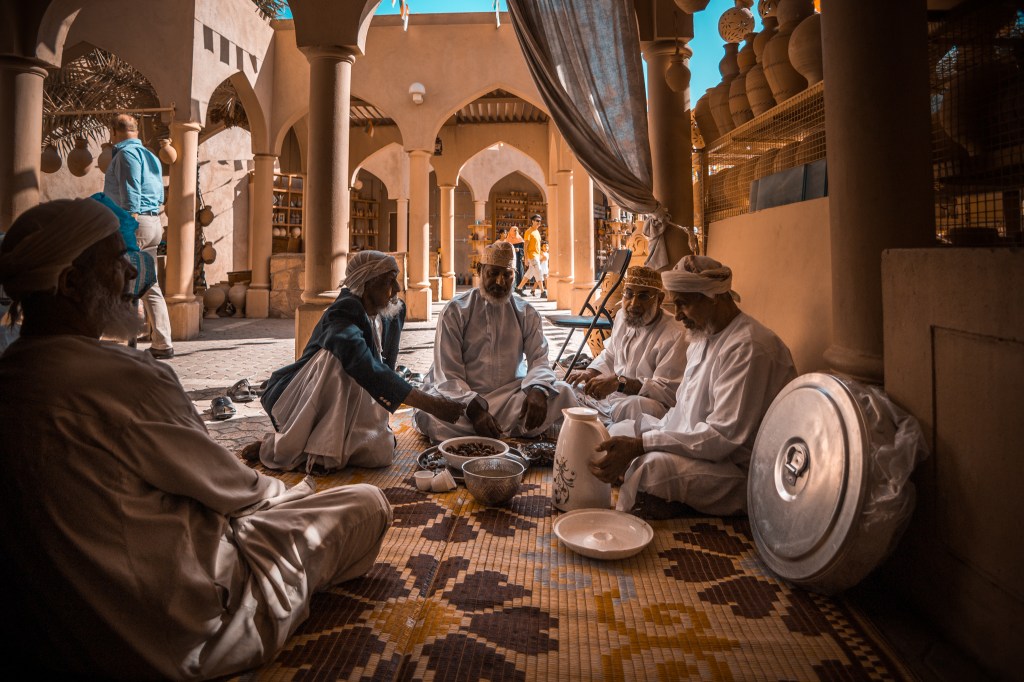
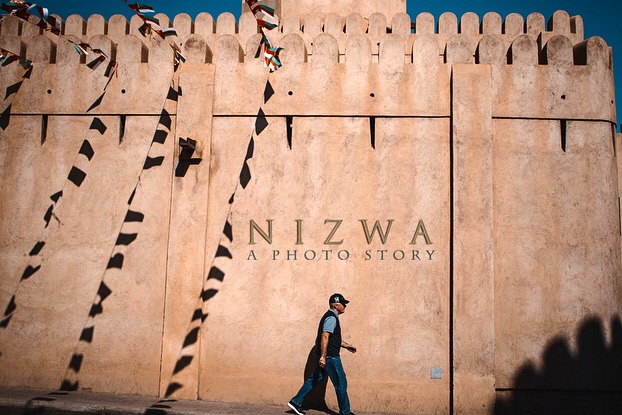
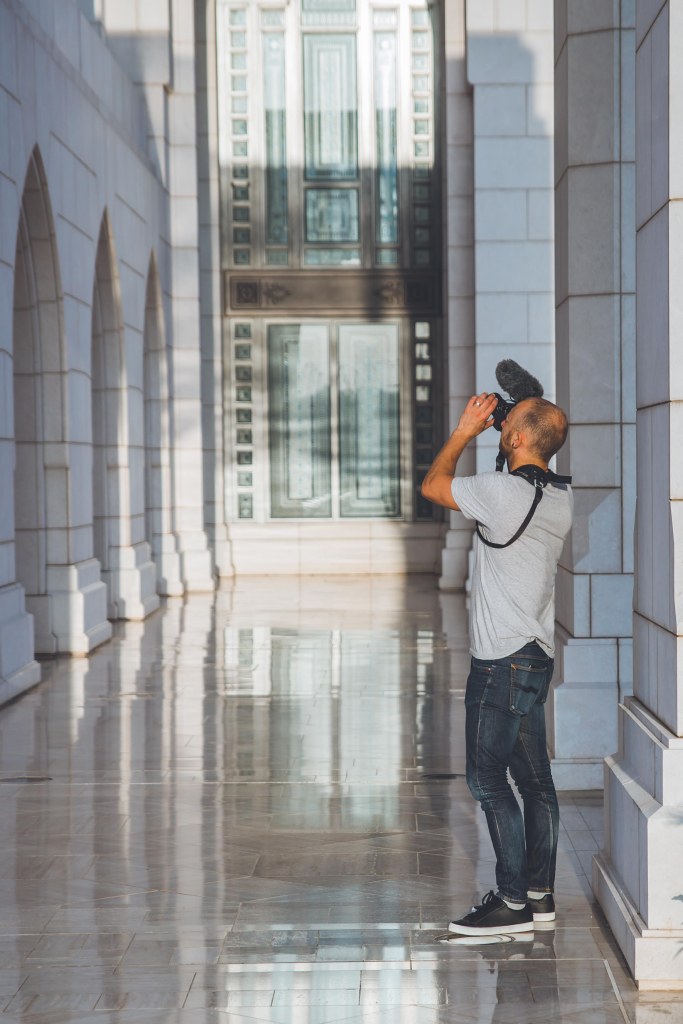
You see how all of these photos are similar in terms of color theme and processing style.

Your personal brand is your identity as a photographer. It encompasses your style, values, and the stories you want to tell through your work. Building a strong personal brand can help you stand out in a competitive field.

Try to create a specific style in your photographs. You may not be able to pull off this thing everytime but over the period of time you will have enough photos that show cases your specific style.

Monetizing Your Street Photography

Selling Prints and Art Exhibitions

One of the most direct but also the oldest ways to make money with street photography is by selling prints of your work. Its very lucrative but tat the same time very few people now a days go to actual galleries to purchase those. You can also consider exhibiting your photographs at local events.

Licensing Your Photos

Many businesses and publications are willing to pay for high-quality street photography. Licensing your photos for commercial use can provide a steady stream of income.

500px is one such website. But at the end, it depends upon public demand. You can also try stock photography websites for that.

Offering Photography Workshops and Tours
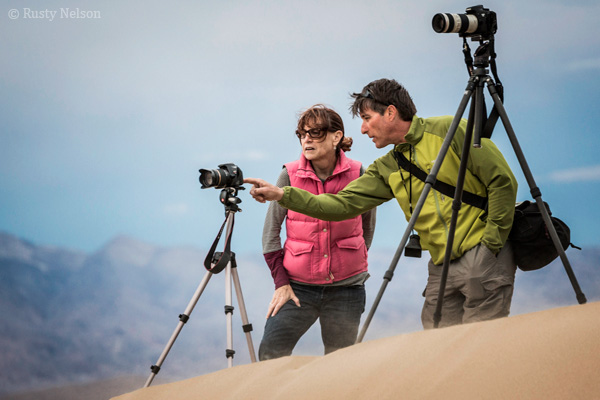
If you’re an experienced street photographer, you can share your knowledge and skills by offering photography workshops and tours. This not only generates income but also builds your reputation as an expert.

I am conducting Steet Photography workshops / photowalks in Oman for quite sometime. You can find the details here. Photography tour is a relatively new concept but its gaining momentum recently. People who are interested in photpgraphy and travelling wants some seasoned photographer to show various parts of city that are photogenic. You can tap that market if you are familiar with your location in terms of good locations suitable for photography.

Networking and Collaboration

Networking with fellow photographers can open up opportunities for collaboration and learning. Attend photography events and join online communities to expand your network.

Collaborating with businesses and publications can lead to paid assignments. You might be asked to shoot promotional campaigns or contribute to magazines and websites.

Participating in photography communities and contests can help you gain recognition and exposure. Winning or being featured in contests can boost your credibility and attract clients.

Overcoming Challenges

Dealing with Legal and Ethical Issues
Street photography can raise legal and ethical concerns, especially when photographing strangers without their consent. Be aware of the laws in your area and respect people’s privacy.

Handling Rejection and Criticism
Not every photograph will be a masterpiece, and not every opportunity will lead to success. Learn to handle rejection and criticism constructively and use it as a stepping stone for improvement.

Staying Motivated During Slow Periods
Like any creative endeavor, street photography has its ups and downs. During slow periods, stay motivated by exploring new techniques, revisiting old projects, or taking a break to recharge.

Conclusion

In conclusion, making money with street photography is both challenging and rewarding. It requires dedication, skill development, and a strong online presence. However, with the right approach and perseverance, you can turn your love for capturing candid moments into a fulfilling and profitable endeavor.

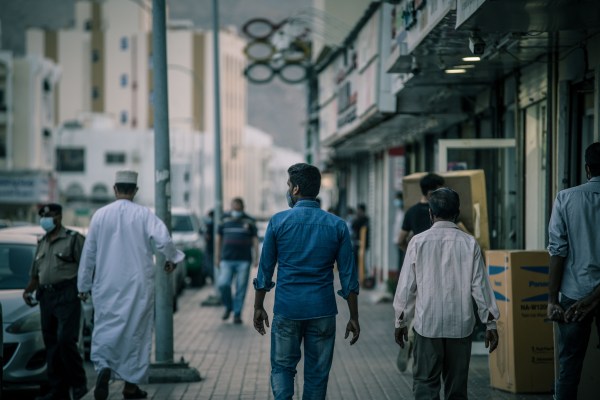
The Human Connection: What Makes Street Photography So Compelling

Introduction

Street photography is something really special. It has a charm that pulls in both photographers and people who look at the pictures. It’s a kind of photography that captures the true essence of what it means to be human. In this article, we’ll explore what makes street photography so interesting. We’ll talk about how it shows us ordinary life, tells stories, and connects with strangers.

A Glimpse into Ordinary Lives

Capturing everyday moments

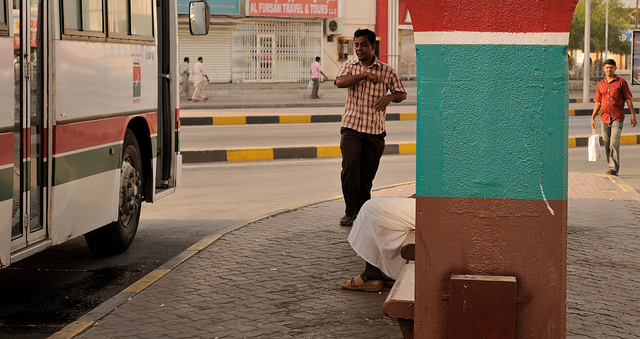
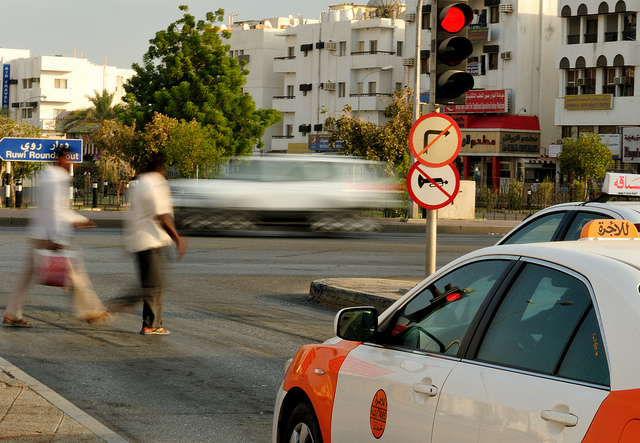
Street photography is not about staged scenes or elaborate setups. It’s about seizing the unscripted moments that unfold on the streets. Photographers become invisible observers, documenting the beauty of everyday life. It’s in these ordinary moments that the extraordinary is often found.

Candid shots vs. posed portraits

What sets street photography apart is the spontaneity of the shots. Unlike traditional portraiture where subjects are aware of the camera, street photographers capture people in their most genuine states. This authenticity forms a deep connection between the viewer and the subject.

Storytelling Through Images

The power of visual narratives

Street photography is a silent storyteller. Each frame tells a unique story or raises questions. Viewers are invited to interpret the narrative, allowing for a rich and personal experience. The absence of words lets the images speak for themselves.
Evoking emotions through photography

Emotion is the heart of street photography. A well-composed shot can evoke a range of feelings, from joy and nostalgia to empathy and introspection. These emotional connections are what make street photography so compelling.

The Art of Observation

Developing a keen eye

Street photographers possess a unique ability to spot beauty in the mundane. They train their eyes to see potential shots in the chaos of the streets. This heightened observation skill adds depth and intrigue to their work.

Patience as a virtue in street photography

Great street photographs often require patience. Waiting for the perfect moment or the right subject can be challenging, but the reward is a shot that captures the essence of a fleeting moment in time.

Connection with Strangers

Breaking the barrier

Approaching strangers for candid shots can be intimidating. Successful street photographers learn the art of breaking down barriers, building trust, and maintaining respect for their subjects. Establishing a connection, even if brief, is essential.

Ethics and consent in street photography

The line between capturing a genuine moment and invading someone’s privacy can be thin. Ethical street photographers prioritize obtaining consent when possible and respecting the boundaries of their subjects.

The Role of Timing and Composition

Finding the right moment

Street photographers often say that timing is everything. Knowing when to click the shutter is an art in itself. It’s about anticipating actions and reactions, ensuring that the photograph encapsulates the essence of the scene.

Composing striking street photographs

Composition plays a significant role in street photography. Framing, leading lines, and use of negative space are all critical components. A well-composed shot can turn an ordinary scene into a masterpiece.

The Influence of Technology

Advancements in street photography

Technology has transformed street photography. With the advent of smartphones and mirrorless cameras, more people can participate in this art form. However, the essence of street photography remains the same: capturing humanity.

Staying true to the essence of the art

While technology offers convenience, it’s essential for street photographers to stay true to the core principles of their craft. It’s not about the gear; it’s about the human connection and the stories within the frame.

Cultural and Societal Reflections

Street photography as a mirror of society

Street photographers often document cultural and societal changes. Their work reflects the spirit of the times, highlighting issues, diversity, and social dynamics. It becomes a historical document of our ever-evolving world.

Documenting social change and diversity

Street photographers have the power to shed light on underrepresented communities and issues. Their work can spark conversations and inspire change, making street photography a powerful tool for social awareness.

Challenges and Rewards

Overcoming obstacles in street photography

Street photography presents its fair share of challenges, from the unpredictability of the streets to legal and ethical considerations. However, the pursuit of that one perfect shot keeps photographers motivated.

The satisfaction of capturing the perfect shot

The reward of street photography is the satisfaction of freezing a moment in time, capturing a genuine human connection, and sharing it with the world. It’s a pursuit that feeds the soul of both the photographer and the viewer.

Conclusion

In conclusion, street photography’s enduring appeal lies in its ability to connect us with the world, to make us pause and ponder the intricacies of life. It’s an art form that captures the raw, unfiltered beauty of humanity. Aspiring photographers and viewers alike are encouraged to explore the streets, camera in hand, and discover the captivating world of street photography.

What do you guys think about street Photography? Do mention your expeirences and considerations in comments. Lets roll a healthy discussion below… 🙂

It’s time to break following 6 Cliches in your photography

Photography is an art form. And ART is subjective in nature. It is difficult to define what is cliche and what is not. But, there are certain types of photographs that are too common over the internet and normally they are considered as a cliche.

Cliches are called cliches for a reason. They all started as a normal thing. Normally they are very good ideas and that’s why they became so popular in the first place. But at some point their overuse by people make them a cliche.

With the ever growing market of cheap consumer level DSLRs and PRO phone cameras, Everybody is now a photographer. If you are somewhat serious about the art of photography, you need to stop doing following photography cliches and start bringing your own creative touch in your photography.

For dedicated Photography Workshop in Oman. See here
For dedicated Portrait and Lifestyle photo sessions in Oman. See here

1. Always using Black and White for Street Photography.

We all at some point or another, tried our hands at street photography. It looks artistic and classy. But why everyone is converting their street photographs to black and white?

Most of the famous street photographers had their work in black and white because they belong to black and white film era. At that time, either color cameras were not present or too expensive. So, their work is mostly in black and white. Most of the iconic street photographs are black and white.

Now that we have powerful DSLRs, there is no need to go for that look. Only go for black and white if it makes sense. Lets suppose, you want to get rid of uncontrolled distraction (different colors of cars and sign boards that don’t go with your color theme) or you want to emphasis on light and shadows.

The first image here is of a Porter on Karachi Railway station. Black and white won’t work here as people will not able to distinguish his specific Green,yellow and red uniform.

Porter on Karachi Railway Station

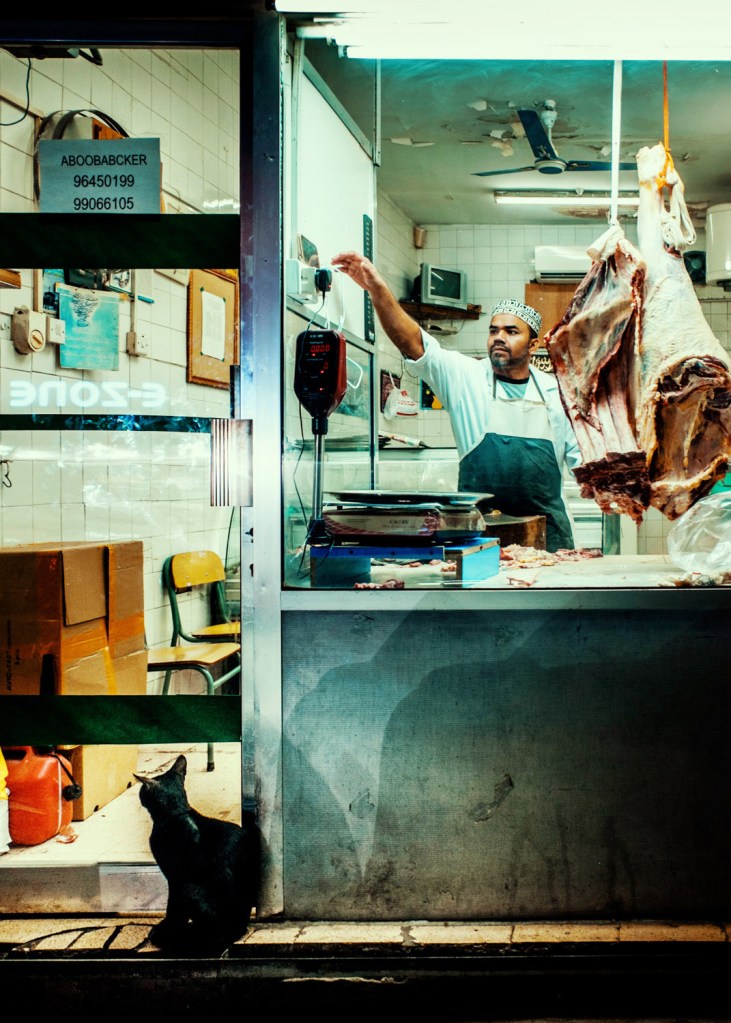
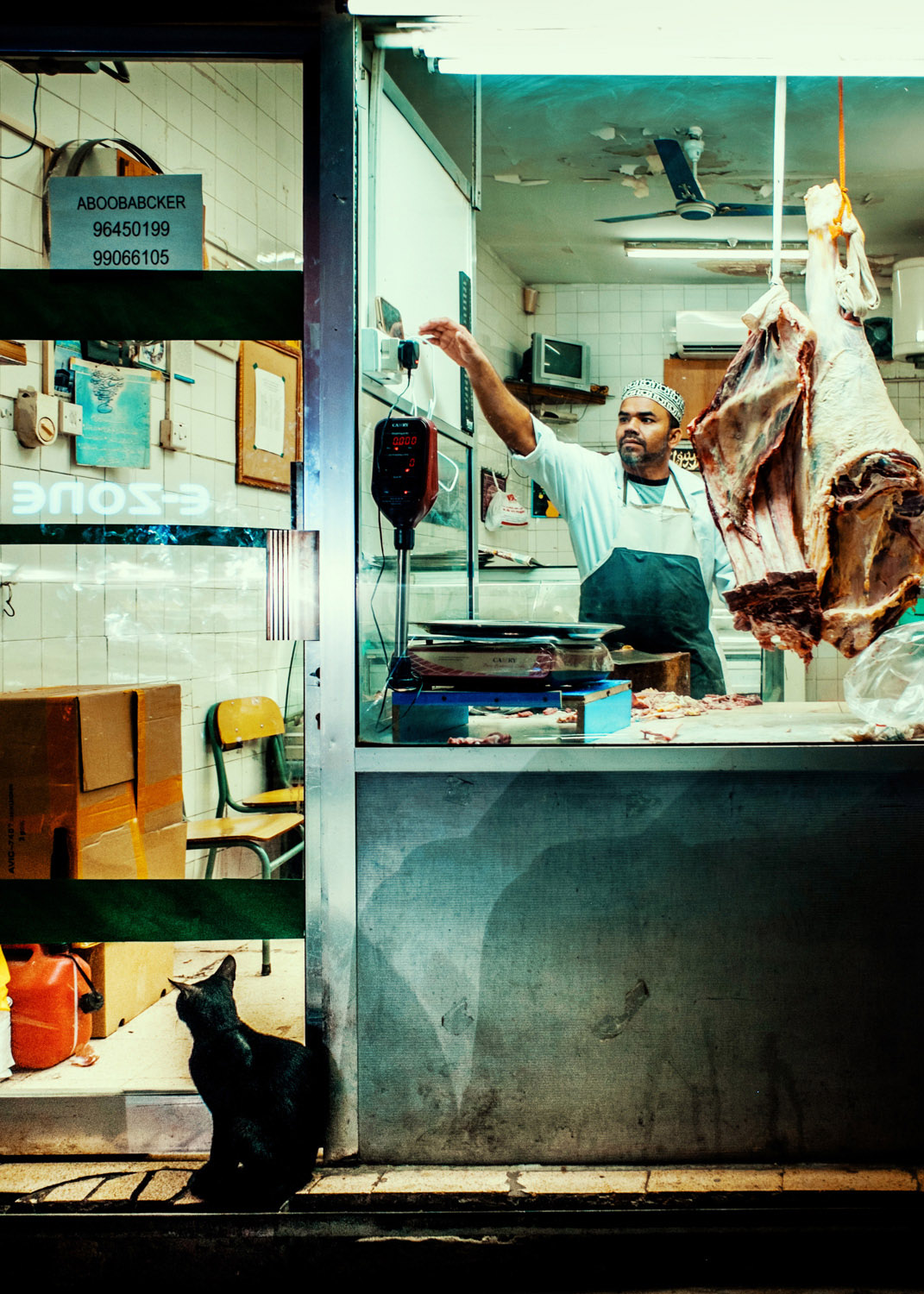
This second image is of a butcher in Muscat city. This whole image is pretty much teal in color and converting it to black and white will render an image with very less contrast.

Black and white is a creative choice. Don’t blindly use it because most famous street photographs are in black and white . Understand its PROs and CONs and do it creatively.

Butcher in Muscat

2. Punchy High Dynamic Range (HDR) images.

High dynamic range photography is a process where you capture multiple images. One for each shadows, highlights and mid tones. You blend them together to make an image with details in both dark and bright areas. It all started when camera sensors were not that strong as they are now a days.

Today’s consumer level DSLRs and even high end point and shoot cameras have very powerful RAW image processors. All you have to do is to adjust highlights and shadows along with blacks and whites and you are good to go. 

Processing single RAW file will give you much better and natural results than blending multiple images. Yes, HDR blending has its own place. It comes handy when there is too much contrast in a single image. But overall HDR images look unnatural and over processed.

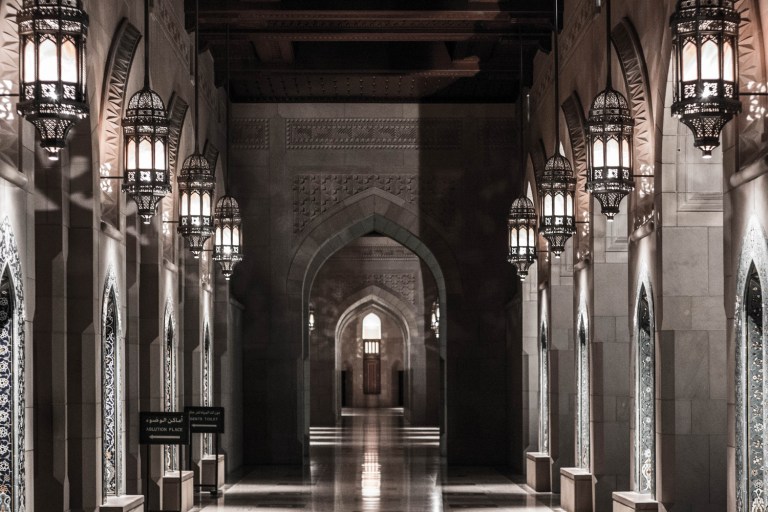
Both of the images here are HDR images of a Mosque from a single RAW file. I only used shadows and highlights adjustments to bring details in specific sections. You can see the details in both bright and dark areas.

Grand Mosque Muscat
Grand Mosque Muscat

3. Sticking to rule of thirds at all time.

Almost everybody know the rule of thirds. It’s the first rule that you learn when you start learning composition in photography. Rule of thirds is very scientific in nature and 9 out of 10 times it gives you good results. And that makes it a Cliché.

There is a famous saying that ‘Rules are meant to be broken’. It’s true. Just by deviating away from some industry standard will automatically make you stand out among the crowd. But it has to be done with care. You can avoid the rule of thirds in symmetrical compositions very easily. You can avoid it in minimalistic shots as well.

With practice you will come to know when you will get better results by not following this rule. Whenever you shoot some picture, always experiment with different versions. Rule of thirds is a good starting point for your composition. But since everyone uses it all the time, it’s a bit boring.

Alternatively, you can place your subject in extreme sides or corners and still make an attractive composition by placing some elements on opposite side to balance it.

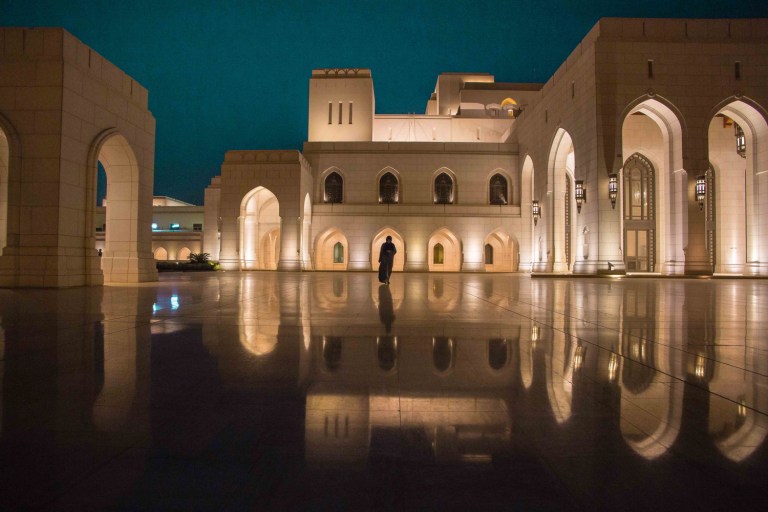
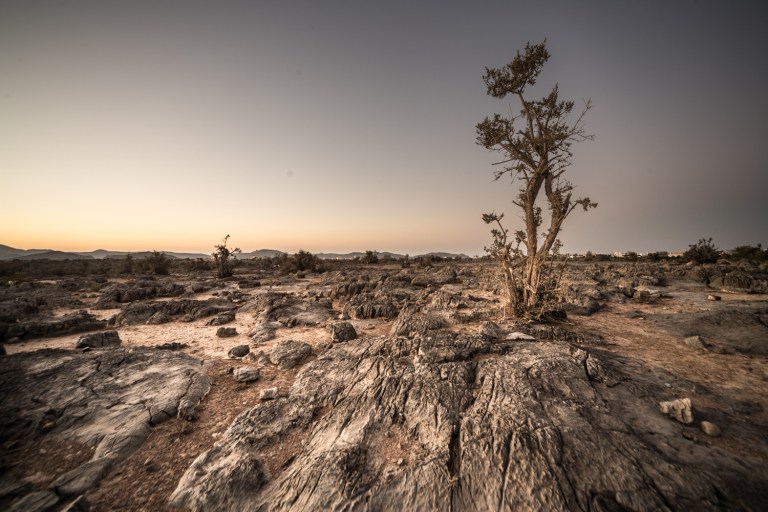
Both the sample images here doesn’t strictly follow rule of thirds but still they have an interesting balance and composition.

Royal Opera House Muscat
Jebel Akhdar Mountain

4. Following histogram religiously.

Histogram is very powerful tool that lets you decide whether you have a properly exposed picture or not. Understanding histogram is of prime importance. Just by looking at it, you can tell whether you have pure whites or pure blacks in your image, i.e. whether you lose details in highlights and shadows or not.

The problem is, histogram only tells you the range of the brightest and the darkest pixels in your image. It doesn’t know what you want to shoot actually. If you want to shoot low key or high key image, the histogram will show that you are clipping shadows or highlights. In this particular case, I want to shoot a low key silhouette image in Muttrah Souq, Oman. It is ok since I deliberately want to clip both shadows and highlights. It’s your creative decision.

High contrast image with histogram

Histogram is also good when you have an inconsistent LCD screen on your camera. Camera LCDs are normally much brighter than actual image is. Sometimes the image looks properly exposed on screen, but actually it’s a bit underexposed. You have to pull shadows in post later on to balance it and it will introduce some noise.

Checking histogram will tell you this at the time of the shoot. You can adjust your settings in camera, and you don’t have to push it in the post. You must know how to read a histogram. But you should also know when to follow it and when to follow your own creative guts.

5. Using Image Borders

Gone are the days when the only outcome of photography is the wall mounted frame. This age is the age of social media. Yes, wall hanging frames still have their own place. You can’t deny that. But making your image compatible over the internet is important.

People normally add borders because of two reasons. Either their frame corners are not tight enough and they need some sort of borders to keep it under boundary or their subject is not prominent enough.

Try framing your image in a way that it naturally creates a border around your subject. You don’t have to use frames within frame technique all the time. Just try to look around the edges of your frame and place something strategically to guide viewers’ eye.

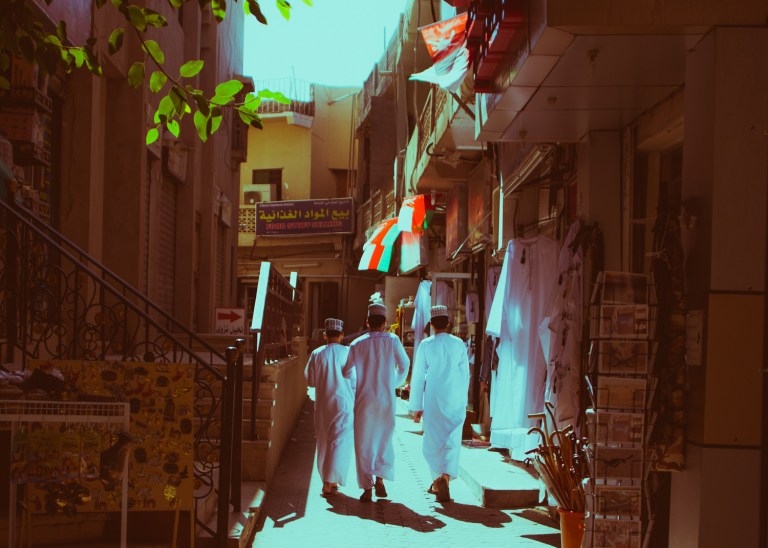
Here I shot these three guys walking in Nizwa market in Oman in a way that it creates a natural frame around them. Although it only covers left and right side of image.

Nizwa market in Oman

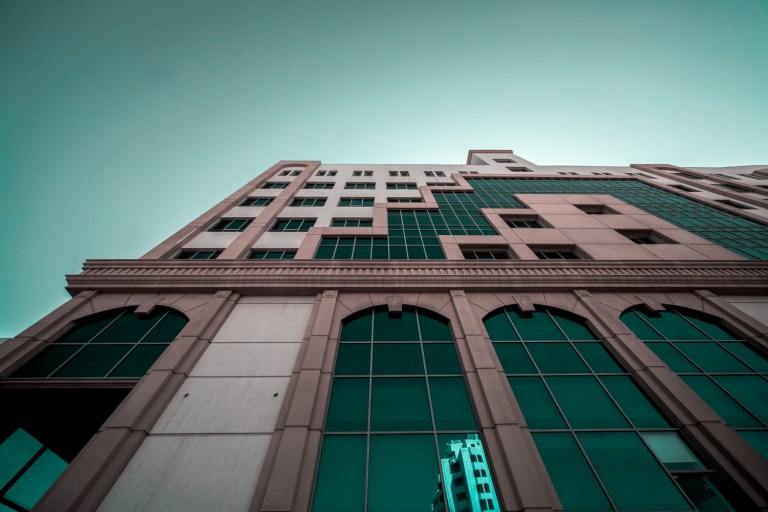
Another technique is to use a vignette in your images either by using dodge and burn technique or simple darken your edges and brighten the subject. In this image, the sky is completely plain, so I added a little vignette to create a border.

Architecture build

6. Using cliché Lens choices.

It is common to shoot Landscapes with wide angle lens, Street photography with 50mm and portraits with an 85mm or 100mm lens. Thousands of images are uploaded over the internet on a daily basis that follows the same exact rule.

Every other shot that follows these clichés looks almost identical. Like the rule of thirds, these lenses will give you great results. The wide angle lens lets you include foreground and background both in focus. Telephoto creates simple background with flattering facial features. But try something different to create a new perspective.

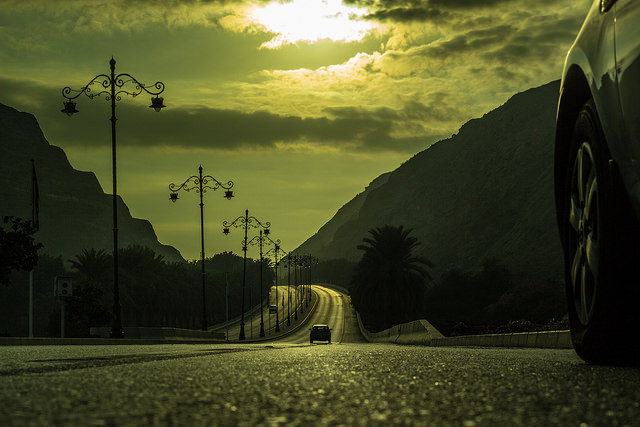
Like I shot this landscape and architecture image with a 50mm lens. It’s a totally different perspective of this place as compared to all other pictures of the same place. You can try portraits with a wide angle and street photography using telephoto lens as well.

The Road
Grand Mosque

Conclusion

It doesn’t mean that you should not use these techniques at all. Using a bit of all of these techniques in moderation is all you need to avoid clichés.

It’s really hard to find the subject that has never been photographed before. Try to look subjects in a different way. Try different angles. Try different lenses and filters. Try different post processing techniques that are not common.

One interesting way is to start a project of photographing the same subject in 15 different ways. It will force you to look at the subject in an entirely different way. That practice will help you in your photography in general.

Again photography clichés are not bad. It’s just that they are way too common and they won’t help in bringing your very own personality in your photography. Now, try to be creative and tell me in the comments section which cliché you find most annoying.

A beginer workflow to STREET Photography

Street photography is one of the most feared and uncertain type of photography in which almost nothing is in your control and almost everything is based on luck. A lot of new photographers who like street photography because it’s classy/candid look and feel are very nervous because it demands too much time and luck.

Also the success rate of these types of shots is also very low as you get a lot of crappy shots when you come back home and try to edit them. A lot of factors are there that can go wrong very easily like improper focus, background distractions, photo bombing etc not to mention a lot of time you need to face people’s anger and sometime security issues. But guess what? That is the reason that makes street photography so much satisfying and fulfilling because after so much frustration when you get proper shot it worth a lot. You can easily compete with any professional photographer if you have a decisive street photography shot.

Like any field, if you carefully analyze the problems, you can come up with some workflow that will produce maximum results with very low chances of getting things wrong. I am by no means a pro street photographer but over the time I have come up with a workflow that works for me most of the time.

Look for interesting faces / Emotions.

This is by far the easiest step in getting interesting photos. Look for older people or children. Their faces are very expressive. Also people with unique clothes and emotional state make your photos pop because of their unusual settings.

15552658549_39ea2afc08_z

Look for related or contrasting background and foreground interest.

Street photography is all about complete environment. You should try to guide viewers from subject to background. And to do it seamlessly your background should be related. Highlight your subject but try to put some meaningful and unobtrusive background as well. Don’t try to completely remove it or use too simple background, as it kills the purpose of street photography. Also sometimes a very contrasting background makes a strong visual statement as well. Play carefully within limits.

Look for some truly beautiful geometric composition.

This is where street photography gets visually very interesting. But it’s also very difficult and if you nailed down this aspect you will get a master piece. Composition is always the key.

15486119148_da71d38fd1_z15135384124_cca1d80b06_z

Look for some tried and tested conditions.

Look for some unique shadows or nice reflections on glass or stagnant water on streets. Contrasting lighting conditions both during day and night is also very dramatic. Symmetry and repetition is also very pleasing to eyes.

15486699860_874eb5331b_z15848445992_e4065f61f6_z

Shoot in both Color and black and white

Its very tempting to always shoot in black and white because it looks classic and it suppresses a lot of background distractions. But a part of these two reasons, try to learn other aspects of B&W also like shadows, textures and contrast. B&W tends to look a little more sharp as well. But color has its advantages too. Sometimes a photo with color is more interesting than B&W as its more natural cause we used to see in colors.

15635607914_18d7c4e370_z15899694386_887740328b_z

Always wait for the DECISIVE MOMENT.

This is by far the most important point of street photography and the whole topic revolves around it and that is why I make it a separate heading and not a pointer .Before clicking just think is it the right time to take it. How it will work if I wait a little longer or If I click a little earlier. If it makes a difference, do it accordingly. This is the point that actually creates a story.

8028796793_a7ededfa93_z8028796404_f3bacc0551_z

Below are some of the side thoughts that you should keep in mind and that will come handy all the time.

1.       Be courteous to your subjects at all times. Don’t try to exploit them. If they don’t want to be photographed, leave them alone. You will get a million other opportunities. Be ready to say sorry and smile and never confront with local people.

2.       Make yourself familiar with that place. A little planning will never hurt. Try to come to same place again sometime. You will be already familiarized with locations and its settings. That will help you to plan your shot in advance.

3.       Talk to people after you photographed them. Give them your business card. Ask them if they want these photos and send them later through email as a courtesy. Make them friends. It will be much more fun and less daunting.

Conclusion

Don’t expect that every time you go out for street photography, you will get some master pieces. It’s very difficult, so be patient and try to enjoy the whole process of getting shots and not just the final shots. Try to improvise as you learn. These are just few pointers that I compiled because they worked for me. Try to come up with your own tips and tricks. I am working in Middle East where people are generally not very friendly and they are suspicious of camera as well. But if you have a nice friendly smile on your face and you are not intruding their personal space aggressively than its very a enjoyable process and not to mention that final result is much more satisfying.

Blog at WordPress.com.

Up ↑