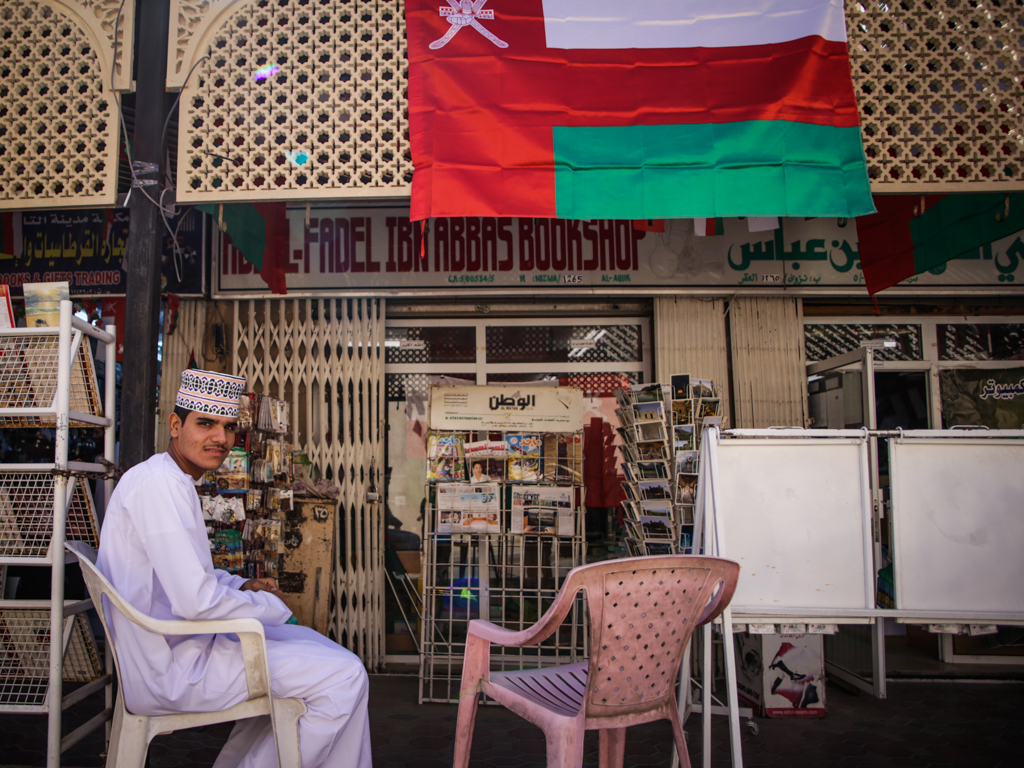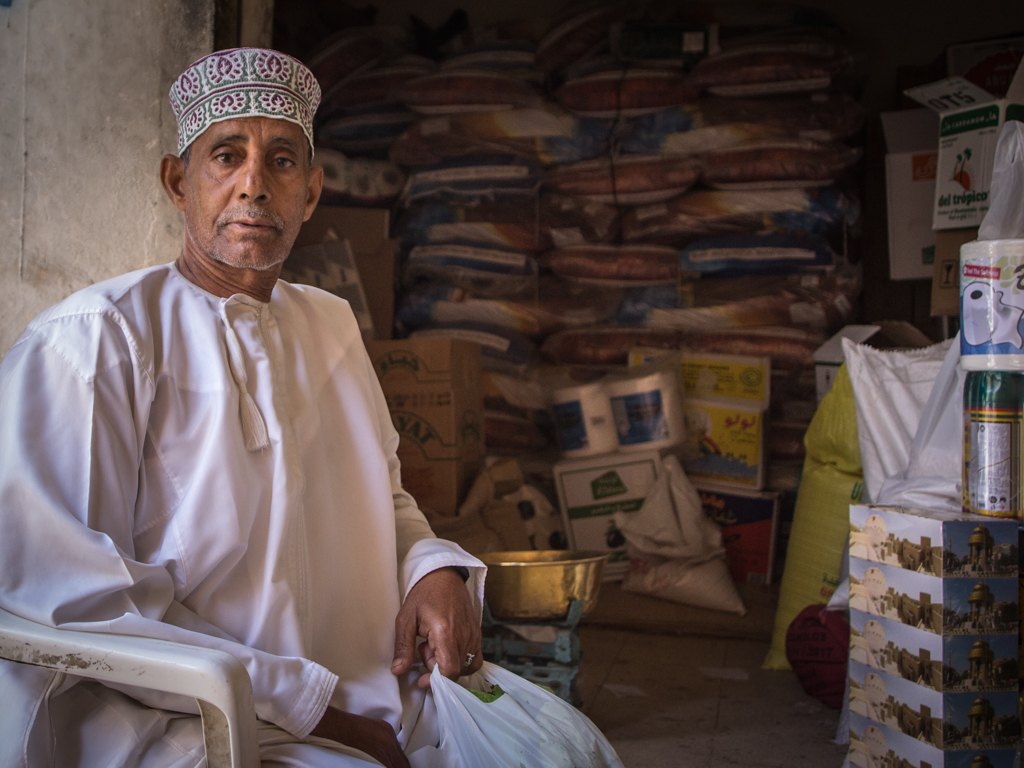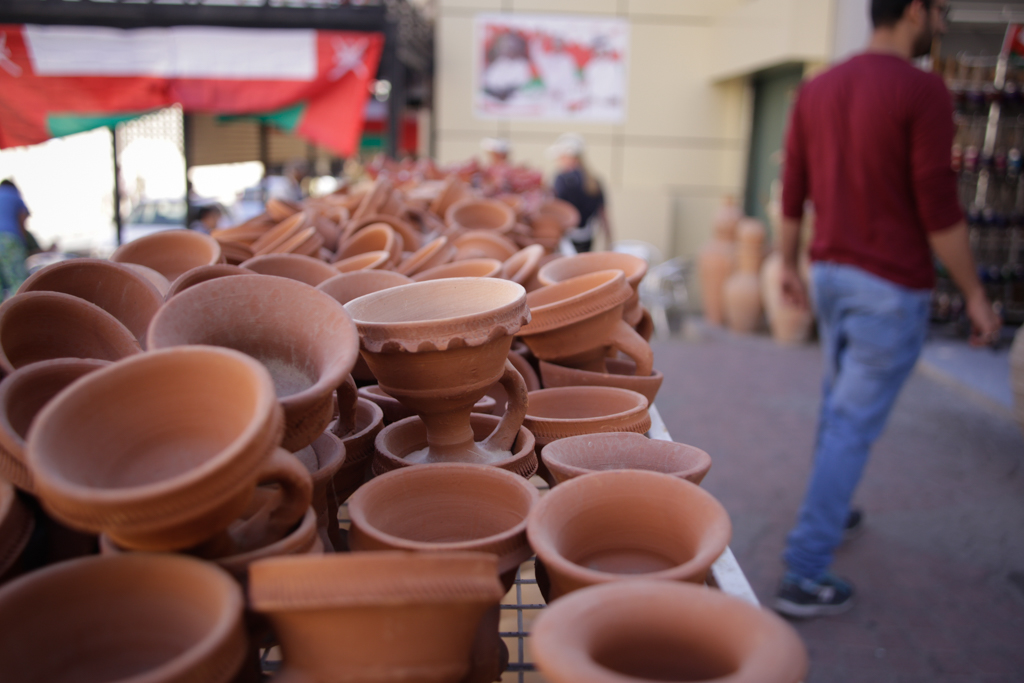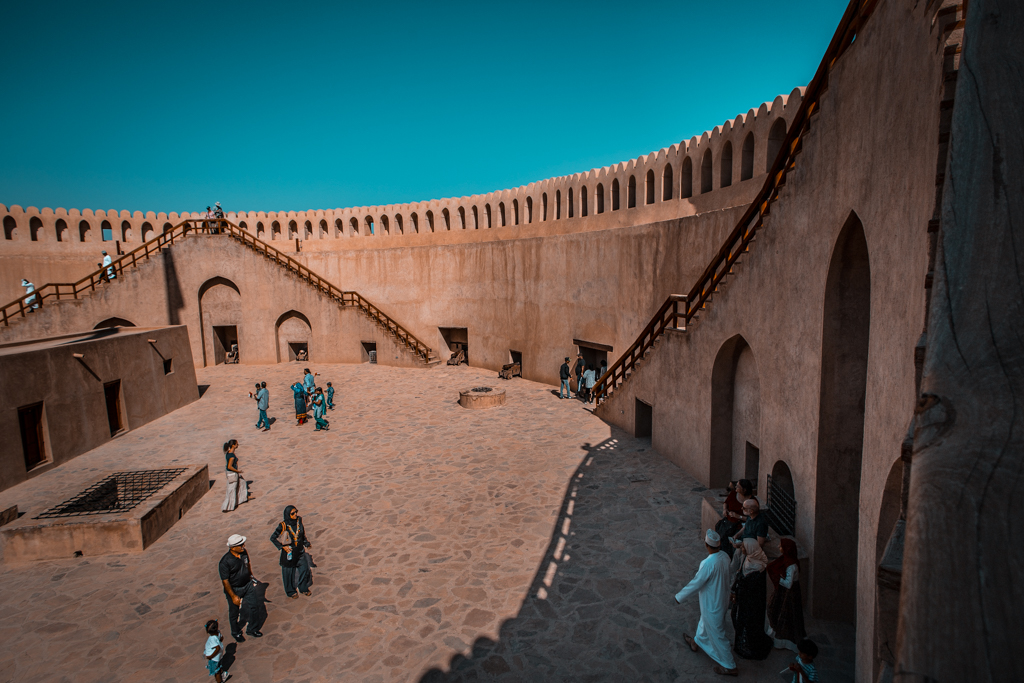
Is Oman safe for tourists? Travel Safety Guidelines

When planning a trip to a new location, travelers frequently place a high value on safety. Oman, a country in the Middle East, is well-known for its fascinating past, stunning landscapes, and warm hospitality. You will find the information you need to make an educated decision about going to Oman in this article.


P.S. If you need a photographer to capture your precious moments in Oman, ImranZahidFilms can capture your destination vacation in Muscat, Oman and deliver the perfect travel souvenir — priceless memories. Click here.


Introduction

Oman is a country on the southeastern coast of the Arabian Peninsula that offers visitors both its modern infrastructure and its ancient heritage. With a low rate of crime and a stable political climate, Oman is generally regarded as a safe country for travel.

Low Crime Rates in Oman

Oman has one of the lowest crime rates in the world.

Safety Measures

The security of both locals and visitors is a top priority for the local authorities. Trivial wrongdoings, for example, pickpocketing are somewhat unprecedented, especially in contrast with other well known traveler objections. However, in order to safeguard your possessions, it is always advisable to exercise caution and take the necessary measures. The authorities are really helpful and in case of emergencies they do their best to undo any wrongdoing.

Political Stability in Oman

Oman has a long history of political stability. The nation keeps up with serene relations with its neighbors and is known for its nonpartisan position in local struggles. Travelers benefit from a safer and more secure environment as a result of this political stability.

Amicable and Neighborly Local people


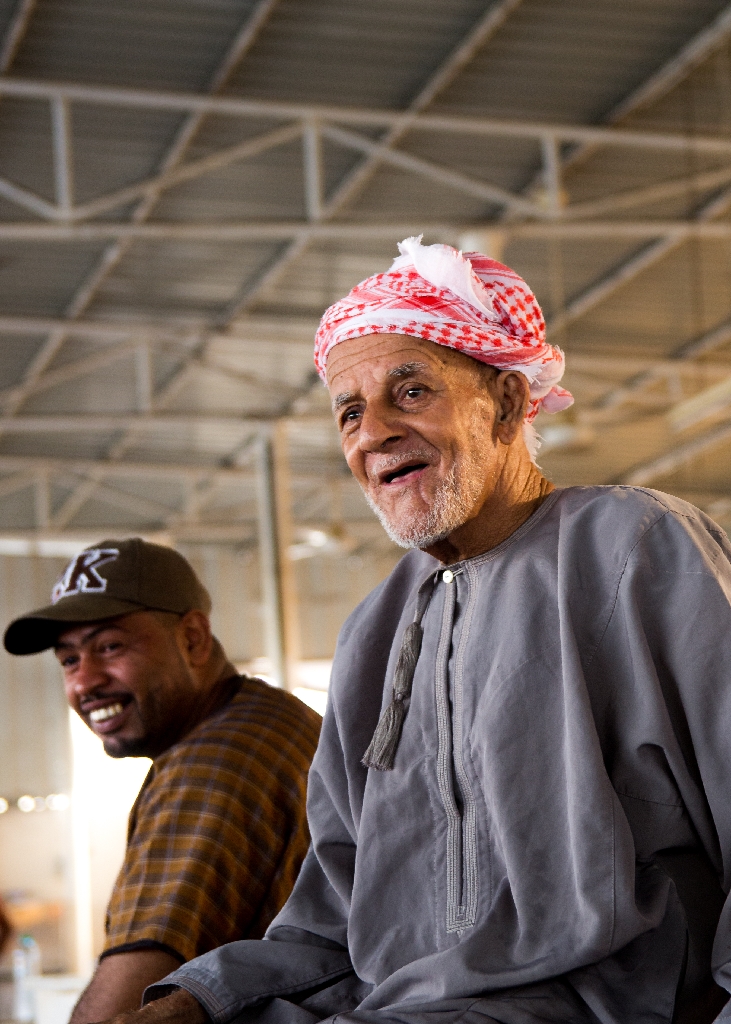
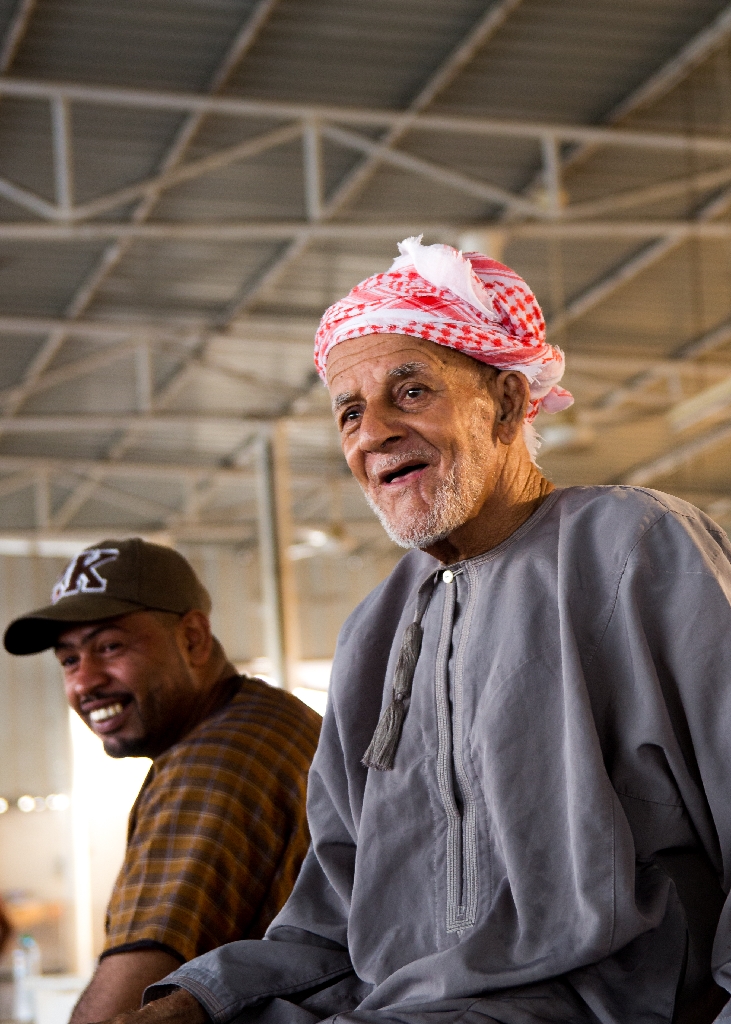
Omanis are prestigious for their warm neighborliness and amicable nature. As an explorer, you will be greeted wholeheartedly and can expect help from local people would it be a good idea for you need any support or direction. During your stay, you’ll feel more at ease and secure as a result of this welcoming culture.

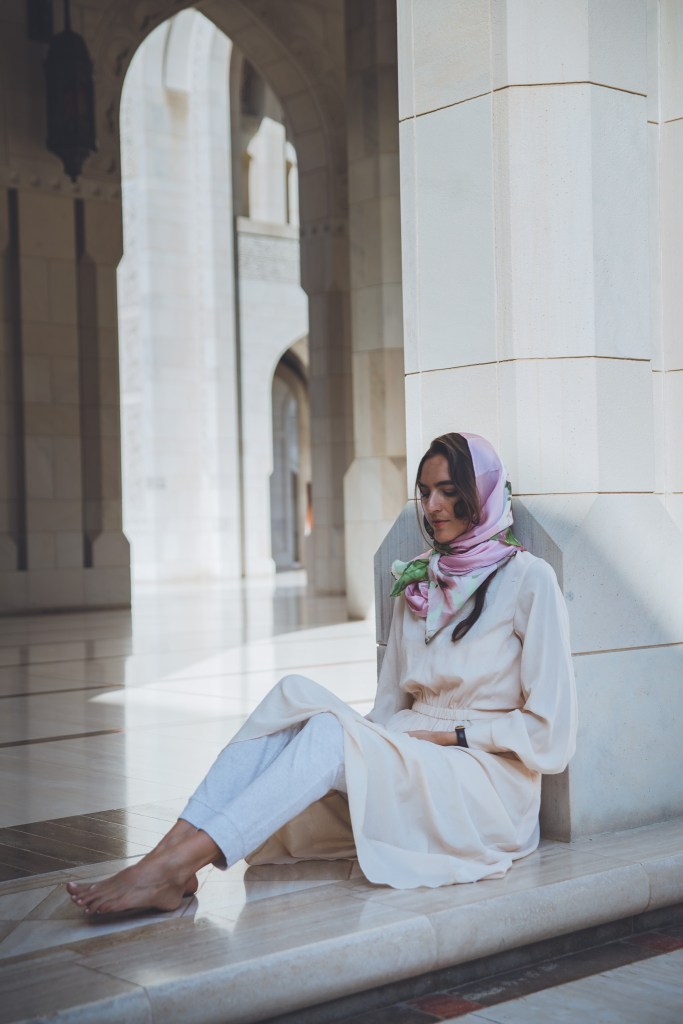
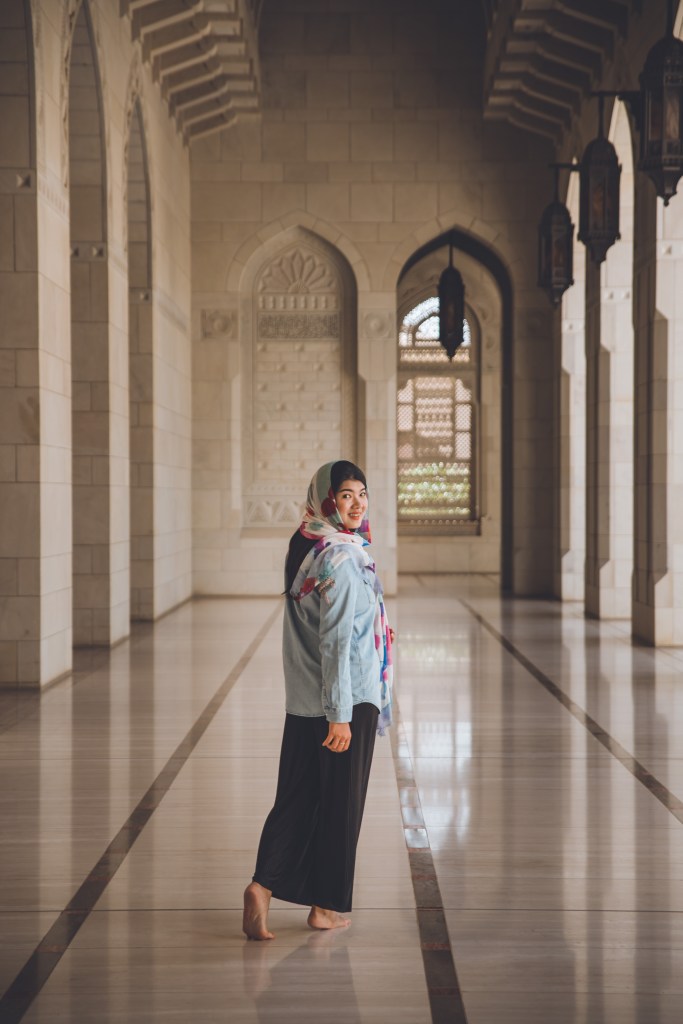
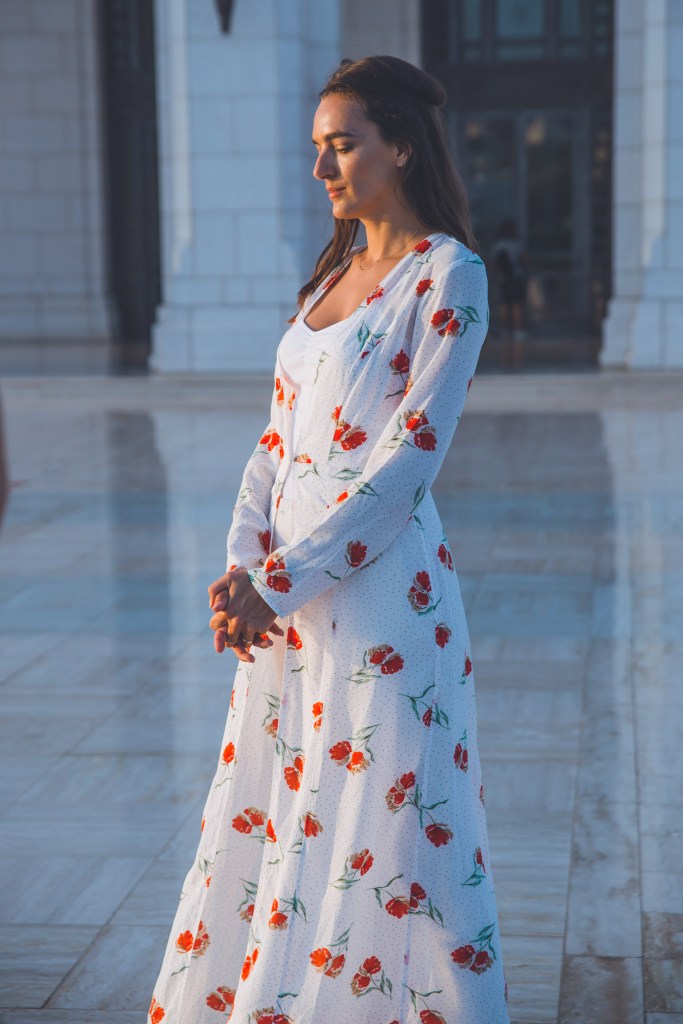
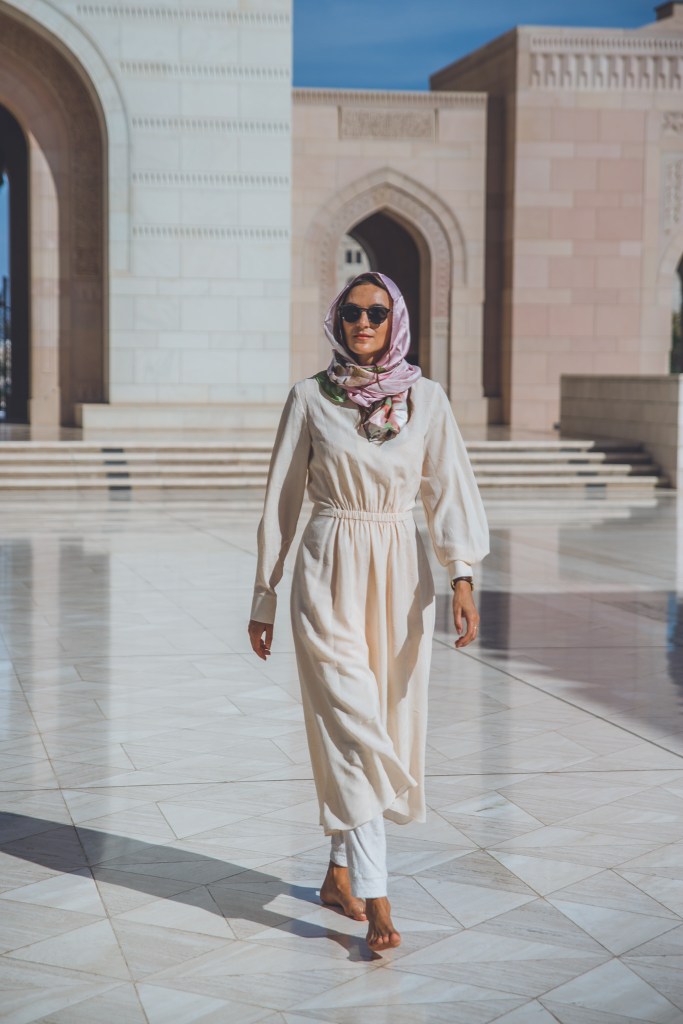
Oman is an Islamic country and they love their privacy specially for women and children. Avoid revealing clothes in public especially at religious places like mosques etc. They welcome you to their mosques, if you wear clothes that cover you decently.


Effective Healthcare System

Oman is proud of its well-developed healthcare system, which provides residents and tourists alike with high-quality medical care. In the event of any unexpected conditions or health related crises, you can depend on the nation’s emergency clinics and facilities to give proficient consideration.

Weather and Climate in Oman:
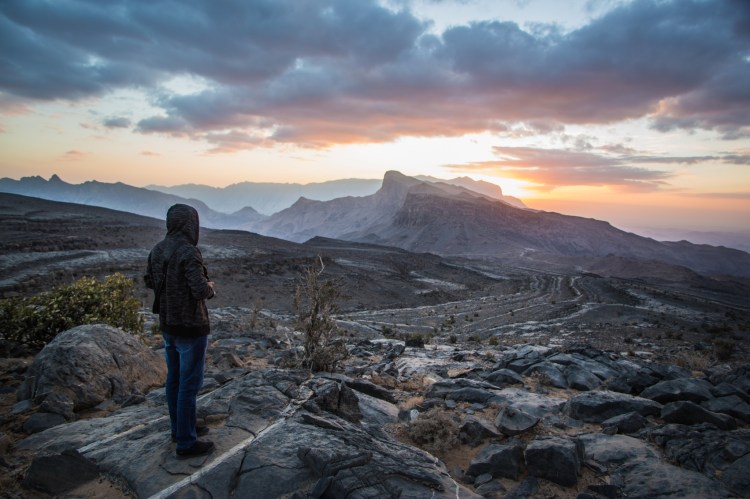
Oman has a mostly dry climate, with warm summers and mild winters. Even though the weather is generally pleasant, it’s important to be aware of occasional extreme weather conditions like tropical cyclones and sandstorms. Although these natural events are fairly uncommon, it’s still a good idea to check the weather forecast and heed any warnings from authorities in your area. Avoid travelling to distant villages during rain as there are chances of slight flash floods in remote areas.

To ensure your safety while visiting Oman, it is essential to take preventative measures. Remain hydrated, particularly during the sweltering late spring months, and safeguard yourself from the sun by wearing sunscreen and proper apparel. Moreover, in the event that you intend to investigate the desert or embrace outside exercises, it’s prescribed to go with a comfortable aide with the locale.

Travel Tips for a Protected Visit to Oman
To guarantee a protected and charming outing to Oman, consider the accompanying travel tips:

Planning and Research : Before going to Oman, learn everything you can about the culture, traditions, and laws there. Learn about the most popular attractions and recommended destinations. You will find plenty of these tips here on my blog. Arranging your schedule ahead of time will assist you with taking full advantage of your outing while at the same time remaining safe.
.

Regard Nearby Traditions and Customs : Oman has a rich social legacy, and regarding the nearby traditions and traditions is fundamental. Be modest, especially when going to public or religious locations. Also, it’s best to avoid showing affection in public because it might be wrong in Omani society.

Follow the Guidelines and Travel Warnings Issued by Your Government Stay up to date on the most recent travel warnings for Oman. It’s critical with comply to any rules or suggestions given by the specialists to guarantee your security.
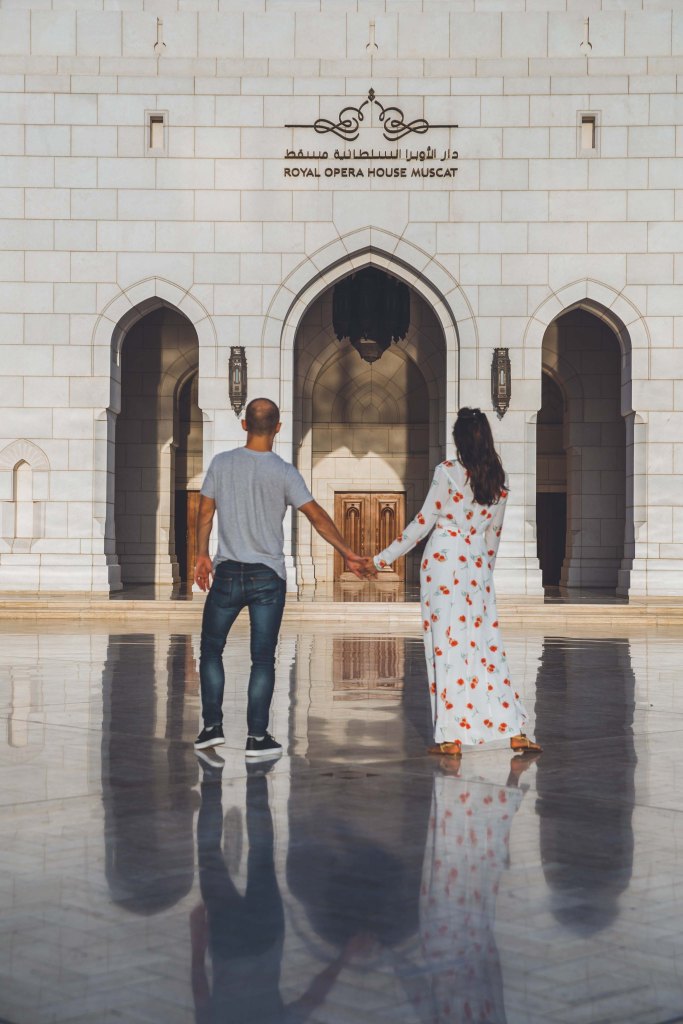
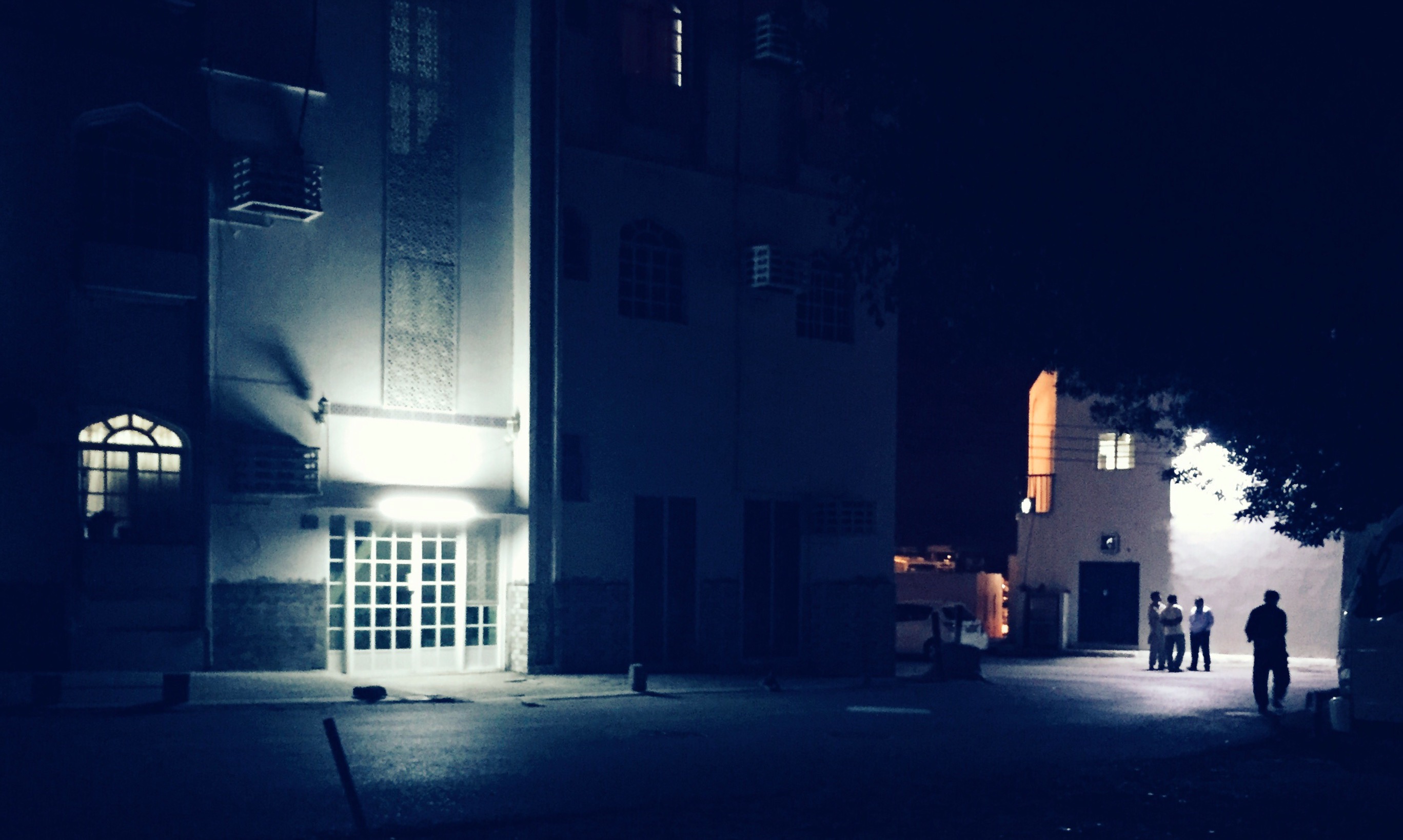
Remain Mindful of Environmental elements: Keep up with situational mindfulness during your time in Oman. Be aware of your surroundings, especially when you’re in a crowded area or a new place. Nighttime exploration of remote or dimly lit areas should be avoided.
Pick Solid Convenience and Transportation

Select legitimate facilities, for example, inns or guesthouses with positive surveys and great safety efforts. For your safety and comfort throughout your journey, choose licensed taxis or reputable car rental services as your mode of transportation.

When traveling to Oman or any other destination, it is highly recommended to have comprehensive travel insurance. Travel insurance gives you peace of mind during your trip by covering medical emergencies, trip cancellations, lost items, and other unforeseen events.

In conclusion, Oman is generally regarded as a welcoming and secure travel destination. For those who want to learn more about the country’s beauty and culture, the country provides an unforgettable experience with low crime rates, a stable political climate, and welcoming locals. You can have a safe and enjoyable trip to Oman if you adhere to the recommended safety precautions, observe local customs, and remain informed about potential natural hazards.

Frequently asked Questions

Q1. Is Oman ok for solo female voyagers?
Yes, solo female travelers can generally feel safe in Oman. Nonetheless, it is prudent to practice alert, dress humbly, and try not to travel solo around evening time.

Q2. In Oman, are there any particular health risks?
Travelers to Oman should be aware that there are no significant health risks. However, before traveling, it’s a good idea to talk to a doctor and make sure your routine vaccinations are up to date.

Q3. In Oman, can I consume tap water?
In Oman, drinking bottled water is generally advised to avoid stomach discomfort. Water in bottles is readily available across the nation.

Q4. Are there any wellbeing concerns while driving in Oman?
Oman is generally safe to drive, but it’s important to be careful and follow traffic laws. Know about incidental careless driving and follow speed limits, especially on parkways.

Q5. Is it safe to visit Oman’s desert regions?
Oman’s deserts can be an incredible experience to explore. Nonetheless, it’s vital to go with an accomplished aide who knows all about the district, particularly on the off chance that you are curious about desert conditions.

P.S. I conduct Photography tours and vacation shoots mostly in Muscat and sometimes other parts of Oman on a regular basis. If you are coming to Oman for few days and want to visit places best suited for photography, checkout my Oman Photography Tour page and if you just want a quick vacation photo shoot in Oman, do check out Book a vacation photographer in Oman. Feel free to reach me on im.zahid@hotmail.com.

Exploring Oman’s Photographic Paradise: A Haven for Travel and Landscape Photography

Introduction

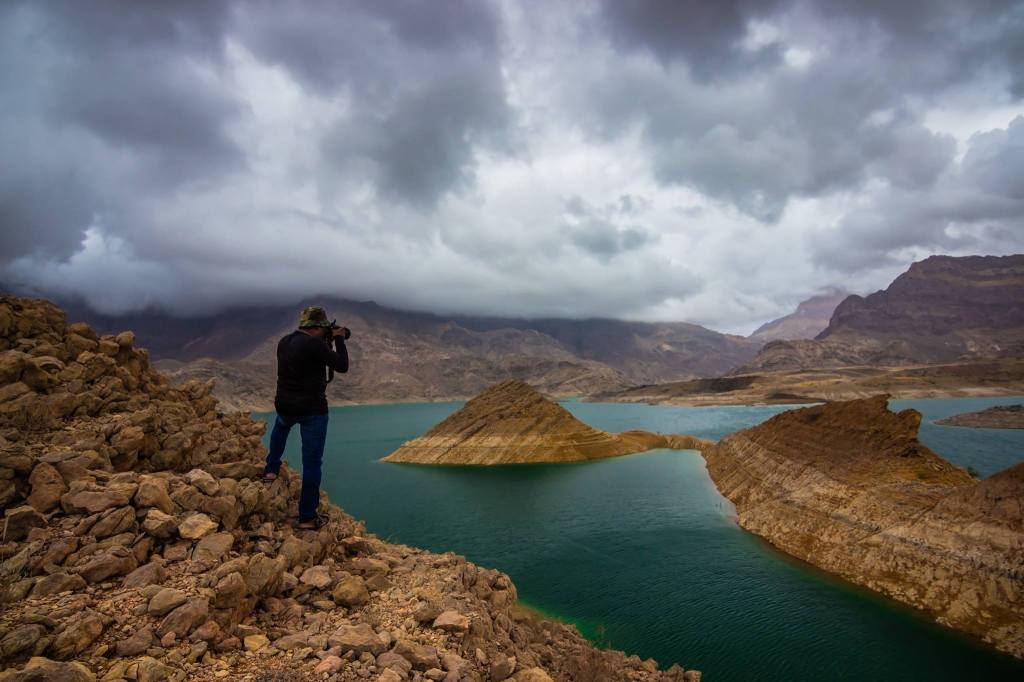
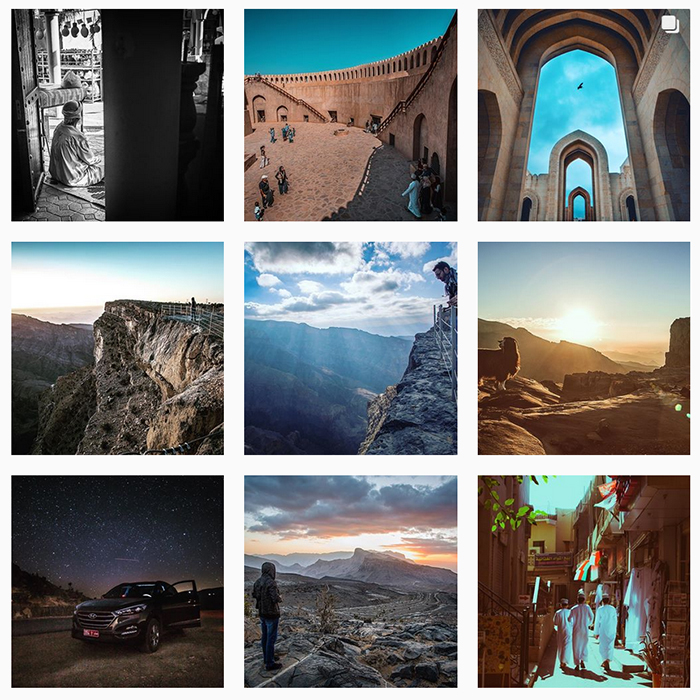
Oman, a breathtaking country in the Arabian Peninsula, is a true gem for photography enthusiasts. From its stunning coastline to its vast deserts and rich cultural heritage, Oman offers an abundance of diverse landscapes and captivating subjects. In this article, we will explore various categories of photography, including beaches, deserts, culture, and more, along with the best places to capture remarkable images in each category.

  1. Beaches: Oman boasts a coastline stretching over 3,000 kilometers, offering photographers a myriad of opportunities to capture pristine beaches and stunning seascapes. Here are some noteworthy beach destinations:

a) Ras Al Jinz: Located in the easternmost point of the Arabian Peninsula, Ras Al Jinz is renowned for its pristine beaches and as a nesting site for green turtles. Photographers can capture breathtaking sunsets, silky sand dunes, and the mesmerizing sight of turtles nesting or hatching.

b) Al Qurum Beach: Situated in Muscat, the capital city of Oman, Al Qurum Beach is a popular spot for photographers seeking a mix of natural beauty and urban elements. Capture stunning shots of the turquoise Arabian Sea juxtaposed against the city’s skyline, palm-fringed promenades, and vibrant sunsets.

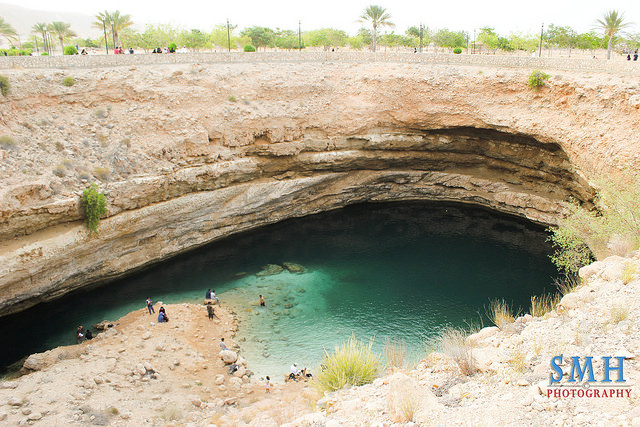
c) Bimmah Sinkhole: Nestled near the coastal village of Bimmah, this natural wonder offers photographers a unique opportunity. The sinkhole’s emerald-colored waters surrounded by rugged limestone walls provide an enchanting setting for striking compositions.

  1. Deserts: Oman’s vast deserts hold a mystical allure, where golden sands meet towering dunes and vast open spaces. Here are two must-visit destinations for desert photography:

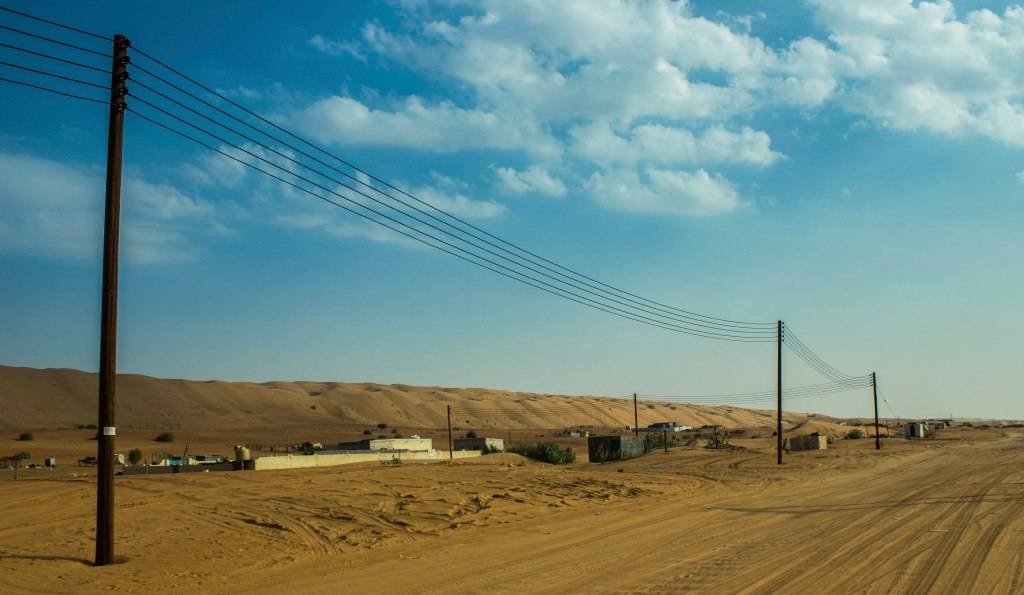
a) Wahiba Sands: Also known as Sharqiya Sands, this desert expanse is a photographer’s paradise. Endless rolling dunes, stunning sand formations, and vibrant sunset and sunrise scenes offer limitless creative possibilities.

b) Empty Quarter (Rub’ al Khali): As one of the world’s largest sand deserts, the Empty Quarter presents an awe-inspiring landscape for photographers. Capturing the vastness of this seemingly endless desert with its towering dunes and shifting sand patterns is a true testament to Oman’s natural beauty.

  1. Culture and Heritage: Oman’s rich history and vibrant cultural heritage provide an array of captivating subjects for photographers interested in capturing the essence of the country. Here are a few notable locations:

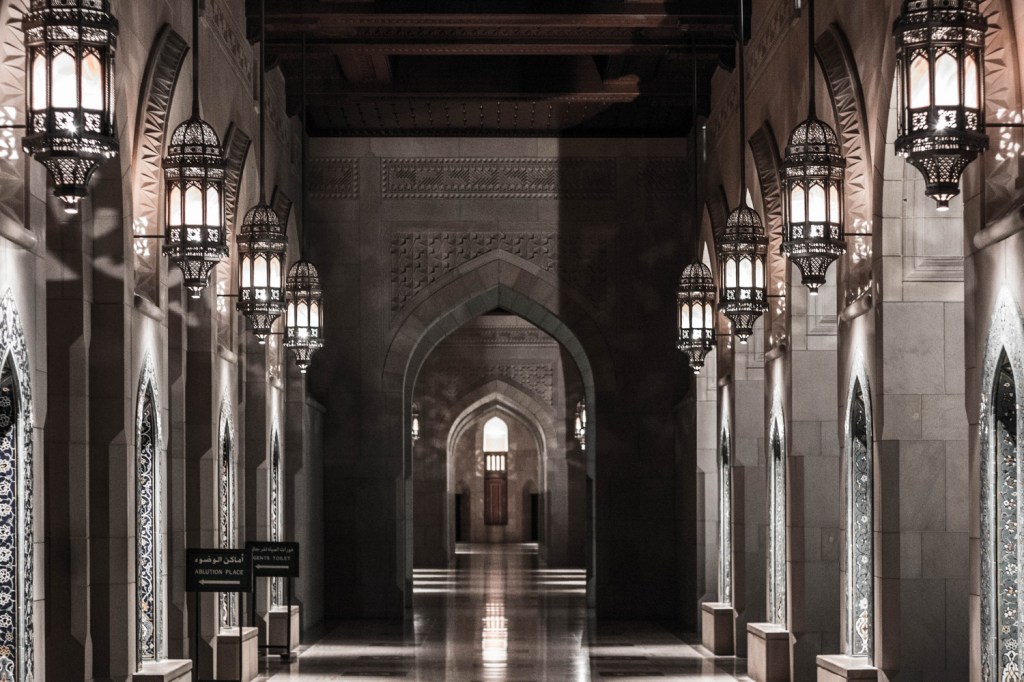
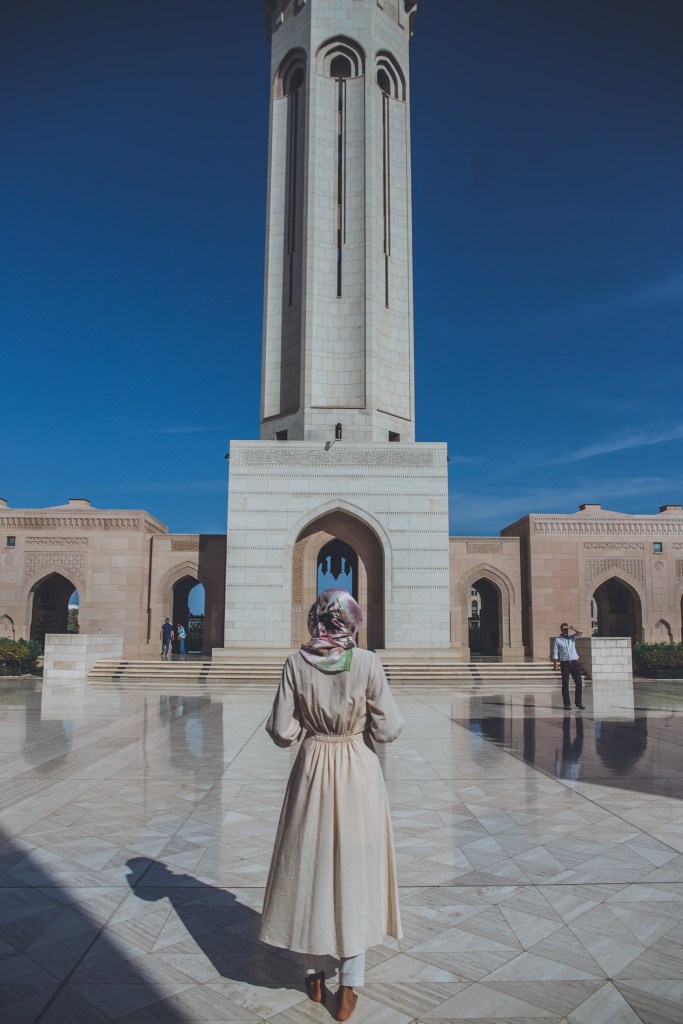
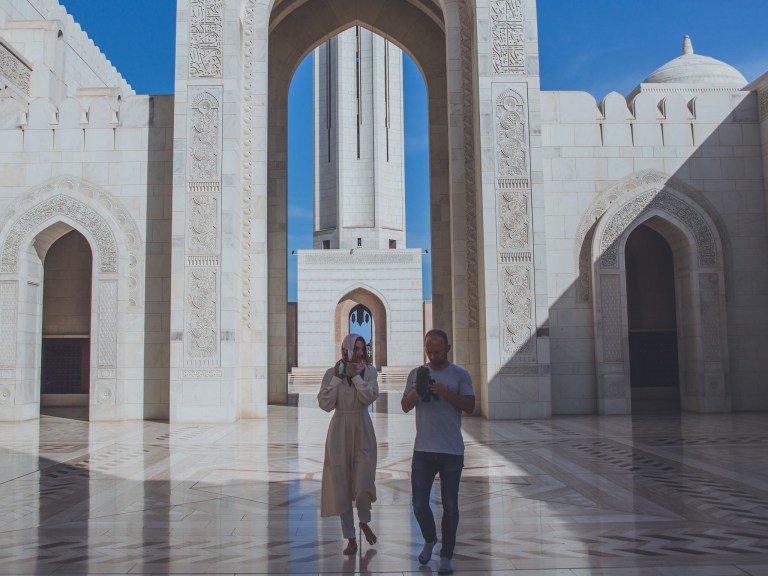
a) Muscat’s Grand Mosque: The Sultan Qaboos Grand Mosque, with its stunning architecture and intricate details, offers a magnificent backdrop for architectural and cultural photography. Capture the intricately designed prayer halls, exquisite chandeliers, and the awe-inspiring main prayer hall’s colossal crystal chandelier and hand-woven carpet.

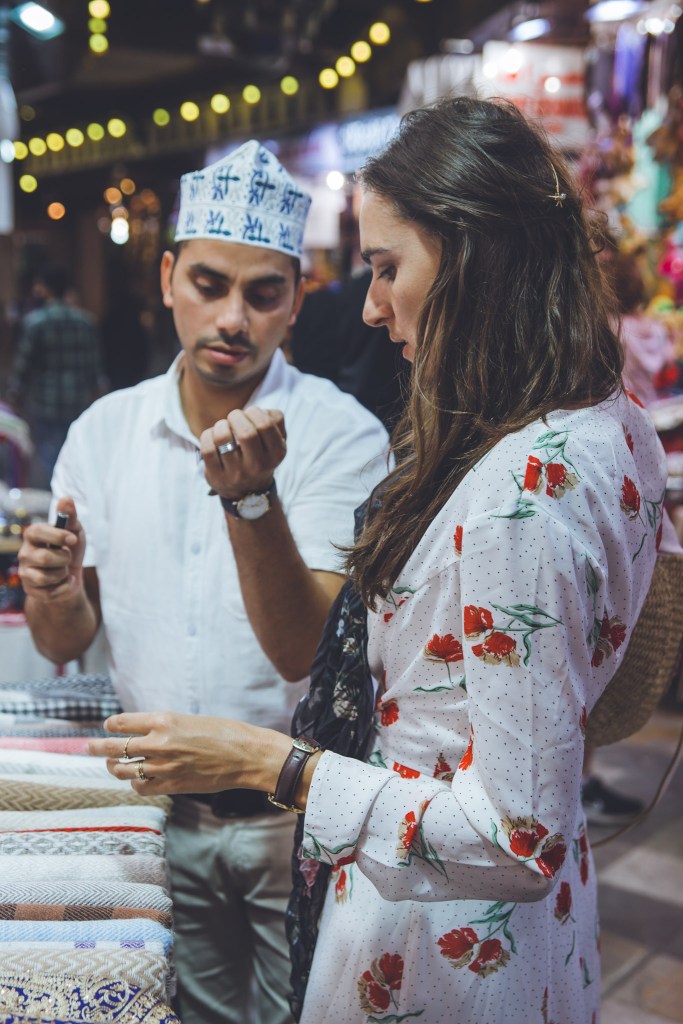
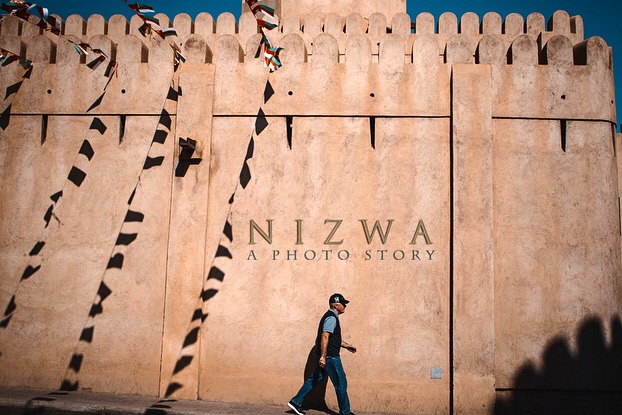
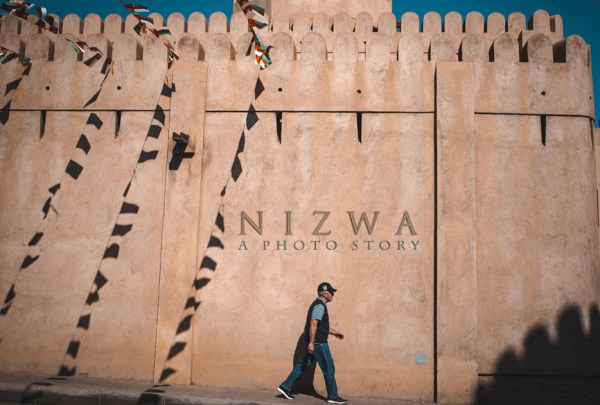
b) Nizwa Fort and Souq: Located in the historic city of Nizwa, the Nizwa Fort is an architectural marvel that provides a glimpse into Oman’s past. Photographers can capture the intricate details of the fort’s design and the bustling atmosphere of the adjacent traditional souq, where locals sell an array of goods.

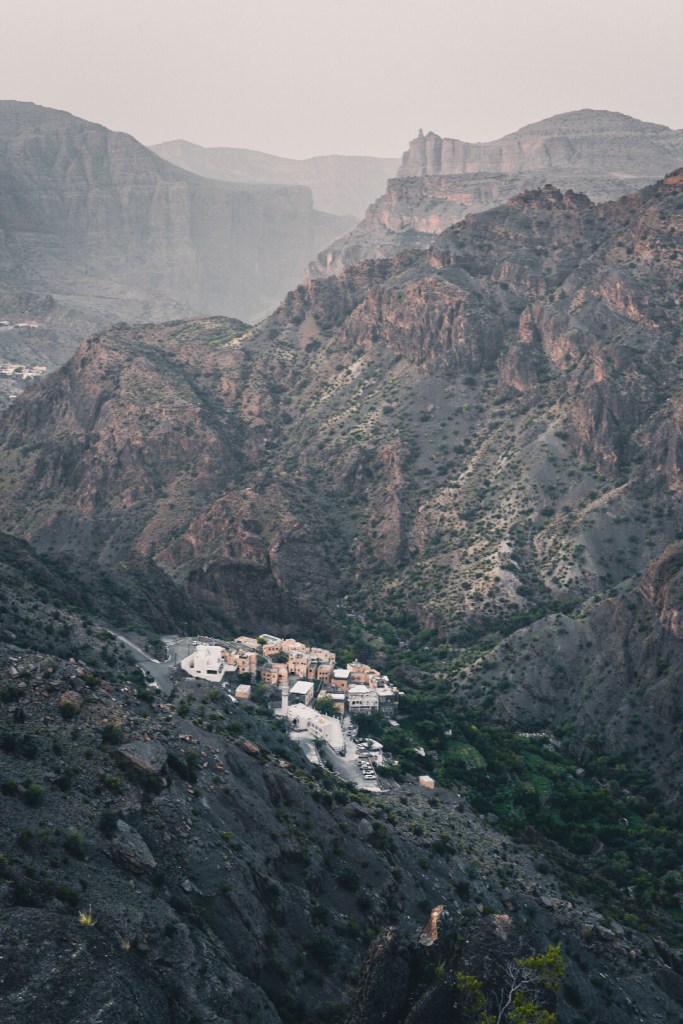
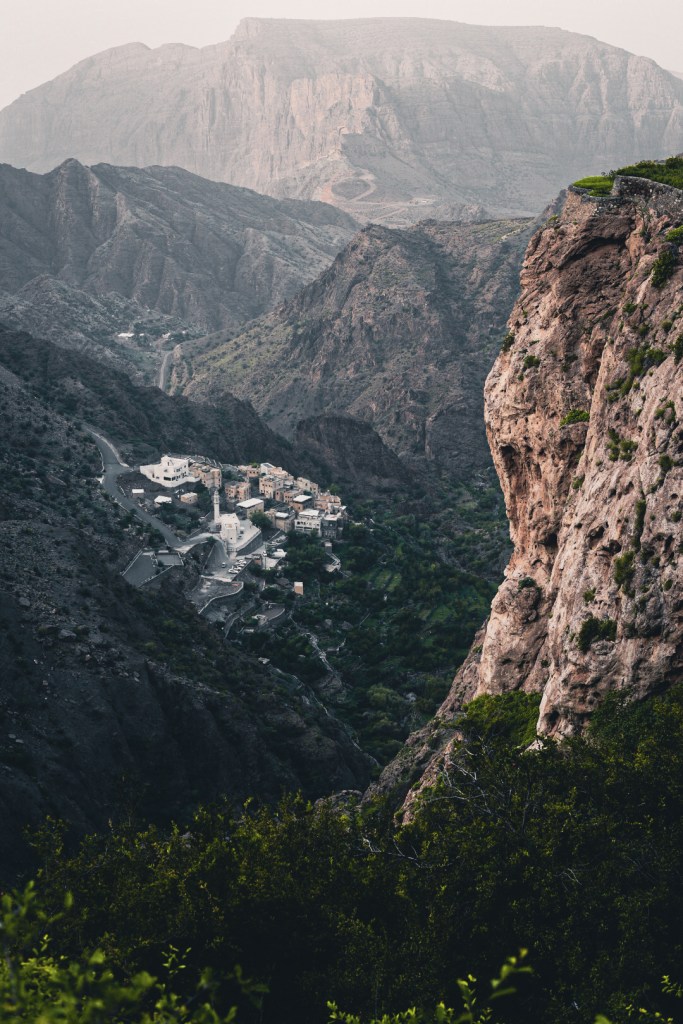
c) Misfat al Abriyeen: This ancient mud-brick village nestled in the Al Hajar Mountains offers a glimpse into traditional Omani architecture and village life. Photographers can wander through its narrow streets, capturing the terraced gardens, palm groves, and beautifully preserved buildings.

Conclusion:

Oman is a treasure trove for photographers, offering an array of diverse landscapes, cultural landmarks, and natural wonders. Whether it’s the pristine beaches, vast deserts, or rich cultural heritage, Oman provides an abundance of photographic opportunities. From the tranquility of the coastal scenes to the breathtaking vistas of the deserts

P.S. I conduct Photography tours and vacation shoots mostly in Muscat and sometimes other parts of Oman on a regular basis. If you are coming to Oman for few days and want to visit places best suited for photography, checkout my Oman Photography Tour page and if you just want a quick vacation photo shoot in Oman, do check out Book a vacation photographer in Oman. Feel free to reach me on im.zahid@hotmail.com.
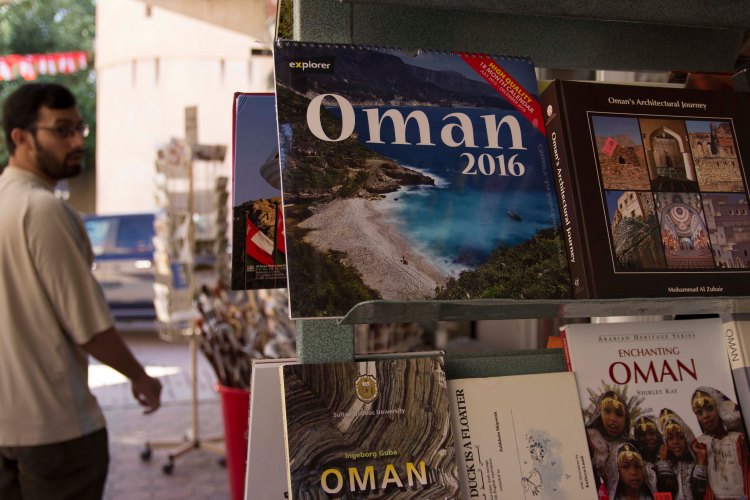
5 places to get best photogrphs in Oman

If you’re new to Oman and looking to capture some great photographs, here are five places you might want to consider visiting:

Sultan Qaboos Grand Mosque: This stunning mosque in Muscat is one of the largest in the world and is known for its beautiful architecture and intricate details. It’s a great place to capture some impressive photographs, particularly during sunset when the mosque is beautifully lit up.

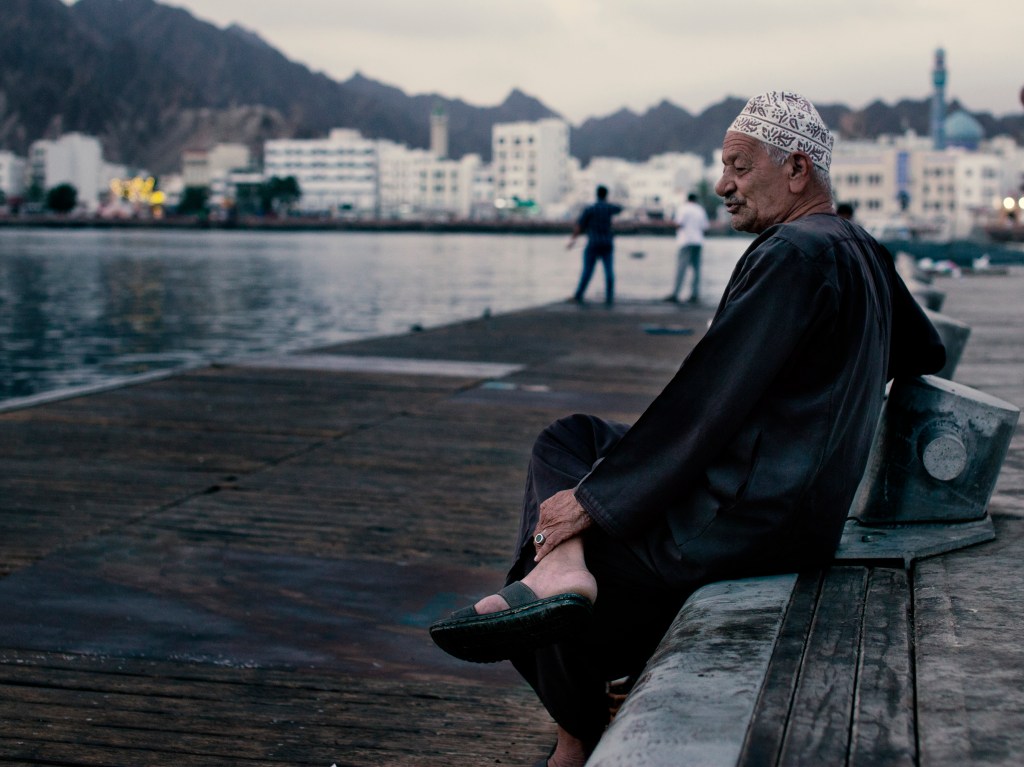
Muttrah Corniche: This scenic waterfront promenade in Muscat offers stunning views of the ocean and is a great place to capture some candid street photography. You can also visit the nearby Muttrah Souq, which is a traditional bazaar with plenty of interesting sights and sounds.

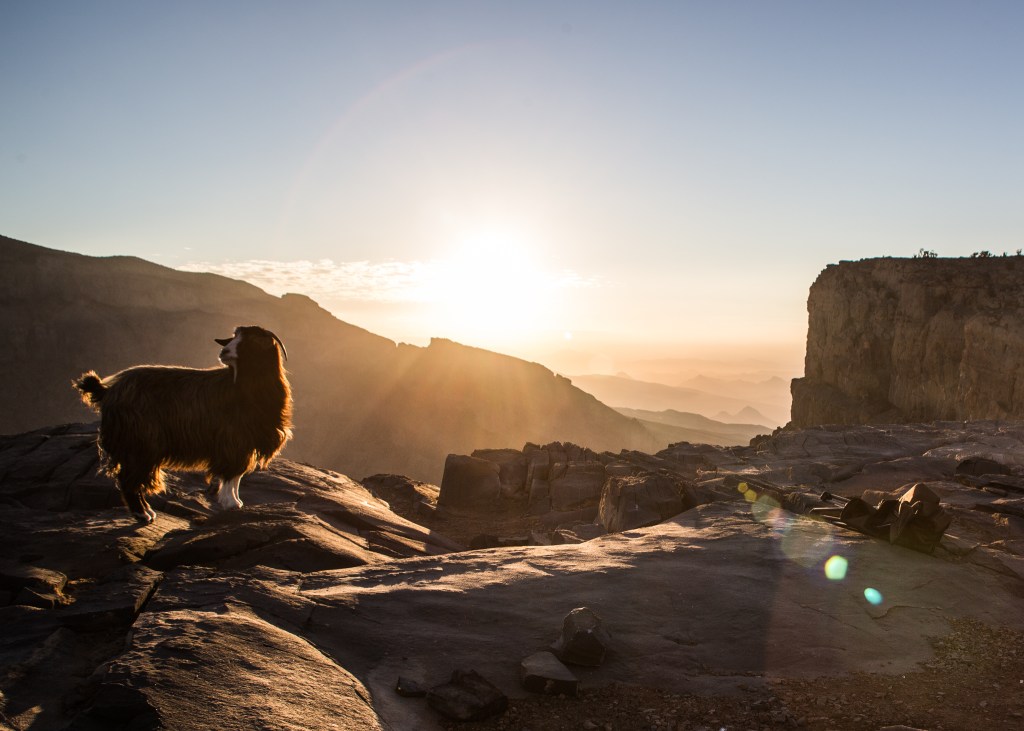
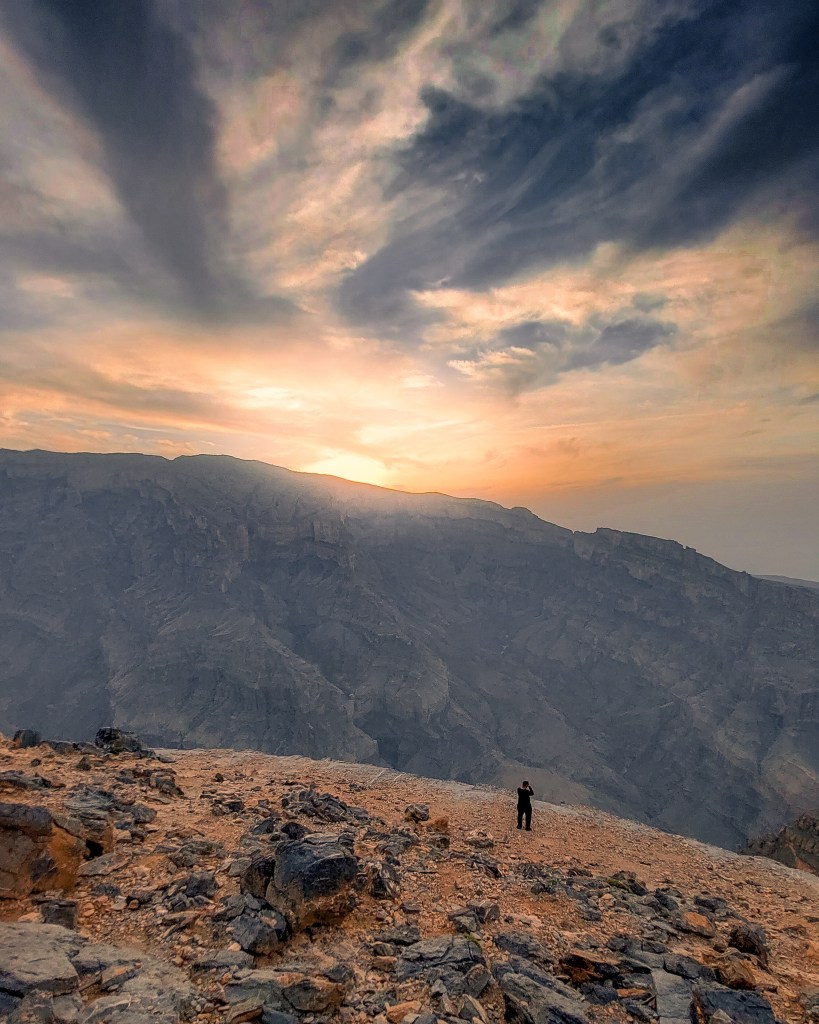
Jebel shams : Jebel Shams is a mountain located in the Al Hajar Mountain range in Oman. It is the highest mountain in Oman, with a peak elevation of 3,028 meters (9,934 feet) above sea level. The name “Jebel Shams” means “Mountain of the Sun” in Arabic.

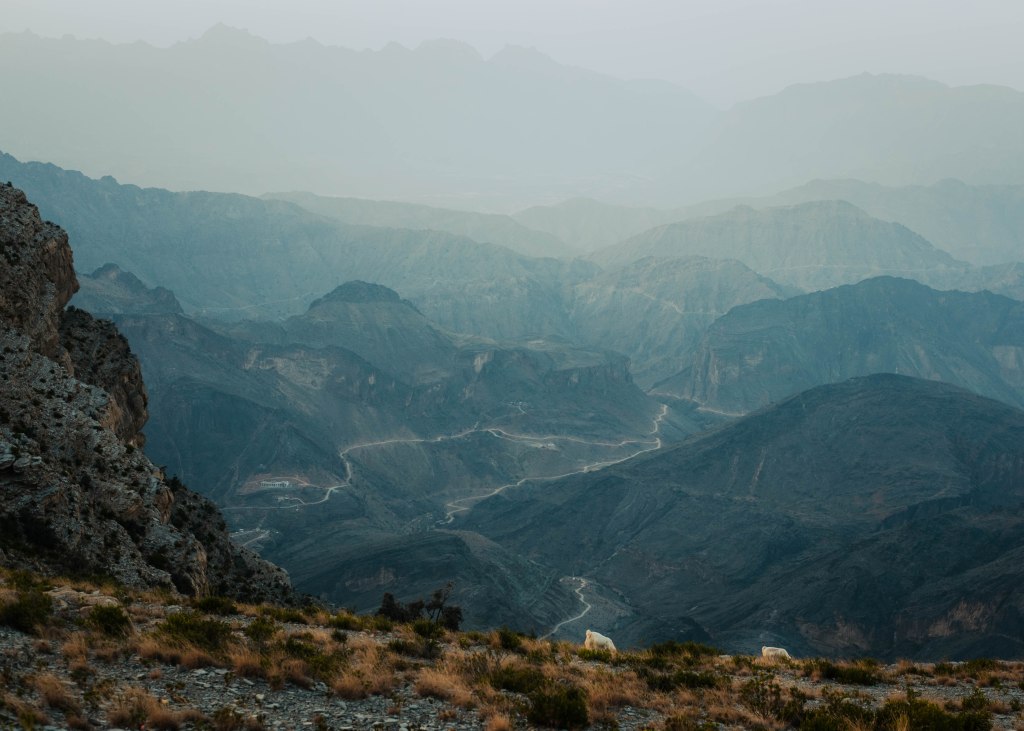
Jebel Shams is a popular tourist destination in Oman, known for its stunning views, hiking trails, and camping opportunities. The mountain is located near the town of Al Hamra and can be reached by a winding mountain road that offers breathtaking views of the surrounding landscape.

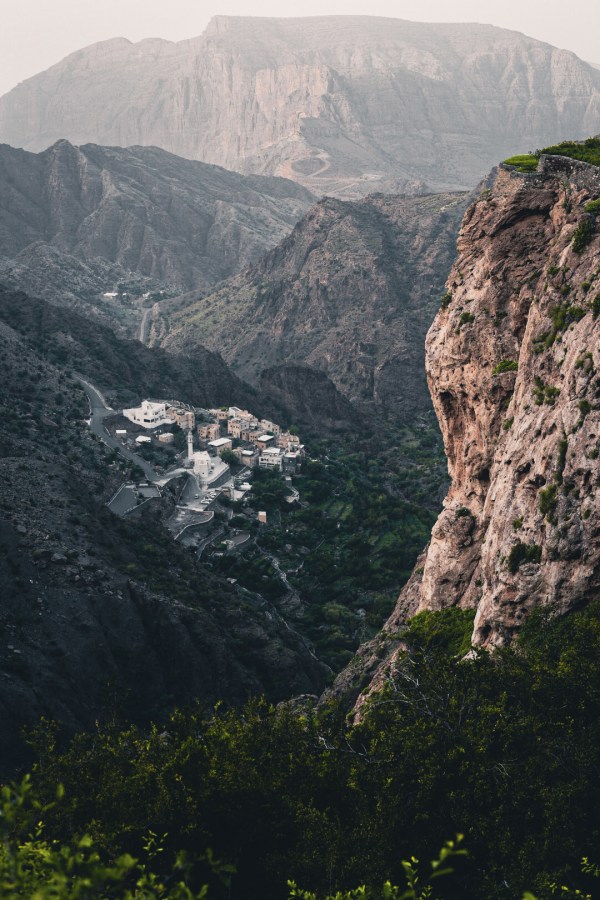
Jebel Akhdar: Also known as the Green Mountain, is a mountain range located in the Al Hajar Mountains of Oman. The range has an average elevation of around 2,500 meters (8,200 feet) above sea level and is known for its rugged terrain, deep canyons, and stunning views.

The Jebel Akhdar range is famous for its cool climate, which makes it a popular destination for visitors during the hot summer months in Oman. The mountain range is also home to several small villages and terraced farms, which produce a variety of fruits, vegetables, and roses, making it a popular destination for agritourism.

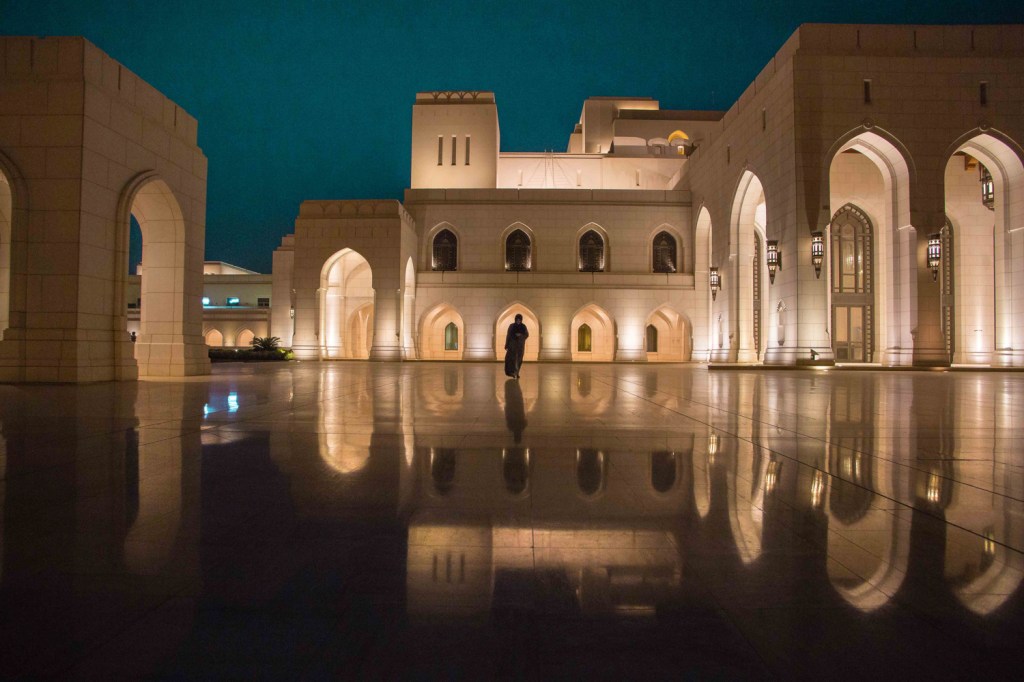
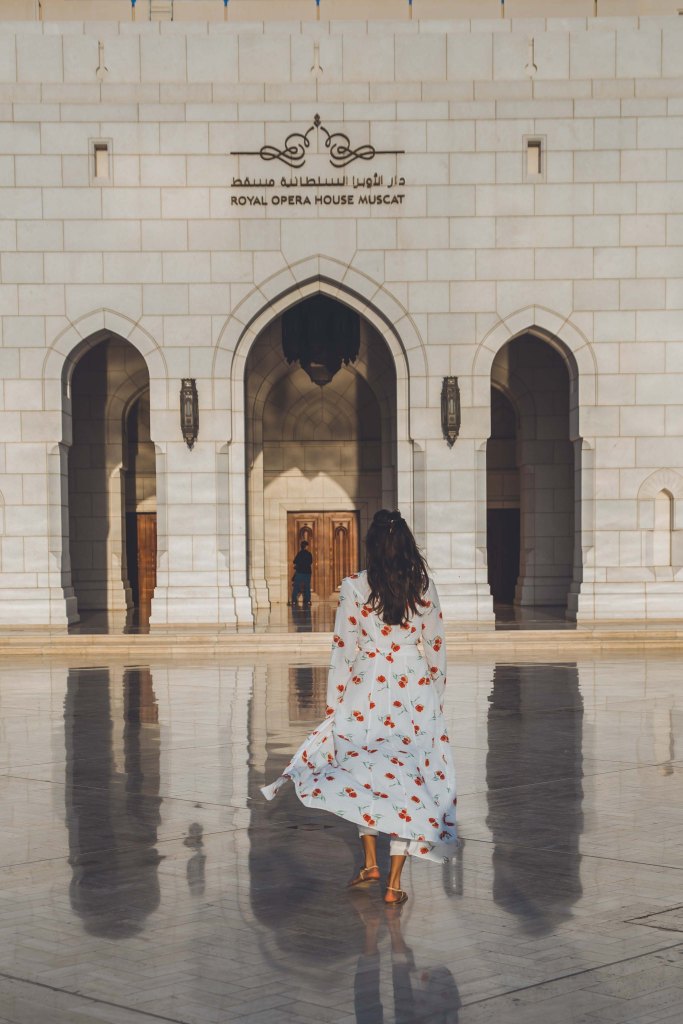
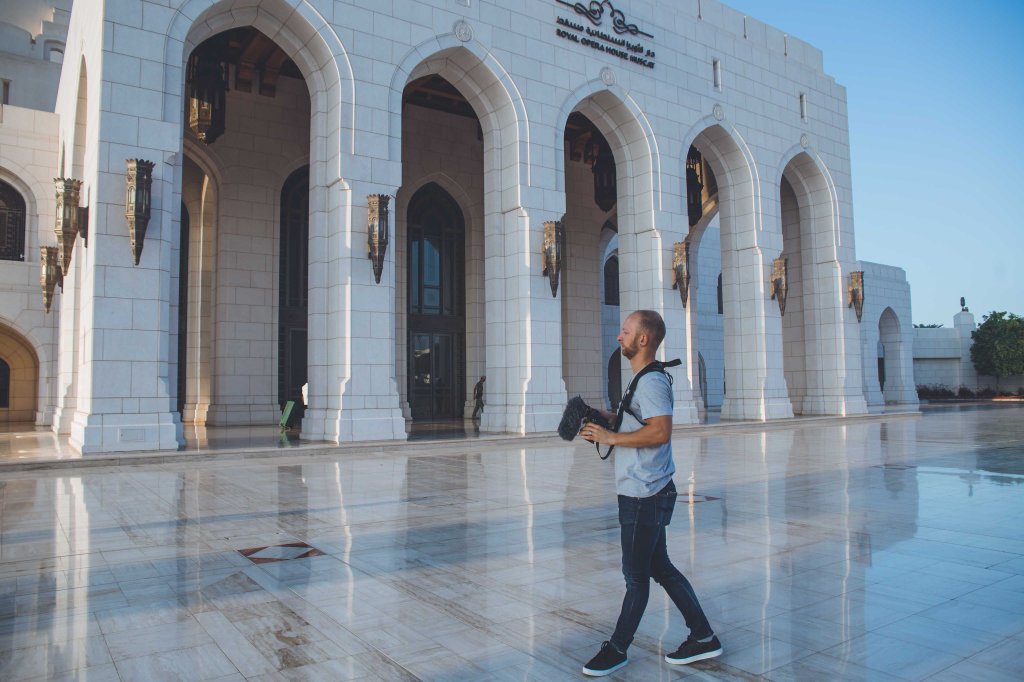
The Royal Opera House Muscat is a world-class performing arts venue located in Muscat, the capital city of Oman. It is the leading arts and culture organization in the Sultanate of Oman and was inaugurated by the Sultan of Oman in 2011.

The Royal Opera House Muscat is an architectural masterpiece, blending traditional Omani and Islamic design with modern technology. The venue includes a 1,100-seat opera house, a 100-seat auditorium, a rehearsal hall, a library, and several restaurants and cafes.

These are just a few of the many amazing places you can visit in Oman to capture some great photographs. Remember to always respect local customs and traditions when taking photographs, and seek permission if necessary.

P.S. I conduct Photography tours and vacation shoots mostly in Muscat and sometimes other parts of Oman on a regular basis. If you are coming to Oman for few days and want to visit places best suited for photography, checkout my Oman Photography Tour page and if you just want a quick vacation photo shoot in Oman, do check out Book a vacation photographer in Oman. Feel free to reach me on im.zahid@hotmail.com.
Muscat – the Arabian Jewel

A quick montage of Muscat city in Oman.

Oman, a nation on the Arabian Peninsula, has terrain encompassing desert, riverbed oases and long coastlines on the Persian (Arabian) Gulf, Arabian Sea and Gulf of Oman.

For photography tours and workshops in Oman contact me at im.zahid@hotmail.com

https://theshadesphotography.wordpress.com
http://www.instagram.com/imrzahid

Whole video was shot on iPhone 6 and Canon 6D and edited on Premiere Pro 2017.

Song used:
“One Last Chance” by BMUSIC Productions
https://www.youtube.com/watch?v=-RR_NVpTQQc

Try these 7 Essential Travel Photography tips

Introduction

Everyone loves vacation. Usually when we travel, no matter how far and wide, new or beaten path, we all love to document our experiences.

Sometimes it’s our our simple vacation to some nearest locations for a change. Or sometimes we do travel to get some inspiration for our photography.

Travel photography is by far the most loved genre of photography. Here are few tips that will surely help you maximize your productivity while doing travel photography.

1. Pick the right gear.

Selecting proper gear is of prime importance in my opinion. It somewhat depends upon the purpose of vacation. Very few people actually travel only for photography. Majority of people just want to clear their minds. They want to enjoy and have a good time. And in the process they want some good photographs.

The key is to travel as light as possible. For me its just one camera body with one walk around lens. I try not to pack a complete camera bag with 2,3 lenses, laptop and accessories etc.

I always take my canon 6D with sigma 24-70 f2.8 lens. Yes I do miss 20mm focal length for landscapes and 135mm for street portraits. But keeping just one camera-lens setup forces me to look for creative alternatives.

Check out my article on Contrastly : How a single camera and lens can improve your photography. In this article Inexplained how I used Fuji x70 during my entire vacation. It has a fixed focal length of 28mm. If you are into street photography Fuji x70 will be your perfect partner. Check my review of fujix70.

2. Document your own Journey too.

It’s very easy to dive too deep into photography while You are on your vacations. Remember, vacations are meant to enjoyable and if you are too serious about your photographs, you will end up feeling exhausted by the end.

Document your entire journey along the way. Take photographs of your car, hotel room, restaurants where you dine and any tour guide or local food. Capture all the crazy and silly moments. Its these photos that you will cherish after 10 years.

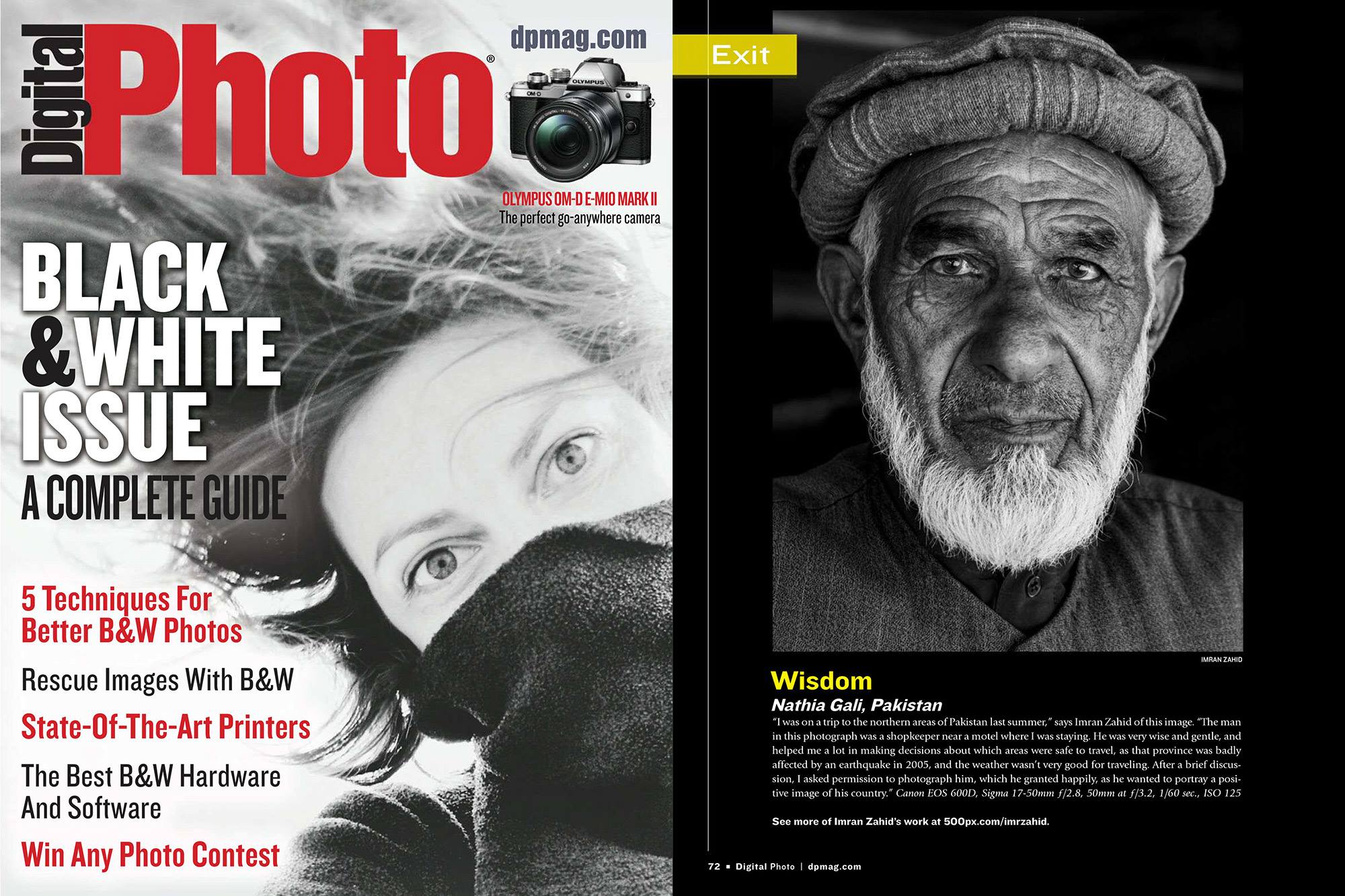
While documenting all these things, you might get a lot of good professional photographs as well. I always try to take proper portraits of people I am interacting while I am on journey. I met one old guy (shop keeper) once on my vacation. I took his portrait and that picture ended up as full page feature on Digital Photo Magazine.

My Travel Photo as a full page feature in DP Mag

3. Hire a Local Photographer as guide.

Not all of us can afford a tour guide, yet alone a photographer guide. But if you are serious about photography or you are on some project, hiring a local photographer will go along way.

Local photographers knows all about the place. they know which time and location is best for which type of photograph. They know where permissions are required and where you can simply sneak and take your shots quickly.

You can search local photographers on instagram. Contact them using DM and describe what you want exactly. Once agreed on a price, you are good to go. I used that concept and now I started my own business based on this.

If you are coming to Muscat,Oman, feel free to contact me ( im.zahid@hotmail.com ) for any photography tour, Photography workshop or on-location vacation shoots.

4. Make the Most out of your time.

Unless you are on a specific project, don’t be too eager. Divide your day time into chunks of time for photography and leisure. Golden and blue hours are definitely important and should be taken seriously for good landscape and outdoor portrait shots.

But after sun is high enough or after dark, still you can do a lot. Harsh light might be bad for landscapes but it is very good for street photography. You can make use of strong light and shadows during this time while walking inside markets and pathways. Night time is good for documenting night life of a city. Even same place looks enitrely different during daylight and night time.

So use your time wisely. Also use bad light for your leisure as much as possible. I usually take a sandwich or some snacks during actual shoot and go to restaurants, movies,shopping and meeting friends during bad light. That way I utilize my time more efficiently and balance my photography/leisure time.

Light and shadows

5. Do your Homework.

It doesn’t matter whether you hire a local guide, photographer or you have a friend. Always do your homework before going to vacation. Always search for worthy locations and local activities. It will help you in making a blue print of what kind of photographs you might end Up when your vacation finishes.

When you are hiring a guide or photographer, always contact them and discuss these in advance. Check with your fellow photographers or friends who have been there. Once your homework is done. It will be much easier for you to check if everything is going in a right direction or not.

6. Mingle with locals.

If you really want to make the most out of your vacation, try to communicate with locals. I know, when you are travelling to distant places, there is a language gap. But you will always find someone that can do it for you or someone that knows a little bit of English.

Communication with locals open new areas for you. You might get unexpected opportunities of photography. Your knowledge will widen as you start communicating with them. You will start to know their customs and traditions etc.

I always communicate with locals and try to capture the real essence of that area. For street and portrait photography, it is the best strategy.

7. Don’t Compromise on your Safety.

Not all countries and cities are completely safe. Even some of the safest countries have few cities that are not safe. So, if someone informs you about something, do take it seriously. If you end up losing your expensive gear or get injured, it will ruin your vacation.

Don’t try to look too overly classy. Hide your brand name on your gear. Keep your eyes open if you think something fishy is going around. Always check with locals about security situation if you are in a city that has a bad reputation.

Some places require permission from certain authorities before taking pictures. Check for these things from local guides or hotel staff first.

Conclusion.

The key to good travel photography is a combination of being at the right place at right time. Whether you are a PRO or an amateur photographer. Whether you have an expensive camera setup or a simple point and shoot. These travel photography tips will still be applicable to you.

And last but not the least. Travel photography is supposed to be fun. So keep it that way. Don’t stress out if you are not getting good shots. Just keep your cool and make use of your time based on my tips while enjoying your vacation.

Peace.

It’s time to break following 6 Cliches in your photography

Photography is an art form. And ART is subjective in nature. It is difficult to define what is cliche and what is not. But, there are certain types of photographs that are too common over the internet and normally they are considered as a cliche.

Cliches are called cliches for a reason. They all started as a normal thing. Normally they are very good ideas and that’s why they became so popular in the first place. But at some point their overuse by people make them a cliche.

With the ever growing market of cheap consumer level DSLRs and PRO phone cameras, Everybody is now a photographer. If you are somewhat serious about the art of photography, you need to stop doing following photography cliches and start bringing your own creative touch in your photography.

For dedicated Photography Workshop in Oman. See here
For dedicated Portrait and Lifestyle photo sessions in Oman. See here

1. Always using Black and White for Street Photography.

We all at some point or another, tried our hands at street photography. It looks artistic and classy. But why everyone is converting their street photographs to black and white?

Most of the famous street photographers had their work in black and white because they belong to black and white film era. At that time, either color cameras were not present or too expensive. So, their work is mostly in black and white. Most of the iconic street photographs are black and white.

Now that we have powerful DSLRs, there is no need to go for that look. Only go for black and white if it makes sense. Lets suppose, you want to get rid of uncontrolled distraction (different colors of cars and sign boards that don’t go with your color theme) or you want to emphasis on light and shadows.

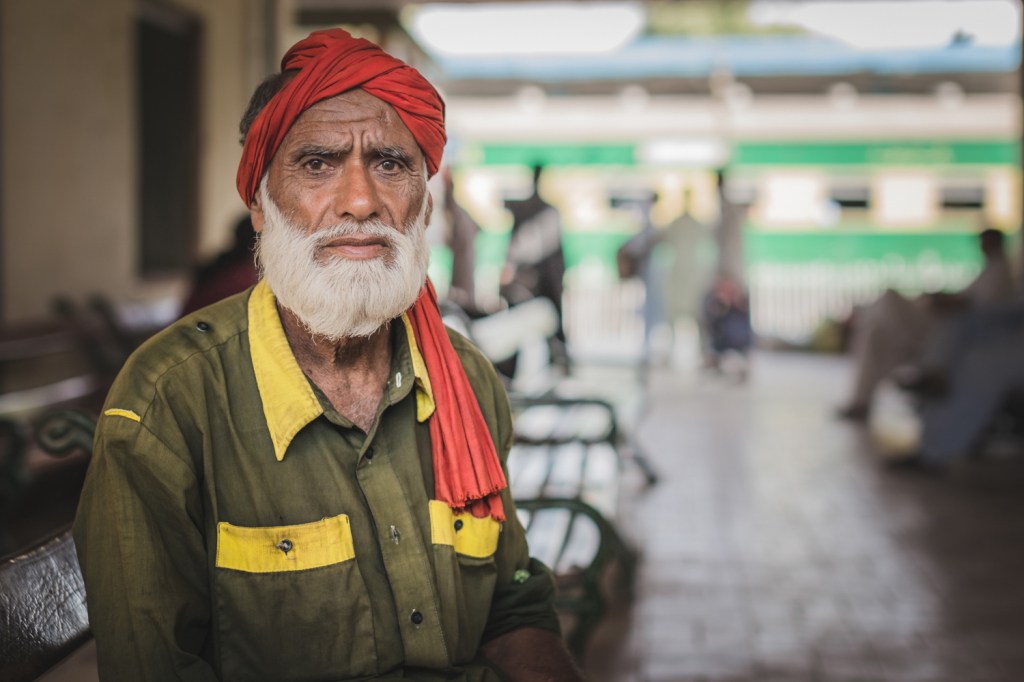
The first image here is of a Porter on Karachi Railway station. Black and white won’t work here as people will not able to distinguish his specific Green,yellow and red uniform.

Porter on Karachi Railway Station

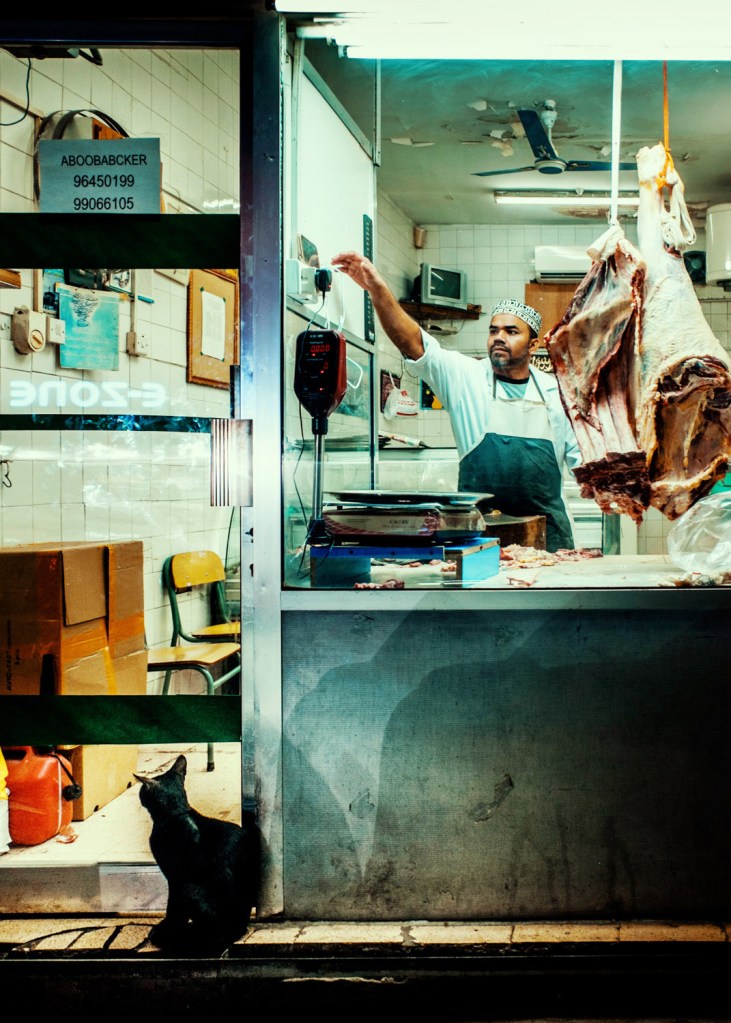
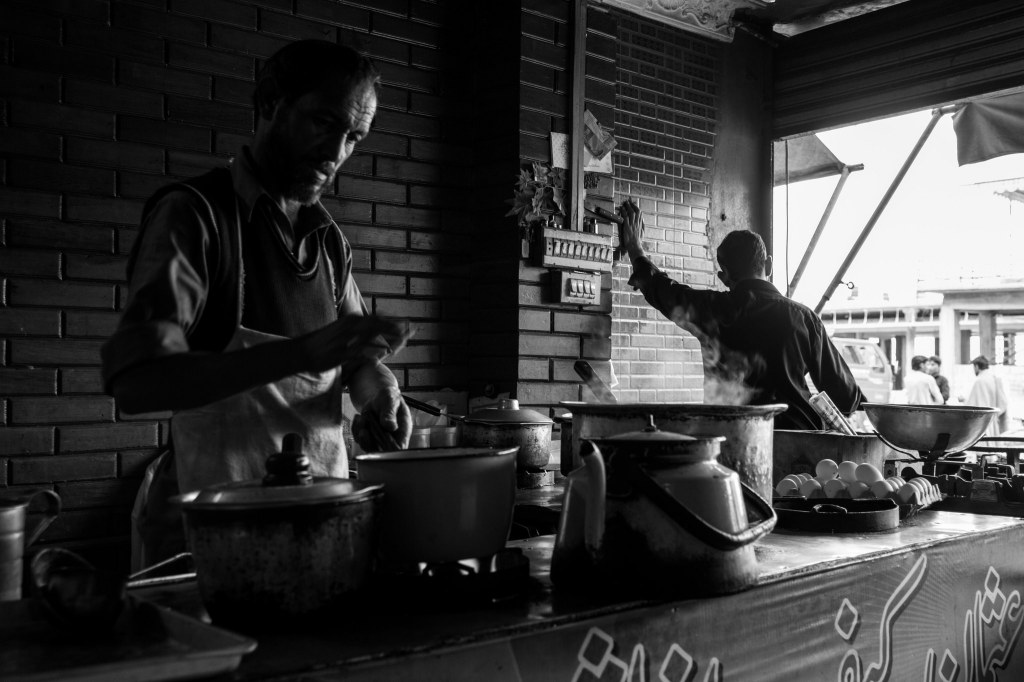
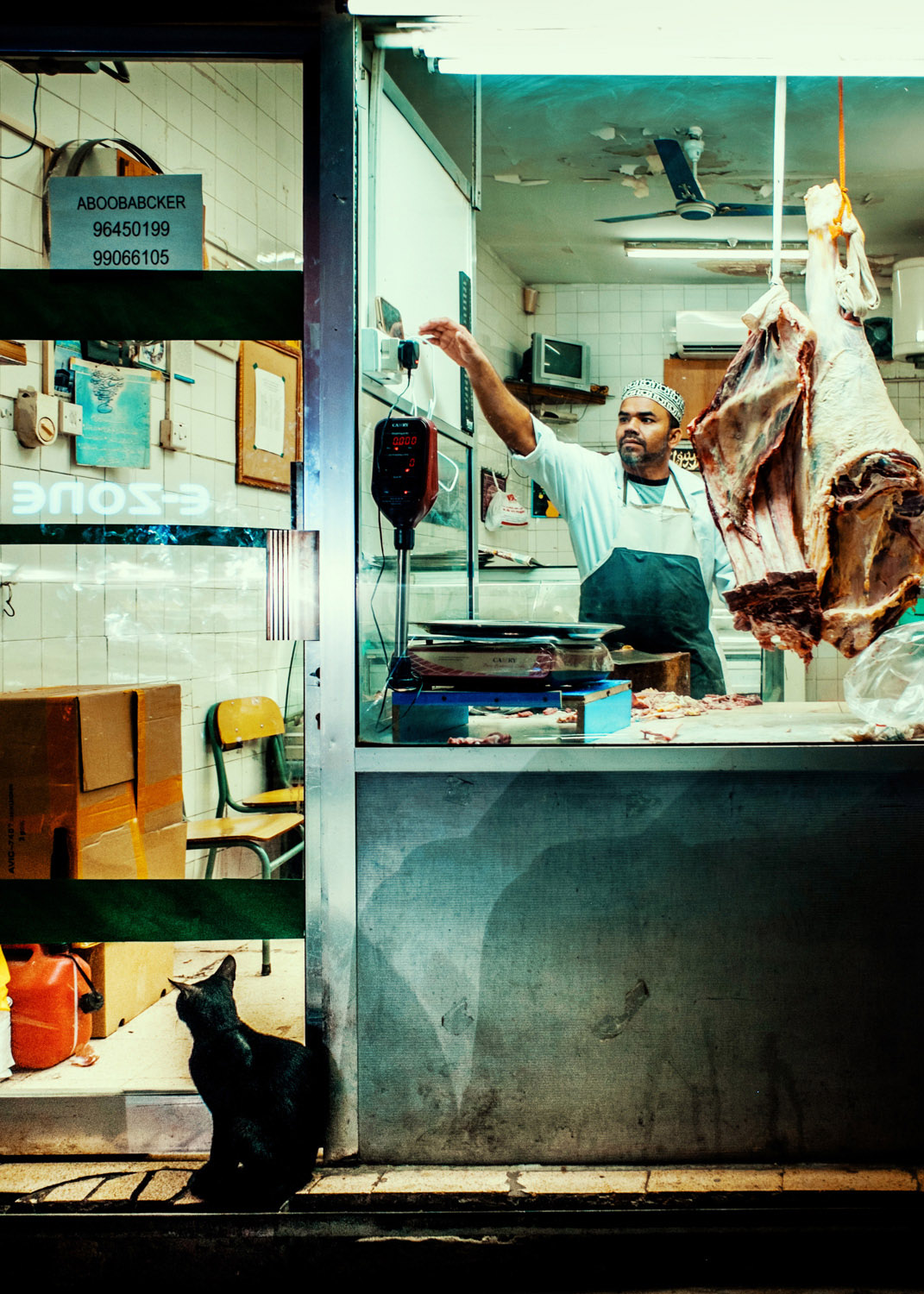
This second image is of a butcher in Muscat city. This whole image is pretty much teal in color and converting it to black and white will render an image with very less contrast.

Black and white is a creative choice. Don’t blindly use it because most famous street photographs are in black and white . Understand its PROs and CONs and do it creatively.

Butcher in Muscat

2. Punchy High Dynamic Range (HDR) images.

High dynamic range photography is a process where you capture multiple images. One for each shadows, highlights and mid tones. You blend them together to make an image with details in both dark and bright areas. It all started when camera sensors were not that strong as they are now a days.

Today’s consumer level DSLRs and even high end point and shoot cameras have very powerful RAW image processors. All you have to do is to adjust highlights and shadows along with blacks and whites and you are good to go. 

Processing single RAW file will give you much better and natural results than blending multiple images. Yes, HDR blending has its own place. It comes handy when there is too much contrast in a single image. But overall HDR images look unnatural and over processed.

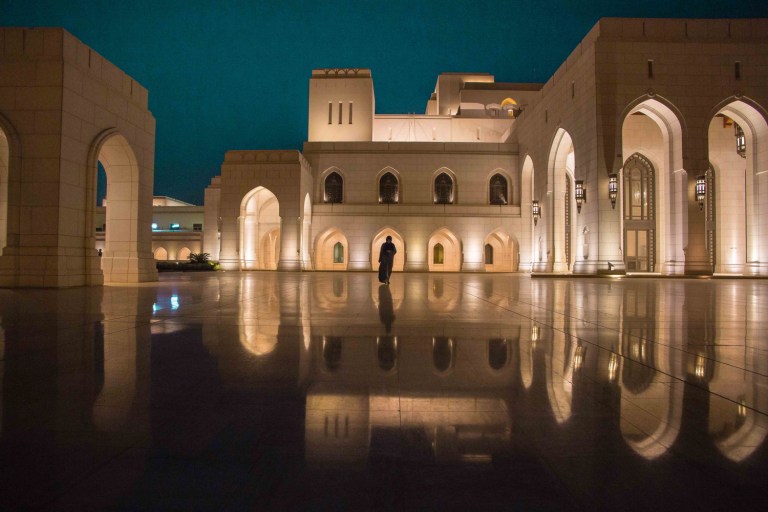
Both of the images here are HDR images of a Mosque from a single RAW file. I only used shadows and highlights adjustments to bring details in specific sections. You can see the details in both bright and dark areas.

Grand Mosque Muscat
Grand Mosque Muscat

3. Sticking to rule of thirds at all time.

Almost everybody know the rule of thirds. It’s the first rule that you learn when you start learning composition in photography. Rule of thirds is very scientific in nature and 9 out of 10 times it gives you good results. And that makes it a Cliché.

There is a famous saying that ‘Rules are meant to be broken’. It’s true. Just by deviating away from some industry standard will automatically make you stand out among the crowd. But it has to be done with care. You can avoid the rule of thirds in symmetrical compositions very easily. You can avoid it in minimalistic shots as well.

With practice you will come to know when you will get better results by not following this rule. Whenever you shoot some picture, always experiment with different versions. Rule of thirds is a good starting point for your composition. But since everyone uses it all the time, it’s a bit boring.

Alternatively, you can place your subject in extreme sides or corners and still make an attractive composition by placing some elements on opposite side to balance it.

Both the sample images here doesn’t strictly follow rule of thirds but still they have an interesting balance and composition.

Royal Opera House Muscat
Jebel Akhdar Mountain

4. Following histogram religiously.

Histogram is very powerful tool that lets you decide whether you have a properly exposed picture or not. Understanding histogram is of prime importance. Just by looking at it, you can tell whether you have pure whites or pure blacks in your image, i.e. whether you lose details in highlights and shadows or not.

The problem is, histogram only tells you the range of the brightest and the darkest pixels in your image. It doesn’t know what you want to shoot actually. If you want to shoot low key or high key image, the histogram will show that you are clipping shadows or highlights. In this particular case, I want to shoot a low key silhouette image in Muttrah Souq, Oman. It is ok since I deliberately want to clip both shadows and highlights. It’s your creative decision.

High contrast image with histogram

Histogram is also good when you have an inconsistent LCD screen on your camera. Camera LCDs are normally much brighter than actual image is. Sometimes the image looks properly exposed on screen, but actually it’s a bit underexposed. You have to pull shadows in post later on to balance it and it will introduce some noise.

Checking histogram will tell you this at the time of the shoot. You can adjust your settings in camera, and you don’t have to push it in the post. You must know how to read a histogram. But you should also know when to follow it and when to follow your own creative guts.

5. Using Image Borders

Gone are the days when the only outcome of photography is the wall mounted frame. This age is the age of social media. Yes, wall hanging frames still have their own place. You can’t deny that. But making your image compatible over the internet is important.

People normally add borders because of two reasons. Either their frame corners are not tight enough and they need some sort of borders to keep it under boundary or their subject is not prominent enough.

Try framing your image in a way that it naturally creates a border around your subject. You don’t have to use frames within frame technique all the time. Just try to look around the edges of your frame and place something strategically to guide viewers’ eye.

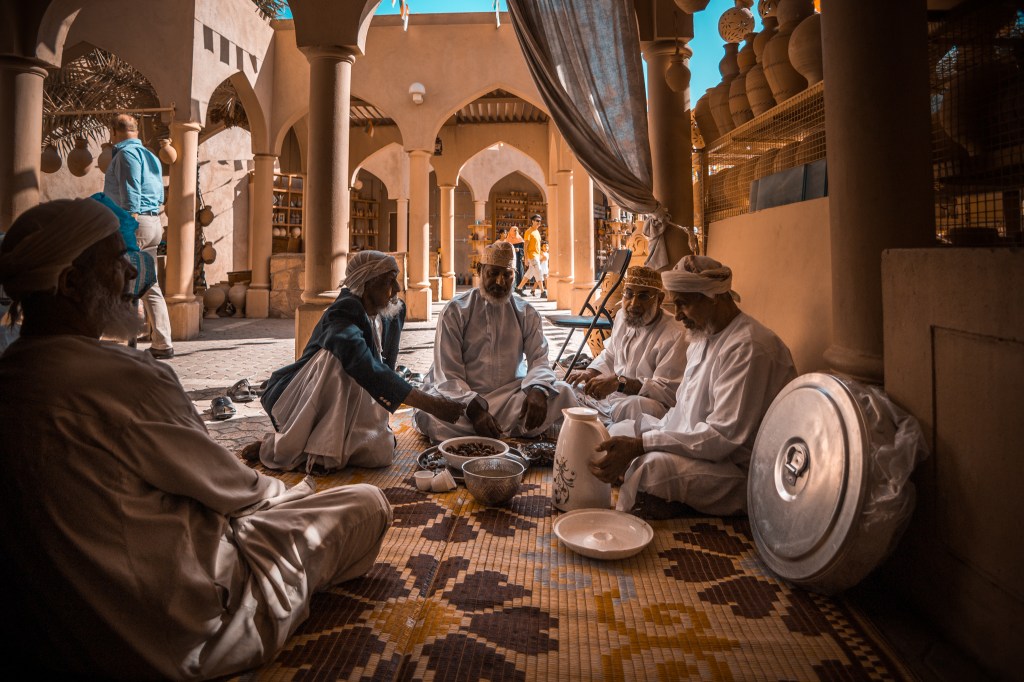
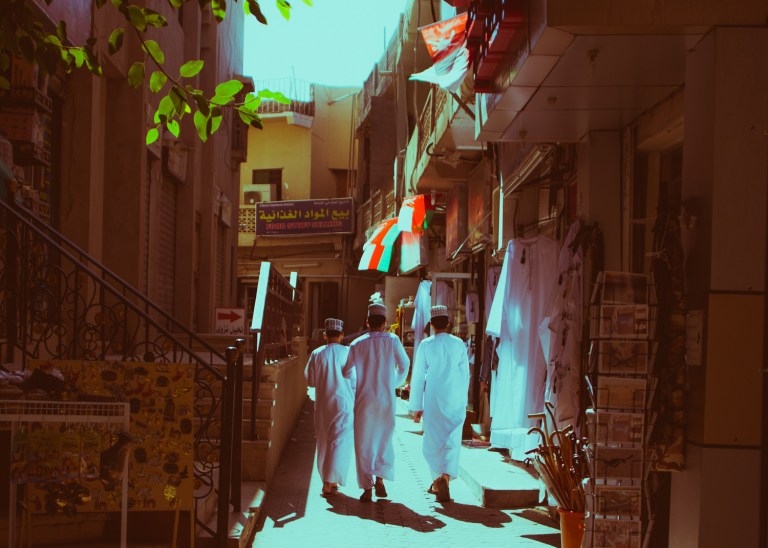
Here I shot these three guys walking in Nizwa market in Oman in a way that it creates a natural frame around them. Although it only covers left and right side of image.

Nizwa market in Oman

Another technique is to use a vignette in your images either by using dodge and burn technique or simple darken your edges and brighten the subject. In this image, the sky is completely plain, so I added a little vignette to create a border.

Architecture build

6. Using cliché Lens choices.

It is common to shoot Landscapes with wide angle lens, Street photography with 50mm and portraits with an 85mm or 100mm lens. Thousands of images are uploaded over the internet on a daily basis that follows the same exact rule.

Every other shot that follows these clichés looks almost identical. Like the rule of thirds, these lenses will give you great results. The wide angle lens lets you include foreground and background both in focus. Telephoto creates simple background with flattering facial features. But try something different to create a new perspective.

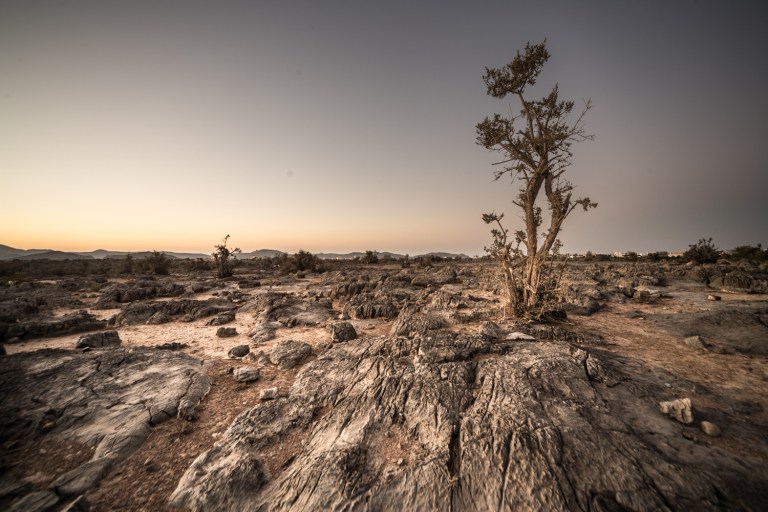
Like I shot this landscape and architecture image with a 50mm lens. It’s a totally different perspective of this place as compared to all other pictures of the same place. You can try portraits with a wide angle and street photography using telephoto lens as well.

The Road
Grand Mosque

Conclusion

It doesn’t mean that you should not use these techniques at all. Using a bit of all of these techniques in moderation is all you need to avoid clichés.

It’s really hard to find the subject that has never been photographed before. Try to look subjects in a different way. Try different angles. Try different lenses and filters. Try different post processing techniques that are not common.

One interesting way is to start a project of photographing the same subject in 15 different ways. It will force you to look at the subject in an entirely different way. That practice will help you in your photography in general.

Again photography clichés are not bad. It’s just that they are way too common and they won’t help in bringing your very own personality in your photography. Now, try to be creative and tell me in the comments section which cliché you find most annoying.

Commercial Photography in Muscat, Oman

For dedicated Photography Workshop in Oman. See here & for dedicated lifestyle photo sessions see here.

Photographer : Imran Zahid
Cell no. : +968-95842090
Email : im.zahid@hotmail.com
Commercial Instagmam : @imranzahidphoto

Event  | Wedding| Product | Portrait  

I am Imran Zahid – A commercial photographer pursuing photography/traveling as a side kick apart from being a full time Software Consultant (it helps me in focusing on my passion rather than worrying about generating income ).

I have been working in Oman for quite sometime with various clients (both individuals as well as companies) as a freelance commercial photographer on project and monthly basis.

My main areas are usually event, wedding and product photography for companies and small businesses. I do cover dedicated portrait sessions and vacation trips occasionally too.

Below you will find few samples of my shoots in different categories. You can always find my latest work over my instagram handle

Personal Portraits / Vacation

Commercial Photo-shoots

Event Photo-shoots

Product Photography

Feel free to reach me over email or phone. We can fix a quick meeting to see How and when we can collaborate in a more meaningful way.

Is smart phone good enough to replace your camera?

This is probably the most searched phrase on Google. The short answer is, YES for 50% of occasions. DSLRs and mirror-less cameras have their own market and they can’t be replaced anytime soon. But smart phones already replaced compact cameras for quite some time. Now it’s their bigger brothers ( DSLR and mirror-less ) that are in danger.
IMG_9116
Smart phone cameras are getting powerful and intuitive day by day. They might not be good for all kind of occasions. Tight head-shots, bokeh portraits and fast moving subjects for example. But for the rest, they are damn good.
Let’s find out what are the strengths and weaknesses of smart phone photography.

What smart phone cameras are good at.

Medium to Medium-wide angle shots.

16976450040_60cbf6bf3c_o

Normally as you increase focal length, the size/length of the lens also increases. This prohibits the mobile phone cameras to use focal lengths longer than wide-angle. The larger the sensor, bigger the lens has to be.
So, mobile cameras uses smaller sensors along with wider focal lengths to keep and lens shorter and pocket-able. These days phones like iPhone X, Samsung S series, Huawei P Series and other brands producing phones with dual lenses. One for wide and one for portraiture.
These phones do help you in achieving selective focus but overall wide and medium shots are the strong areas of mobile phone cameras and if you stick to that range, you can get better shots with these.

Candid Photography.

Processed with VSCO with c1 preset

Candid photography is one of the best areas of mobile photography. Being a street photographer for quite sometime. I know its importance. People usually get uncomfortable in front of a big camera.
They think that there pictures could be on some serious platforms like news papers or television. If you are shooting some candid moment on mobile phone, nobody will bother you. Even you can get some good environmental portraits with your phones with permission.

Natural light Photography

airport

Because of the smaller sensor, mobile phone cameras are not usually very good at high ISO. Indoor light is something that requires their sensors to push ISO and result in pictures with noise.
If you want to really get the maximum juice from camera sensor, try natural light. Go outdoors in shade or find a nice window light. Use cheap mobile lens attachments that give you extra wide-angle to take some good landscapes.
Natural light is easy on sensor because of its light temperature. It will give you clean and noiseless results with your mobile phone camera.

HD quality Videos

Mobile phones normally have a very good perceived quality when it comes to video options. For stills, people can pixel peep but for video there are other things like camera movement, editing and story that far more important than resolution and noise.
iPhone 6 produces beautiful videos at 1080p at 30 and 60 fps. It can even record slow motion in 720p at 240 fps. Use that to your advantage. Record videos where you can’t take your camera easily. Edit them on-phone and create beautiful short and meaningful movies.

Panoramas, Time-lapse and Hyper-Lapses

IMG_2149

These are the things that take a lot of effort if you are doing it with DSLRs. Mobile phones comes with built-in apps that you can use to produce all the fun stuff.
Yes the quality will not be close to Professional camera but who cares? Why you are missing all the fun stuff if you are not selling this tuff to professional agencies.
Again technical quality is not everything. There are other creative things involved in this art form. At least practice those using your phones to get a hang of it.

Sharing

instagram-grid

Probably the strongest side of mobile phone cameras is sharing. With a single tap, you can share your creative stuff to whole world using any social media platform.
Stats shows that 85% of the people are using social media apps on phones and not of laptops. So quality really don’t matter on a 5-inch phone or an 8-inch tablet.
Don’t get yourself stuck with picture quality syndrome. Shoot vigorously and share frequently. You will get immediate feedback that will help you to stay in proper direction.

Where smart phone cameras sucks.

OK then. Enough bragging about the positives of mobile phone cameras. Now let’s look into where they actually suck. P.S. They don’t actually suck. It’s how they are designed.

Low Light.

FullSizeRender

Because of the smaller sensor size, their ISO quality is very limited. The moment light goes below average, phone cameras starts to pour a lot of noise in picture. You can’t help it. If you are in a controlled environment, try to sue external lights. Or find any other source of light like windows etc.
Simply put, phone cameras are bad at capturing low light. Either avoid this situation or bring external light source. Period. It will actually make you better photographer because you have to think about light first before anything else.

Bokeh / Background Blur.

IMG_0557

There are three factors that determine the bokeh in your photograph. Subject distance, longer focal length and lower aperture (smaller f-stop number).
There is only thing in your control i.e., distance between you r subject and camera. Other two are the limitation of smaller sensor and lens size. So they are pretty much not in your control.
So, smooth buttery bokeh is not possible straight out of the camera.You can get a decent bokeh if you place your subject really close and make sure that background is far away.

Fast Action.

IMG_3390

Mobile phone cameras doesn’t have the fastest shutter. They are not designed for that. They have smaller sensors and in order to compensate it, they shoot at slower shutter speeds.
So, bad luck if you want to capture sports moments with it. But if you have enough amount of light and you are outdoor, you can try it. It can produce shutter speeds of 1/200th or 1/400th of a second. Although it is not enough but you can freeze someone walking quickly with this shutter speed.

Tight Portraits

For tight portraits and headshots, you have to get really close and since phone cameras have a wide-angle lenses, they introduce a certain amount of distortion. This distortion bulges the nose and lips and generally produce little awkward portraits.
Try shooting from a little distance and crop it later. You will lose some resolution but certainly get rid of distortion.

Conclusion

Now that, you know the pitfalls of smart phone cameras, you can work around these. As long as you shoot within the limitations, you will get good results. There are entire magazines like Mobiography that are dedicated to mobile photography.
With the increase in mobile phone and social media apps, resolution don’t matter at all. Everyone is seeing your work on small screens so shoot whatever you want with your phone.
The best camera is the one that is with you when you needed it. It’s a famous saying. And it’s so true. Use your camera at all times. It’s an art form. It’s subjective. So, don’t limit yourself and start your creative journey now.

Gems of Oman – Nizwa Fort/market

The Gems of Oman is a series which contains photo stories and videos about various worth photographing locations of Oman.

Oman is famous for its cultural heritage and architecture that is still intact in its most pure form in various cities. Nizwa is one of them. The famous Nizwa souq (market) and fort is the most eye catchy landmark that captures that attention of all the tourist who want to see the true culture of Oman in its purist form.

This video was shot completely on Olympus OMD-EM 5 and iphone 6 hand held.

For dedicated Photography Tour in Oman click here. For Photography Workshop in Oman click here.

A short collection of street photography of Nizwa will also let you take a glimpse of this location before coming to actually immerse in it.


P.S. The cinematography and photography on this post is done solely by me. If you are coming to Oman and want to see and capture it in a unique way, you can contact me for dedicated private photography tour/workshop here

Photography Tour / Workshop in Muscat, Oman

For dedicated Photography Workshop in Oman. See here

Photographer : Imran Zahid

Travel  | Street | Landscape | Portrait  

I am Imran Zahid – A photographer/writer pursuing photography/traveling as a side kick apart from being a full time Software Consultant (it helps me in focusing on my passion rather than worrying about generating income 🙂 ).

I have been conducting photography workshops and photography tours in Oman for individuals and groups for quite some time. Whether you are coming to Oman and want to make the most out of your trip in terms of photography or you just want to see as many beautiful places in Oman in limited amount of time – I have a plan tailored made for your needs.

Feel free to contact me on whatsapp 

A short montage of a recent photography tour in Muscat

My main area of interests are Landscape, Street and Environmental Portraits. You will find plenty of these opportunities in all over Oman if you are at right place at right time and that’s where I comes in  – to take you to right places at right time to make the most out of it.

Oman is full of Traditional and cultural activities (Horse/camel races), Old traditional markets, beautiful and serene beaches, Majestic Wadis (valleys), Amazing Deserts, Old Islamic Architecture and above all beautiful and friendly people etc.

Whether you are coming to Oman for a short visit or you want to learn some handy photography skills, you can contact me on my email ( im.zahid@hotmail.com ) to discuss and let me make a plan tailored made to your schedule and needs (I will send you sample itinerary). I conduct tours and workshops for individuals and small groups. If necessary, I arrange hotels and cars for people coming on a short trip too.

You can check my profile and social media handles for some of my work. Also checkout my post ‘Oman for Photographers‘about places for photography in Oman which will give you an idea on how photogenic Oman is by clicking here

500px :http://500px.com/imrzahid

Photography Blog : https://theshadesphotography.wordpress.com

Instagram : http://www.instagram.com/imrzahid/

Blog at WordPress.com.

Up ↑