Three easy steps of taking a good picture

Most of you, off and on takes a good picture. Whether you are a seasoned PRO or an amateur photographer, you all are proud of some of your work. But the problem is the frequency of which you are producing good quality work.

How many times you faced a situation when after a shoot you check your images,but they are not up to the standard. Do you wonder how PRO photographers produce good quality work on a consistent bases?

If you are intrigue by this questions then this article is for you. The answer to the above dilemma is the Photography workflow. Every PRO photographer has a specific workflow when it comes to taking a picture. Sticking to a specific workflow that gives you good results will increase your consistency of getting good results.

Every photographer has their own workflow

I mostly shoot outdoor/lifestyle and travel/street photography. I devised a very simple workflow that works for me in above mentioned style. You can start with it and tweak it as per your style. It has three steps. Let’s start with it.

1. Identify what caught your attention.

This is probably the foundation of taking a good picture. The definition of an interesting subject is completely subjective. Something might be interesting to you but completely mundane for others.

Before even you lift your camera to your eye, ask yourself what exactly caught your attention. This question is of primary importance as based on that you will continue with the next two steps i.e. lighting and composition.

It could be anything. It could be an interesting outfit someone is wearing on street. It could a beautiful formation of clouds or even some nice pattern or repetition of something. Identifying it initially lets you enhance its impact using other two steps i.e. lighting and composition.

In above two pictures, two things actually caught my attention. The crack on the road and bright red wheel caps of a car. Identifying my subject at very early stage lets me compose my image in a way that enhances and highlighted my subject matter much clearly.

2. Study the Light

It is believed that a photograph is as good as the quality of light. So, studying the lighting condition is very important. Once you identify the subject matter, it’s time to look out for ways to enhance that subject.

Let’s say that you want to take a portrait of a person. Now, most flattering light for a portrait is soft light. You need to think how you can photograph that person in a soft light. If it is possible to move that person to a shade, then do it. If it is not possible than try to change your angle to see if it can be improved.

Simply put, analyze the current light in which your subject is. And look for ways if something can be done to improve it. Sometimes the subject is so interesting that even in bad light it is worth taking a picture but in most cases if you do a little bit of effort, you will greatly improve the quality of your picture.

I took this picture in a GYM/training center. The light is quite dim and only certain areas are properly lit. Since I analysed the lighting conditions earlier, I was waiting for these fighters to come in that specific spot so that they will lit properly.
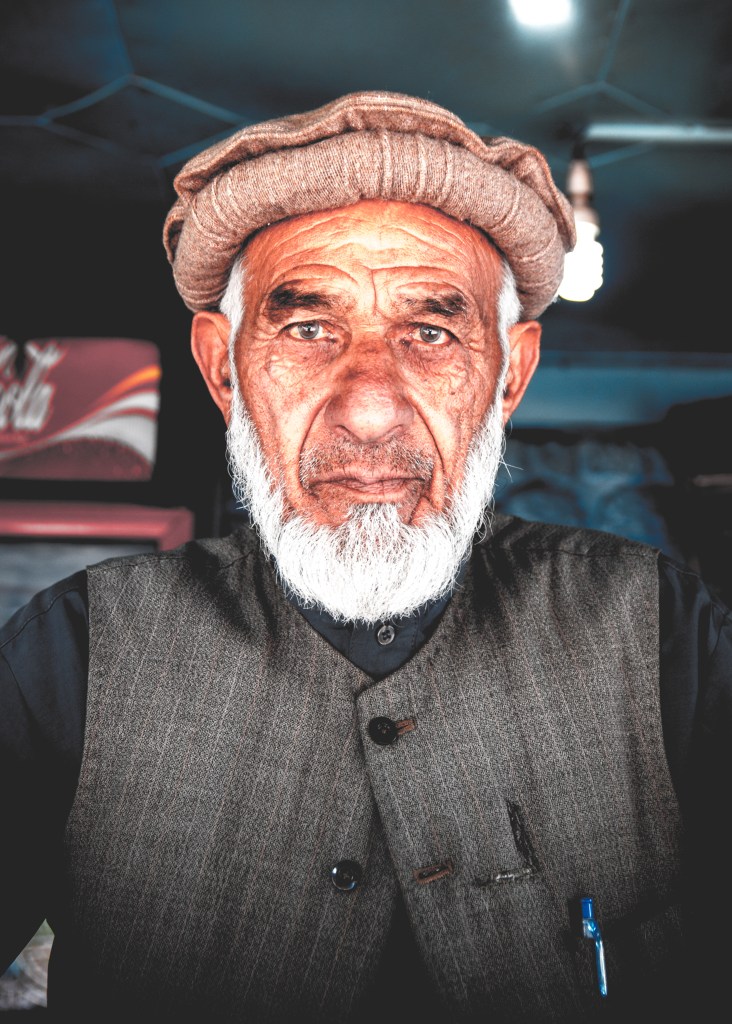
I took this portrait of a shop keeper in northern Pakistan. I asked him whether he can come towards the shop window so that I can have enough light for a picture. He agreed and I took this picture. Otherwise this portrait will not have that much details and impact .

3. Take your time to Compose

After selecting a proper subject and working on light, it’s time to actually compose your picture. Now this is the step where you can be very creative. This step will let you stand out from other people. Lot of photographers when they photograph certain touristic place or situation, they follow the cliche. Spending a little bit of time on your composition will greatly improve your shot.

You can start off with some basic and cliche shots. That will give you initial confidence. Then make your way to more challenging and creative compositions. Now there are lot of aesthetic composition rules that can be applied to enhance your subject. Few of them are as follows.

1. Try to include something related to your subject either in foreground or background. That will emphasize the overall theme. Environmental portrait photographers do this all the time.
2. Use leading lines to direct viewers towards your subject.
3. If surrounding doesn’t support the subject, either use simpler backgrounds or try to blur it as much as possible.
4. Use dodging and burning in post to enhance your subject. Not exactly a composition rule but it does make a difference.
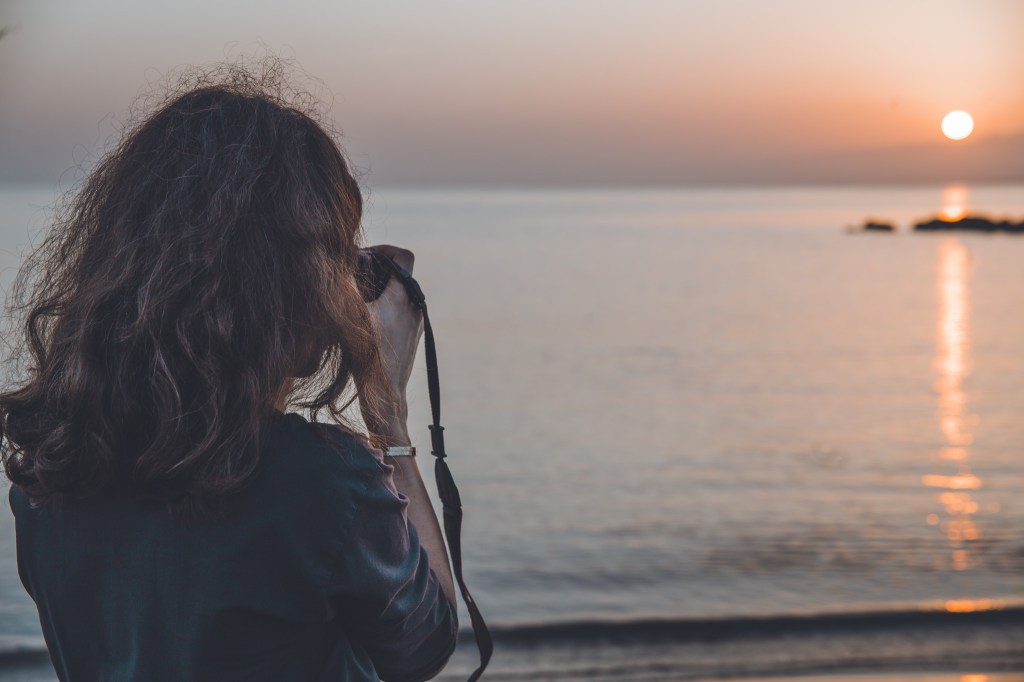
In this picture the beautiful sunrise caught my attention. So in order to direct viewer towards a sunset, I put a foreground subject i.e. my friend and let her look towards sun. That way viewer is drawn towards the sun even though the sun is out of focus but still it gets more attention.
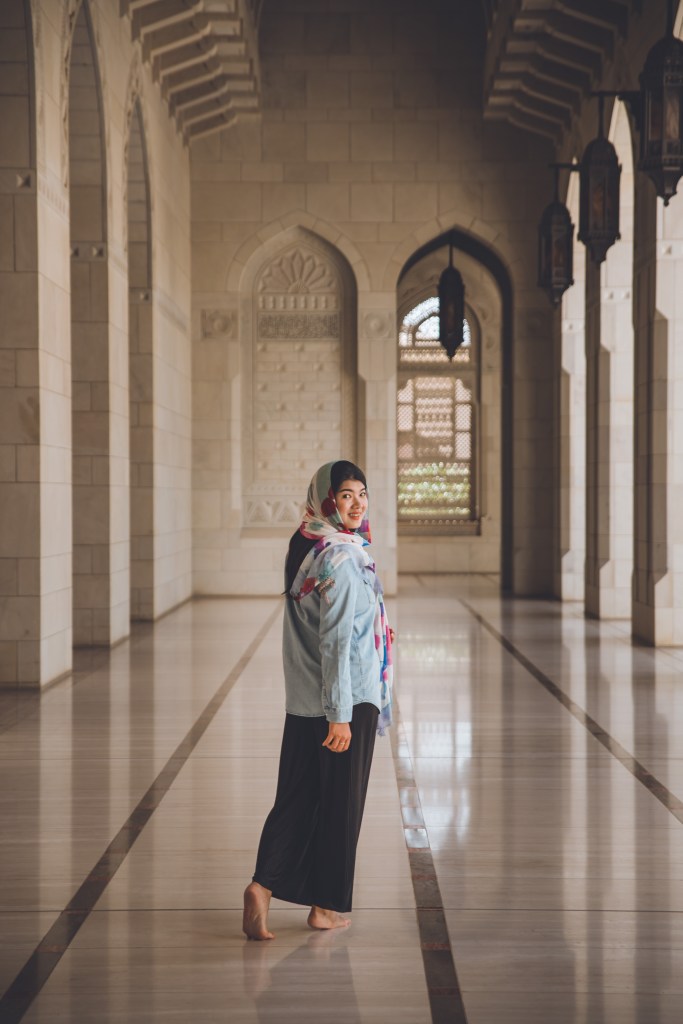
Here I draw the attention towards my model by using leading lines. All diagonal lines and arches are converging on my subject.

Conclusion

If there is one important thing that I learned over time, it is this. Never hurry when taking a picture. This one practice will immensely improve your picture. Just by delaying shutter click will start improving your pictures.

Make this workflow your day to day practice. It’s not necessary to follow it as it is. You can change it according to your style. But make it quick and simple. That way it will be more practical and can be followed easily.

The Power of Black and White photography

I love black and white (  monochrome ) photography a lot. I can’t help it. Whenever I start post processing any of my photograph I always first try to convert it to black and white and see if it looks good or not. I was wondering lately, why I like some pictures more in black and white than in color. This question is very important because it gives the answer for which type of photographs we should convert to black and white and why. So I came up with some of the reasoning that I hope you will find useful and insightful. Feel free to play around with these ideas.

1. It reduces distraction.

15118342204_8d419c7ab7_b_d
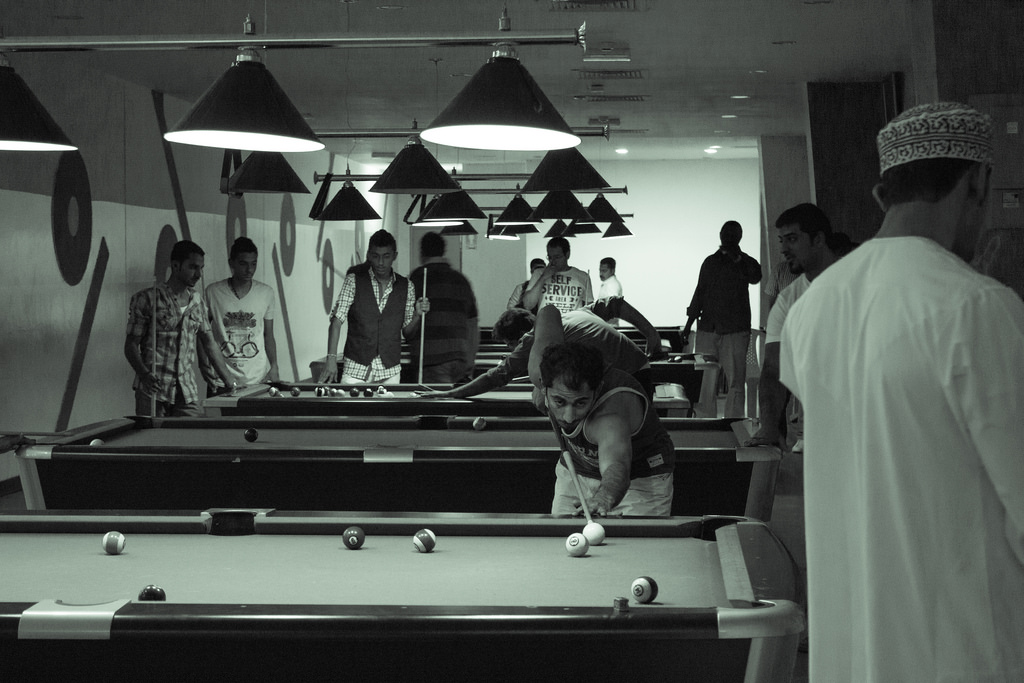
The Aim by Imran Zahid.You see how it reduces the distraction of different color clothes of all these people and help you focus of the subject.

Ever wonder why most of the street photography is in black and white? Because in street photography we have very less control on environment. You can’t control the annoying and distracting bill boards and ads all around street. You can’t control the colorful cars and other stuff that grabs all the attention instead of your subject. Yes you can control these things by changing your viewpoint and angle and all that but still most of the time you don’t have that much time and you want to grab the moment quickly. So it helps in saving some of your shots that otherwise don’t work in color. But don’t make it an excuse to not think before shoot in street photography.

2. It helps you emphasize more on story than visual

IMG_0670
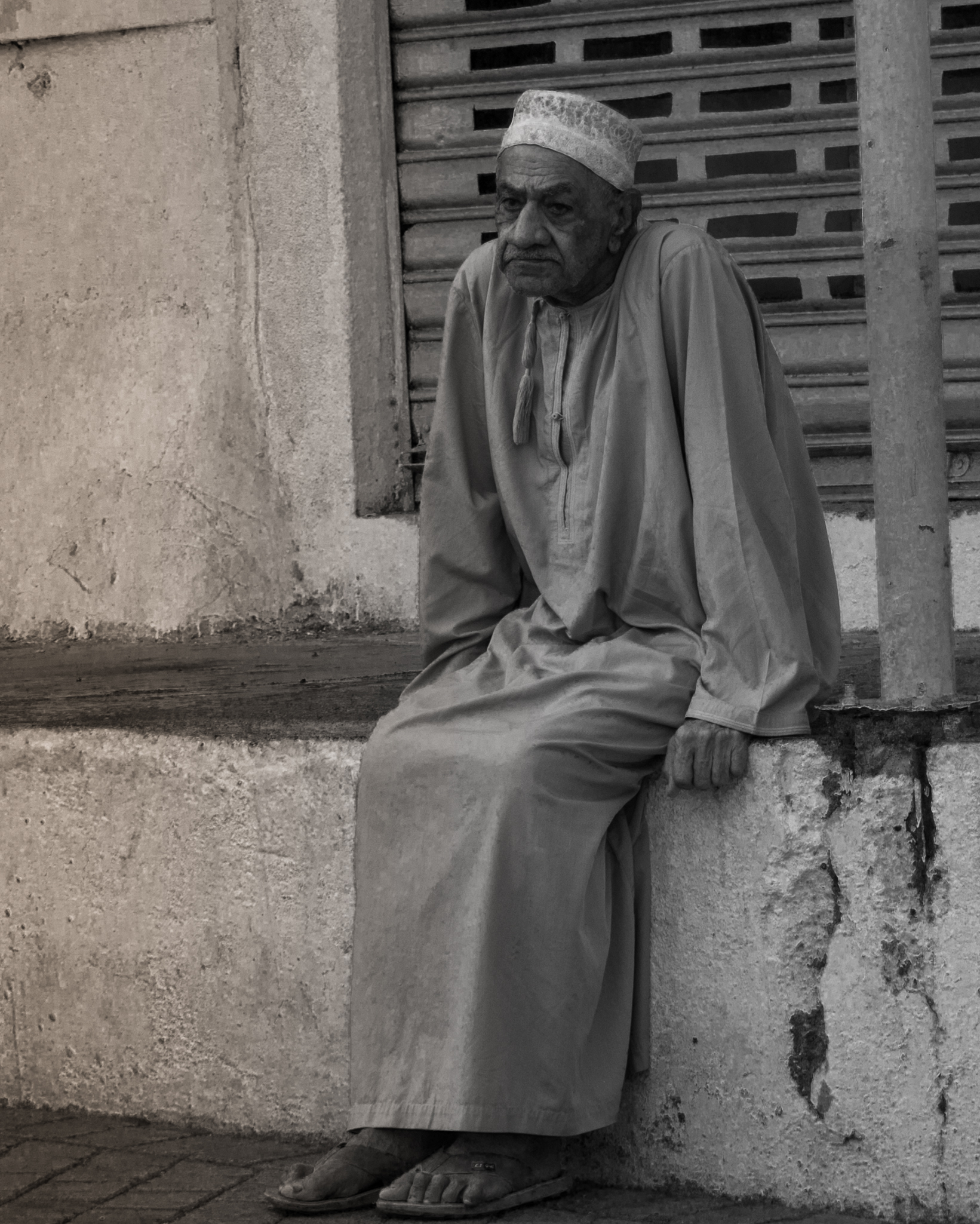
Contemplation by Imran Zahid.

In black and white photograph, visual candy is not there so viewer can concentrate more on the story and emotion behind the photograph rather than aesthetics. This where composition became so much important because it’s the only way to tell viewers about the main subject and story.

3. It brings a world unknown to us

15915231572_f450b356ff_b_d
Down the memory lane by Imran Zahid

IMG_7841 - Copy-3
The Journey by Imran Zahid

We as human beings are bound to see things in colors by default. Black and white brings a whole new world in front of us that we are unaware of. It makes it more uncertain and exciting for us to see things in entirely different way. It brings that antique and classic look into the pictures which make them timeless and precious. That’s how our mind works when we see any black and white photograph.

So these are the main reasons why we like black and white photographs. The photographs that tell story bound to have these characteristics and are best suited for monochrome treatment. Now here is the list of techniques that you can employ to create really stunning black and white photographs

1. Composition

palace (2)
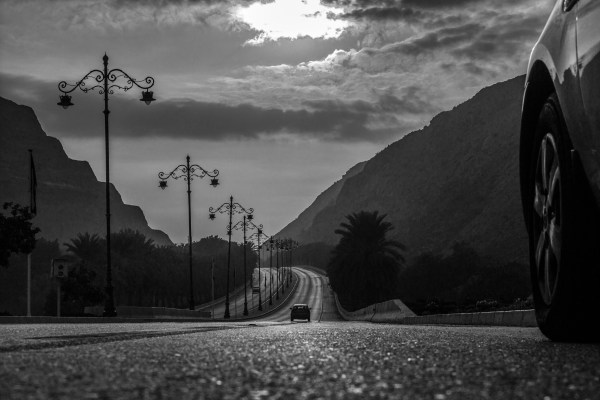
The Road by Imran Zahid

Composition is everything in any type of photography and in black and white, it is literally everything because you don’t have colors to complement it. All you have is composition. Through proper composition you can direct the viewer to observe certain parts as subject and remaining as background. Placing a subject to the strongest part in frame and arranging other elements is really important and it makes or breaks any image. Rules of composition like rule of thirds, leading lines and negative space are the key to black and white photograph.

2. Contrast

tea_making
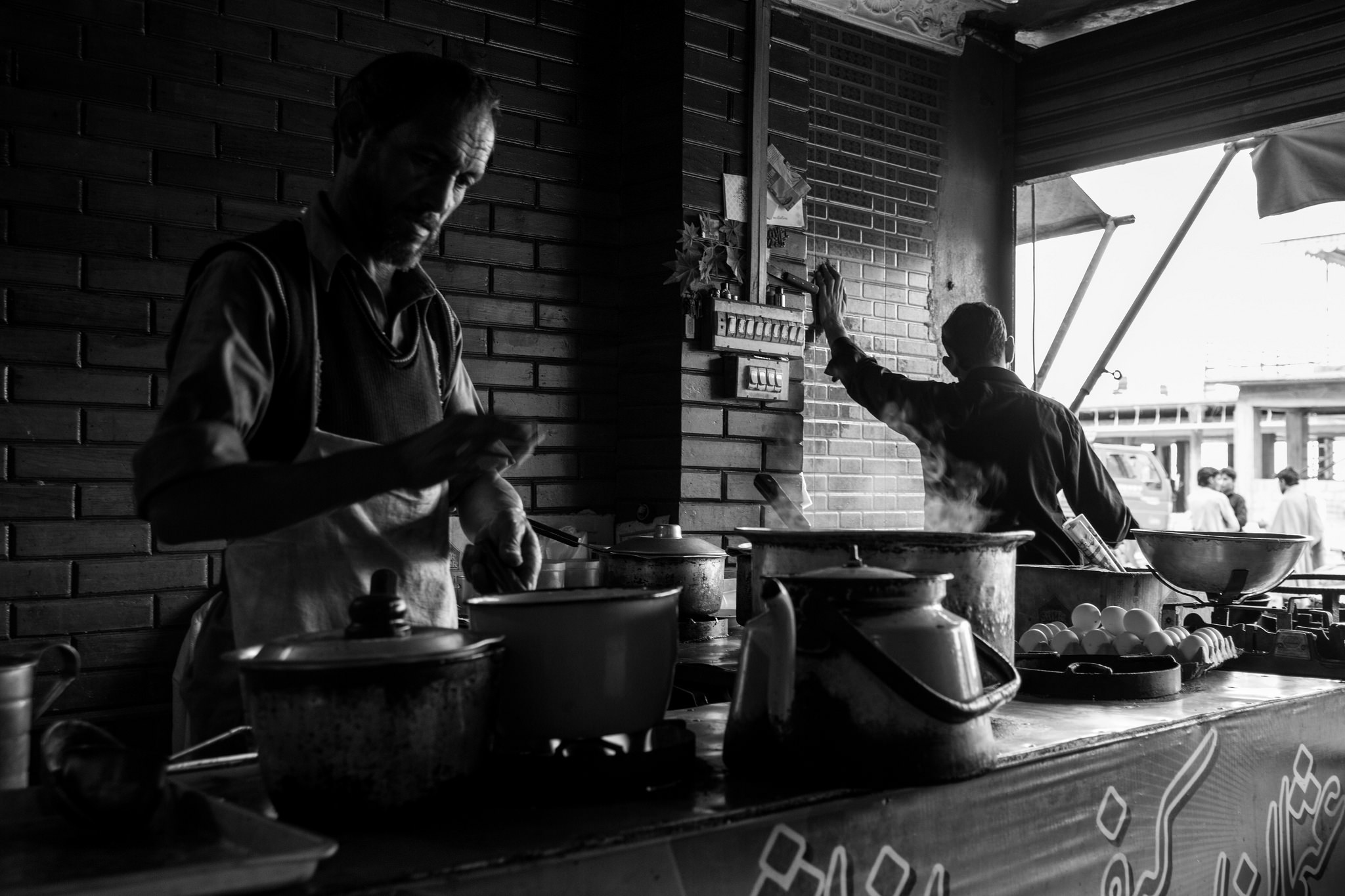
Tea making by Imran Zahid

Black and white photography is all about contrast. The more the better. A lot of shades of grey will not make a dramatic black and white photo. Drama starts where there is more contrast, more blown out and darker areas. These imperfections are actually the one that creates emotions in black and white photography. Always look for contrast in a photo. One tip regarding exposure. Expose for lighter areas as you can recover details in darker areas more easily in RAW files as compare to recovering highlights. Another tip is to shoot in RAW format and set built in black and white option. That way you can see the result immediately and even if you want color RAW file always contains color information. One final tip regarding conversion to B&W is to use separate color sliders after conversion to adjust certain parts of image like blue color to adjust sky. Also you can use luminescence sliders to adjust areas by their brightness.

3. Convey an emotion or story

18622493935_a0f24aa9a8_z
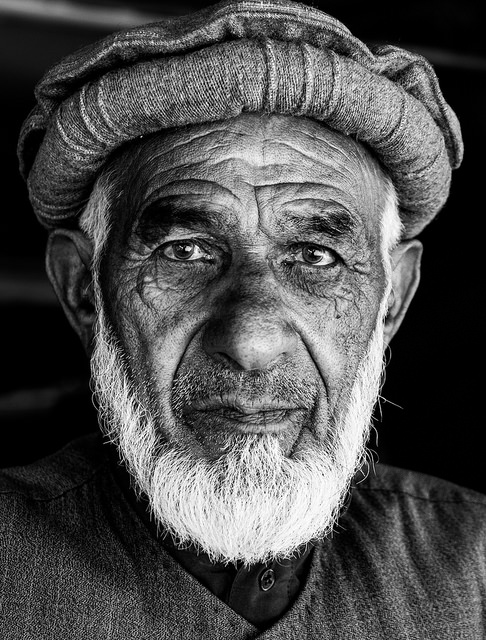
Wisdom by Imran Zahid

Since a black and white photograph doesn’t have colors so you cannot just purely depend on visuals. You need to convey some story or some emotion else your photograph will fall flat. It doesn’t have to be a photo journalistic in nature. A simple smile or some interesting character in its surrounding is more than enough but make sure it conveys enough details.

4. Look for strong shapes and texture

TheCave
The Cave by Imran Zahid

Strong shapes and lines and curves always makes a photo more interesting. In black and white it is much more prominent as these strong lines and curves actually defines edges and separates one object from another. So try to integrate some strong lines and shapes for better definition and detail. Texture is also more observable in black and white photograph than in color.

5. Look for some interesting light

15486699860_874eb5331b_z
Walking Shadows by Imran Zahid

Try to look for dramatic/directional lighting source in your photograph. Directional light defines edges more clearly and hence bring details and definition in your objects. It can bring contrast in your photograph. Also dodging and burning is one classic technique that a lot of black and white photographers use to highlight the areas in image that they want their viewers to concentrate more on.

So here it is . Everything I know and discovered about black and white photography over the time. If you didn’t tried it. Do it. Its worth it. Its a bit difficult in some respects but its timeless.Its creative and worth giving a shot. Feel free tp pitch your ideas in comments sections.


Blog at WordPress.com.

Up ↑