What Is black and white photography and How Does It Work?

Why some pictures look better in black and white as compared to their color counterparts? What few words comes to your mind immediately when you see a black and white photograph? Nostalgia, raw, emotions, etc. ?

I shoot in both color and black and white but there is something peculiar about monochrome. Let’s discuss what is Black and white photography and how it is still relevant today? How it improves your photography in general and when you should avoid it.

1. It’s all about contrast – Painting with LIGHT.
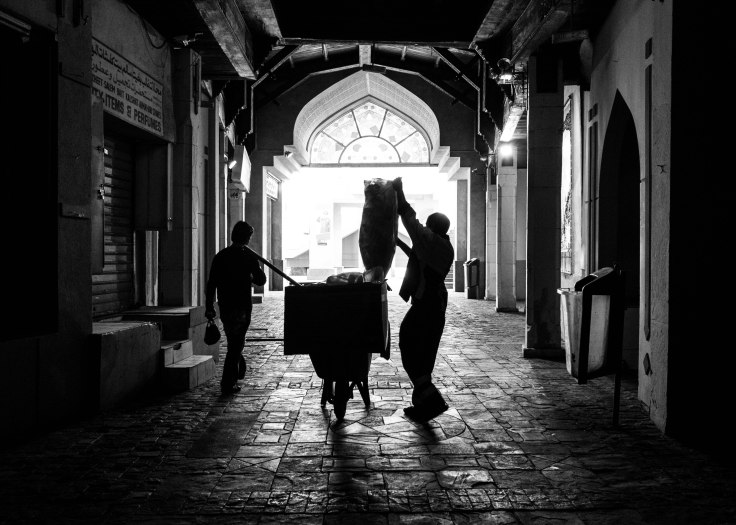
Workers at Mutrah Corniche, Oman

Photography literally means painting with light. When you shoot in black and white, it’s all you have at your disposal. You need a powerful eye to detect proper contrast in your frame to create beautiful images.

Not just contrast, you need to make sure that your subject should stand out in your frame. You need to direct viewers’ eye to your subject. And you have only one thing to play with – CONTRAST.

It really trains your photographic vision because we are used to watch world in front of us in colors. The complementary nature of color creates a contrast in real world. But in black and white photography, you need to create contrast with light and shadows.

TIP : Try to shoot in RAW with black and white creative filter. That way you can see the world in black and white in real-time. You can detect contrast better before clicking it. With a mirror-less camera, you can use this filter even in Electronic Viewfinder (EVF) .

2. Create a better connection with your subject.

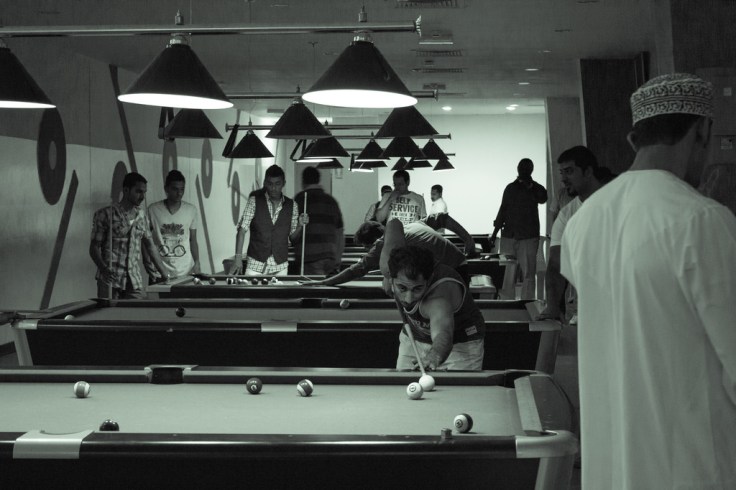
The hustle and bustle of Ruwi high street, Oman

One of the advantages of Black and white photography is fewer distractions. In color photography, bright and complementary colors catches viewers attention better. So, if your subject is not bright enough or not in complementary color as compare to background, you are out of luck.

Black and white does your work a bit easier. You just have to concentrate on contrast and not colors. One less thing to worry about. It lets viewers give more attention to subject and its environment. Your message will be much cleaner and easier to understand.

Street photography is better on black and white because of this reason. You don’t have control over your background. So, black and white usually saves your picture. But don’t use this as an excuse to avoid thinking about composition and background. You can check this awesome post The Beginner workflow to street photography for some general tips for shooting street photography.

TIP : Tight Portraits, Street and long exposure work great with black and white. Once you get comfortable with it, try this approach in other niches too.

3. It brings a world unknown to us.
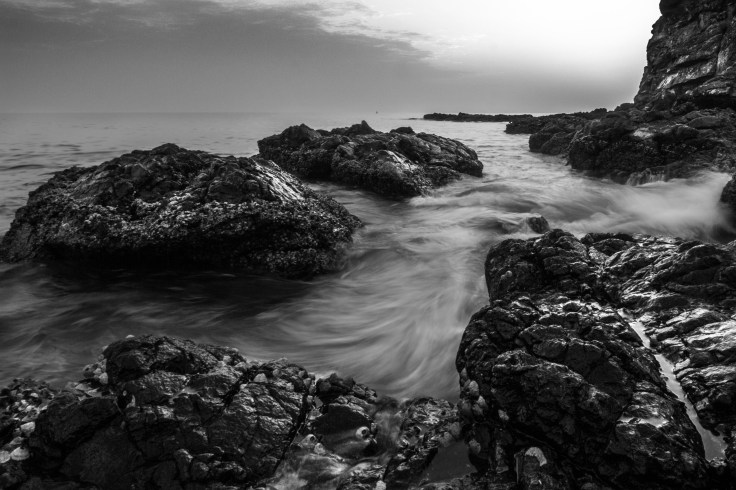
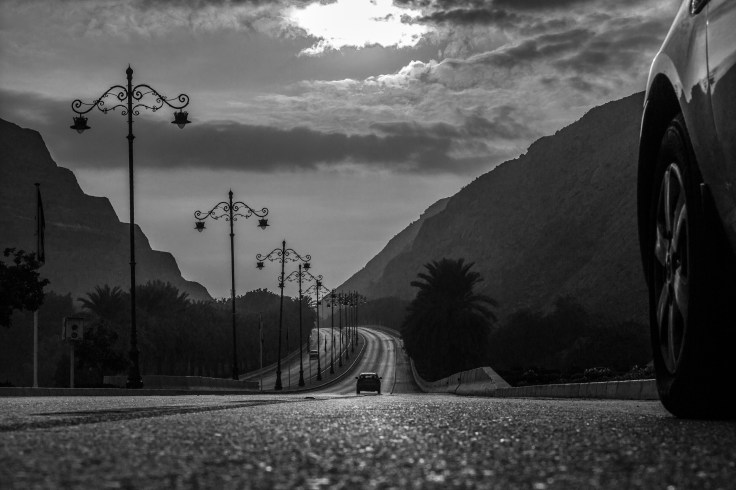
Qantub beach by Imran Zahid-The Shades Photography

As human being, we see the world in color. Black and white is something that we don’t experience normally. If color depicts reality then black and white is your depiction of reality. You can show everyday mundane scenes in a totally new way to your audience.

In Black and white, you can paint the canvas with tones of gray which is completely different in look and feel. Off-course it’s a personal choice but black and white certainly brings a fresh perspective.

TIP: Try landscapes in black and white as very few people have managed to do it correctly. Ansel Adams is one of the best in this business. It will make you stand out among the crowd.

4. It Brings out shapes and textures better.

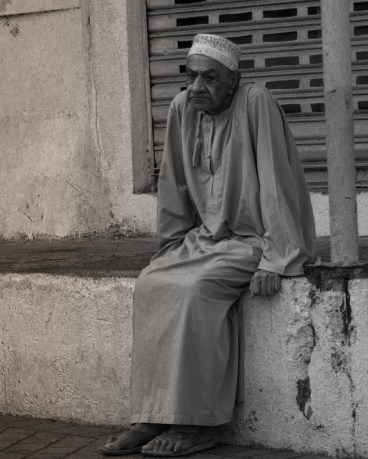
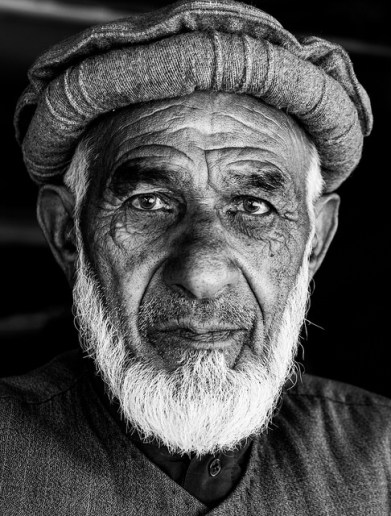
Portrait of an Old Man at Nathia Gali, Pakistan

Texture and shapes are the second option that you can use to spice up your compositions. The viewers will pay much more attention to these aspect as no color information is there to process.

Subjects that have a strong sense of shapes, lines and curves end up much better in black and white than color. Same goes with texture as well. It evokes the viewer’s tactile sense. Black and white works perfect to add character and atmosphere to you images.

TIP: Old people portraits and multi-layer compositions are the ideal candidates. Black and white will add an extra punch to these type of photographs.

5. It’s much more challenging.
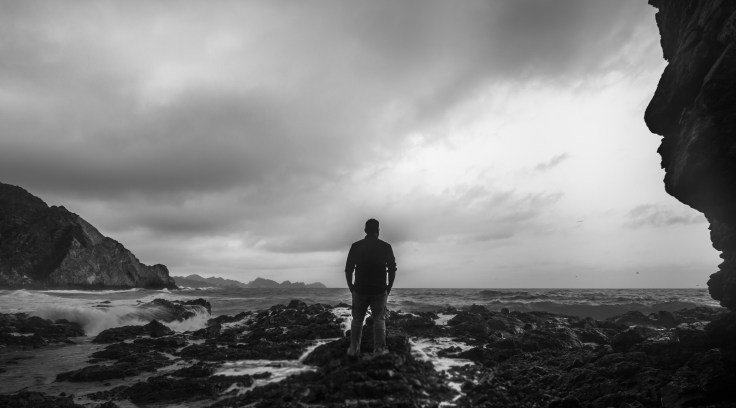
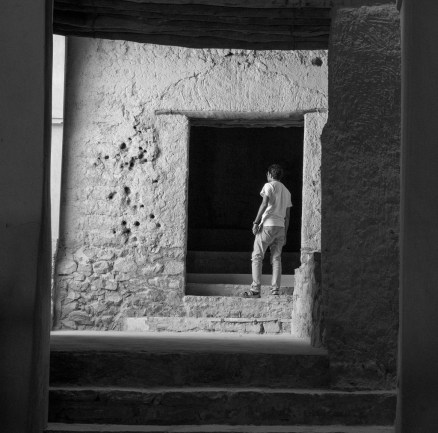
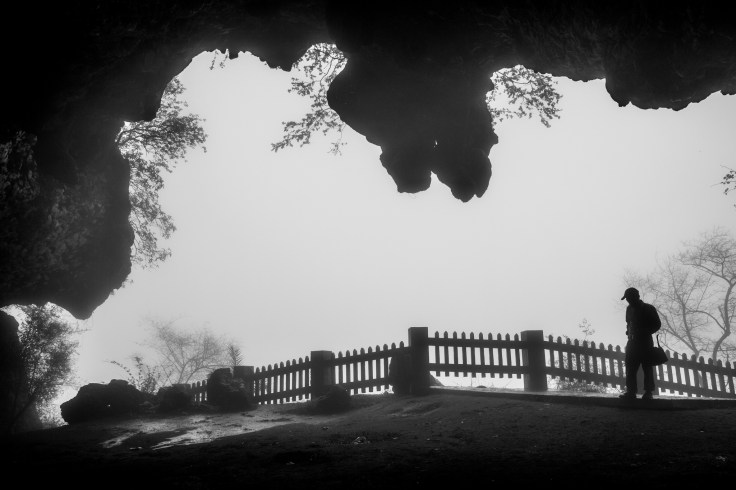
Contemplation at Qantab beach, Oman

Apart from all the above advantages, black and white photography is much more challenging. Just by practicing these tips, you can learn a ton of lessons about composition, contrast and lighting. Choosing a suitable subject for black and white photography is extremely difficult. But with practice you will overcome this thing.

You have limited options to manipulate so you have to come up with intelligent work around to solve the problem at hand. With all these difficulties and limitations, it brings much more joy than snapping an easy picture. Learn more about this on The Power of Black and White Photography.

When you should not use black and white.

We agree that black and white photography is beautiful. still we see a lot of crappy black and white conversions over the internet. That’s because people are converting their images without considering all these aspects. Converting images to black and white will not automatically make you look artistic.

Below are few points that you need to consider before converting your pictures to monochrome.

1. Don’t use black and white to save your already badly composed images. This goes true with noise too. If your image has a lot of noise, converting it to black and white won’t save it. Noise is not bad. Embrace it. But don’t save your noisy images with conversion.

2. Don’t convert your images that add more meaning in color than black and white. Portrait of an old man doesn’t have to be always in black and white. If color adds something to story, go with color instead of black and white.

3. Don’t use black and white as a style statement. People think that shooting in black and white make them fine art photographer. Only shoot in black and white if it really required.

So now that you know enough of black and white photography, what you are waiting for? Go and shoot it 🙂

Up close and Personal – MACRO Photography Tips

This post is also published on PictureCorrect.com. You can find it here.

Whether you accept it or not, we all love MACRO photographs. I mean, who doesn’t like an intensely detailed bug or a flower on a silky creamy background? The first thing that we do after getting our hands on DSLR for the first time is to go to our backyard and start taking flower pictures. But in reality , MACRO photography is much more difficult as it seems to be. I do normally landscape and street photography but recently I decided to give a try to MACRO and found it to be much more challenging technically as compared to any other type of photography.

I just started it, so I am not an authority on it. But I just learned some stuff about it so I decided to write a blog post on it to keep everything in order so that I can start improving on top of it.

Like every picture, a macro has its aesthetic as well as technical aspects so first start with its aesthetic qualities because it’s easier to learn and it doesn’t require any extra gear/add-on.

Aesthetic Qualities

1. Simplicity IMG_8718

The Allium by Imran Zahid

Macro is all about one and only subject. Unlike landscape or street or any other type of photography, it doesn’t and shouldn’t have any layers or multiple points of interests. The image should be damn flat with all the attention leading towards the subject with minimum connection with background. When I am saying minimum connection I mean aesthetically background should not grab attention of viewers. It should be very simple. We can achieve this by either blurring it or using high contrast compositions which is what we call figure to ground relationship.

2. Details

IMG_8746
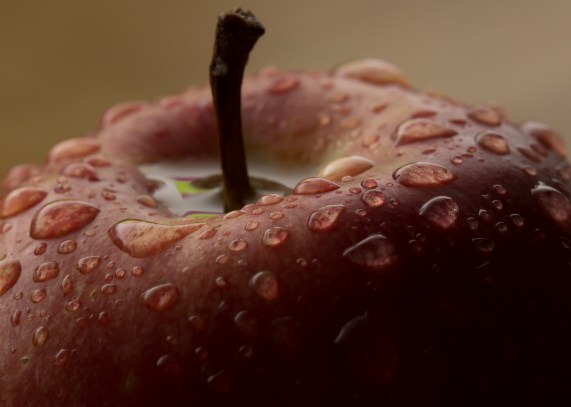
Apple by Imran Zahid

The ultimate goal of a macro shot is to show the unique and fantasy world that normally we cannot see with our naked eye. So choose your subjects wisely. Don’t select subjects that we used to observe normally in detail. Choose subjects and their angles that we are unaware of. Try to show the absolute level of detail that even if we look closely with our naked eye , we can’t. That’s where the MACRO photos actually shine. That’s why a lot of people are going towards insects and bugs as we don’t normally observe them so closely. As the saying goes , the devil is in the details. So , get extremely close to your subject and try to bring a completely new world to your viewers.

3. Composition

IMG_9240
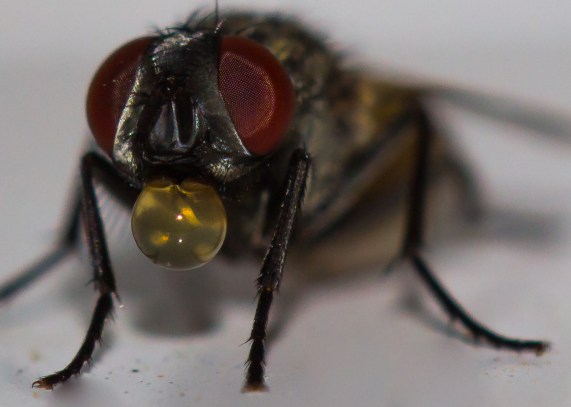
The Fly by Imran Zahid

Just because there are minimal components in MACRO photograph, doesn’t make it less worthy for putting effort in composition. In fact, composition is extremely vital for the success of macro photos. Composition rules like golden ratio, rule of thirds, diagonals and leading lines were never so important before MACRO photography. It’s very important to create dynamic and fluent compositions or else chances are that even with immense amount of captured details, the photograph will still fall flat on its face. So utilize all those composition rules on macro to make it more interesting and eye catchy.

With all its simplicity, MACRO photography is not at all simple when it comes to technical aspects. Below are some of the technicalities you need to keep in mind while doing MACRO.

Technical Challenges and their solution

1. Limited Depth of Field

IMG_8447-3
Housefly by Imran Zahid

Normally when we do portraits or stock or street photography, we are doing everything in our power to create creamy bokeh and shallow depth of field. But when it comes to MACRO it’s the other way around. We are doing everything to get a few extra millimeters in focus so that we can capture details properly. Because we are focusing very closely (normally only a few inches) , depth of field is literally in millimeters. Now you can do a couple of things . You can go back a little , loose some details but get more focus or increase aperture. Both approaches have their own pros and cons. You can only increase aperture to a limit where diffraction don’t happen otherwise entire picture will be soft. Even if you increase aperture within limits, since it changes exposure, you need to either slow down shutter speed or increase ISO.YES, welcome to Hell of MACRO world. So it’s a whole trial and error procedure to see what’s acceptable for you in given condition.

2. Exposure / Lack of light

IMG_8667-4
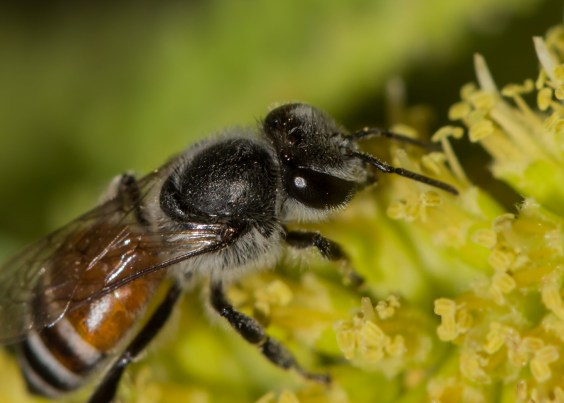
The Bee by Imran Zahid

As mentioned above , you need to increase your aperture to your maximum limit if you want your tiny subject to be completely in focus. But with this approach , your exposure will be down by miles. Now in order to get proper exposure , you can do a few things.

  1. You can decrease shutter speed if possible (stationary subject)
  2. Increase ISO to acceptable limits
  3. Use some sort of flash

Best solution is a combination of all. Now a day camera ISO performance is pretty good , so you can go with this option safely. Flash with some modifiers are also cheap. Even popup flashes will work. I do all MACRO work with popup flash. It can produce decent results. Shutter speed cannot be changed in most of the situations but whenever its possible go for it too.

3. Noise Reduction

IMG_8544-3
Daisy Flower by Imran Zahid

Even after all these remedies, still you picture will have a lot of noise especially if you are using crop censor bodies like me. And since MACRO pictures are normally simple in composition with very plan/creamy backgrounds , the noise is very much visible. So, you might not came across this noise issue until now in other types of photography but you need to seriously know how to reduce noise in you photos now. Noise reduction and sharpening go side by side and I can point you to some of very good tutorials on it that really helped me overcome this.

How to do Noise Reduction in Lightroom

How to Properly Sharpen Images in Lightroom

The whole point of this section is not to De-motivate you but to actually prepare you to handle all these issues. They are not as big as it seems. But if you really like your photographs to be what you saw on internet , you need to work around these issues.

Conclusion

Macro photography is really fun. Even on those days where you feel dull and you don’t want to go outside for landscapes, street or any other type of photography. You can do macro in your backyard or even in your room. Its really fun. Its demanding but at the same time very rewarding as well. If budget is not your problem you can certainly go for following gear to help you in your tasks.

  1. Ring flashes for beautiful even lighting or even separate TTL flash for controlled lighting.
  2. Full frame body for better ISO performance.
  3. A good tripod with cable release for stationary subjects.
  4. Flash modifiers and backgrounds for creating some mood in your photos.

Even if you are on a budget, don’t let this hamper your spirit. You can do everything without all fancy gear. You just need to be patient and know have to how to work around these issues. The WORD here is persistence. Stick to your goal and you will eventually able to do it. You don’t even need a dedicated MACRO lens for it. If you are on a budget You can go on following route

  1. Instead of dedicated MACRO lens, go for reverse ring or extension tubes. A little difficult but much less costly than lenses.
  2. Instead of ring flashes , purchase popup flash modifiers. Very cheap in market.
  3. Learn thoroughly how to reduce noise and increase sharpness in light room/Photoshop.

That’s it. Happy hunting

The Power of Black and White photography

I love black and white (  monochrome ) photography a lot. I can’t help it. Whenever I start post processing any of my photograph I always first try to convert it to black and white and see if it looks good or not. I was wondering lately, why I like some pictures more in black and white than in color. This question is very important because it gives the answer for which type of photographs we should convert to black and white and why. So I came up with some of the reasoning that I hope you will find useful and insightful. Feel free to play around with these ideas.

1. It reduces distraction.

15118342204_8d419c7ab7_b_d
The Aim by Imran Zahid.You see how it reduces the distraction of different color clothes of all these people and help you focus of the subject.

Ever wonder why most of the street photography is in black and white? Because in street photography we have very less control on environment. You can’t control the annoying and distracting bill boards and ads all around street. You can’t control the colorful cars and other stuff that grabs all the attention instead of your subject. Yes you can control these things by changing your viewpoint and angle and all that but still most of the time you don’t have that much time and you want to grab the moment quickly. So it helps in saving some of your shots that otherwise don’t work in color. But don’t make it an excuse to not think before shoot in street photography.

2. It helps you emphasize more on story than visual

IMG_0670
Contemplation by Imran Zahid.

In black and white photograph, visual candy is not there so viewer can concentrate more on the story and emotion behind the photograph rather than aesthetics. This where composition became so much important because it’s the only way to tell viewers about the main subject and story.

3. It brings a world unknown to us

15915231572_f450b356ff_b_d
Down the memory lane by Imran Zahid
IMG_7841 - Copy-3
The Journey by Imran Zahid

We as human beings are bound to see things in colors by default. Black and white brings a whole new world in front of us that we are unaware of. It makes it more uncertain and exciting for us to see things in entirely different way. It brings that antique and classic look into the pictures which make them timeless and precious. That’s how our mind works when we see any black and white photograph.

So these are the main reasons why we like black and white photographs. The photographs that tell story bound to have these characteristics and are best suited for monochrome treatment. Now here is the list of techniques that you can employ to create really stunning black and white photographs

1. Composition

palace (2)
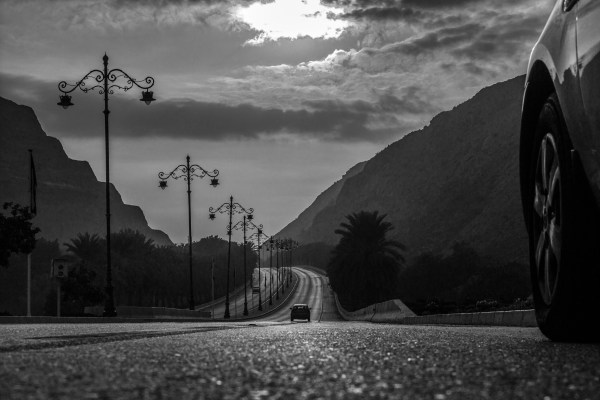
The Road by Imran Zahid

Composition is everything in any type of photography and in black and white, it is literally everything because you don’t have colors to complement it. All you have is composition. Through proper composition you can direct the viewer to observe certain parts as subject and remaining as background. Placing a subject to the strongest part in frame and arranging other elements is really important and it makes or breaks any image. Rules of composition like rule of thirds, leading lines and negative space are the key to black and white photograph.

2. Contrast

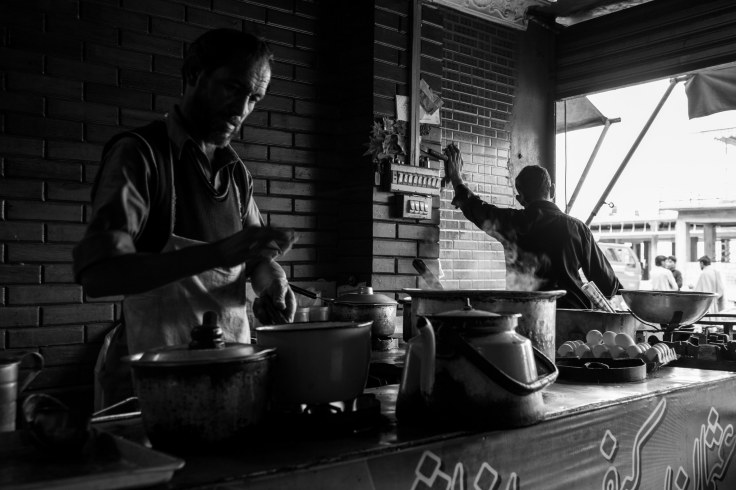
tea_making
Tea making by Imran Zahid

Black and white photography is all about contrast. The more the better. A lot of shades of grey will not make a dramatic black and white photo. Drama starts where there is more contrast, more blown out and darker areas. These imperfections are actually the one that creates emotions in black and white photography. Always look for contrast in a photo. One tip regarding exposure. Expose for lighter areas as you can recover details in darker areas more easily in RAW files as compare to recovering highlights. Another tip is to shoot in RAW format and set built in black and white option. That way you can see the result immediately and even if you want color RAW file always contains color information. One final tip regarding conversion to B&W is to use separate color sliders after conversion to adjust certain parts of image like blue color to adjust sky. Also you can use luminescence sliders to adjust areas by their brightness.

3. Convey an emotion or story

18622493935_a0f24aa9a8_z
Wisdom by Imran Zahid

Since a black and white photograph doesn’t have colors so you cannot just purely depend on visuals. You need to convey some story or some emotion else your photograph will fall flat. It doesn’t have to be a photo journalistic in nature. A simple smile or some interesting character in its surrounding is more than enough but make sure it conveys enough details.

4. Look for strong shapes and texture

TheCave
The Cave by Imran Zahid

Strong shapes and lines and curves always makes a photo more interesting. In black and white it is much more prominent as these strong lines and curves actually defines edges and separates one object from another. So try to integrate some strong lines and shapes for better definition and detail. Texture is also more observable in black and white photograph than in color.

5. Look for some interesting light

15486699860_874eb5331b_z
Walking Shadows by Imran Zahid

Try to look for dramatic/directional lighting source in your photograph. Directional light defines edges more clearly and hence bring details and definition in your objects. It can bring contrast in your photograph. Also dodging and burning is one classic technique that a lot of black and white photographers use to highlight the areas in image that they want their viewers to concentrate more on.

So here it is . Everything I know and discovered about black and white photography over the time. If you didn’t tried it. Do it. Its worth it. Its a bit difficult in some respects but its timeless.Its creative and worth giving a shot. Feel free tp pitch your ideas in comments sections.


Blog at WordPress.com.

Up ↑