How to Make Money with Street Photography

Street photography is an art form that captures candid moments in public spaces, often reflecting the essence of everyday life. While it’s primarily a passion for many, did you know that you can also turn your love for street photography into a source of income? In this article, we’ll explore the exciting world of making money with street photography and guide you through the steps to achieve success in this niche.

Introduction

What is Street Photography?
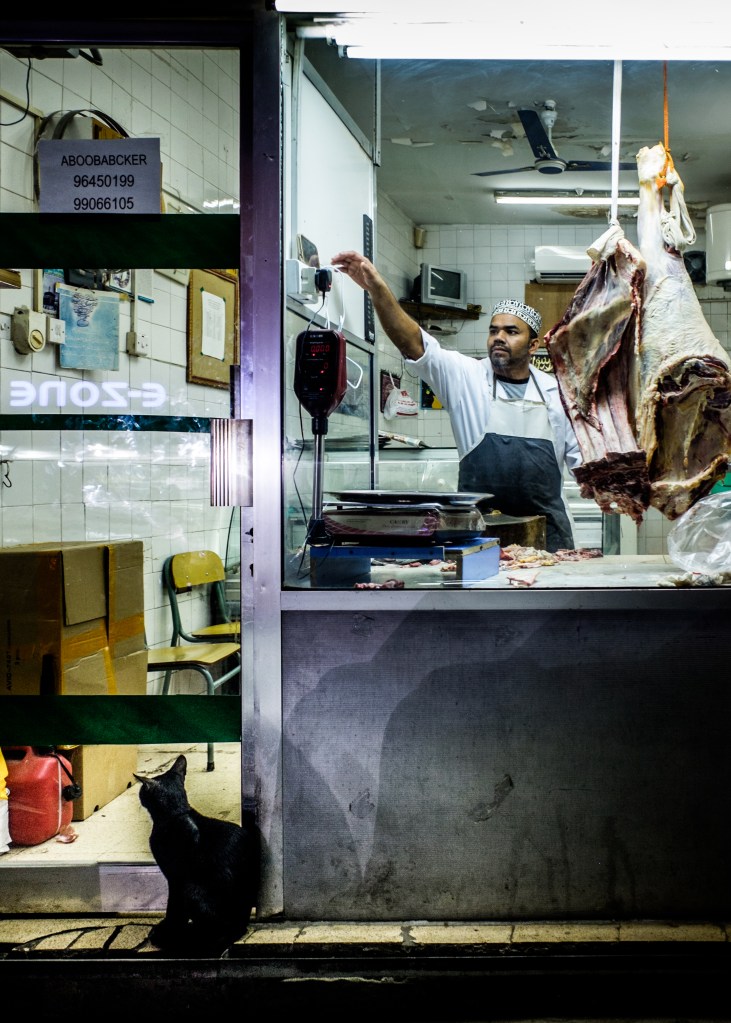
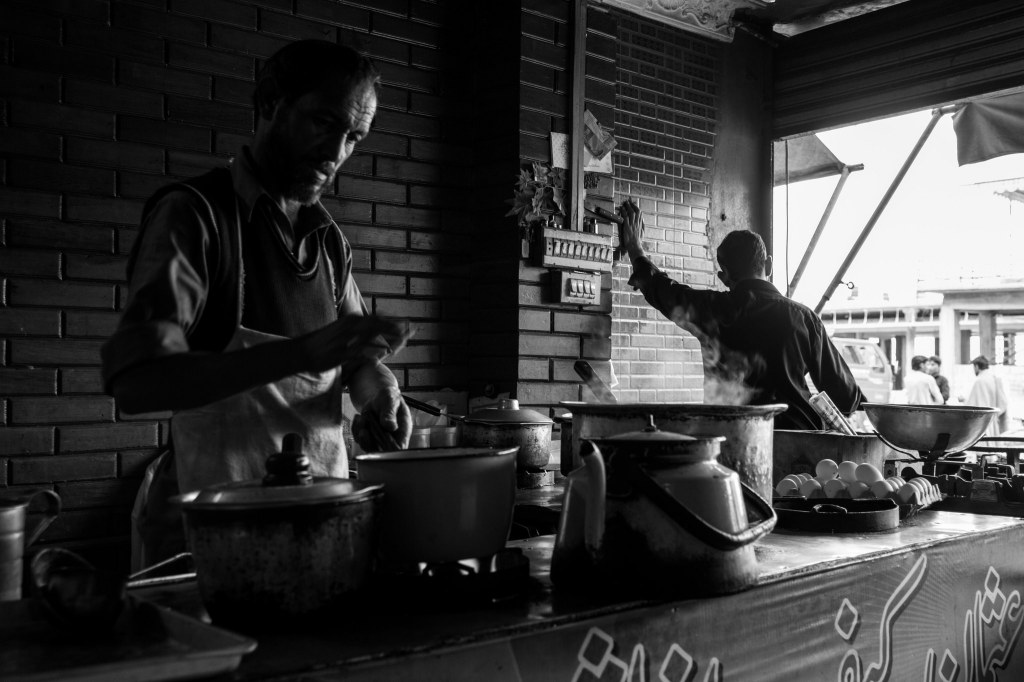
Street Photography definition is probably the most debatable one. In a sense it occupies almost everything that happens on street. It focuses on capturing unscripted moments in public spaces. It’s about telling stories through images, often highlighting the beauty in the ordinary and the unexpected. Street photographers roam the streets, parks, and alleys, seeking to freeze moments in time that others might overlook.

The Allure of Street Photography
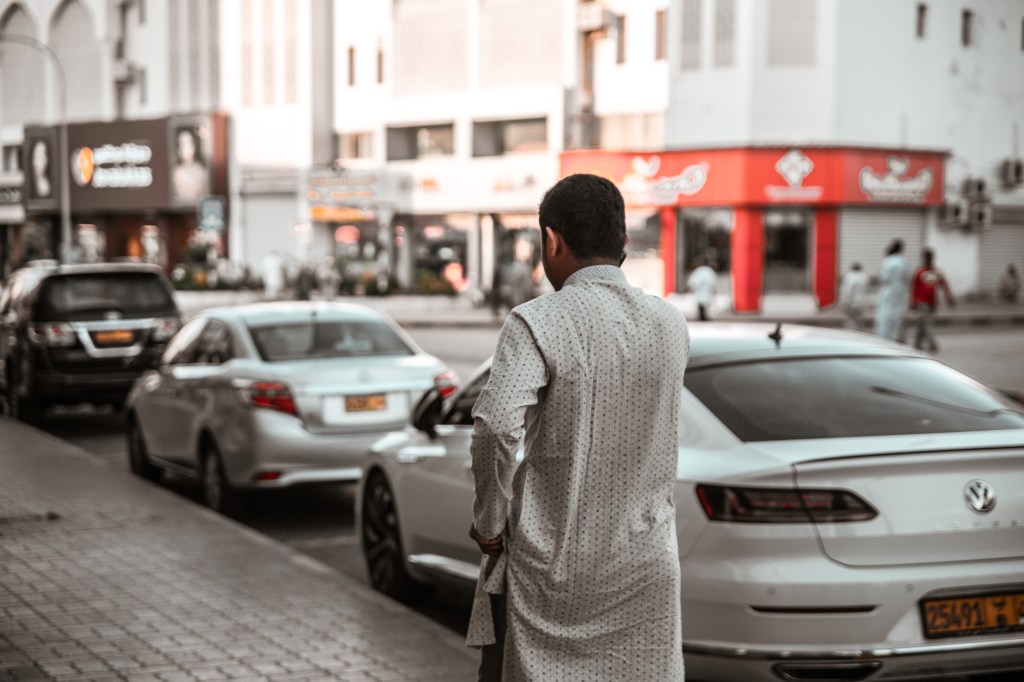
There’s a unique charm in street photography. It allows you to observe the world from a different perspective, paying attention to the details that often go unnoticed. Street photographers are like modern-day urban storytellers, using their cameras to document the world’s ever-evolving narratives.

Can You Really Make Money with It?

Yes, you can. While street photography might not be the most conventional path to financial success, it offers numerous opportunities to generate income. From selling prints to licensing your photos for commercial use, there are various avenues to explore.

Getting Started with Street Photography

Choosing the Right Equipment

Before you start your journey into street photography, it is important to have the right gear. That will decide which tyoe of photgraphs you will get easily. While someone prefer high-end cameras, others have achieved remarkable results with more compact setups.

Over the years, I prefer cheaper and more basic camera than an expensive one. People usually don’t notice cheaper and compact cameras and become more open to be photographed.

Learning the Basics of Photography
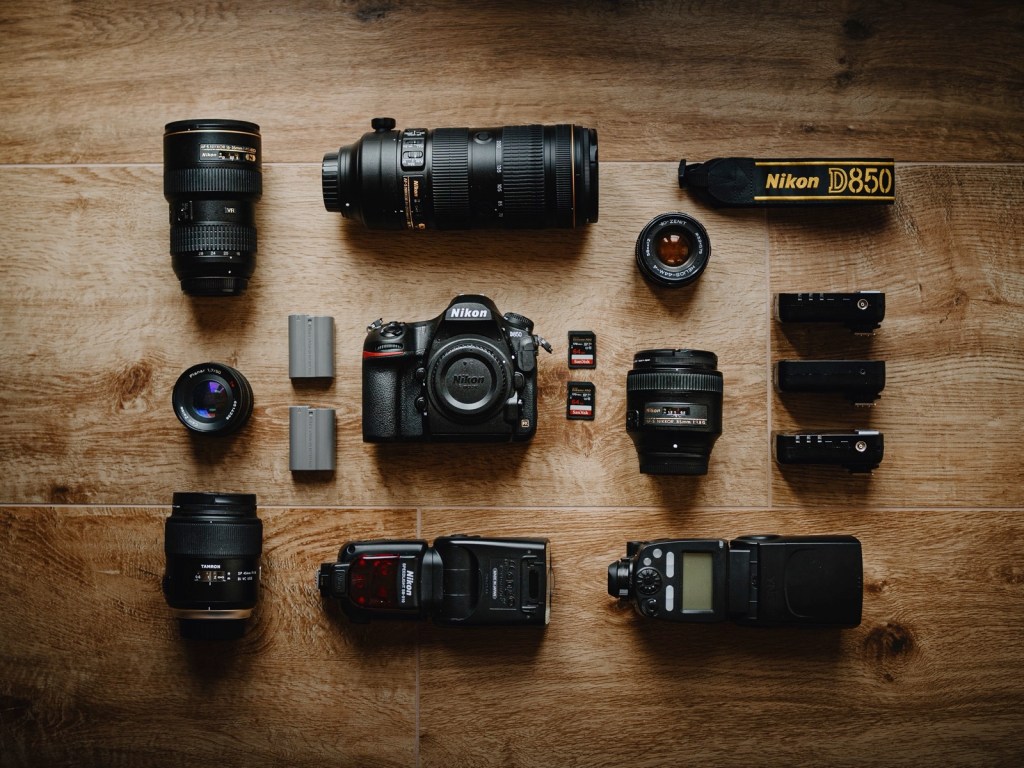
To excel in street photography, you should understand the fundamentals of photography, including composition, exposure, and lighting. Along with this, timing is something that is of utmost importance in street photography. Familiarize yourself with your camera settings to ensure you can capture those fleeting moments effectively.

A lot of photographers use manual mode with pre configured focus distance so that yu can capture the moment with focus hunting even in low light. Others put ISO to large numbers so that the moment can be captured with high shutter speed. Check out few techniques here.

Finding Your Niche in Street Photography
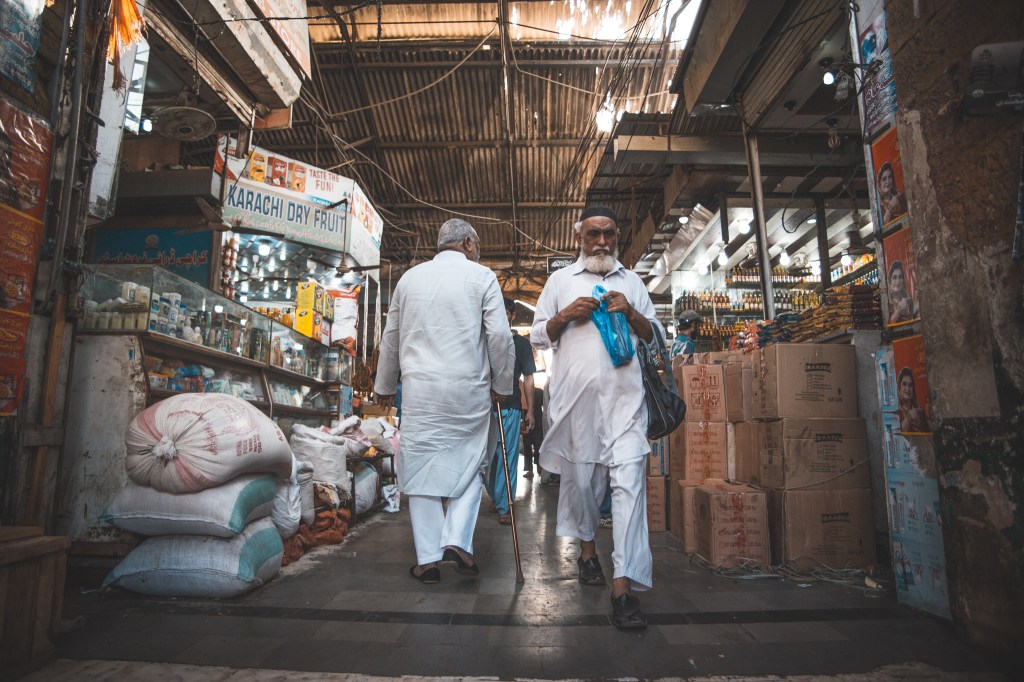
Street photography is incredibly diverse. Some photographers focus on capturing portraits of strangers, while others document urban landscapes. Finding your niche within this genre can help you stand out and attract a specific audience.

In begining, don’t limit yourself to just one niche. You can always copy the basic idea for photographers that you follow but trial and error is the key. Try as many new areas as possible. In this proces you will find what you truly like and then focus on that in detail.

Building Your Street Photography Portfolio

Capturing Compelling Moments
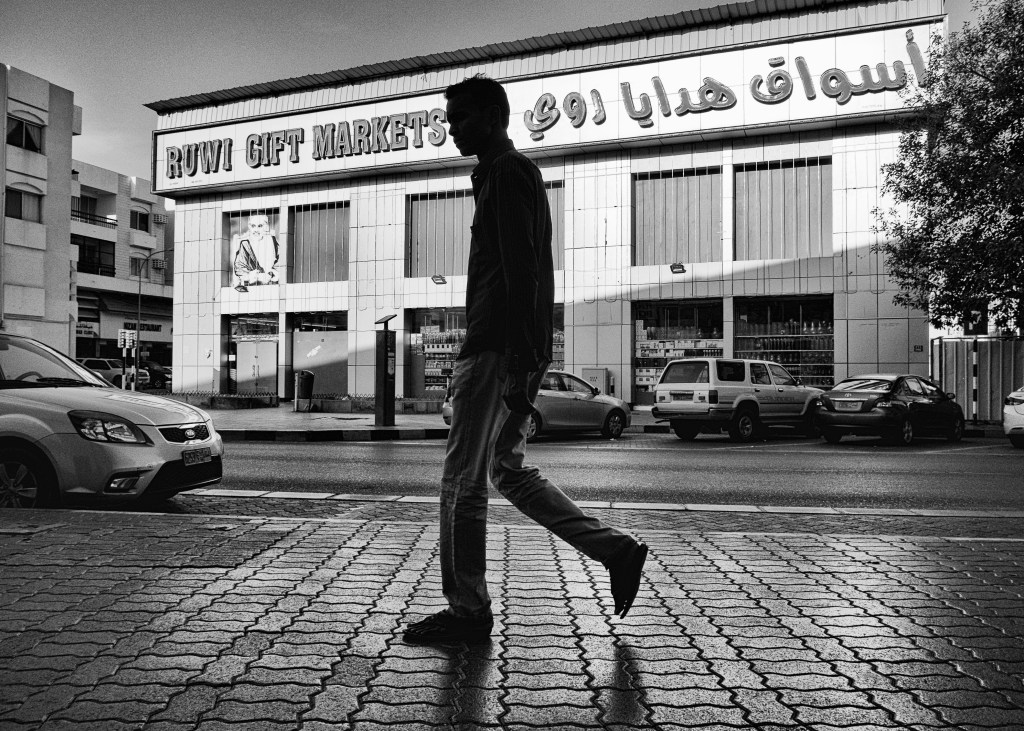
Creating a portfolio of stunning street photographs starts with your ability to capture compelling moments. Learn to anticipate scenes and react quickly to document the perfect shot. Patience and persistence are your allies.

Try to pick a corner on stret and spend sometime on it. Observer the activities and try to anticipate what’s interesting is going to happen. Frame your shot in advance and just wait for right moment, Change your location every 20 minutes or people will start noticing you.= and become uncomfortable.

Developing a Unique Style

Your style is what sets you apart from other street photographers. Whether it’s the way you use color, framing, or storytelling, developing a unique style can make your work instantly recognizable.

A lot of people use black and white photography. Usually it hides a lot of ugliness in frame because you have little control over background. Also people try specific color grades like Alen palender using muted colors for his photographs.

Try to experiment and come up with something unique and practicle.

Telling Stories Through Your Photos

This person was in a hurry to join his flight when I captured him. You see ow walking and planes in background related to each other.

Great street photography tells stories. Learn to observe and convey the emotions, narratives, and messages within your images. Your photos should evoke feelings and provoke thoughts in your viewers.

Your stories doesn’t have to be very epic and documentary style. Just a emotion is more than enough. Try to check if background can ad something to it or not. If Yes, then very good other remove background clutter by moivng closer.

Online Presence and Branding

Creating a Photography Website

To showcase your work and attract potential clients, consider creating a photography website. It’s your online presence, and it should demostrate your style and personality as a photographer.

Some of the online services that you can sue are

  1. WordPress
  2. SquareSpace

It really makes a difference when client sees your profile in a way you want them to see. The packages are quite customizable according to your need. And you can integrate online stores or donations as well.

Leveraging Social Media Platforms

Social media is a powerful tool for photographers. Establish a strong online presence through an active social media profiles. Share your portfolio and engage with potential clients. Use platforms like Instagram and Facebook to share your work, engage with your audience, and connect with potential clients.

Building Your Personal Brand as a Street Photographer
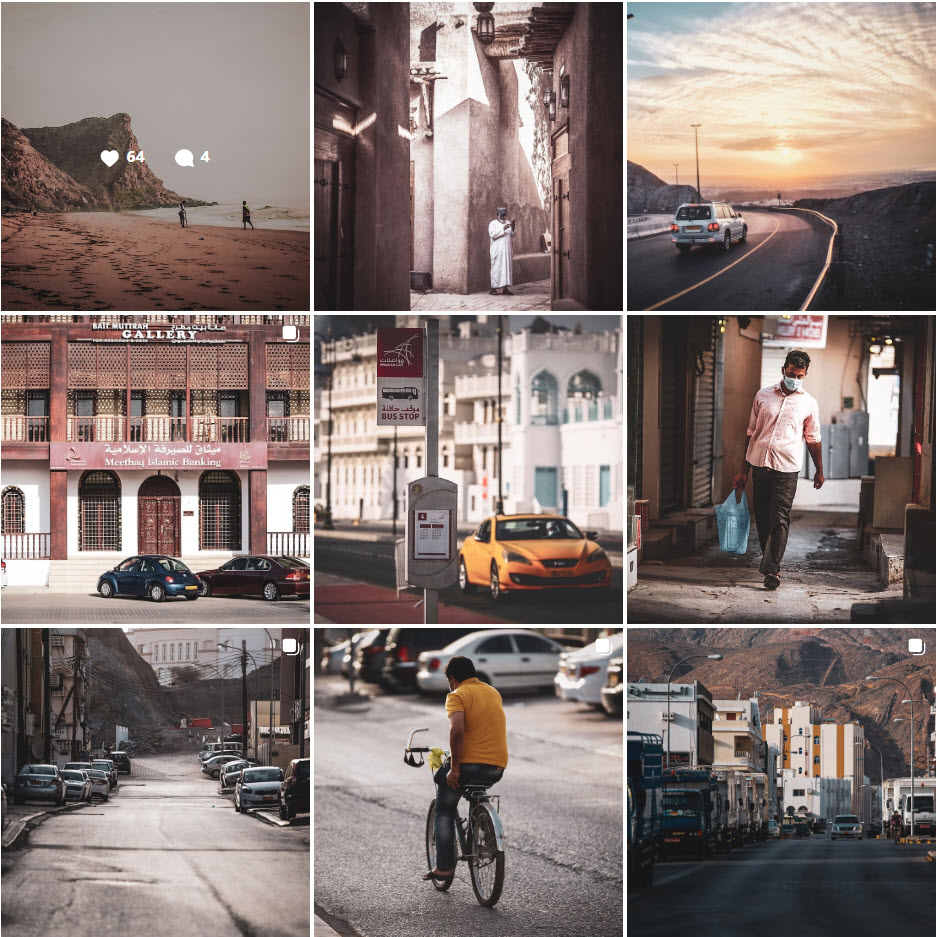
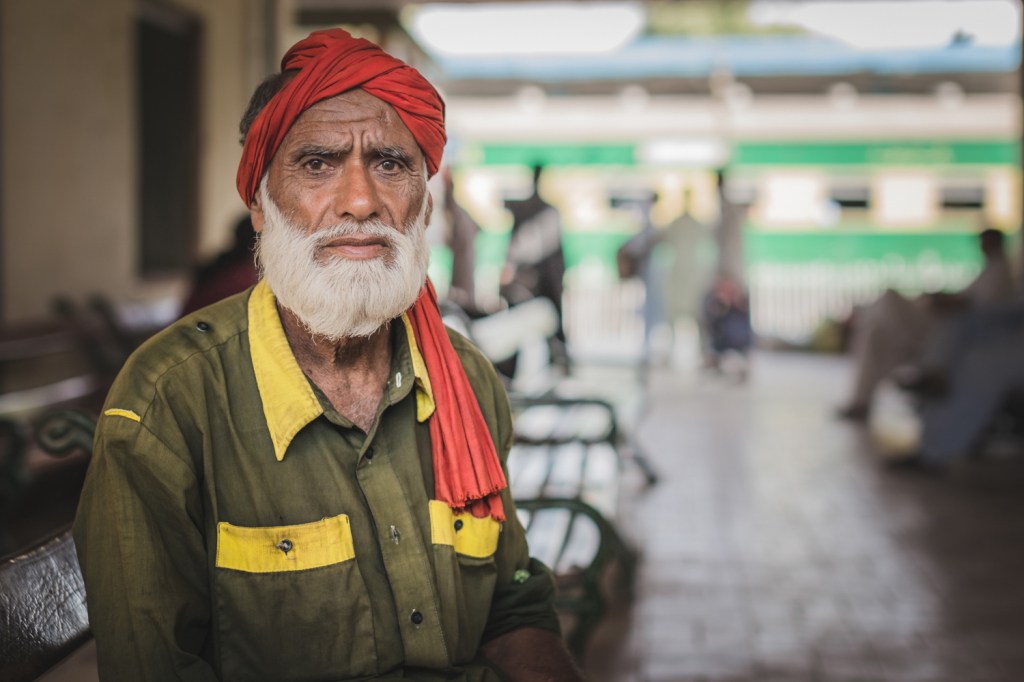
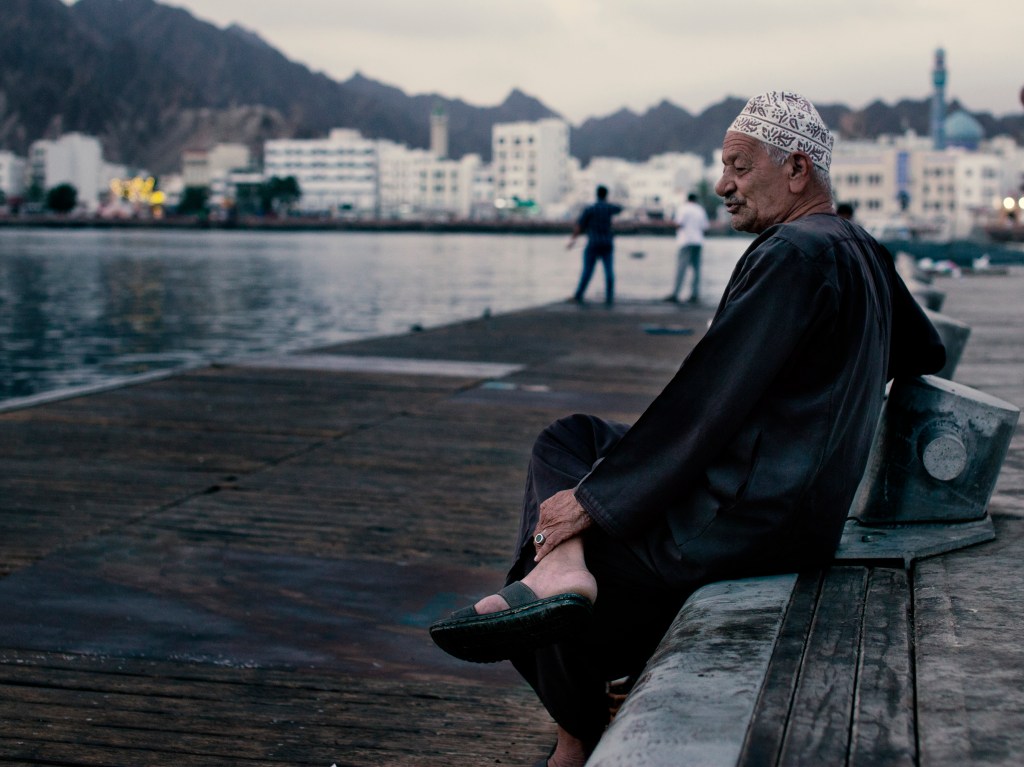
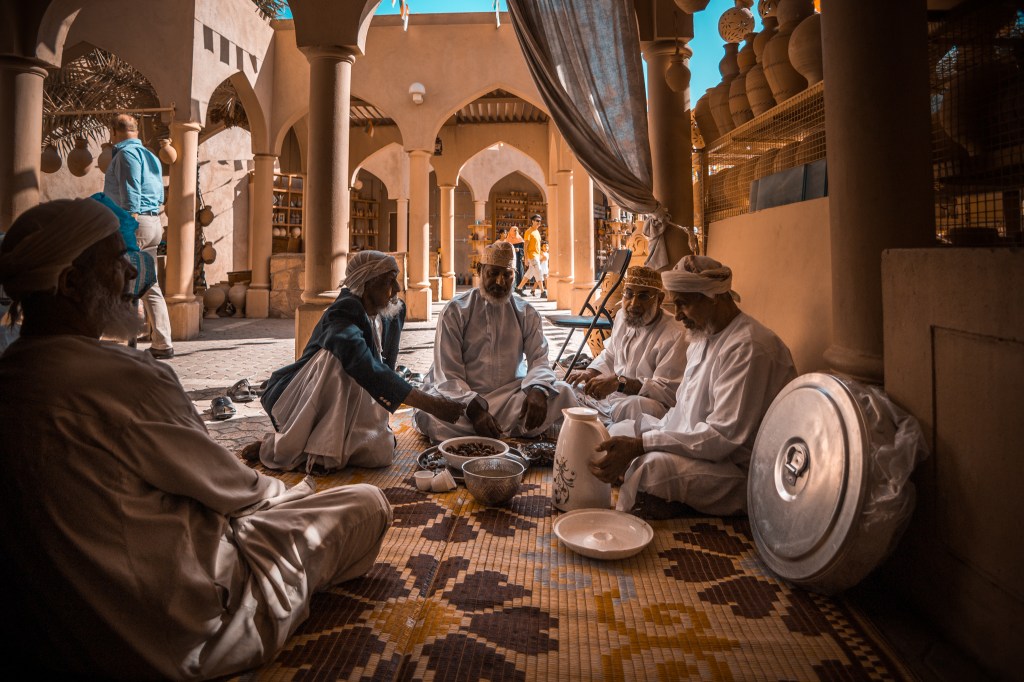
You see how all of these photos are similar in terms of color theme and processing style.

Your personal brand is your identity as a photographer. It encompasses your style, values, and the stories you want to tell through your work. Building a strong personal brand can help you stand out in a competitive field.

Try to create a specific style in your photographs. You may not be able to pull off this thing everytime but over the period of time you will have enough photos that show cases your specific style.

Monetizing Your Street Photography

Selling Prints and Art Exhibitions

One of the most direct but also the oldest ways to make money with street photography is by selling prints of your work. Its very lucrative but tat the same time very few people now a days go to actual galleries to purchase those. You can also consider exhibiting your photographs at local events.

Licensing Your Photos

Many businesses and publications are willing to pay for high-quality street photography. Licensing your photos for commercial use can provide a steady stream of income.

500px is one such website. But at the end, it depends upon public demand. You can also try stock photography websites for that.

Offering Photography Workshops and Tours
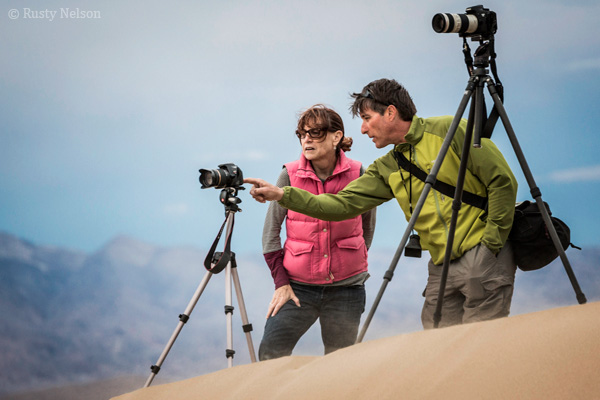
If you’re an experienced street photographer, you can share your knowledge and skills by offering photography workshops and tours. This not only generates income but also builds your reputation as an expert.

I am conducting Steet Photography workshops / photowalks in Oman for quite sometime. You can find the details here. Photography tour is a relatively new concept but its gaining momentum recently. People who are interested in photpgraphy and travelling wants some seasoned photographer to show various parts of city that are photogenic. You can tap that market if you are familiar with your location in terms of good locations suitable for photography.

Networking and Collaboration

Networking with fellow photographers can open up opportunities for collaboration and learning. Attend photography events and join online communities to expand your network.

Collaborating with businesses and publications can lead to paid assignments. You might be asked to shoot promotional campaigns or contribute to magazines and websites.

Participating in photography communities and contests can help you gain recognition and exposure. Winning or being featured in contests can boost your credibility and attract clients.

Overcoming Challenges

Dealing with Legal and Ethical Issues
Street photography can raise legal and ethical concerns, especially when photographing strangers without their consent. Be aware of the laws in your area and respect people’s privacy.

Handling Rejection and Criticism
Not every photograph will be a masterpiece, and not every opportunity will lead to success. Learn to handle rejection and criticism constructively and use it as a stepping stone for improvement.

Staying Motivated During Slow Periods
Like any creative endeavor, street photography has its ups and downs. During slow periods, stay motivated by exploring new techniques, revisiting old projects, or taking a break to recharge.

Conclusion

In conclusion, making money with street photography is both challenging and rewarding. It requires dedication, skill development, and a strong online presence. However, with the right approach and perseverance, you can turn your love for capturing candid moments into a fulfilling and profitable endeavor.

Try these 7 Essential Travel Photography tips

Introduction

Everyone loves vacation. Usually when we travel, no matter how far and wide, new or beaten path, we all love to document our experiences.

Sometimes it’s our our simple vacation to some nearest locations for a change. Or sometimes we do travel to get some inspiration for our photography.

Travel photography is by far the most loved genre of photography. Here are few tips that will surely help you maximize your productivity while doing travel photography.

1. Pick the right gear.

Selecting proper gear is of prime importance in my opinion. It somewhat depends upon the purpose of vacation. Very few people actually travel only for photography. Majority of people just want to clear their minds. They want to enjoy and have a good time. And in the process they want some good photographs.

The key is to travel as light as possible. For me its just one camera body with one walk around lens. I try not to pack a complete camera bag with 2,3 lenses, laptop and accessories etc.

I always take my canon 6D with sigma 24-70 f2.8 lens. Yes I do miss 20mm focal length for landscapes and 135mm for street portraits. But keeping just one camera-lens setup forces me to look for creative alternatives.

Check out my article on Contrastly : How a single camera and lens can improve your photography. In this article Inexplained how I used Fuji x70 during my entire vacation. It has a fixed focal length of 28mm. If you are into street photography Fuji x70 will be your perfect partner. Check my review of fujix70.

2. Document your own Journey too.

It’s very easy to dive too deep into photography while You are on your vacations. Remember, vacations are meant to enjoyable and if you are too serious about your photographs, you will end up feeling exhausted by the end.

Document your entire journey along the way. Take photographs of your car, hotel room, restaurants where you dine and any tour guide or local food. Capture all the crazy and silly moments. Its these photos that you will cherish after 10 years.

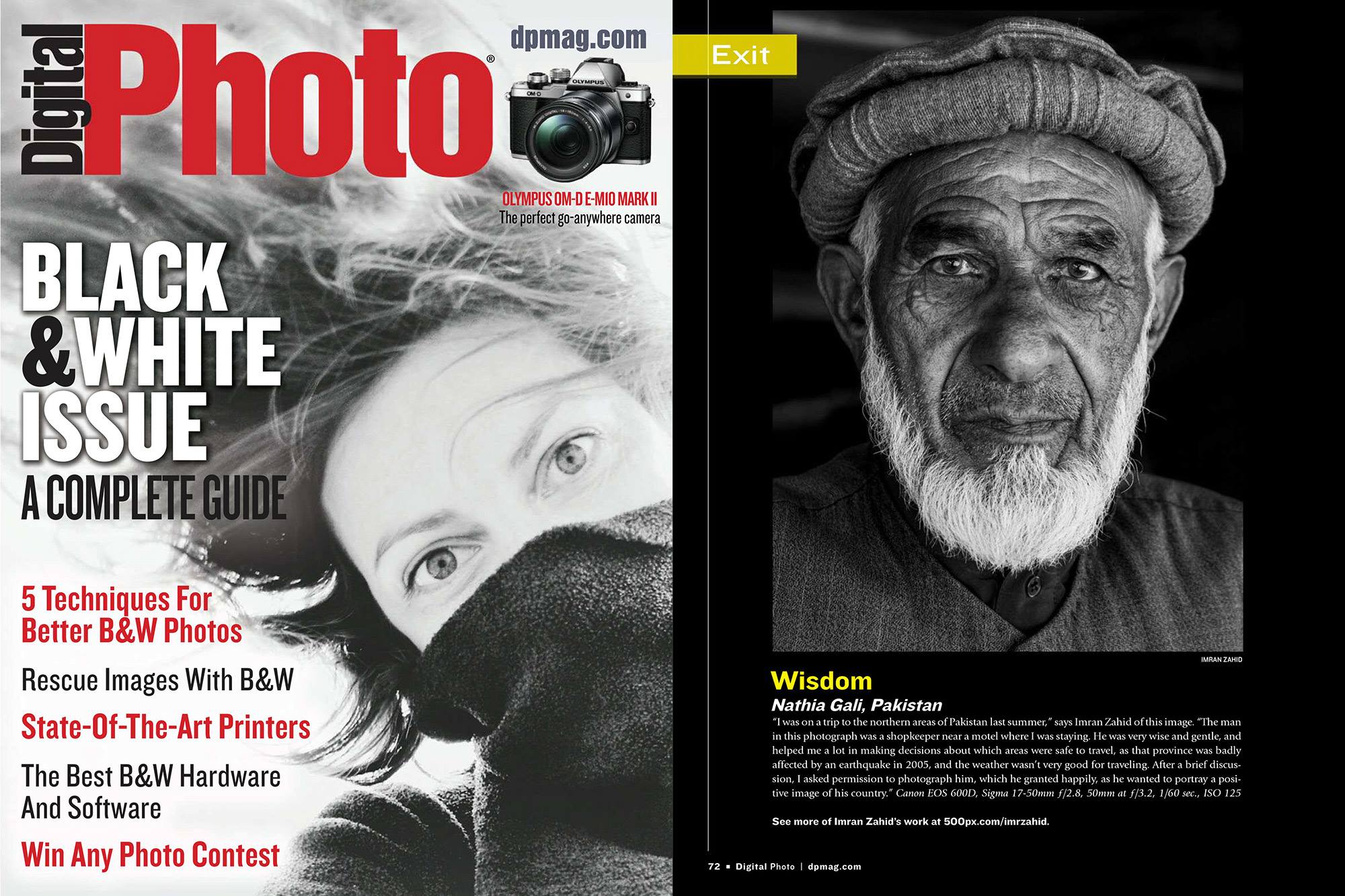
While documenting all these things, you might get a lot of good professional photographs as well. I always try to take proper portraits of people I am interacting while I am on journey. I met one old guy (shop keeper) once on my vacation. I took his portrait and that picture ended up as full page feature on Digital Photo Magazine.

My Travel Photo as a full page feature in DP Mag

3. Hire a Local Photographer as guide.

Not all of us can afford a tour guide, yet alone a photographer guide. But if you are serious about photography or you are on some project, hiring a local photographer will go along way.

Local photographers knows all about the place. they know which time and location is best for which type of photograph. They know where permissions are required and where you can simply sneak and take your shots quickly.

You can search local photographers on instagram. Contact them using DM and describe what you want exactly. Once agreed on a price, you are good to go. I used that concept and now I started my own business based on this.

If you are coming to Muscat,Oman, feel free to contact me ( im.zahid@hotmail.com ) for any photography tour, Photography workshop or on-location vacation shoots.

4. Make the Most out of your time.

Unless you are on a specific project, don’t be too eager. Divide your day time into chunks of time for photography and leisure. Golden and blue hours are definitely important and should be taken seriously for good landscape and outdoor portrait shots.

But after sun is high enough or after dark, still you can do a lot. Harsh light might be bad for landscapes but it is very good for street photography. You can make use of strong light and shadows during this time while walking inside markets and pathways. Night time is good for documenting night life of a city. Even same place looks enitrely different during daylight and night time.

So use your time wisely. Also use bad light for your leisure as much as possible. I usually take a sandwich or some snacks during actual shoot and go to restaurants, movies,shopping and meeting friends during bad light. That way I utilize my time more efficiently and balance my photography/leisure time.

Light and shadows

5. Do your Homework.

It doesn’t matter whether you hire a local guide, photographer or you have a friend. Always do your homework before going to vacation. Always search for worthy locations and local activities. It will help you in making a blue print of what kind of photographs you might end Up when your vacation finishes.

When you are hiring a guide or photographer, always contact them and discuss these in advance. Check with your fellow photographers or friends who have been there. Once your homework is done. It will be much easier for you to check if everything is going in a right direction or not.

6. Mingle with locals.

If you really want to make the most out of your vacation, try to communicate with locals. I know, when you are travelling to distant places, there is a language gap. But you will always find someone that can do it for you or someone that knows a little bit of English.

Communication with locals open new areas for you. You might get unexpected opportunities of photography. Your knowledge will widen as you start communicating with them. You will start to know their customs and traditions etc.

I always communicate with locals and try to capture the real essence of that area. For street and portrait photography, it is the best strategy.

7. Don’t Compromise on your Safety.

Not all countries and cities are completely safe. Even some of the safest countries have few cities that are not safe. So, if someone informs you about something, do take it seriously. If you end up losing your expensive gear or get injured, it will ruin your vacation.

Don’t try to look too overly classy. Hide your brand name on your gear. Keep your eyes open if you think something fishy is going around. Always check with locals about security situation if you are in a city that has a bad reputation.

Some places require permission from certain authorities before taking pictures. Check for these things from local guides or hotel staff first.

Conclusion.

The key to good travel photography is a combination of being at the right place at right time. Whether you are a PRO or an amateur photographer. Whether you have an expensive camera setup or a simple point and shoot. These travel photography tips will still be applicable to you.

And last but not the least. Travel photography is supposed to be fun. So keep it that way. Don’t stress out if you are not getting good shots. Just keep your cool and make use of your time based on my tips while enjoying your vacation.

Peace.

Up close and Personal – MACRO Photography Tips

This post is also published on PictureCorrect.com. You can find it here.

Whether you accept it or not, we all love MACRO photographs. I mean, who doesn’t like an intensely detailed bug or a flower on a silky creamy background? The first thing that we do after getting our hands on DSLR for the first time is to go to our backyard and start taking flower pictures. But in reality , MACRO photography is much more difficult as it seems to be. I do normally landscape and street photography but recently I decided to give a try to MACRO and found it to be much more challenging technically as compared to any other type of photography.

I just started it, so I am not an authority on it. But I just learned some stuff about it so I decided to write a blog post on it to keep everything in order so that I can start improving on top of it.

Like every picture, a macro has its aesthetic as well as technical aspects so first start with its aesthetic qualities because it’s easier to learn and it doesn’t require any extra gear/add-on.

Aesthetic Qualities

1. Simplicity IMG_8718

The Allium by Imran Zahid

Macro is all about one and only subject. Unlike landscape or street or any other type of photography, it doesn’t and shouldn’t have any layers or multiple points of interests. The image should be damn flat with all the attention leading towards the subject with minimum connection with background. When I am saying minimum connection I mean aesthetically background should not grab attention of viewers. It should be very simple. We can achieve this by either blurring it or using high contrast compositions which is what we call figure to ground relationship.

2. Details

IMG_8746
Apple by Imran Zahid

The ultimate goal of a macro shot is to show the unique and fantasy world that normally we cannot see with our naked eye. So choose your subjects wisely. Don’t select subjects that we used to observe normally in detail. Choose subjects and their angles that we are unaware of. Try to show the absolute level of detail that even if we look closely with our naked eye , we can’t. That’s where the MACRO photos actually shine. That’s why a lot of people are going towards insects and bugs as we don’t normally observe them so closely. As the saying goes , the devil is in the details. So , get extremely close to your subject and try to bring a completely new world to your viewers.

3. Composition

IMG_9240
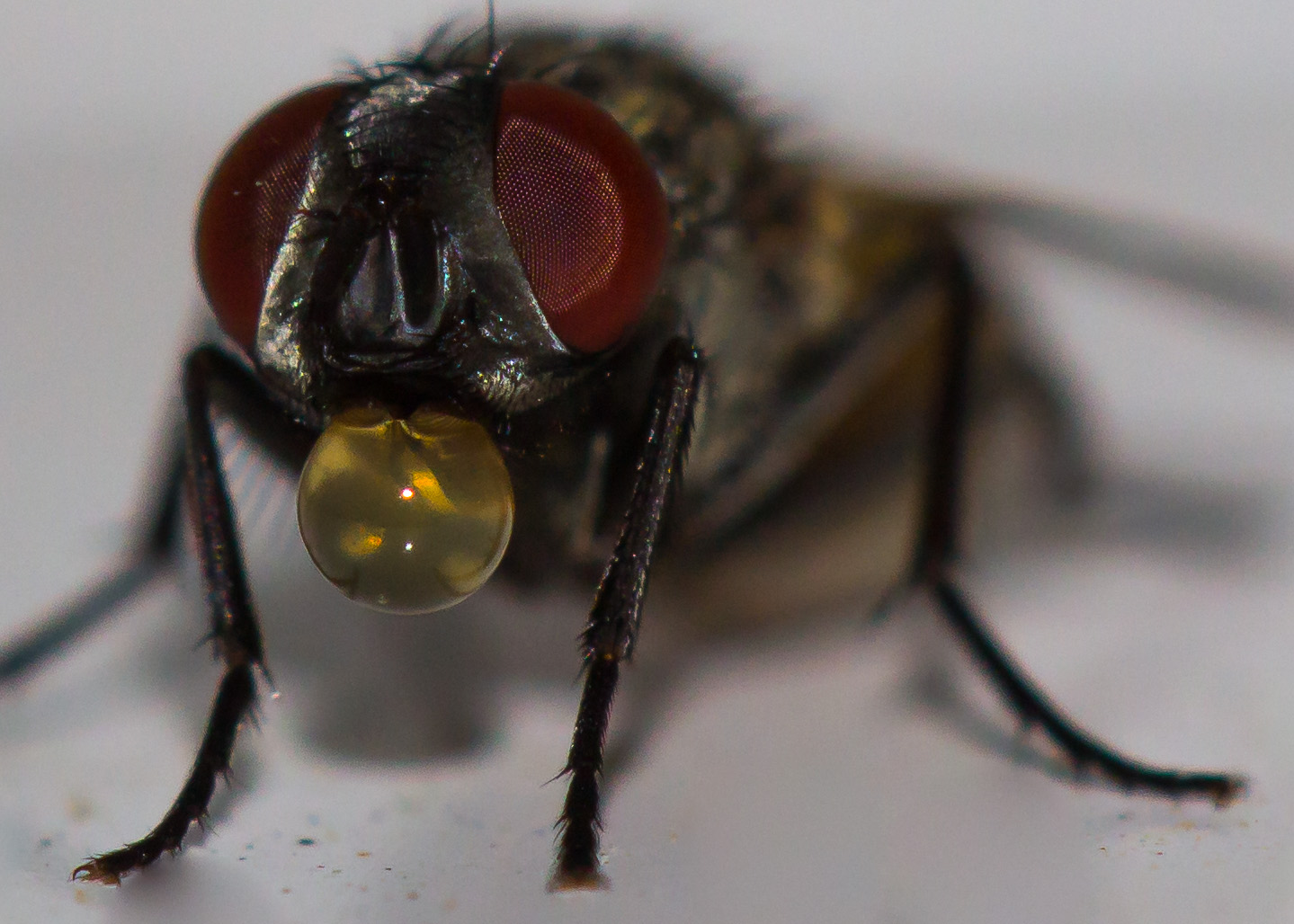
The Fly by Imran Zahid

Just because there are minimal components in MACRO photograph, doesn’t make it less worthy for putting effort in composition. In fact, composition is extremely vital for the success of macro photos. Composition rules like golden ratio, rule of thirds, diagonals and leading lines were never so important before MACRO photography. It’s very important to create dynamic and fluent compositions or else chances are that even with immense amount of captured details, the photograph will still fall flat on its face. So utilize all those composition rules on macro to make it more interesting and eye catchy.

With all its simplicity, MACRO photography is not at all simple when it comes to technical aspects. Below are some of the technicalities you need to keep in mind while doing MACRO.

Technical Challenges and their solution

1. Limited Depth of Field

IMG_8447-3
Housefly by Imran Zahid

Normally when we do portraits or stock or street photography, we are doing everything in our power to create creamy bokeh and shallow depth of field. But when it comes to MACRO it’s the other way around. We are doing everything to get a few extra millimeters in focus so that we can capture details properly. Because we are focusing very closely (normally only a few inches) , depth of field is literally in millimeters. Now you can do a couple of things . You can go back a little , loose some details but get more focus or increase aperture. Both approaches have their own pros and cons. You can only increase aperture to a limit where diffraction don’t happen otherwise entire picture will be soft. Even if you increase aperture within limits, since it changes exposure, you need to either slow down shutter speed or increase ISO.YES, welcome to Hell of MACRO world. So it’s a whole trial and error procedure to see what’s acceptable for you in given condition.

2. Exposure / Lack of light

IMG_8667-4
The Bee by Imran Zahid

As mentioned above , you need to increase your aperture to your maximum limit if you want your tiny subject to be completely in focus. But with this approach , your exposure will be down by miles. Now in order to get proper exposure , you can do a few things.

  1. You can decrease shutter speed if possible (stationary subject)
  2. Increase ISO to acceptable limits
  3. Use some sort of flash

Best solution is a combination of all. Now a day camera ISO performance is pretty good , so you can go with this option safely. Flash with some modifiers are also cheap. Even popup flashes will work. I do all MACRO work with popup flash. It can produce decent results. Shutter speed cannot be changed in most of the situations but whenever its possible go for it too.

3. Noise Reduction

IMG_8544-3
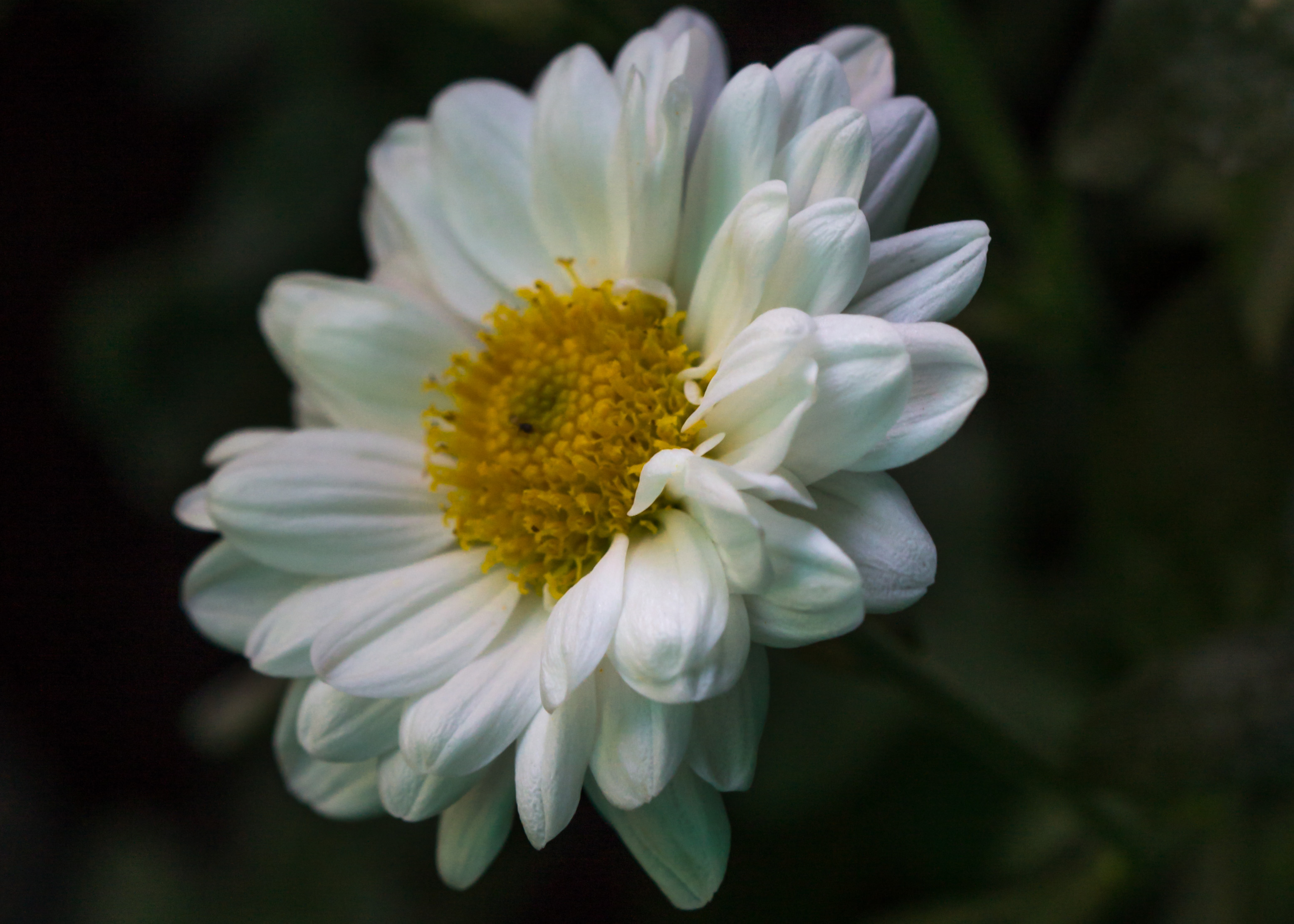
Daisy Flower by Imran Zahid

Even after all these remedies, still you picture will have a lot of noise especially if you are using crop censor bodies like me. And since MACRO pictures are normally simple in composition with very plan/creamy backgrounds , the noise is very much visible. So, you might not came across this noise issue until now in other types of photography but you need to seriously know how to reduce noise in you photos now. Noise reduction and sharpening go side by side and I can point you to some of very good tutorials on it that really helped me overcome this.

How to do Noise Reduction in Lightroom

How to Properly Sharpen Images in Lightroom

The whole point of this section is not to De-motivate you but to actually prepare you to handle all these issues. They are not as big as it seems. But if you really like your photographs to be what you saw on internet , you need to work around these issues.

Conclusion

Macro photography is really fun. Even on those days where you feel dull and you don’t want to go outside for landscapes, street or any other type of photography. You can do macro in your backyard or even in your room. Its really fun. Its demanding but at the same time very rewarding as well. If budget is not your problem you can certainly go for following gear to help you in your tasks.

  1. Ring flashes for beautiful even lighting or even separate TTL flash for controlled lighting.
  2. Full frame body for better ISO performance.
  3. A good tripod with cable release for stationary subjects.
  4. Flash modifiers and backgrounds for creating some mood in your photos.

Even if you are on a budget, don’t let this hamper your spirit. You can do everything without all fancy gear. You just need to be patient and know have to how to work around these issues. The WORD here is persistence. Stick to your goal and you will eventually able to do it. You don’t even need a dedicated MACRO lens for it. If you are on a budget You can go on following route

  1. Instead of dedicated MACRO lens, go for reverse ring or extension tubes. A little difficult but much less costly than lenses.
  2. Instead of ring flashes , purchase popup flash modifiers. Very cheap in market.
  3. Learn thoroughly how to reduce noise and increase sharpness in light room/Photoshop.

That’s it. Happy hunting

Blog at WordPress.com.

Up ↑