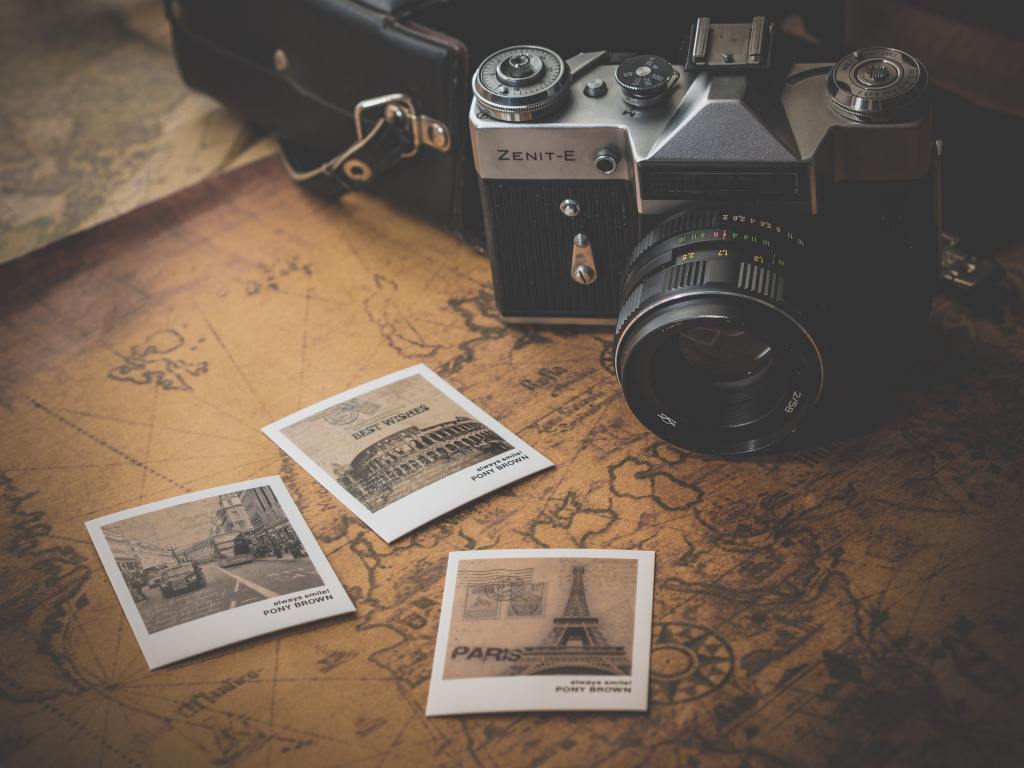
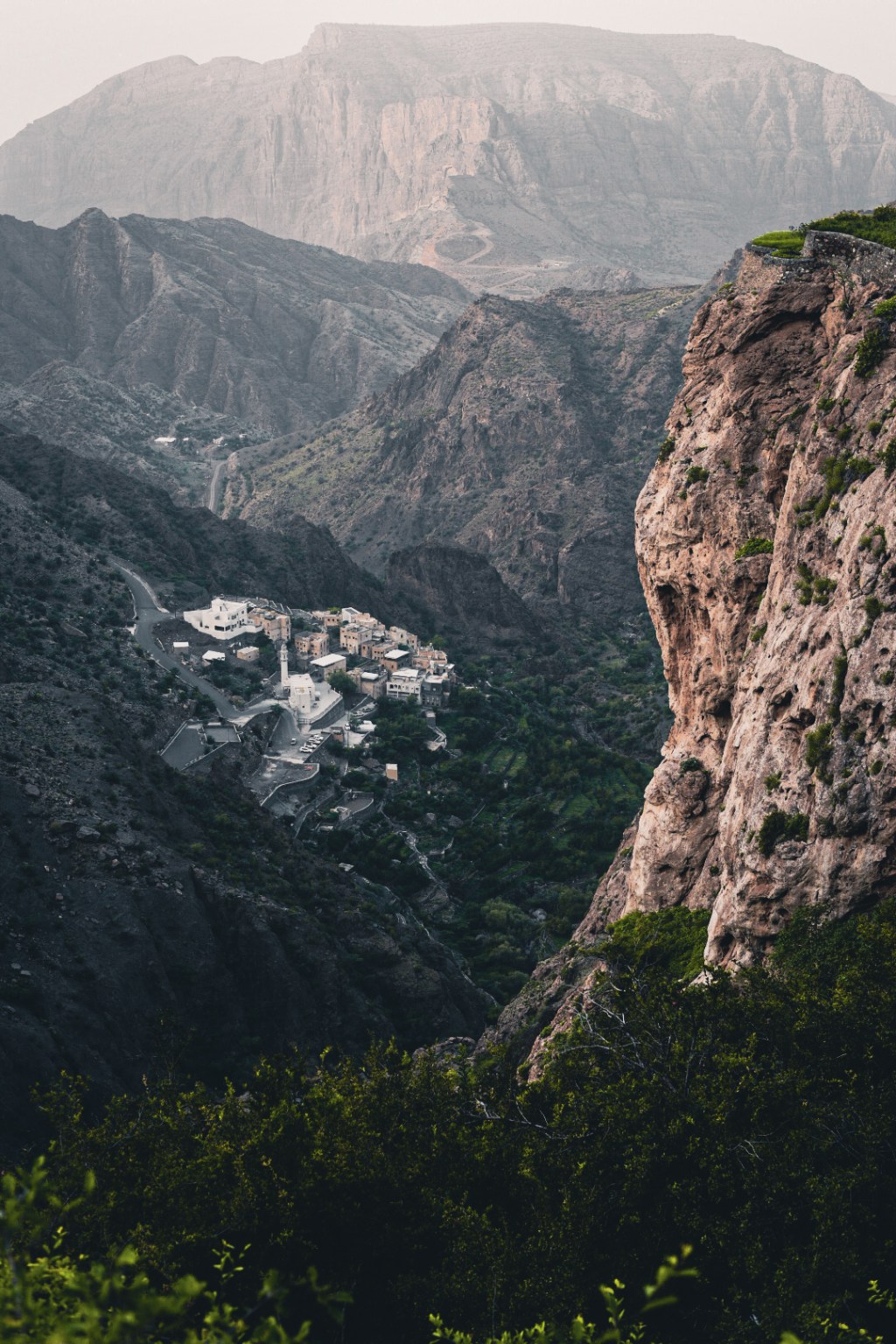
What is Travel Photography?

  1. Introduction
  2. Understanding Travel Photography
  3. The Importance of Travel Photography
  4. Equipment for Travel Photography
  5. Tips for Capturing Great Travel Photos
  • 5.1 Research and Plan Your Trip
    • 5.2 Capture the Essence of the Location
    • 5.3 Experiment with Different Perspectives
    • 5.4 Mastering Lighting Techniques
    • 5.5 Tell a Story through Your Photos
    • 5.6 Focus on People and Culture
    • 5.7 Capture Candid Moments
    • 5.8 Post-processing and Editing
    • 5.9 Building an Online Portfolio
  • Inspiring Travel Photography Examples
  • How to Become a Travel Photographer
  • Conclusion
  • FAQs
  • 9.1 Is travel photography only about capturing landscapes?
    • 9.2 What camera gear is essential for travel photography?
    • 9.3 Can I become a travel photographer without formal training?
    • 9.4 How do I monetize my travel photography?
    • 9.5 How can I overcome language barriers while photographing in foreign countries?

Want a photoshoot in Oman or Looking fot tour?

1. Introduction

Travel photography is a captivating art form that allows you to document and share your travel experiences through stunning visual imagery. It goes beyond simply taking snapshots and encompasses the artistry of capturing the essence of a place, its people, culture, landscapes, and moments that make your journey unique. In this article, we will delve into the world of travel photography, exploring its significance, providing tips for capturing exceptional travel photos, showcasing inspiring examples, and offering guidance on how to embark on a career as a travel photographer.

2. Understanding Travel Photography

Travel photography is the art of capturing compelling photographs while exploring new destinations. It involves immersing oneself in the local culture, traditions, and landscapes to visually communicate the experience to others. It can encompass various genres, including landscape, street, portrait, wildlife, and architectural photography. The goal is to create images that transport viewers to different parts of the world, evoking emotions and telling stories through visuals.

3. The Importance of Travel Photography

Travel photography holds immense importance in preserving memories, documenting diverse cultures, and inspiring wanderlust in others. It allows people who are unable to travel to experience different places through images, fostering a sense of connection and appreciation for the world’s beauty and diversity. Additionally, travel photography plays a vital role in promoting tourism, highlighting destinations, and supporting local economies.

4. Equipment for Travel Photography

To embark on your journey as a travel photographer, it is essential to have the right equipment. While the choice of gear may vary based on personal preference, here are some essential items to consider:

  • A reliable camera: Invest in a high-quality digital camera with manual controls to have creative freedom and capture high-resolution images.
  • Versatile lenses: Carry a range of lenses, such as a wide-angle lens for landscapes, a telephoto lens for capturing details, and a prime lens for low-light situations.
  • Sturdy tripod: A lightweight and sturdy tripod can help you stabilize your camera for long exposures, low-light situations, or self-portraits.
  • Spare batteries and memory cards: Ensure you have enough backup batteries and memory cards to avoid missing out on precious moments.
  • Protective gear: Protect your equipment from dust, water, and extreme weather conditions with suitable camera bags, lens filters, and rain covers.

5. Tips for Capturing Great Travel Photos

5.1 Research and Plan Your Trip

Before embarking on your travel photography adventure, conduct thorough research about your destination. Learn about its culture, traditions, landmarks, and popular photography spots. Plan your itinerary accordingly to make the most of your time and maximize photo opportunities.

5.2 Capture the Essence of the Location

To create impactful travel photos, focus on capturing the essence of the location. Look for unique features, landmarks, architectural wonders, or natural beauty that defines the place. Consider the local lifestyle, colors, and textures to add depth and authenticity to your images.

5.3 Experiment with Different Perspectives

Don’t be afraid to experiment with different angles and perspectives. Try shooting from high or low vantage points, use leading lines, or incorporate reflections to add visual interest to your photographs. Be creative and let your unique perspective shine through your images.

5.4 Master Lighting Techniques

Lighting plays a crucial role in photography. Learn to work with natural light, whether it’s soft morning light, golden hour, or dramatic sunset. Understand exposure settings, use fill-flash when necessary, and experiment with backlighting to create stunning visual effects.

5.5 Tell a Story through Your Photos

Travel photography is about storytelling. Use your images to convey emotions, narratives, and the unique experiences you encounter during your travels. Think about the story you want to tell and capture the moments that best represent it.

5.6 Focus on People and Culture

People and their culture are integral parts of travel experiences. Interact with locals, seek their permission, and capture candid portraits that reflect their way of life. Show respect, empathy, and genuine interest in their stories to create meaningful connections and capture authentic moments.

5.7 Capture Candid Moments

Some of the most memorable travel photos are candid shots that capture genuine emotions and unposed moments. Be patient, observant, and ready to click the shutter when something interesting unfolds in front of you.

5.8 Post-processing and Editing

Post-processing is an essential step in travel photography. Use editing software to enhance your images, adjusting exposure, colors, and sharpness while maintaining a natural look. Develop your unique editing style that complements your vision and storytelling.

5.9 Building an Online Portfolio

Create a dedicated online portfolio or a blog to showcase your best travel photographs. Share your stories, experiences, and tips to engage with a wider audience. Actively participate in photography communities, social media platforms, and contests to gain exposure and receive valuable feedback.

6. Inspiring Travel Photography Examples

Here are some inspiring travel photography examples to ignite your creativity

7. How to Become a Travel Photographer

Embarking on a career as a travel photographer requires dedication, passion, and a strong portfolio. Here are some steps to help you get started:

  1. Master the basics: Learn photography techniques, composition, exposure, and post-processing.
  2. Practice locally: Begin by photographing your local surroundings, honing your skills, and developing your style.
  3. Build a portfolio: Assemble a collection of your best travel photographs to showcase your skills and unique perspective.
  4. Network and collaborate: Connect with other photographers, join photography groups, and collaborate with fellow creatives to expand your reach and learn from each other.
  5. Market yourself: Create an online presence,establishing a professional website and social media accounts to showcase your work. Utilize search engine optimization techniques to increase your visibility and attract potential clients.
  6. Seek opportunities: Look for travel-related publications, magazines, websites, and tourism boards that might be interested in featuring your work. Submit your portfolio and pitch your ideas to secure assignments or collaborations.
  7. Embrace continuous learning: Stay updated with the latest trends, techniques, and equipment in the photography industry. Attend workshops, seminars, and online courses to refine your skills and expand your knowledge.
  8. Be adaptable and flexible: Travel photography often requires adapting to different environments, cultures, and conditions. Embrace challenges, be open-minded, and embrace new experiences to capture unique and compelling images.

8. Conclusion

Travel photography is a remarkable way to document and share your adventures while immersing yourself in the beauty of the world. By capturing the essence of different locations, cultures, and moments, you can transport viewers to new places and inspire a sense of wanderlust. Remember to research, plan, and experiment with different techniques to create impactful and meaningful travel photographs. With dedication, practice, and the right mindset, you can embark on a fulfilling journey as a travel photographer.

9. FAQs

9.1 Is travel photography only about capturing landscapes?

No, travel photography encompasses various genres, including landscapes, street photography, portraits, wildlife, and architecture. It is about capturing the essence of a place, its people, culture, and unique moments.

9.2 What camera gear is essential for travel photography?

Essential camera gear for travel photography includes a reliable camera with manual controls, versatile lenses, a sturdy tripod, spare batteries, and memory cards. The choice of equipment may vary based on personal preference and specific photography styles.

9.3 Can I become a travel photographer without formal training?

Yes, formal training is not a prerequisite for becoming a travel photographer. However, it is important to develop a strong foundation in photography techniques, composition, and post-processing through self-study, workshops, online courses, and practice.

9.4 How do I monetize my travel photography?

There are several ways to monetize travel photography, such as selling prints, licensing your images to stock agencies, collaborating with brands for sponsored content, working as a freelancer for publications, conducting photography workshops, or offering personalized photography tours.

9.5 How can I overcome language barriers while photographing in foreign countries?

Language barriers can be overcome by learning a few basic phrases in the local language, using non-verbal communication, and showing respect and kindness. Engaging with locals, seeking their permission, and showing genuine interest can create connections and help you capture authentic moments.

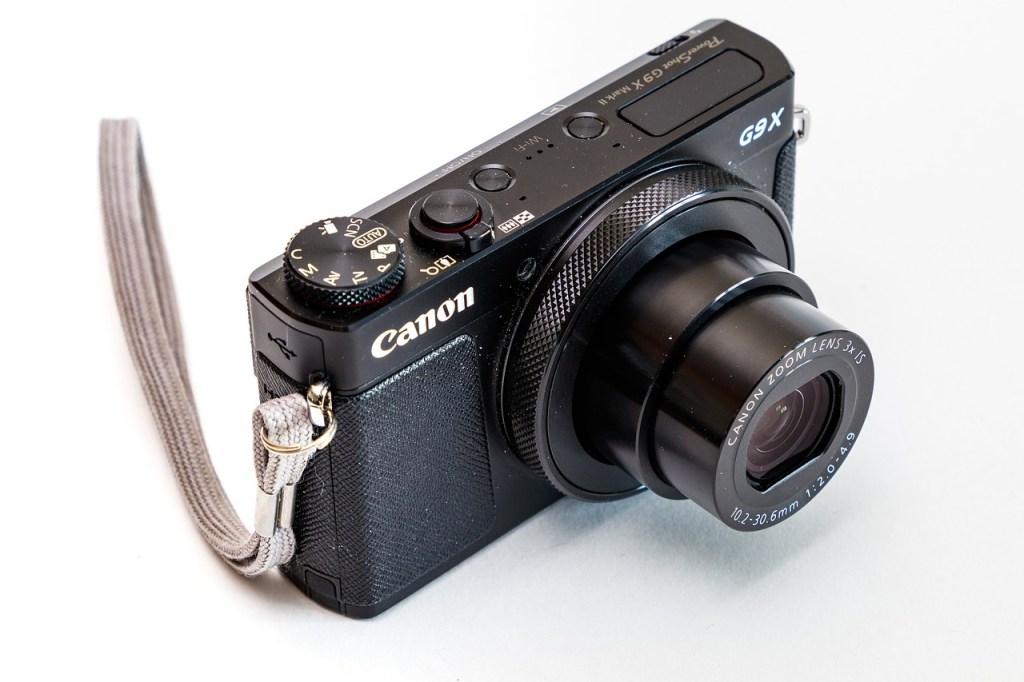
Should You Buy the Canon G7 X Mark II in 2023?

Introduction

In the ever-evolving world of digital photography, having a reliable and feature-packed camera is essential to capture those precious moments. The Canon G7 X Mark II has been a popular choice among photographers and vloggers for its impressive capabilities. However, with technological advancements, it’s natural to wonder if the G7 X Mark II is still a worthy investment in 2023. In this article, we will delve into the features, advantages, limitations, lots of sample images ( at the end) and user reviews of the Canon G7 X Mark II to help you make an informed decision.

Overview of the Canon G7 X Mark II

The Canon G7 X Mark II is a high-end compact digital camera that packs a punch in a small form factor. It features a 1.0-inch, 20.1 megapixel CMOS sensor and a powerful DIGIC 7 image processor, enabling it to deliver stunning image quality. Additionally, the camera offers a versatile 4.2x optical zoom lens with a focal range equivalent to 24-100mm in 35mm format, making it ideal for various shooting scenarios.

Advantages of the Canon G7 X Mark II

High-Quality Image and Video Output

One of the standout features of the Canon G7 X Mark II is its ability to produce high-quality images and videos. The large sensor and powerful processor work together to capture sharp, detailed, and vibrant visuals even in challenging lighting conditions. Whether you’re capturing landscapes, portraits, or fast-moving subjects, the G7 X Mark II delivers impressive results.

Compact and Portable Design

The G7 X Mark II’s compact and lightweight design makes it a perfect companion for travel and everyday shooting. Its pocketable size allows you to slip it into your bag or pocket effortlessly, ensuring that you never miss a photo opportunity. Despite its small size, the camera is ergonomically designed, providing a comfortable grip for extended shooting sessions.

User-Friendly Interface

Canon has designed the G7 X Mark II with an intuitive user interface, making it accessible to both beginners and experienced photographers. The camera’s touchscreen display allows for easy menu navigation and quick adjustments to settings. Additionally, the inclusion of physical control dials gives users more control over their shooting experience.

Limitations of the Canon G7 X Mark II

Limited Zoom Range

While the G7 X Mark II’s 4.2x optical zoom is adequate for most situations, some users might find it limiting, especially when compared to other cameras on the market. If you frequently shoot subjects at a distance, you might want to consider a camera with a more extensive zoom range.

No External Mic Input

Vloggers and content creators who rely heavily on audio quality may find the absence of an external microphone input disappointing. While the camera’s built-in microphone performs reasonably well, an external mic can significantly improve audio clarity and reduce background noise.

Comparison with Other Cameras in 2023

In 2023, the camera market is flooded with options, and it’s essential to consider how the Canon G7 X Mark II stacks up against its competitors.

Canon G7 X Mark III

The Canon G7 X Mark III is the successor to the Mark II and comes with some notable upgrades. It features a live streaming function, vertical video support, and a higher-resolution LCD screen. However, the Mark II still holds its ground in terms of image quality and overall performance.

Sony RX100 VII

Sony’s RX100 VII is another strong contender in the premium compact camera segment. It boasts a more extended zoom range, a superior autofocus system, and impressive video capabilities. However, the RX100 VII also comes with a higher price tag compared to the Canon G7 X Mark II.

User Reviews and Testimonials

Before making any purchase, it’s crucial to hear from users who have hands-on experience with the product. The Canon G7 X Mark II has garnered positive reviews for its image quality, portability, and ease of use. Users have praised its performance in various shooting conditions, making it a reliable choice for both amateurs and professionals.

However, there have been some complaints about the limited zoom range and occasional overheating during prolonged video recording sessions. It’s essential to weigh these reviews against your specific needs and shooting preferences.

Price and Value for Money

The price of the Canon G7 X Mark II may vary depending on the retailer and any ongoing promotions. While it might not be the newest model on the market, it still provides excellent value for money, especially for photographers who prioritize portability without compromising image quality.

Sample Images

Who Should Buy the Canon G7 X Mark II in 2023?

The Canon G7 X Mark II remains an excellent choice for:

Travel photographers who need a compact and versatile camera for their adventures.

Vloggers and content creators who prioritize video quality and want a camera that can be easily carried around.

Enthusiasts and professionals who want a secondary camera for specific shooting situations.

Tips for Making the Most of the Canon G7 X Mark II

Mastering Manual Settings

Although the G7 X Mark II offers fantastic automatic shooting modes, taking control of manual settings allows you to unleash its full potential. Experiment with aperture, shutter speed, and ISO to achieve creative and personalized results.

Utilizing Creative Shooting Modes

The camera comes with various creative filters and shooting modes that can add a unique touch to your photographs. Explore features like the Panorama mode, Time-lapse, and HDR to capture stunning images in different styles.

Frequently Asked Questions

Q: Can the Canon G7 X Mark II shoot in RAW format?

A: Yes, the G7 X Mark II supports RAW image capture, providing more flexibility in post-processing.

Q: Does the camera have built-in Wi-Fi for easy sharing?

A: Yes, the G7 X Mark II has built-in Wi-Fi and NFC, making it convenient to transfer images wirelessly to your devices.

Q: How does the camera perform in low-light conditions?

A: The G7 X Mark II performs admirably in low light, thanks to its large sensor and advanced image processing capabilities.

Q: What is the battery life of the Canon G7 X Mark II?

A: The battery life is decent, allowing for approximately 265 shots on a single charge.

Q: Is the Canon G7 X Mark II suitable for vlogging?

A: Yes, the G7 X Mark II is a popular choice for vlogging due to its compact size and excellent video quality.

Conclusion

In conclusion, the Canon G7 X Mark II remains a compelling option for photographers and vloggers in 2023. Its blend of excellent image quality, portability, and user-friendly interface make it a versatile tool for capturing memories and creating engaging content. While newer models may offer some advancements, the G7 X Mark II still holds its ground as a reliable and capable camera. Whether you’re an aspiring photographer or a seasoned professional, this camera could be a valuable addition to your gear collection.

Found something useful?

If you find any of the information on this website useful, please do consider donation. It will help me in keeping this up and running. Thanks

$5.00

Click here to purchase.

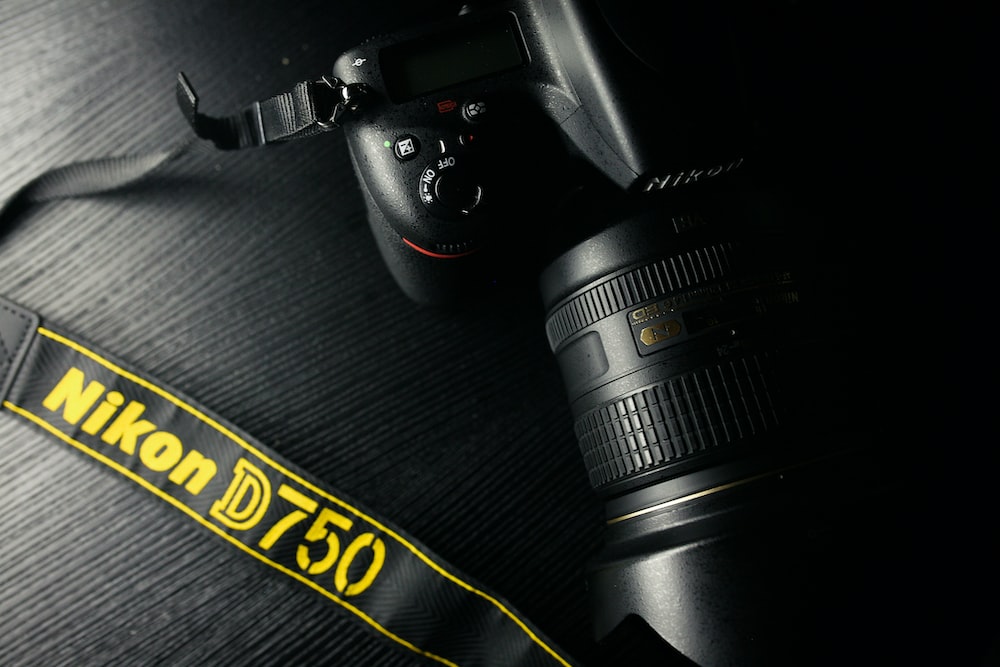
Used Nikon D750 in 2023 – Is it a Good Choice

Introduction

In the world of photography, Nikon has established itself as a renowned brand known for producing high-quality cameras. One such model that gained popularity among photography enthusiasts is the Nikon D750. Launched in 2014, the D750 became a favorite among professionals and amateurs alike due to its exceptional features and performance. However, with the rapid advancement in camera technology, one might question whether the used Nikon D750 is still a viable option in 2023 (sample images from nikon d750 at the end). In this article, we will delve into the various aspects of the D750 and determine its relevance in the current photography landscape.

Table of Contents

  1. Introduction
  2. Performance and Image Quality
  3. ISO Sensitivity
  4. Autofocus System
  5. Continuous Shooting and Buffer Capacity
  6. Video Capabilities
  7. Connectivity and Features
  8. Ergonomics and Build Quality
  9. Lens Compatibility
  10. Price and Value
  11. Availability and Support
  12. Sample Images
  13. Conclusion
  14. FAQs
  15. Get Access Now

Performance and Image Quality

When it comes to performance, the Nikon D750 still holds its ground admirably. Equipped with a 24.3-megapixel full-frame sensor and an Expeed 4 image processor, this camera delivers exceptional image quality, sharpness, and dynamic range. The D750 performs admirably in various lighting conditions, ensuring stunning results in both well-lit and challenging situations. Its low-light capabilities are particularly impressive, with a wide ISO range of 100-12800 (expandable to 50-51200).

ISO Sensitivity

The D750’s ISO sensitivity range allows photographers to capture detailed and noise-free images even in dimly lit environments. The camera’s impressive noise reduction capabilities ensure that high ISO settings can be used without significant loss of image quality. This makes the D750 a reliable choice for low-light photography, such as weddings, events, and astrophotography.

Image at 6400 from Nikon d750. Its a JPG processed directly in Lightrom Mobile. Even then high ISO performance is very good. Raw will be muhc better than this.

Autofocus System

The D750 features a 51-point autofocus system with 15 cross-type sensors. This advanced autofocus system ensures accurate subject tracking and quick focus acquisition, even in challenging shooting scenarios. The camera’s ability to focus in low-light conditions is commendable, thanks to its -3 EV sensitivity.

Its not the fasttest, buit for this price point and class, it is very good.

Continuous Shooting and Buffer Capacity

For capturing fast-paced action, the D750 offers a continuous shooting speed of 6.5 frames per second. This allows photographers to seize decisive moments and capture a series of images with ease. The camera’s buffer capacity is also impressive, allowing for extended burst shooting without significant slowdown.

Its not the fastest speed as compared to some other models, but for playing children and pets, its more than enough.

Video Capabilities

In addition to its prowess in still photography, the Nikon D750 offers excellent video capabilities. It supports full HD 1080p video recording at various frame rates, including 60fps. The camera provides manual control over exposure settings, enabling videographers to achieve their desired creative vision.

These video specs are not the best in the world but if you are into interview or documentary style videos, it will serve you better as B Cam.The D750’s articulating LCD screen further facilitates capturing videos from different angles.

Connectivity and Features

The D750 incorporates built-in Wi-Fi capabilities, enabling seamless transfer of images to smartphones and tablets. This feature allows photographers to share their work instantly on social media platforms or transfer files to clients on the go. Additionally, the camera includes a built-in intervalometer, making it suitable for time-lapse photography.

You can find this app ( WirelessMobileUtility ) here.

Ergonomics and Build Quality

Nikon has always prioritized user comfort and ergonomics, and the D750 is no exception. The camera features a well-designed grip and intuitive button layout, providing a comfortable shooting experience. The body is constructed from a durable magnesium alloy, ensuring robustness and longevity.

Lens Compatibility

The Nikon D750 is compatible with a wide range of lenses, including both FX and DX formats. This versatility allows photographers to choose from a vast selection of Nikon lenses to suit their specific needs and shooting styles.

Price and Value

One of the significant advantages of considering a used Nikon D750 is its affordability compared to newer camera models. In 2023, the D750 offers an excellent value proposition for photographers seeking a full-frame camera with advanced features but are constrained by budget limitations.

Availability and Support

Despite being released several years ago, the Nikon D750 continues to enjoy strong support from Nikon and third-party manufacturers. This means that users can easily find accessories, spare parts, and lenses for the D750, ensuring a seamless photography experience.

Sample Images

Conclusion

In conclusion, the used Nikon D750 remains a solid choice for photographers in 2023. With its exceptional image quality, impressive low-light performance, advanced autofocus system, and robust build quality, the D750 continues to be a reliable workhorse for various genres of photography. Its affordability and availability further contribute to its appeal, especially for those on a budget. However, for photographers seeking the latest cutting-edge features and advancements, exploring newer camera models may be worthwhile.

FAQs

1. Can I use my existing lenses with the Nikon D750? Absolutely! The D750 is compatible with a wide range of Nikon lenses, providing flexibility and options for photographers.

2. Is the Nikon D750 suitable for professional photography? Yes, the D750 is well-suited for professional photography. Its excellent image quality, low-light capabilities, and robust build make it a reliable choice for professionals.

3. Does the Nikon D750 have built-in image stabilization? No, the D750 does not have in-body image stabilization. However, many Nikon lenses feature built-in image stabilization, providing stabilization capabilities when paired with the camera.

4. Is the Nikon D750 weather-sealed? Yes, the D750 features weather-sealing, providing some level of protection against dust and moisture.

5. Where can I get access to a used Nikon D750? For access to a used Nikon D750 and other camera equipment, you can visit reputable online marketplaces or camera stores specializing in used gear.

What is the best Time to Visit Oman: October to April?

Oman, a captivating country in the Middle East, boasts a diverse landscape, rich heritage, and warm hospitality. From ancient forts and stunning deserts to breath taking beaches and rugged mountains, Oman has something to offer every traveller. However, choosing the right time to visit is crucial to make the most of your experience. In this article, we will explore the best time to visit Oman, taking into account its climate, festivals, and popular attractions.

Nestled on the southeastern coast of the Arabian Peninsula, Oman offers a year-round pleasant climate. Whether you seek outdoor adventures, cultural climate patterns and seasonal highlights will help you plan your visit accordingly.

A word from sponsor

ImranZahidFilms can capture your vacations in Oman and provide the ideal travel souvenir—priceless memories—if you require a photographer to capture your special moments there. Click here.

Oman’s Climate Overview

The desert region of Oman has scorching summers and moderate winters. The country’s diverse geography contributes to regional variations in temperature and precipitation. Coastal regions are generally cooler than inland areas, while mountainous regions enjoy more temperate climates.

Winter (November to March)

In Oman, winter is regarded as the busiest travel period. The weather during this period is pleasantly warm, with temperatures ranging from 20 to 30 degrees Celsius (68 to 86 degrees Fahrenheit). This season is perfect for exploring Oman’s cities, such as Muscat, Nizwa, and Salalah, as well as its historical sites, including the majestic forts and ancient ruins. The clear skies and calm seas make it an excellent time for diving and snorkeling enthusiasts.

Spring (April to May)

Spring is another favorable time to visit Oman, especially if you prefer milder temperatures and fewer crowds. During this season, temperatures range from 25 to 35 degrees Celsius (77 to 95 degrees Fahrenheit). Spring is an excellent time to explore Oman’s natural beauty, including its wadis (valleys), such as Wadi Shab and Wadi Bani Khalid. The colorful blossoms and vibrant landscapes create a picturesque backdrop for outdoor activities like hiking and camping.

Summer (June to August)

Summers in Oman can be scorching hot, with temperatures soaring above 40 degrees Celsius (104 degrees Fahrenheit). The high temperatures make it challenging to engage in outdoor activities during the day. However, if you plan to visit during this season, it’s advisable to explore Oman’s coastal areas, such as the Musandam Peninsula and the Dhofar region. These regions benefit from cooler sea breezes and offer opportunities for water sports like sailing and fishing.

Salalah, Oman

Autumn (September to October)

Autumn is considered the shoulder season in Oman, offering a pleasant transition from the hot summer to the milder winter. The temperatures range from 25 to 35 degrees Celsius (77 to 95 degrees Fahrenheit), providing a comfortable climate for outdoor exploration. This season is an ideal time to visit Oman’s mountainous regions, such as Jebel Akhdar and Jebel Shams, where you can indulge in hiking, rock climbing, and stargazing.

Festivals and Events

Oman hosts several cultural festivals and events throughout the year, adding an extra layer of excitement to your visit. The Muscat Festival, held annually from January to February, showcases Oman’s heritage through art, music, and traditional performances. The Salalah Tourism Festival, taking place from July to September, celebrates the region’s monsoon season with vibrant parades and cultural exhibitions. These festivals provide a unique opportunity to immerse yourself in Omani traditions and witness the country’s vibrant cultural tapestry.

Popular Tourist Destinations

Muscat: Explore the capital city’s grand mosques, bustling souks, and the magnificent Sultan Qaboos Grand Mosque.

Nizwa: Discover the rich history of Oman through Nizwa Fort and the traditional Nizwa Souq.

Salalah: Visit the “Perfume Capital of Arabia” and witness the stunning waterfalls and lush greenery during the Khareef season.

Wahiba Sands: Experience the beauty of the Omani desert by embarking on a thrilling dune bashing adventure or a camel safari.

Jebel Akhdar: Discover the “Green Mountain” and its terraced farms, picturesque villages, and breathtaking views.

Conclusion

In conclusion, the best time to visit Oman depends on your preferences and the experiences you seek. Winter and spring offer comfortable temperatures for exploration, while autumn provides a pleasant transition with milder weather. Summers can be extremely hot, but coastal regions offer respite with refreshing sea breezes. Consider the festivals and events happening during your desired visit period to enhance your cultural experience in Oman.

FAQs

1. Is Oman safe to visit?

Oman is considered one of the safest countries in the Middle East, with a low crime rate and a welcoming culture. However, it is always advisable to exercise caution and follow local customs and regulations.

2. Do I need a visa to visit Oman?

Most visitors require a visa to enter Oman. It’s recommended to check the visa requirements based on your nationality and plan accordingly.

3. What is the official language spoken in Oman?

English is extensively used, particularly in popular tourist destinations and large cities.

4. Can I drink alcohol in Oman?

Only hotels and restaurants with a license may serve alcohol.

5. What are the must-visit attractions in Muscat?

Some of the must-visit attractions in Muscat include the Sultan Qaboos Grand Mosque, the Royal Opera House, and the Mutrah Souq.

In conclusion, Oman offers a myriad of opportunities for travelers to explore its natural wonders and immerse themselves in its vibrant culture. By understanding the best time to visit Oman, you can plan your trip accordingly and make the most of your experience. Whether you seek historical landmarks, thrilling adventures, or simply relaxation by the sea, Oman has something to offer year-round. So pack your bags, embrace the warmth of Omani hospitality, and get ready for an unforgettable journey.

A word from sponsor

ImranZahidFilms can capture your vacations in Oman and provide the ideal travel souvenir—priceless memories—if you require a photographer to capture your special moments there. Click here.

What to Do in Oman: Unveiling the Hidden Gems of this Enchanting Destination

Oman, a captivating country located on the south eastern coast of the Arabian Peninsula, offers a treasure trove of hidden gems waiting to be explored. From ancient fortresses and breath taking landscapes to vibrant markets and warm hospitality, Oman has something for every traveller. In this article, we will take you on a journey through the enchanting destination of Oman, revealing its best-kept secrets and must-visit attractions.

P.S. ImranZahidFilms can capture your vacations in Oman and provide the ideal travel souvenir—priceless memories—if you require a photographer to capture your special moments there. Click here.

1. The Rich Cultural Heritage of Oman

Oman boasts a deep-rooted cultural heritage that dates back centuries. The country takes pride in preserving its traditions and customs, evident in its architecture, arts, and festivals. From the awe-inspiring Sultan Qaboos Grand Mosque in Muscat to the ancient ruins of Bahla Fort, Oman’s cultural heritage is a testament to its glorious past.

2. Discovering Natural Wonders

There are many beautiful natural treasures in Oman. The dramatic landscapes, towering mountains, and pristine wadis (valleys) create a paradise for outdoor enthusiasts. Explore the awe-inspiring Jebel Shams, also known as the “Grand Canyon of Oman,” or venture into the rugged beauty of Wadi Shab, where turquoise pools and waterfalls await.

3. Exploring the Majestic Landscapes

The diverse landscapes of Oman offer a myriad of opportunities for exploration. Traverse the vast expanse of the Wahiba Sands desert and witness the mesmerizing golden dunes that stretch as far as the eye can see. Embark on a journey to the Dhofar region and be captivated by the breath taking beauty of the Khareef season, when lush greenery blankets the mountains.

Wahiba Sands by Supeep AK

4. Immerse Yourself in Traditional Souqs

No visit to Oman is complete without experiencing the vibrant souqs (markets) scattered across the country. Lose yourself in the bustling alleys of Mutrah Souq in Muscat, where aromatic spices, handcrafted textiles, and intricate silverware beckon. Immerse yourself in the lively atmosphere and let the charm of Omani hospitality envelop you.

5. Indulge in Delicious Omani Cuisine

Omani cuisine is a delightful fusion of flavours influenced by the country’s trading history and diverse cultural heritage. From succulent grilled meats and fragrant rice dishes to refreshing beverages like mint lemonade, every meal in Oman is a feast for the senses. Don’t forget to try traditional Omani dishes like Shuwa (slow-cooked lamb) and Mashuai (roasted whole fish).

6. Unwind on Pristine Beaches

With its long coastline along the Arabian Sea, Oman is home to pristine beaches that offer tranquillity and relaxation. Sink your toes into the soft white sands of Al Qurum Beach in Muscat or bask in the serenity of the untouched shores of Ras al-Jinz. Whether you seek solitude or water sports adventures, Oman’s beaches cater to every preference.

7. Experience Desert Adventures

Oman’s vast deserts beckon adventurers with a myriad of thrilling experiences. Embark on a desert safari and feel the adrenaline rush as you ride a camel over the undulating dunes. Spend a night under the starry skies in a Bedouin-style camp and savour the magical ambiance of the desert. For the more adventurous, sandboarding and dune bashing are exhilarating activities not to be missed.

8. Visit Historic Fortresses and Castles

Oman’s landscape is adorned with majestic fortresses and castles, offering a glimpse into its rich history and architectural splendour. Explore the imposing Nizwa Fort, which stands as a testament to the country’s strategic past. Wander through the ancient alleys of the UNESCO-listed Bahla Fort and admire its intricate carvings. These historic sites provide a captivating window into Oman’s past.

9. Dive into the Vibrant Underwater World

Oman’s coastline is a haven for diving enthusiasts, boasting an underwater world teeming with marine life and vibrant coral reefs. Explore the Daymaniyat Islands and encounter an array of colorful fish, sea turtles, and even dolphins. Whether you are a beginner or an experienced diver, Oman’s pristine waters offer unforgettable diving experiences.

10. Enjoy Traditional Omani Music and Dance

Omani music and dance form an integral part of the country’s cultural fabric. From the hypnotic beats of the traditional drum called the “daf” to the graceful movements of the “razha” dance, immerse yourself in the captivating rhythms and melodies of Oman. Attend a live performance or participate in a dance workshop to truly appreciate the richness of Omani art forms.

11. Witness Majestic Wildlife

Oman’s diverse ecosystems are home to a remarkable array of wildlife. Embark on a journey to the Ras al-Jinz Turtle Reserve and witness the mesmerizing sight of endangered green turtles nesting on the shores. Explore the Dhofar region during the Khareef season and spot majestic Arabian leopards and rare bird species. Oman’s wildlife will leave nature enthusiasts awe-inspired.

Wahiba Sands by Madhu Parameswaran

14. Engage in Outdoor Activities

For adventure seekers, Oman offers a plethora of outdoor activities that cater to all levels of thrill. Go hiking in the stunning Wadi Bani Awf and be rewarded with breath taking views of deep canyons and rugged cliffs. Kayak through the crystal-clear waters of the Musandam Peninsula and marvel at the dramatic fjords. Oman’s natural playground awaits your exploration.

15. Experience Omani Hospitality

Oman is recognized for its kind inhabitants and generous hospitality. Whether you stay in a luxury resort or a traditional guesthouse, the Omani people will make you feel welcome and cherished. Embrace the genuine kindness and generosity that is deeply rooted in Omani culture and create memories that will last a lifetime.

15. Conclusion

Oman, with its hidden gems and enchanting destinations, offers a captivating experience for travellers seeking a unique and authentic adventure. From its rich cultural heritage and natural wonders to its vibrant souqs and warm hospitality, Oman leaves an indelible mark on the hearts of those who visit. Unveil the secrets of this enchanting destination and create memories that will forever hold special place in your travel journal.

Frequently Asked Questions

Is Oman a safe country to visit?

Oman is considered one of the safest countries in the region, with low crime rates and a stable political environment. However, as with any travel destination, it’s essential to exercise common sense and take necessary precautions.

What is the best time to visit Oman?

The best time to visit Oman is during the winter months, from October to April, when the weather is pleasantly cool and ideal for outdoor activities. But remember that every season has a special charm of its own, so make plans based on your tastes.

Do I need a visa to visit Oman?

It depends on your nationality. Some nations can enter without a visa, while others demand one. It’s recommended to check with the Omani embassy or consulate in your country for the most up-to-date visa requirements.

Can I drive in Oman with an international driver’s license?

Yes, you can drive in Oman with a valid international driver’s license or with a license from your home country. However, it’s important to familiarize yourself with local driving rules and regulations before hitting the road.

What are some traditional Omani souvenirs I can buy?

Oman is known for its traditional crafts and souvenirs. Some popular items include Omani silver jewelry, frankincense and its accessories, intricately woven textiles, and traditional Omani daggers (khanjars). These make for interesting and significant gifts to take back home.

P.S. I conduct Photography tours and vacation shoots mostly in Muscat and sometimes other parts of Oman on a regular basis. If you are coming to Oman for few days and want to visit places best suited for photography, checkout my Oman Photography Tour page and if you just want a quick vacation photo shoot in Oman, do check out Book a vacation photographer in Oman. Feel free to reach me on im.zahid@hotmail.com.

Is Oman safe for tourists? Travel Safety Guidelines

When planning a trip to a new location, travelers frequently place a high value on safety. Oman, a country in the Middle East, is well-known for its fascinating past, stunning landscapes, and warm hospitality. You will find the information you need to make an educated decision about going to Oman in this article.


P.S. If you need a photographer to capture your precious moments in Oman, ImranZahidFilms can capture your destination vacation in Muscat, Oman and deliver the perfect travel souvenir — priceless memories. Click here.


Introduction

Oman is a country on the southeastern coast of the Arabian Peninsula that offers visitors both its modern infrastructure and its ancient heritage. With a low rate of crime and a stable political climate, Oman is generally regarded as a safe country for travel.

Low Crime Rates in Oman

Oman has one of the lowest crime rates in the world.

Safety Measures

The security of both locals and visitors is a top priority for the local authorities. Trivial wrongdoings, for example, pickpocketing are somewhat unprecedented, especially in contrast with other well known traveler objections. However, in order to safeguard your possessions, it is always advisable to exercise caution and take the necessary measures. The authorities are really helpful and in case of emergencies they do their best to undo any wrongdoing.

Political Stability in Oman

Oman has a long history of political stability. The nation keeps up with serene relations with its neighbors and is known for its nonpartisan position in local struggles. Travelers benefit from a safer and more secure environment as a result of this political stability.

Amicable and Neighborly Local people


Omanis are prestigious for their warm neighborliness and amicable nature. As an explorer, you will be greeted wholeheartedly and can expect help from local people would it be a good idea for you need any support or direction. During your stay, you’ll feel more at ease and secure as a result of this welcoming culture.

Oman is an Islamic country and they love their privacy specially for women and children. Avoid revealing clothes in public especially at religious places like mosques etc. They welcome you to their mosques, if you wear clothes that cover you decently.


Effective Healthcare System

Oman is proud of its well-developed healthcare system, which provides residents and tourists alike with high-quality medical care. In the event of any unexpected conditions or health related crises, you can depend on the nation’s emergency clinics and facilities to give proficient consideration.

Weather and Climate in Oman:

Oman has a mostly dry climate, with warm summers and mild winters. Even though the weather is generally pleasant, it’s important to be aware of occasional extreme weather conditions like tropical cyclones and sandstorms. Although these natural events are fairly uncommon, it’s still a good idea to check the weather forecast and heed any warnings from authorities in your area. Avoid travelling to distant villages during rain as there are chances of slight flash floods in remote areas.

To ensure your safety while visiting Oman, it is essential to take preventative measures. Remain hydrated, particularly during the sweltering late spring months, and safeguard yourself from the sun by wearing sunscreen and proper apparel. Moreover, in the event that you intend to investigate the desert or embrace outside exercises, it’s prescribed to go with a comfortable aide with the locale.

Travel Tips for a Protected Visit to Oman
To guarantee a protected and charming outing to Oman, consider the accompanying travel tips:

Planning and Research : Before going to Oman, learn everything you can about the culture, traditions, and laws there. Learn about the most popular attractions and recommended destinations. You will find plenty of these tips here on my blog. Arranging your schedule ahead of time will assist you with taking full advantage of your outing while at the same time remaining safe.
.

Regard Nearby Traditions and Customs : Oman has a rich social legacy, and regarding the nearby traditions and traditions is fundamental. Be modest, especially when going to public or religious locations. Also, it’s best to avoid showing affection in public because it might be wrong in Omani society.

Follow the Guidelines and Travel Warnings Issued by Your Government Stay up to date on the most recent travel warnings for Oman. It’s critical with comply to any rules or suggestions given by the specialists to guarantee your security.

Remain Mindful of Environmental elements: Keep up with situational mindfulness during your time in Oman. Be aware of your surroundings, especially when you’re in a crowded area or a new place. Nighttime exploration of remote or dimly lit areas should be avoided.
Pick Solid Convenience and Transportation

Select legitimate facilities, for example, inns or guesthouses with positive surveys and great safety efforts. For your safety and comfort throughout your journey, choose licensed taxis or reputable car rental services as your mode of transportation.

When traveling to Oman or any other destination, it is highly recommended to have comprehensive travel insurance. Travel insurance gives you peace of mind during your trip by covering medical emergencies, trip cancellations, lost items, and other unforeseen events.

In conclusion, Oman is generally regarded as a welcoming and secure travel destination. For those who want to learn more about the country’s beauty and culture, the country provides an unforgettable experience with low crime rates, a stable political climate, and welcoming locals. You can have a safe and enjoyable trip to Oman if you adhere to the recommended safety precautions, observe local customs, and remain informed about potential natural hazards.

Frequently asked Questions

Q1. Is Oman ok for solo female voyagers?
Yes, solo female travelers can generally feel safe in Oman. Nonetheless, it is prudent to practice alert, dress humbly, and try not to travel solo around evening time.

Q2. In Oman, are there any particular health risks?
Travelers to Oman should be aware that there are no significant health risks. However, before traveling, it’s a good idea to talk to a doctor and make sure your routine vaccinations are up to date.

Q3. In Oman, can I consume tap water?
In Oman, drinking bottled water is generally advised to avoid stomach discomfort. Water in bottles is readily available across the nation.

Q4. Are there any wellbeing concerns while driving in Oman?
Oman is generally safe to drive, but it’s important to be careful and follow traffic laws. Know about incidental careless driving and follow speed limits, especially on parkways.

Q5. Is it safe to visit Oman’s desert regions?
Oman’s deserts can be an incredible experience to explore. Nonetheless, it’s vital to go with an accomplished aide who knows all about the district, particularly on the off chance that you are curious about desert conditions.

P.S. I conduct Photography tours and vacation shoots mostly in Muscat and sometimes other parts of Oman on a regular basis. If you are coming to Oman for few days and want to visit places best suited for photography, checkout my Oman Photography Tour page and if you just want a quick vacation photo shoot in Oman, do check out Book a vacation photographer in Oman. Feel free to reach me on im.zahid@hotmail.com.

10 Places to Visit in Muscat, Oman During Holidays

Welcome to Muscat, Oman! If you’re planning a holiday and seeking a destination that offers a perfect blend of rich cultural heritage, stunning natural landscapes, and warm hospitality, then Muscat should be at the top of your list. In this comprehensive guide, we will take you on a virtual tour of the 10 must-visit places in Muscat, ensuring that your vacation in this enchanting city is an unforgettable experience.

1. The Royal Opera House Muscat

Immerse yourself in the world of arts and culture at the magnificent Royal Opera House Muscat. This architectural marvel hosts a variety of performances, including opera, ballet, concerts, and theatrical productions. Indulge in the opulence of the surroundings as you witness world-class performances that showcase the best of local and international talent.

2. Sultan Qaboos Grand Mosque

A visit to Muscat is incomplete without exploring the Sultan Qaboos Grand Mosque, a masterpiece of Islamic architecture. This grand mosque, adorned with intricate designs and stunning chandeliers, is a symbol of Oman’s rich heritage and religious devotion. Take a moment to marvel at the breathtaking beauty of the main prayer hall and the awe-inspiring crystal-clear Persian carpet, a true testament to the craftsmanship of Omani artisans.

3. Mutrah Corniche and Souq

OLYMPUS DIGITAL CAMERA

Stroll along the picturesque Mutrah Corniche, a waterfront promenade that offers mesmerizing views of the azure waters of the Arabian Sea. As you wander through the bustling Mutrah Souq, lose yourself in its narrow alleyways filled with a myriad of shops selling traditional Omani handicrafts, exquisite jewelry, aromatic spices, and colorful textiles. Don’t forget to haggle for the best prices and immerse yourself in the vibrant atmosphere of this traditional market.

4. Al Jalali and Al Mirani Forts

Perched atop the hills overlooking the old port of Muscat, the Al Jalali and Al Mirani Forts stand as silent guardians of the city’s history. These well-preserved forts, dating back to the 16th century, offer a glimpse into Oman’s rich past. Explore the fortresses’ intriguing architecture, climb their ancient ramparts, and enjoy panoramic views of Muscat’s stunning coastline.

5. Bait Al Zubair Museum

Step into the past at the Bait Al Zubair Museum, which showcases the cultural heritage and traditions of Oman. The museum houses an extensive collection of artifacts, including traditional Omani costumes, antique weapons, intricate jewelry, and historical documents. Take your time to absorb the fascinating history and gain a deeper understanding of the country’s vibrant heritage.

6. Qurum Beach

Escape the bustling city and unwind on the golden shores of Qurum Beach. With its crystal-clear waters, soft sands, and stunning sunsets, this beach offers the perfect setting for relaxation and rejuvenation. Take a leisurely walk along the coastline, dip your toes in the gentle waves, or simply bask in the sun while enjoying the serene ambiance.

7. Al-Riyam Park

Nestled near the Mutrah Corniche, Al-Riyam Park is a verdant oasis in the heart of Muscat. This beautifully landscaped park features lush gardens, vibrant flowers, and tranquil ponds. Take a leisurely stroll, enjoy a picnic with family and friends, or marvel at the impressive collection of sculptures scattered throughout the park. Al-Riyam Park is the perfect place to reconnect with nature and escape the urban hustle.

8. Riyam Monument

Standing tall on a hill, overlooking the city, the iconic Riyam Monument is a symbol of Oman’s maritime heritage. This impressive structure pays homage to the seafaring traditions of the Omani people. Climb the steps leading to the monument and be rewarded with breathtaking panoramic views of Muscat’s skyline, the azure sea, and the rugged mountains in the distance.

9. Nakhal Fort

Venture beyond the city limits and discover the majestic Nakhal Fort, nestled amidst the Hajar Mountains. This ancient fortress, dating back to the pre-Islamic period, offers a glimpse into Oman’s architectural prowess and strategic importance. Explore its labyrinthine corridors, climb to the top for panoramic views of the surrounding oasis, and marvel at the intricate carvings adorning the fort’s walls.

10. Wadi Shab

Nature enthusiasts and adventure seekers will be captivated by the pristine beauty of Wadi Shab. Embark on a thrilling journey through rugged terrain and emerald-green pools to reach the hidden gem nestled within the mountains. Dive into the turquoise waters of the wadi, swim through narrow gorges, and emerge in a secluded paradise. Don’t forget to pack your sense of adventure and discover the magic of Wadi Shab.


P.S. I conduct Photography tours and vacation shoots mostly in Muscat and sometimes other parts of Oman on a regular basis. If you are coming to Oman for few days and want to visit places best suited for photography, checkout my Oman Photography Tour page and if you just want a quick vacation photo shoot in Oman, do check out Book a vacation photographer in Oman. Feel free to reach me on im.zahid@hotmail.com.

Exploring Oman’s Photographic Paradise: A Haven for Travel and Landscape Photography

Introduction

Oman, a breathtaking country in the Arabian Peninsula, is a true gem for photography enthusiasts. From its stunning coastline to its vast deserts and rich cultural heritage, Oman offers an abundance of diverse landscapes and captivating subjects. In this article, we will explore various categories of photography, including beaches, deserts, culture, and more, along with the best places to capture remarkable images in each category.

  1. Beaches: Oman boasts a coastline stretching over 3,000 kilometers, offering photographers a myriad of opportunities to capture pristine beaches and stunning seascapes. Here are some noteworthy beach destinations:

a) Ras Al Jinz: Located in the easternmost point of the Arabian Peninsula, Ras Al Jinz is renowned for its pristine beaches and as a nesting site for green turtles. Photographers can capture breathtaking sunsets, silky sand dunes, and the mesmerizing sight of turtles nesting or hatching.

b) Al Qurum Beach: Situated in Muscat, the capital city of Oman, Al Qurum Beach is a popular spot for photographers seeking a mix of natural beauty and urban elements. Capture stunning shots of the turquoise Arabian Sea juxtaposed against the city’s skyline, palm-fringed promenades, and vibrant sunsets.

c) Bimmah Sinkhole: Nestled near the coastal village of Bimmah, this natural wonder offers photographers a unique opportunity. The sinkhole’s emerald-colored waters surrounded by rugged limestone walls provide an enchanting setting for striking compositions.

  1. Deserts: Oman’s vast deserts hold a mystical allure, where golden sands meet towering dunes and vast open spaces. Here are two must-visit destinations for desert photography:

a) Wahiba Sands: Also known as Sharqiya Sands, this desert expanse is a photographer’s paradise. Endless rolling dunes, stunning sand formations, and vibrant sunset and sunrise scenes offer limitless creative possibilities.

b) Empty Quarter (Rub’ al Khali): As one of the world’s largest sand deserts, the Empty Quarter presents an awe-inspiring landscape for photographers. Capturing the vastness of this seemingly endless desert with its towering dunes and shifting sand patterns is a true testament to Oman’s natural beauty.

  1. Culture and Heritage: Oman’s rich history and vibrant cultural heritage provide an array of captivating subjects for photographers interested in capturing the essence of the country. Here are a few notable locations:

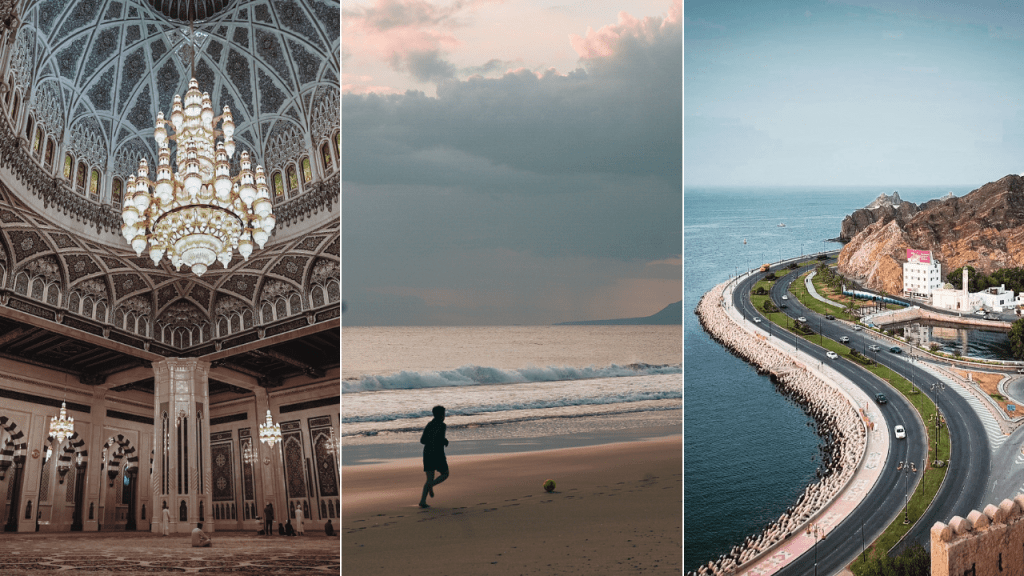
a) Muscat’s Grand Mosque: The Sultan Qaboos Grand Mosque, with its stunning architecture and intricate details, offers a magnificent backdrop for architectural and cultural photography. Capture the intricately designed prayer halls, exquisite chandeliers, and the awe-inspiring main prayer hall’s colossal crystal chandelier and hand-woven carpet.

b) Nizwa Fort and Souq: Located in the historic city of Nizwa, the Nizwa Fort is an architectural marvel that provides a glimpse into Oman’s past. Photographers can capture the intricate details of the fort’s design and the bustling atmosphere of the adjacent traditional souq, where locals sell an array of goods.

c) Misfat al Abriyeen: This ancient mud-brick village nestled in the Al Hajar Mountains offers a glimpse into traditional Omani architecture and village life. Photographers can wander through its narrow streets, capturing the terraced gardens, palm groves, and beautifully preserved buildings.

Conclusion:

Oman is a treasure trove for photographers, offering an array of diverse landscapes, cultural landmarks, and natural wonders. Whether it’s the pristine beaches, vast deserts, or rich cultural heritage, Oman provides an abundance of photographic opportunities. From the tranquility of the coastal scenes to the breathtaking vistas of the deserts

P.S. I conduct Photography tours and vacation shoots mostly in Muscat and sometimes other parts of Oman on a regular basis. If you are coming to Oman for few days and want to visit places best suited for photography, checkout my Oman Photography Tour page and if you just want a quick vacation photo shoot in Oman, do check out Book a vacation photographer in Oman. Feel free to reach me on im.zahid@hotmail.com.

Photography Course / Classes in Muscat, Oman

Are you passionate about Photography? Join my personalized photography workshop in Oman and experience a host of benefits that will transform your craft. I am Imran Zahid, a photographer and writer. This workshop offers personalized guidance, post-processing techniques, networking opportunities, and more. Here is what you will get in this workshop.

  1. Personalized Guidance and Instruction: My workshop is designed to cater to your individual needs, regardless of your skill level. I will provide one-on-one guidance, helping you sharpen your technical skills, composition techniques, and artistic vision. With personalized attention, you’ll receive targeted feedback and expert advice to elevate your photography to new heights.
  2. Mastering Post-processing Techniques: Photography doesn’t stop at the click of a shutter. In this workshop, you’ll learn essential post-processing techniques to bring out the full potential of your images. I will guide you through various editing tools and software, enabling you to enhance your photographs and create stunning visual narratives. Discover the power of post-processing as you learn to transform your raw captures into works of art.
  3. Cultivating Your Unique Style: Photography is an art form, and this workshop encourages you to develop and express your unique style. I will help you explore your creative instincts, experiment with different techniques, and encourage you to push boundaries. Whether you’re interested in street photography, travel photography, landscape photography, or portrait photography, this workshop provides a supportive space for you to refine your style and unleash your creative potential.

There will be 10 classes. Each 1-1.5 hours long of practical shooting or post processing. Course outline will be finalized upon meeting in person and discussing exactly what you are interetsed in and trying to get good at.

Contact me today via email (im.zahid@hotmail.com) or WhatsApp (+968 95842090) to secure your spot and embark on a transformative photography adventure in Oman.

Landscapes & Architecture

Travel & Culture

Portraits

In the mean time checkout my post Oman for photographers and Photography tour in Oman for a bit more info on places in Oman where you can test your metal in photography 🙂

5 places to get best photogrphs in Oman

If you’re new to Oman and looking to capture some great photographs, here are five places you might want to consider visiting:

Sultan Qaboos Grand Mosque: This stunning mosque in Muscat is one of the largest in the world and is known for its beautiful architecture and intricate details. It’s a great place to capture some impressive photographs, particularly during sunset when the mosque is beautifully lit up.

Muttrah Corniche: This scenic waterfront promenade in Muscat offers stunning views of the ocean and is a great place to capture some candid street photography. You can also visit the nearby Muttrah Souq, which is a traditional bazaar with plenty of interesting sights and sounds.

Jebel shams : Jebel Shams is a mountain located in the Al Hajar Mountain range in Oman. It is the highest mountain in Oman, with a peak elevation of 3,028 meters (9,934 feet) above sea level. The name “Jebel Shams” means “Mountain of the Sun” in Arabic.

Jebel Shams is a popular tourist destination in Oman, known for its stunning views, hiking trails, and camping opportunities. The mountain is located near the town of Al Hamra and can be reached by a winding mountain road that offers breathtaking views of the surrounding landscape.

Jebel Akhdar: Also known as the Green Mountain, is a mountain range located in the Al Hajar Mountains of Oman. The range has an average elevation of around 2,500 meters (8,200 feet) above sea level and is known for its rugged terrain, deep canyons, and stunning views.

The Jebel Akhdar range is famous for its cool climate, which makes it a popular destination for visitors during the hot summer months in Oman. The mountain range is also home to several small villages and terraced farms, which produce a variety of fruits, vegetables, and roses, making it a popular destination for agritourism.

The Royal Opera House Muscat is a world-class performing arts venue located in Muscat, the capital city of Oman. It is the leading arts and culture organization in the Sultanate of Oman and was inaugurated by the Sultan of Oman in 2011.

The Royal Opera House Muscat is an architectural masterpiece, blending traditional Omani and Islamic design with modern technology. The venue includes a 1,100-seat opera house, a 100-seat auditorium, a rehearsal hall, a library, and several restaurants and cafes.

These are just a few of the many amazing places you can visit in Oman to capture some great photographs. Remember to always respect local customs and traditions when taking photographs, and seek permission if necessary.

P.S. I conduct Photography tours and vacation shoots mostly in Muscat and sometimes other parts of Oman on a regular basis. If you are coming to Oman for few days and want to visit places best suited for photography, checkout my Oman Photography Tour page and if you just want a quick vacation photo shoot in Oman, do check out Book a vacation photographer in Oman. Feel free to reach me on im.zahid@hotmail.com.

Blog at WordPress.com.

Up ↑