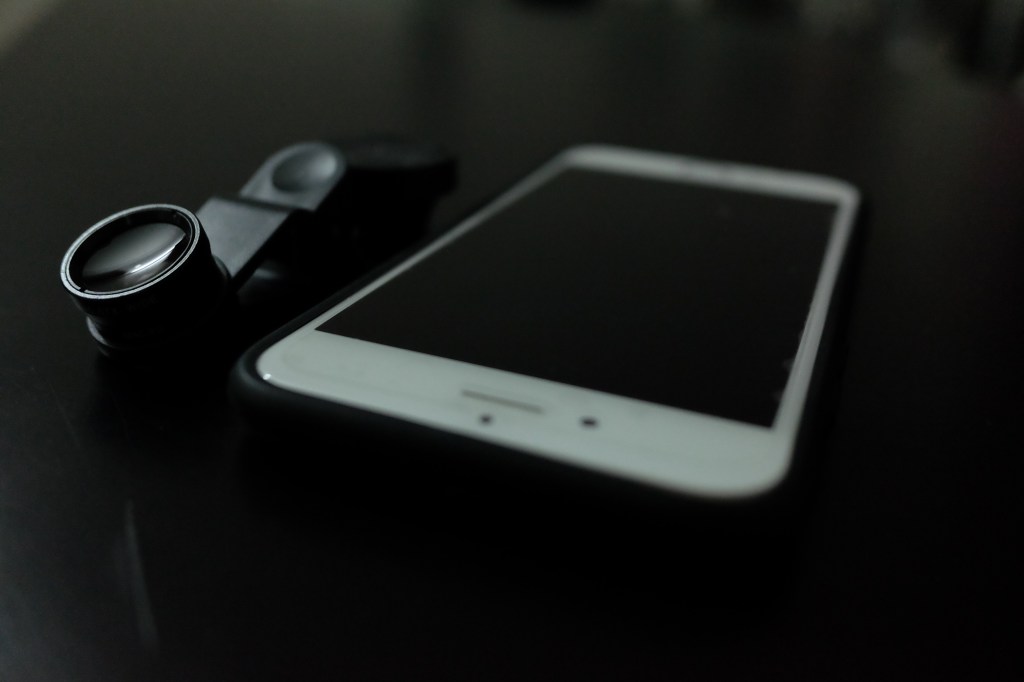
Is smart phone good enough to replace your camera?

This is probably the most searched phrase on Google. The short answer is, YES for 50% of occasions. DSLRs and mirror-less cameras have their own market and they can’t be replaced anytime soon. But smart phones already replaced compact cameras for quite some time. Now it’s their bigger brothers ( DSLR and mirror-less ) that are in danger.
IMG_9116
Smart phone cameras are getting powerful and intuitive day by day. They might not be good for all kind of occasions. Tight head-shots, bokeh portraits and fast moving subjects for example. But for the rest, they are damn good.
Let’s find out what are the strengths and weaknesses of smart phone photography.

What smart phone cameras are good at.

Medium to Medium-wide angle shots.

16976450040_60cbf6bf3c_o

Normally as you increase focal length, the size/length of the lens also increases. This prohibits the mobile phone cameras to use focal lengths longer than wide-angle. The larger the sensor, bigger the lens has to be.
So, mobile cameras uses smaller sensors along with wider focal lengths to keep and lens shorter and pocket-able. These days phones like iPhone X, Samsung S series, Huawei P Series and other brands producing phones with dual lenses. One for wide and one for portraiture.
These phones do help you in achieving selective focus but overall wide and medium shots are the strong areas of mobile phone cameras and if you stick to that range, you can get better shots with these.

Candid Photography.

Processed with VSCO with c1 preset
Candid photography is one of the best areas of mobile photography. Being a street photographer for quite sometime. I know its importance. People usually get uncomfortable in front of a big camera.
They think that there pictures could be on some serious platforms like news papers or television. If you are shooting some candid moment on mobile phone, nobody will bother you. Even you can get some good environmental portraits with your phones with permission.

Natural light Photography

airport

Because of the smaller sensor, mobile phone cameras are not usually very good at high ISO. Indoor light is something that requires their sensors to push ISO and result in pictures with noise.
If you want to really get the maximum juice from camera sensor, try natural light. Go outdoors in shade or find a nice window light. Use cheap mobile lens attachments that give you extra wide-angle to take some good landscapes.
Natural light is easy on sensor because of its light temperature. It will give you clean and noiseless results with your mobile phone camera.

HD quality Videos

Mobile phones normally have a very good perceived quality when it comes to video options. For stills, people can pixel peep but for video there are other things like camera movement, editing and story that far more important than resolution and noise.
iPhone 6 produces beautiful videos at 1080p at 30 and 60 fps. It can even record slow motion in 720p at 240 fps. Use that to your advantage. Record videos where you can’t take your camera easily. Edit them on-phone and create beautiful short and meaningful movies.

Panoramas, Time-lapse and Hyper-Lapses

IMG_2149

These are the things that take a lot of effort if you are doing it with DSLRs. Mobile phones comes with built-in apps that you can use to produce all the fun stuff.
Yes the quality will not be close to Professional camera but who cares? Why you are missing all the fun stuff if you are not selling this tuff to professional agencies.
Again technical quality is not everything. There are other creative things involved in this art form. At least practice those using your phones to get a hang of it.

Sharing

instagram-grid

Probably the strongest side of mobile phone cameras is sharing. With a single tap, you can share your creative stuff to whole world using any social media platform.
Stats shows that 85% of the people are using social media apps on phones and not of laptops. So quality really don’t matter on a 5-inch phone or an 8-inch tablet.
Don’t get yourself stuck with picture quality syndrome. Shoot vigorously and share frequently. You will get immediate feedback that will help you to stay in proper direction.

Where smart phone cameras sucks.

OK then. Enough bragging about the positives of mobile phone cameras. Now let’s look into where they actually suck. P.S. They don’t actually suck. It’s how they are designed.

Low Light.

FullSizeRender

Because of the smaller sensor size, their ISO quality is very limited. The moment light goes below average, phone cameras starts to pour a lot of noise in picture. You can’t help it. If you are in a controlled environment, try to sue external lights. Or find any other source of light like windows etc.
Simply put, phone cameras are bad at capturing low light. Either avoid this situation or bring external light source. Period. It will actually make you better photographer because you have to think about light first before anything else.

Bokeh / Background Blur.

IMG_0557

There are three factors that determine the bokeh in your photograph. Subject distance, longer focal length and lower aperture (smaller f-stop number).
There is only thing in your control i.e., distance between you r subject and camera. Other two are the limitation of smaller sensor and lens size. So they are pretty much not in your control.
So, smooth buttery bokeh is not possible straight out of the camera.You can get a decent bokeh if you place your subject really close and make sure that background is far away.

Fast Action.

IMG_3390

Mobile phone cameras doesn’t have the fastest shutter. They are not designed for that. They have smaller sensors and in order to compensate it, they shoot at slower shutter speeds.
So, bad luck if you want to capture sports moments with it. But if you have enough amount of light and you are outdoor, you can try it. It can produce shutter speeds of 1/200th or 1/400th of a second. Although it is not enough but you can freeze someone walking quickly with this shutter speed.

Tight Portraits

For tight portraits and headshots, you have to get really close and since phone cameras have a wide-angle lenses, they introduce a certain amount of distortion. This distortion bulges the nose and lips and generally produce little awkward portraits.
Try shooting from a little distance and crop it later. You will lose some resolution but certainly get rid of distortion.

Conclusion

Now that, you know the pitfalls of smart phone cameras, you can work around these. As long as you shoot within the limitations, you will get good results. There are entire magazines like Mobiography that are dedicated to mobile photography.
With the increase in mobile phone and social media apps, resolution don’t matter at all. Everyone is seeing your work on small screens so shoot whatever you want with your phone.
The best camera is the one that is with you when you needed it. It’s a famous saying. And it’s so true. Use your camera at all times. It’s an art form. It’s subjective. So, don’t limit yourself and start your creative journey now.

What Is black and white photography and How Does It Work?

Why some pictures look better in black and white as compared to their color counterparts? What few words comes to your mind immediately when you see a black and white photograph? Nostalgia, raw, emotions, etc. ?

I shoot in both color and black and white but there is something peculiar about monochrome. Let’s discuss what is Black and white photography and how it is still relevant today? How it improves your photography in general and when you should avoid it.

1. It’s all about contrast – Painting with LIGHT.

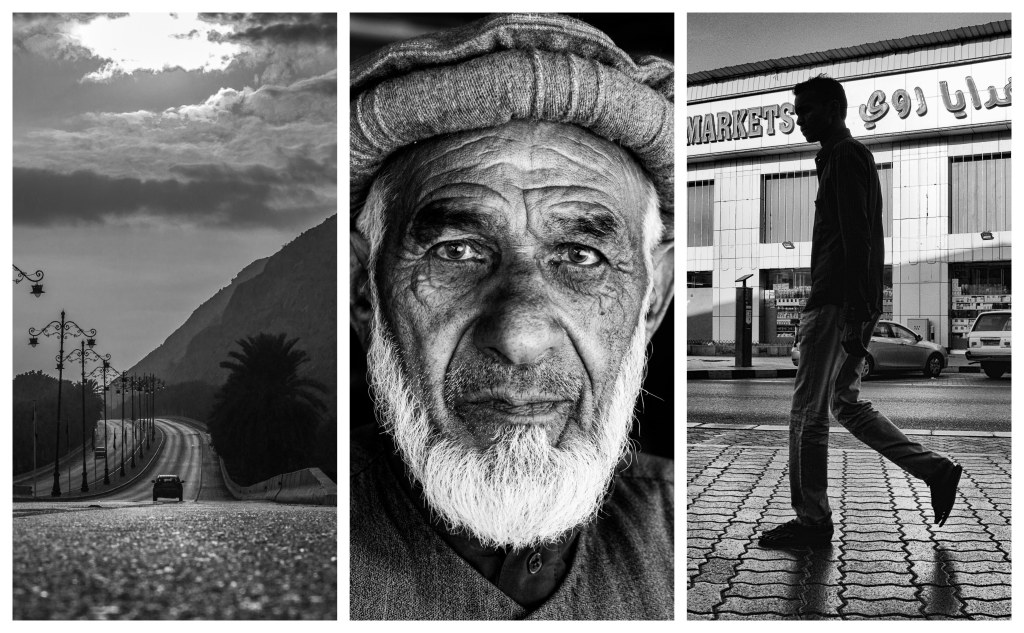
Workers at Mutrah Corniche, Oman

Photography literally means painting with light. When you shoot in black and white, it’s all you have at your disposal. You need a powerful eye to detect proper contrast in your frame to create beautiful images.

Not just contrast, you need to make sure that your subject should stand out in your frame. You need to direct viewers’ eye to your subject. And you have only one thing to play with – CONTRAST.

It really trains your photographic vision because we are used to watch world in front of us in colors. The complementary nature of color creates a contrast in real world. But in black and white photography, you need to create contrast with light and shadows.

TIP : Try to shoot in RAW with black and white creative filter. That way you can see the world in black and white in real-time. You can detect contrast better before clicking it. With a mirror-less camera, you can use this filter even in Electronic Viewfinder (EVF) .

2. Create a better connection with your subject.

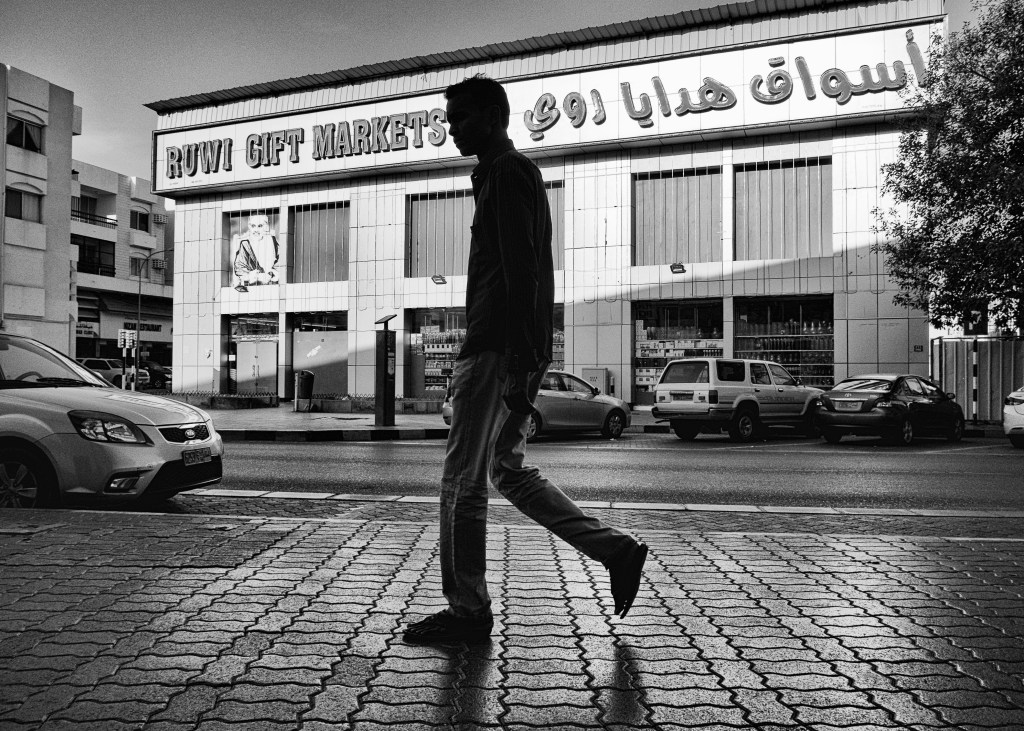
The hustle and bustle of Ruwi high street, Oman

One of the advantages of Black and white photography is fewer distractions. In color photography, bright and complementary colors catches viewers attention better. So, if your subject is not bright enough or not in complementary color as compare to background, you are out of luck.

Black and white does your work a bit easier. You just have to concentrate on contrast and not colors. One less thing to worry about. It lets viewers give more attention to subject and its environment. Your message will be much cleaner and easier to understand.

Street photography is better on black and white because of this reason. You don’t have control over your background. So, black and white usually saves your picture. But don’t use this as an excuse to avoid thinking about composition and background. You can check this awesome post The Beginner workflow to street photography for some general tips for shooting street photography.

TIP : Tight Portraits, Street and long exposure work great with black and white. Once you get comfortable with it, try this approach in other niches too.

3. It brings a world unknown to us.

Qantub beach by Imran Zahid-The Shades Photography

As human being, we see the world in color. Black and white is something that we don’t experience normally. If color depicts reality then black and white is your depiction of reality. You can show everyday mundane scenes in a totally new way to your audience.

In Black and white, you can paint the canvas with tones of gray which is completely different in look and feel. Off-course it’s a personal choice but black and white certainly brings a fresh perspective.

TIP: Try landscapes in black and white as very few people have managed to do it correctly. Ansel Adams is one of the best in this business. It will make you stand out among the crowd.

4. It Brings out shapes and textures better.

Portrait of an Old Man at Nathia Gali, Pakistan

Texture and shapes are the second option that you can use to spice up your compositions. The viewers will pay much more attention to these aspect as no color information is there to process.

Subjects that have a strong sense of shapes, lines and curves end up much better in black and white than color. Same goes with texture as well. It evokes the viewer’s tactile sense. Black and white works perfect to add character and atmosphere to you images.

TIP: Old people portraits and multi-layer compositions are the ideal candidates. Black and white will add an extra punch to these type of photographs.

5. It’s much more challenging.

Contemplation at Qantab beach, Oman

Apart from all the above advantages, black and white photography is much more challenging. Just by practicing these tips, you can learn a ton of lessons about composition, contrast and lighting. Choosing a suitable subject for black and white photography is extremely difficult. But with practice you will overcome this thing.

You have limited options to manipulate so you have to come up with intelligent work around to solve the problem at hand. With all these difficulties and limitations, it brings much more joy than snapping an easy picture. Learn more about this on The Power of Black and White Photography.

When you should not use black and white.

We agree that black and white photography is beautiful. still we see a lot of crappy black and white conversions over the internet. That’s because people are converting their images without considering all these aspects. Converting images to black and white will not automatically make you look artistic.

Below are few points that you need to consider before converting your pictures to monochrome.

1. Don’t use black and white to save your already badly composed images. This goes true with noise too. If your image has a lot of noise, converting it to black and white won’t save it. Noise is not bad. Embrace it. But don’t save your noisy images with conversion.

2. Don’t convert your images that add more meaning in color than black and white. Portrait of an old man doesn’t have to be always in black and white. If color adds something to story, go with color instead of black and white.

3. Don’t use black and white as a style statement. People think that shooting in black and white make them fine art photographer. Only shoot in black and white if it really required.

So now that you know enough of black and white photography, what you are waiting for? Go and shoot it 🙂

6 Lessons About Landscape photography You Need To Learn To Succeed

Every genre of photography has its own set of do’s and don’t s. No matter what is your main niche, they will help you in your photography career in general. Landscape photography has its own lessons that does evolve you as a photographer.

Below are 6 lessons that I learned over the years while doing landscape photography. Although landscape is not the only genre I am doing these days, but these lessons do come really handy when I am doing my street and fine art photography.

1. Scout the location and viewpoint before time.

Jebel Akhdar , Oman

Scouting locations before actual shoot is very important in all genres. It is especially of utmost importance in landscape photography. You have very less control over your target environment. You have a limited span of time as light change all the time. So, it’s a good if you scout the location you want to photograph a day before if you have time.

If you don’t have that much time, you can visit it in times that we normally don’t consider a good time. For example, you can go to the location at night or in the middle of the day. You can make use of this free time and become aware about the limitations before you actually going to take photographs.

2. Check for local and government permissions.

Grand Mosque, Muscat,Oman

It’s a mandatory part of scouting location that you should be aware about any legal difficulties about your future shoot. You need to get property release sometimes if you are planning to sell pictures later on. You must check where you will get these prerequisites before hand. Otherwise the shoot will be useless later on if you want to sell and didn’t have release at that time.

Some of the locations are of government and security importance. Photography is not allowed on these locations at all. You might get into trouble if you don’t know about that already. The chances are very thin but it’s always better to be on a safer side. You can check with local authorities about this before shoot.

3. Check for sunrise and sunset angles.

Best time for shooting landscapes are either Sunrise and sunset. It is because of golden hour or blue hour when light when light angle is good. Not every location is feasible for sunset and sunrises alike. Foreground and backdrop of sunrise/sunset is very important. Even if sunset or sunrise is actually your subject, a good foreground makes a huge difference.

I have been a victim of this issue a lot of time. Always visit that place around sunrise or sunset to get a rough idea about the quality and angle of light. That will help you to create a basic composition in mind.

4. Check for local activities and their timings

Salalah, Oman

Famous landmarks have local activities going on at particular timings of day. It’s very important to check their schedules. Those activities in your photograph could add a touch of local touch and feel.

They add a dimension of story to your image. Otherwise it will become a distraction and could ruin your image. Getting this information lets you decide whether you should included it or not.

5. Research on internet

Bausher Heights, Oman

Any kind of research on internet about famous places gives you a lot of insight into that place. You will be fully aware about its history, weather, general difficulties etc. Researching a place lets you avoid all kind of clichés and help you in planning your shot that might be very unique.

For example I live in Oman and created a small post about the various Places in Oman worth photographing. Few of the other posts are Photography tour of Oman and Photography workshop in Oman. You  can do search on internet for posts like these to plan your trip properly.

6. Wake up long before time

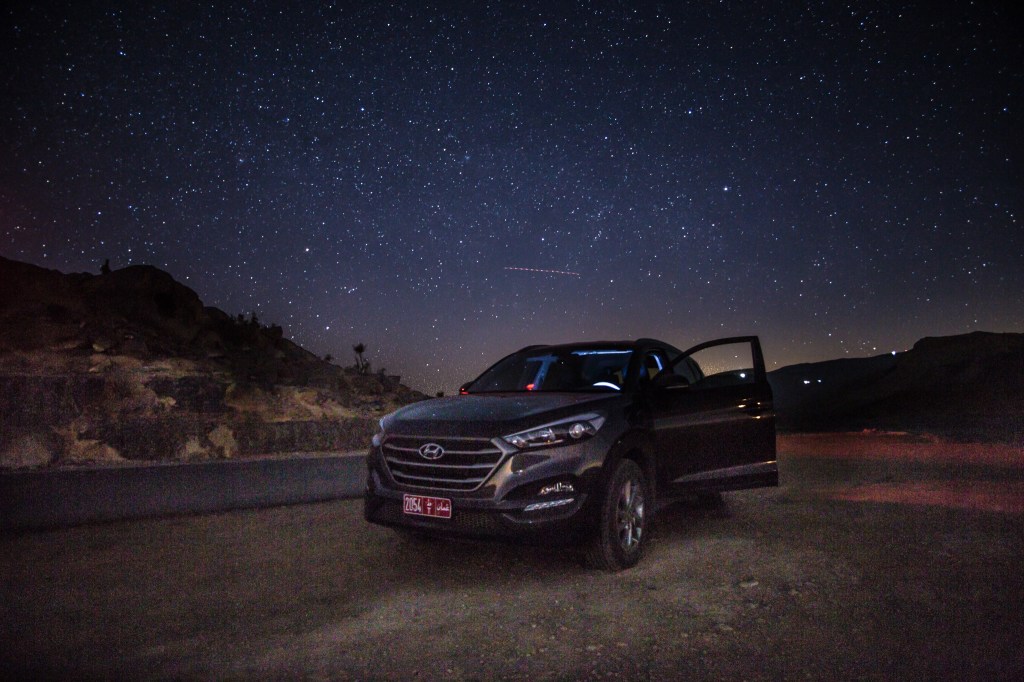
Jebel Shams, Oman

Landscape photography is all about being at proper place at proper time. You heard about the decisive moment. The more time you spend in setting up your gear prevent you from looking at the place creatively.

Wake up early and travel to your location before time. You can setup your gear, take some test shots, check your exposure and composition and you are good to go. When the time is best for taking a photograph, shoot it.

Conclusion

Landscape photography sometimes feels mundane and boring. It doesn’t have those rapid challenges that you face in street and travel photography. But it develop certain habits that will help you in your over all life. Those are patience and discipline.

That’s the biggest take away from landscape photography. Being a good landscape photographer means you have a lot of these two habits. So, develop these two habits and shoot jaw-dropping landscapes.

Happy shooting 🙂

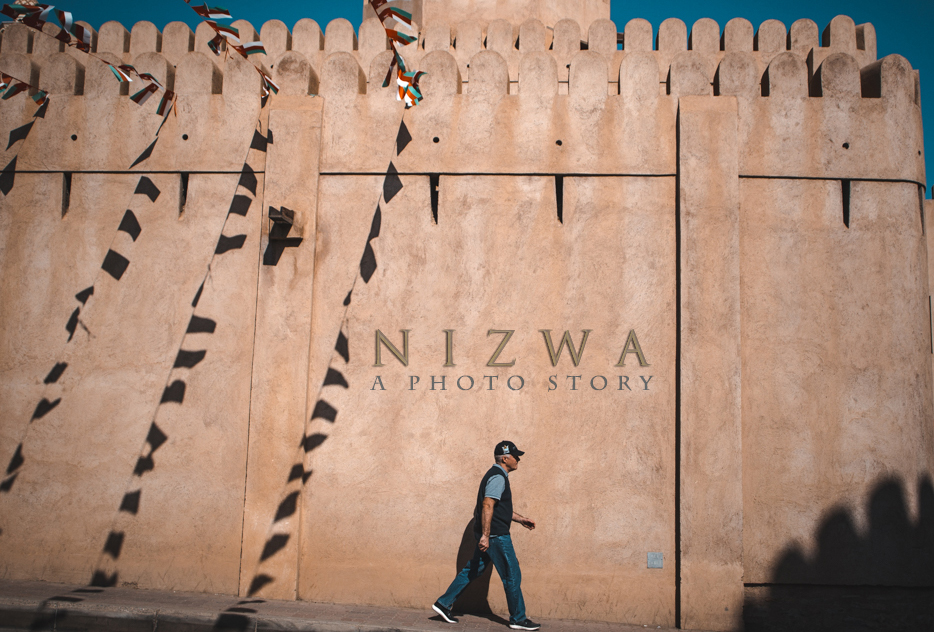
Gems of Oman – Nizwa Fort/market

The Gems of Oman is a series which contains photo stories and videos about various worth photographing locations of Oman.

Oman is famous for its cultural heritage and architecture that is still intact in its most pure form in various cities. Nizwa is one of them. The famous Nizwa souq (market) and fort is the most eye catchy landmark that captures that attention of all the tourist who want to see the true culture of Oman in its purist form.

This video was shot completely on Olympus OMD-EM 5 and iphone 6 hand held.

For dedicated Photography Tour in Oman click here. For Photography Workshop in Oman click here.

A short collection of street photography of Nizwa will also let you take a glimpse of this location before coming to actually immerse in it.


P.S. The cinematography and photography on this post is done solely by me. If you are coming to Oman and want to see and capture it in a unique way, you can contact me for dedicated private photography tour/workshop here

Gems of Oman – Muttrah Corniche

The Gems of Oman is a series which contains photo stories and videos about various worth photographing locations of Oman.

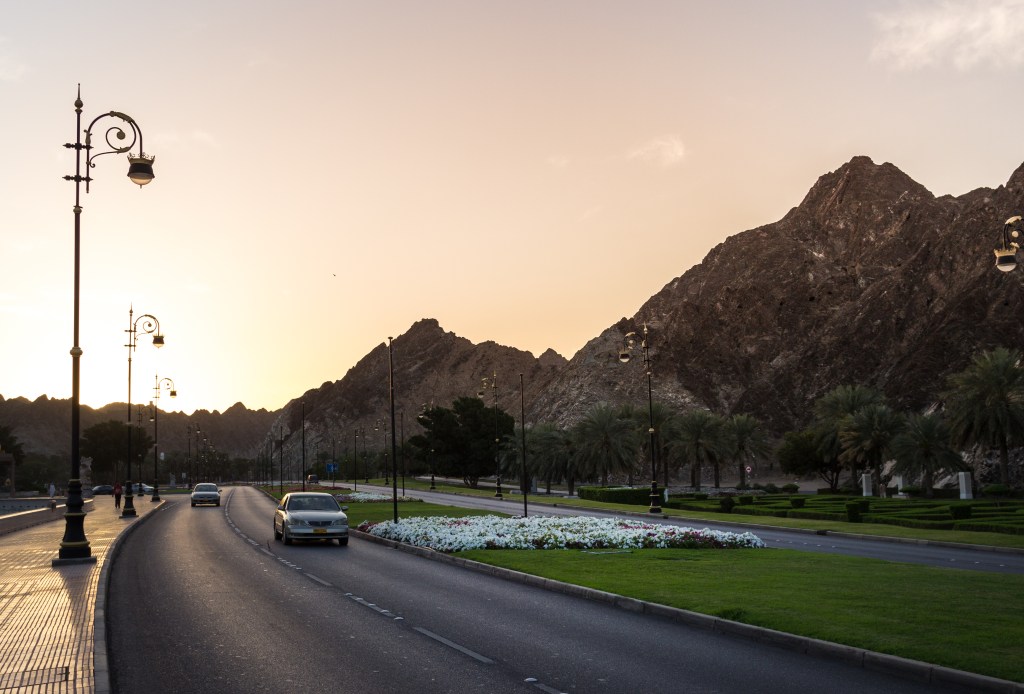
Near the most busy ports in Oman- Sultan Qaboos port lies Muttrah corniche – a true gem of Oman. If you want to experience traditional omani culture, there is no place better than Muttrah corniche. On one side, there is range of beautiful mountains and port while on the other it has Muttrah souq(market) and Fish harbor. The souq is the oldest souq in Oman and most sought after location for tourists to hang out.

This video was shot completely on Olympus OMD-EM 5 and iphone 6 hand held.

For dedicated Photography Tour in Oman click here. For Photography Workshop in Oman click here.

A short collection of street photography of muttrah will also let you take a glimpse of this location before coming to actually immerse in it.

P.S. The cinematography and photography on this post is done solely by me. If you are coming to Oman and want to see and capture it in a unique way you can contact me for dedicated private photography tour/workshop here

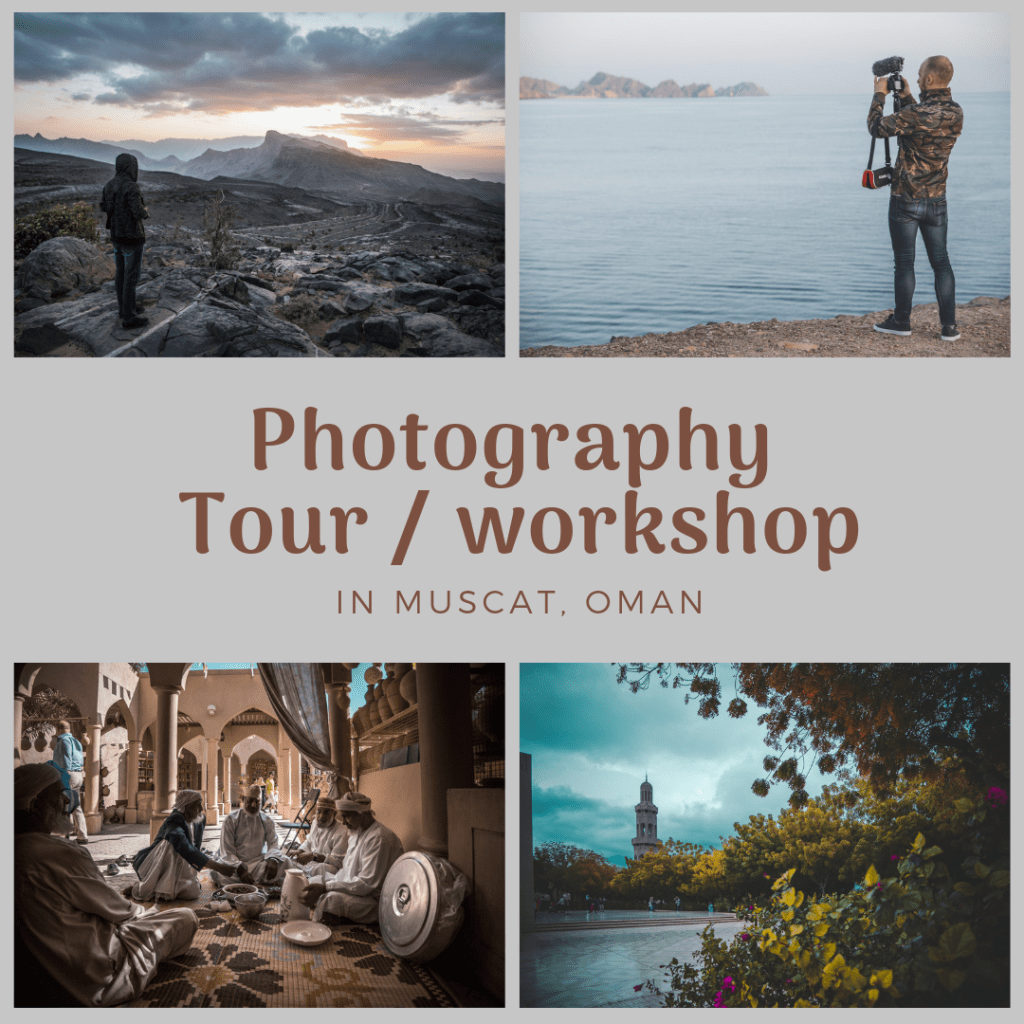
Photography Tour / Workshop in Muscat, Oman

For dedicated Photography Workshop in Oman. See here

Photographer : Imran Zahid

Travel  | Street | Landscape | Portrait  

I am Imran Zahid – A photographer/writer pursuing photography/traveling as a side kick apart from being a full time Software Consultant (it helps me in focusing on my passion rather than worrying about generating income 🙂 ).

I have been conducting photography workshops and photography tours in Oman for individuals and groups for quite some time. Whether you are coming to Oman and want to make the most out of your trip in terms of photography or you just want to see as many beautiful places in Oman in limited amount of time – I have a plan tailored made for your needs.

Feel free to contact me on whatsapp 

A short montage of a recent photography tour in Muscat

My main area of interests are Landscape, Street and Environmental Portraits. You will find plenty of these opportunities in all over Oman if you are at right place at right time and that’s where I comes in  – to take you to right places at right time to make the most out of it.

Oman is full of Traditional and cultural activities (Horse/camel races), Old traditional markets, beautiful and serene beaches, Majestic Wadis (valleys), Amazing Deserts, Old Islamic Architecture and above all beautiful and friendly people etc.

Whether you are coming to Oman for a short visit or you want to learn some handy photography skills, you can contact me on my email ( im.zahid@hotmail.com ) to discuss and let me make a plan tailored made to your schedule and needs (I will send you sample itinerary). I conduct tours and workshops for individuals and small groups. If necessary, I arrange hotels and cars for people coming on a short trip too.

You can check my profile and social media handles for some of my work. Also checkout my post ‘Oman for Photographers‘about places for photography in Oman which will give you an idea on how photogenic Oman is by clicking here

500px :http://500px.com/imrzahid

Photography Blog : https://theshadesphotography.wordpress.com

Instagram : http://www.instagram.com/imrzahid/

Blog at WordPress.com.

Up ↑