ISO, one of the pillars of exposure, often perplexes photographers. Misconceptions about its significance can hinder creativity. This article unlocks ISO’s secrets, explaining its role in exposure, its effects on image quality, and creative applications. Whether you’re a novice seeking clarity or a seasoned photographer aiming to push boundaries, understanding ISO is key to capturing stunning images. Dive in to elevate your photography skills.
I. Introduction
- What is ISO in Photography?
- Common Misconceptions about ISO
II. The Role of ISO in Exposure
- ISO’s Influence on Exposure
- ISO and Image Quality
III. ISO and Noise
- Understanding Image Noise
- The Trade-Off: ISO vs. Noise
IV. Modern Camera Technology
- Advances in Sensor Technology
- In-Camera Noise Reduction
V. The Importance of Proper Exposure
- Balancing ISO with Aperture and Shutter Speed
- Overcoming Low Light Challenges
VI. Creative Use of ISO
- Using ISO for Creative Effects
- Experimenting with High and Low ISO
VII. Conclusion
- ISO as a Tool, Not a Limitation
- The Bigger Picture in Photography
I. Introduction

What is ISO in Photography?
ISO is one of the three key elements of exposure in photography; also know as the exposure triangle, along with aperture and shutter speed. It measures the sensitivity of your camera’s sensor to light. In the digital era, ISO is no longer associated with film sensitivity but rather with how your camera’s sensor amplifies the incoming light. A lot of people thinks ISO is essentially a bad side effect but little people know you can always experiment with high ISO if you don’t have the option of adding artificial lights.
Common Misconceptions about ISO
Many photographers, especially beginners, tend to overemphasize the importance of ISO in photography. They often believe that higher ISO settings are essential for better photos in low-light conditions. However, understanding the role of ISO and its limitations can lead to more informed and creative photography.
II. The Role of ISO in Exposure
ISO’s Influence on Exposure

ISO plays a critical role in achieving proper exposure. It allows you to adjust the sensitivity of your camera’s sensor to match the available light. Higher ISO settings make the sensor more sensitive, enabling you to capture images in dimly lit environments without the need for slower shutter speeds or wider apertures.
ISO and Image Quality

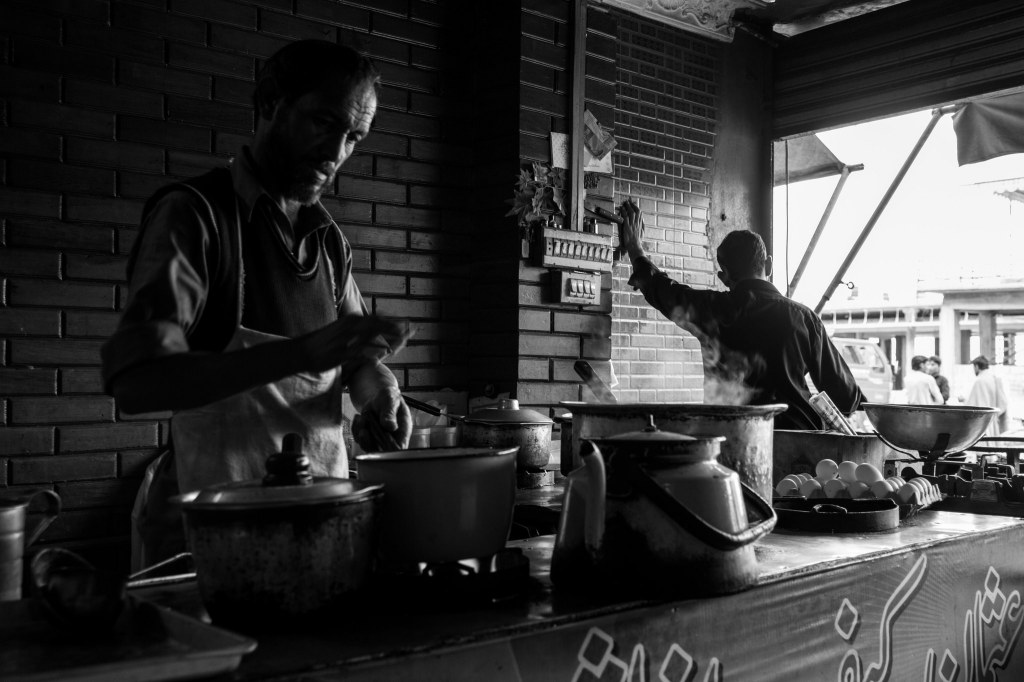
While ISO provides flexibility in challenging lighting situations, it’s essential to recognize that increasing ISO comes with a trade-off. Higher ISO settings can introduce digital noise, which manifests as grain or speckles in your photos. This noise can degrade image quality and detail. But there is a unique characteristic of noise. It doesn’t look bad on black and white images. If you don’t have any other option than you can always convert your images to black and white in order to minimise its damage. It also looks classic and timeless.
III. ISO and Noise

Understanding Image Noise
Image noise is the unwanted variation in brightness or color that appears as specks or grain in a photograph. It becomes more noticeable as you raise the ISO setting. Noise can compromise the clarity and sharpness of your images, particularly in areas with low contrast.
There two types of noise. Color noise and luminescence noise. The alter will just ad grains where as former will add red and blue color grans that sometimes alter the general color tone of an image.
The Trade-Off: ISO vs. Noise
Balancing ISO with the need for noise-free images is a constant challenge in photography. Understanding that higher ISO settings may result in more noise should encourage photographers to explore alternative techniques, such as using a tripod or external lighting, to maintain image quality.
There will be a situation where you need to increase ISO to avoid slow shutter but increasing it in small amounts will do the trick. Always check your camera for maximum ISO that gives usable images,
IV. Modern Camera Technology

Advances in Sensor Technology
Modern cameras are equipped with advanced sensors that offer better low-light performance compared to their predecessors. This means you can shoot at lower ISO settings in challenging conditions while still achieving excellent results. Sony and nikon are famous for their sensors that works really great at high ISOs.
Full frame cameras are much better at handling high ISO numbers.
In-Camera Noise Reduction
Many cameras now include in-camera noise reduction features that can mitigate the effects of high ISO. These technologies analyze and reduce noise during image processing, improving the final image quality. But there is a downside to it, In-Noise reduction not only reduces noise but reduces details as well. Making it more like a painting than a photograph.
reduing noise later to your taste in post processinf is always a good choice.
V. The Importance of Proper Exposure

Balancing ISO with Aperture and Shutter Speed
Achieving a well-exposed photograph involves finding the right balance between ISO, aperture, and shutter speed. By understanding how these three factors interact, photographers can control exposure while minimizing noise.
Overcoming Low Light Challenges
Photographers often use slower shutter speeds and wider apertures to compensate for low light conditions before resorting to high ISO settings. These techniques can produce noise-free images with proper exposure.
VI. Creative Use of ISO

Using ISO for Creative Effects
ISO isn’t just a tool for challenging conditions; it can also be harnessed creatively. High ISO settings can introduce grainy textures for a vintage or artistic look, while low ISO settings can produce exceptionally clean and detailed images.
Experimenting with High and Low ISO
Photographers should explore the full range of ISO settings to understand their creative potential. Experimenting with different ISO values can lead to unique and visually striking results. Usually full frame cameras render better results in high ISOs because of their larger sensors. That’s the main reason why all PROs tends to use full frame cameras. But you should always experiment wiht your camera ISO range and see what maximum ISO number can render you useable results.
VII. Conclusion
In conclusion, while ISO is undoubtedly a crucial element of photography, it’s essential to demystify its significance. Understanding that ISO is not the sole determinant of image quality empowers photographers to make informed choices based on the creative vision and the specific requirements of each photographic situation. Instead of viewing ISO as a limitation, consider it as a versatile tool to achieve your desired results, whether that involves capturing a fleeting moment in low light or adding a touch of character to your images.


Recent Comments