
With the advent of extremely capable mobile phone cameras, photography has become more accessible than ever. Anyone with good aesthetic sense wants ot convert their passion for photography into a profitable venture. Having said that, one of the most rewarding niches in photography is portrait photography.
This article will guide you on how to start a successful portrait photography business, from honing your skills to establishing your brand and managing your operations effectively.
- Understanding Portrait Photography
- What is Portrait Photography?
- The Importance of Portrait Photography
- Getting Started: Your Photography Skills
- Mastering Your Camera
- Developing Your Eye for Composition
- Business Essentials
- Legal Requirements and Permits
- Creating a Business Plan
- Setting Up Your Studio
- Location and Space
- Equipment and Lighting
- Building Your Portfolio
- Working with Models and Clients
- Types of Portrait Photography
- Pricing and Packages
- Determining Your Rates
- Offering Packages and Services
- Marketing and Branding
- Building an Online Presence
- Networking and Collaborations
- Managing Your Business
- Client Communication
- Scheduling and Time Management
- Conclusion
- Achieving Success in Portrait Photography
Understanding Portrait Photography
What is Portrait Photography?
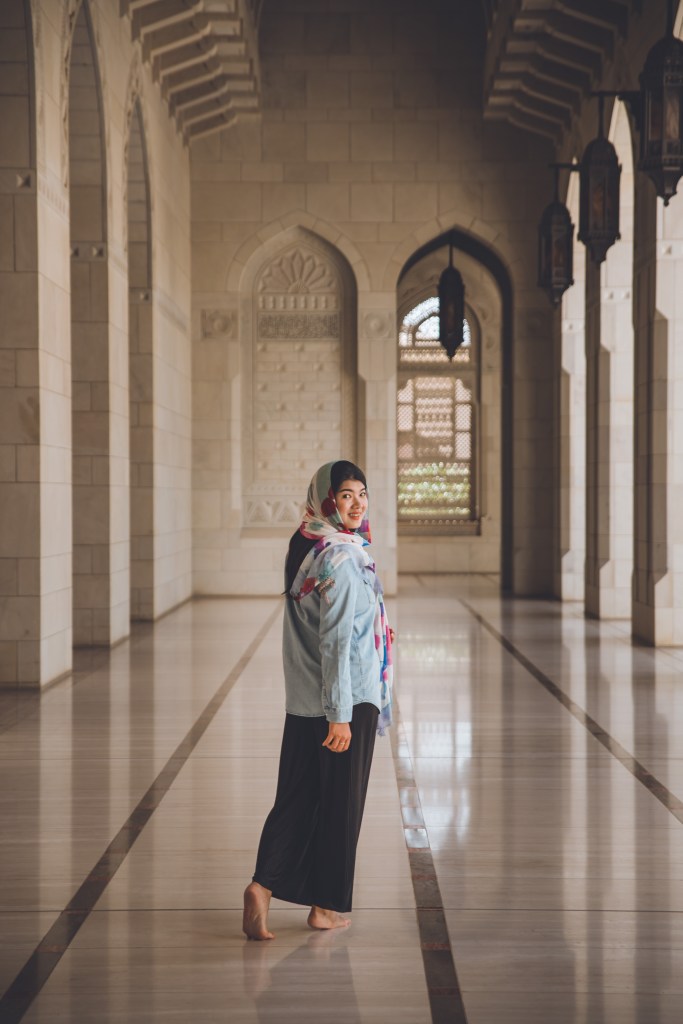
Portrait photography is a genre that focuses on capturing the essence and personality of individuals or groups. It goes beyond merely taking pictures and aims to tell a story through the subjects’ expressions, emotions, and interactions.
A lot of people give more importance to gear, lights and location. Yes, they are important and they separate ameteurs from professionals. But, remember, A portrait is a window to the soul. If you fail to capture the emotions, your photos are garbage no matter how sharp they are or how beautifully they are composed.
The Importance of Portrait Photography
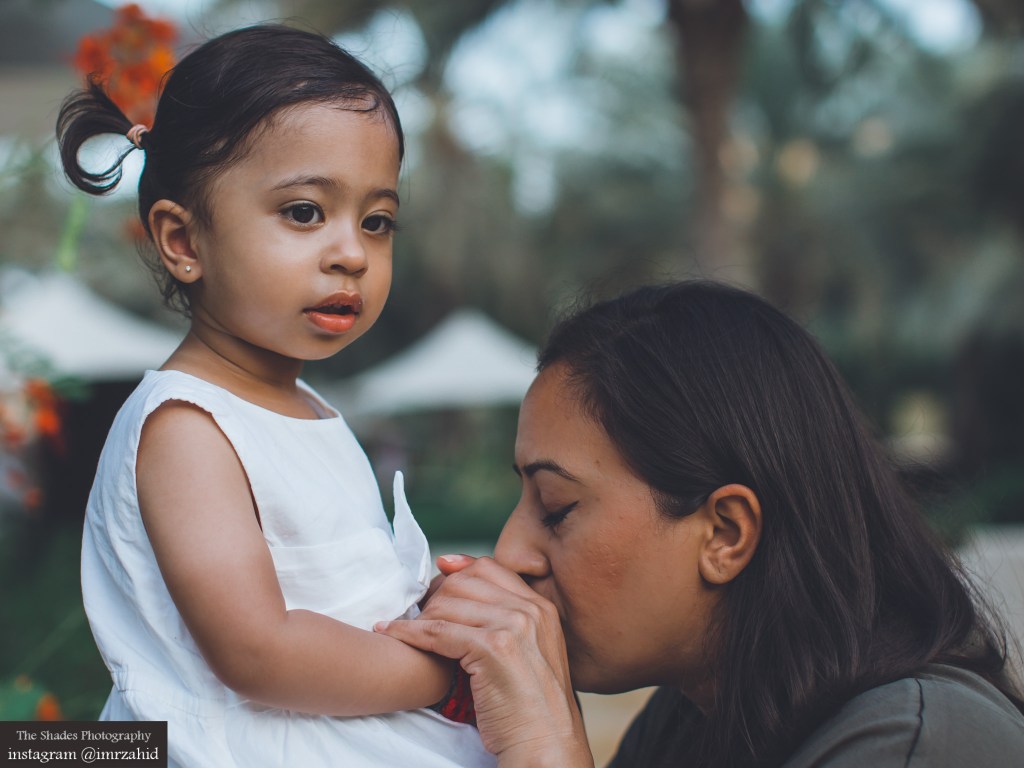
Portraits hold sentimental value for people, making them an integral part of life’s milestones. From family portraits to professional headshots, this form of photography is in high demand and offers numerous opportunities for photographers.
Getting Started: Your Photography Skills
Mastering Your Camera

Before diving into a portrait photography business, you must have a strong command of your camera and its settings. Understanding aperture, shutter speed, ISO, and other essential functions is critical to capturing high-quality portraits.
A decent portrait lens of 1.8 or 2.8 aperture is also important. I am not a big fan of gear acquisition but if your client pay you to do a shoot, he/she is expecting a certain quality standard. It doesn’t have to be most expensive. A simple 50mm 1.8 will do the job in begining.
Developing Your Eye for Composition

Composition plays a pivotal role in portrait photography. Learn about the rule of thirds, framing, and leading lines to create visually appealing and engaging portraits.
Leading lines ( as shown above ), blurred foreground elements and simple backgrounds works almost all the time with portraits.
Communicating with the model and making them feel relaxed is also of utmost importance. Do talk to them for atleast 15 minutes before shoot so that they are comfortable with you. Take few test shots and show them your compositions. A compliment here and there will make them feel good and confident.
Business Essentials
Legal Requirements and Permits
Starting a photography business often involves legal obligations. Ensure you understand the necessary permits, licenses, and tax requirements in your area to operate legally.
keep consent form all the time with you. Whenever you do any photoshoot, make sure to get it signed by the model so that later their should not be any legal problems. I am providing one sample here. Feel free to modify it as per your conditions / needs. Also make sure to ask for permission from property owner if you are at private property.
Creating a Business Plan
A well-thought-out business plan is your roadmap to success. Define your niche, target audience, and marketing strategies in your plan. It will help you stay organized and focused on your goals.
To start out with, check the pricing plan of professionals. If you are good at photograpy then you can charge a low price on condition that you will use couple of their photos (with client’s consent and selection) on your social media.
use social media ads to increase your visibilty. If you have a good portfolio, people will definitely going to book you.
Setting Up Your Studio
Location and Space
Decide whether you want to operate from a dedicated studio space or work on location. The choice depends on your budget and the type of portraits you intend to offer.
I am not a big fan of artificial lights or studio backgrounds. I usually do destination weddings or vacation photo shoots. I know few locations around the city that are good for these types of shoots. It also reduces my budget for lights, rent and other equipment and increase my profit margin.
If you are a fan of indoor shoots, start with your basement and invest in few speed lights. Once you get a good grip then rent a small space for your studio.
Equipment and Lighting
Having the right tools is essential for delivering professional results. You don’t have to invest a lot in begining. Just start with a couple of speed lights and a neutral gray background. Why gray? You can change its color later on in post easily to any color.
Once you get the hang of it, you can start experiment / invest in reflectors , light doms etc.
Building Your Portfolio
Working with Models and Clients

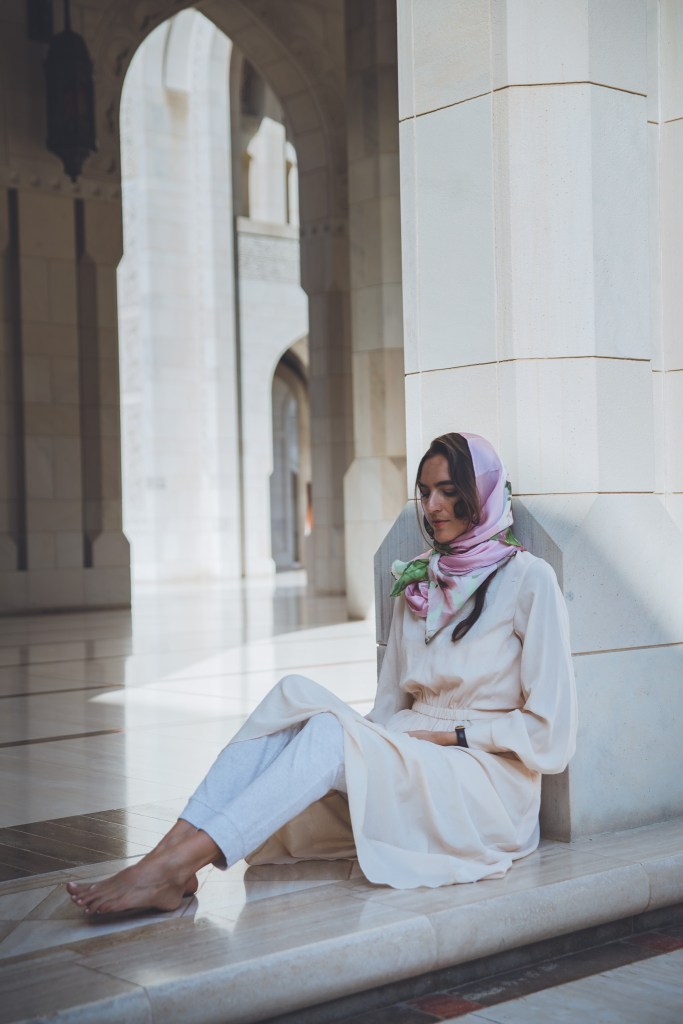

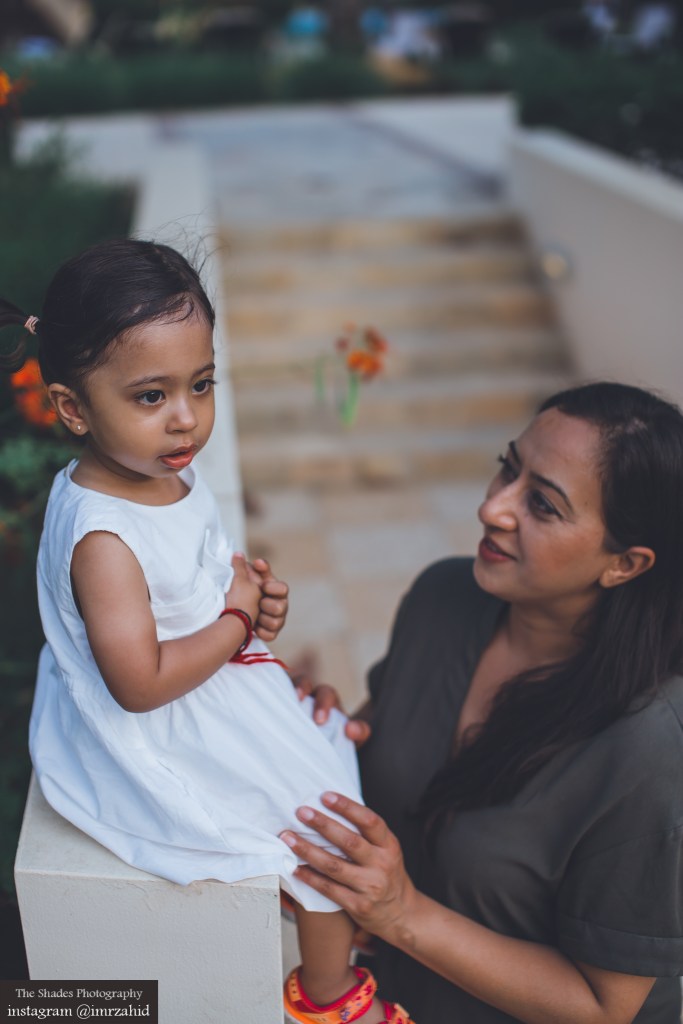
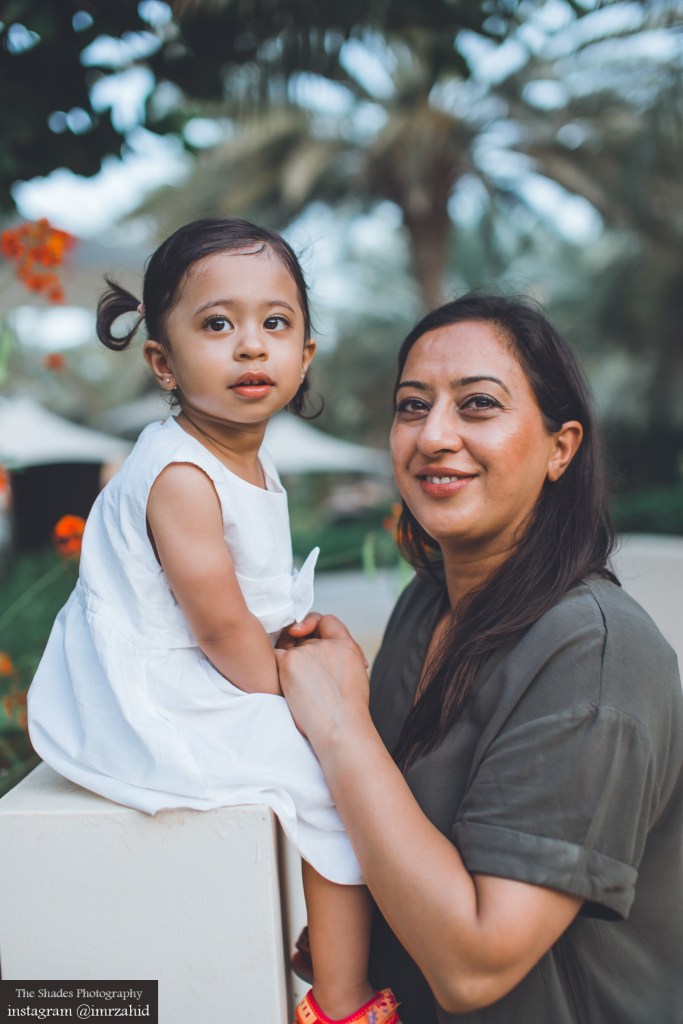
Collaborate with models and clients to build your portfolio. Practice different styles and techniques to showcase your versatility as a portrait photographer. If you are a beginner, you can always use your friends and family as a model. You can offer them a free photoshoot in return of their consent to use their photos on your profile.
Types of Portrait Photography



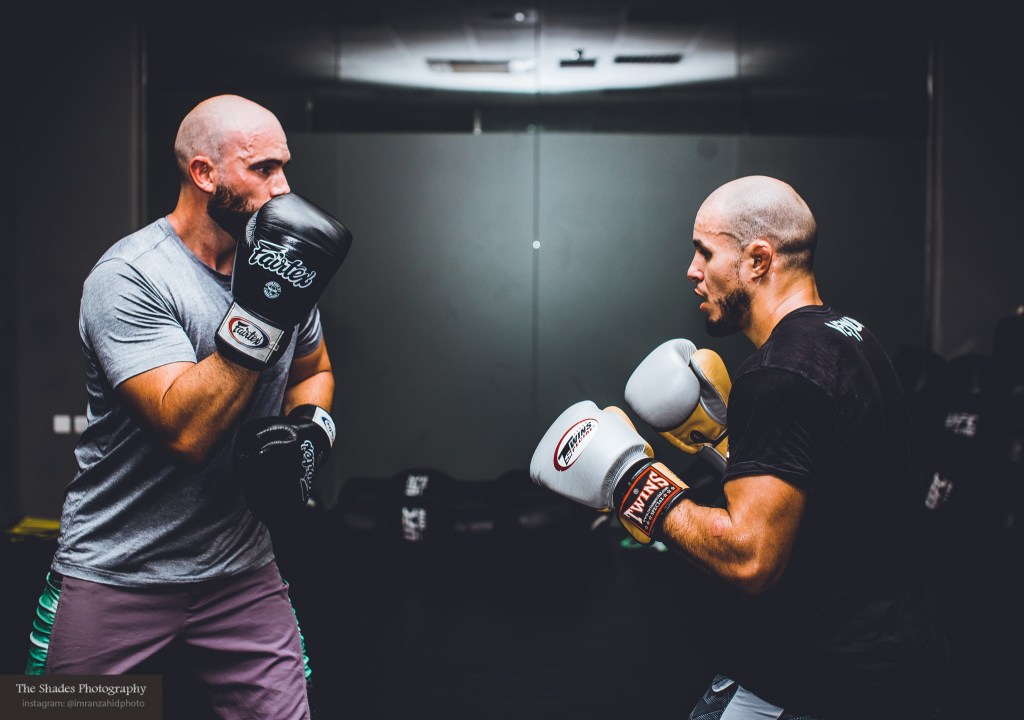

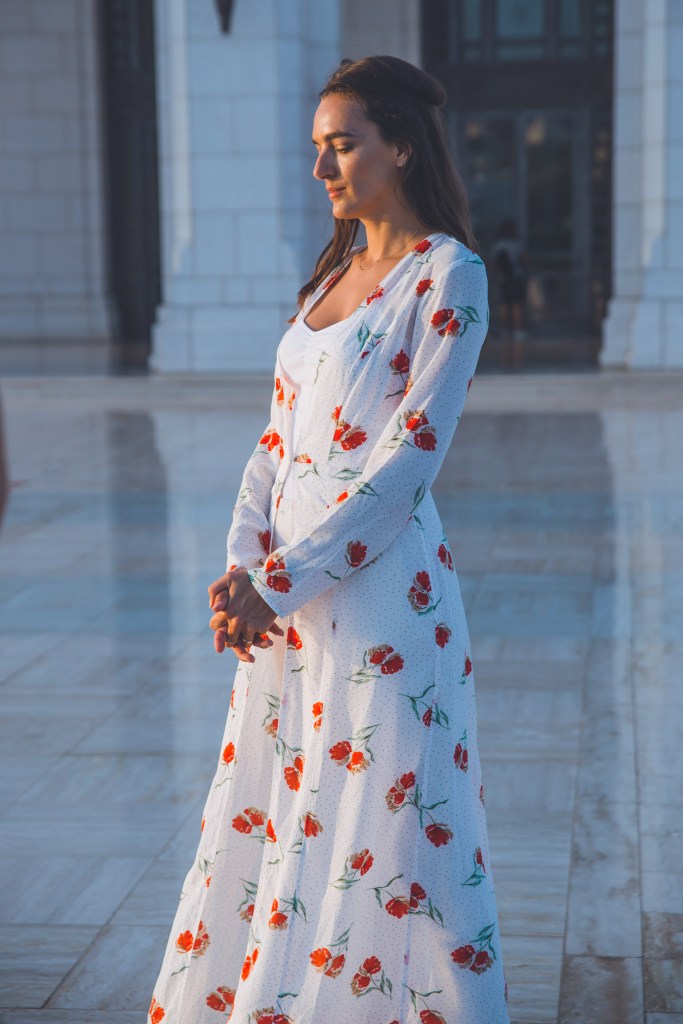

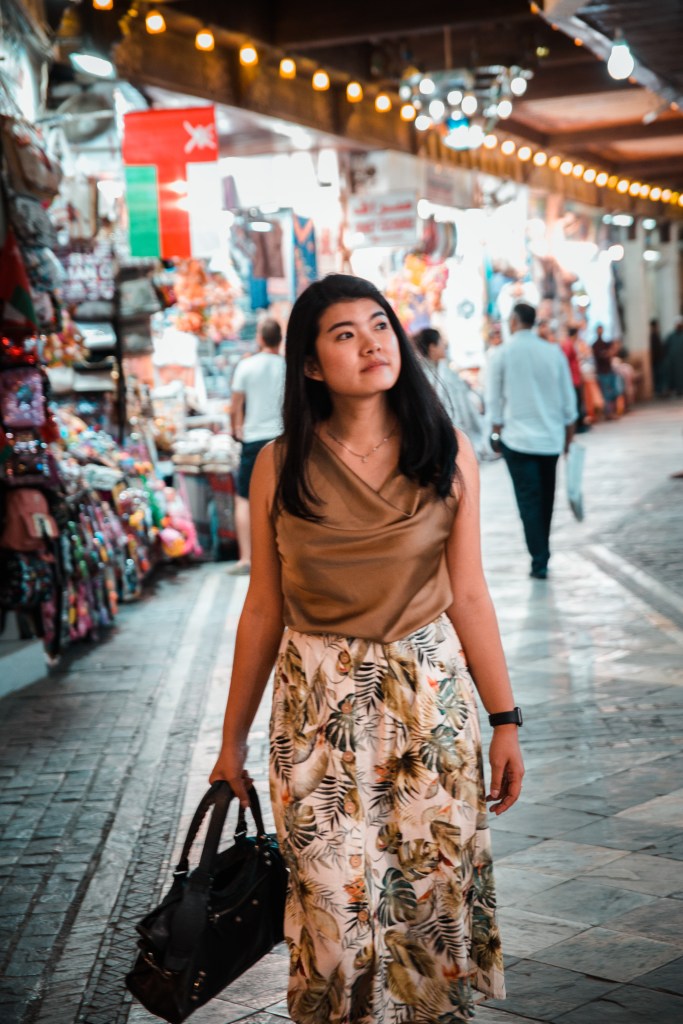
Explore various types of portrait photography, such as family, corporate, and fashion portraits. Diversifying your portfolio can attract a broader clientele. Your portfolio should be versatile.
You can also make separate portfolios for separate types. I have separate portfolios for vacation photography, corporate headshots and weddings/engagements.
Pricing and Packages
Determining Your Rates
Set competitive and profitable rates based on your skill level, equipment, and market demand. Research local competitors to find your pricing sweet spot.
Compare yourself with other professionals and charge accordingly. Once you have a clientale, then you have all the freedom to charge according to your potential.
Offering Packages and Services
Create packages that cater to different client needs. Offer a range of services, from basic sessions to premium packages with additional features. Check out my packages for a vaction photography shoots here.
You can create a complete package that includes printing albums, creating social media collages and more. It will also increase your profit margin and client will be more comfortable.
You can even use your friends as makeup artist or wardrobe designer if they are good at it. But make sure your end result is professional and up to the mark.
Marketing and Branding
Building an Online Presence
Establish a strong online presence through a professional website and active social media profiles. Share your portfolio and engage with potential clients.
Facebook and instagram ads work wonders as they are very targeted. Build a professional website. There are tons of online building tools available. Build a good online presence. Its your first impression to clients.
Networking and Collaborations
Network with fellow photographers, models, and businesses in your community. Collaborations can lead to referrals and opportunities for growth.
There are groups and forums for that. Do join your local facebook groups for networking. Try to collaborate with your fellow photographers and ask them to give you credit or back link so that people can approach you too.
Managing Your Business
Client Communication
Effective communication is key to building trust and lasting client relationships. Respond promptly to inquiries and keep clients informed throughout the process.
Try to keep everything in black and white though emails. Don’t reply on whatsapp and voice notes. they are good but contractual conditions should be in writing to protect you from any future conflict.
Scheduling and Time Management
Create a reliable scheduling system to manage appointments and ensure you have enough time for each session. I used google calendar and Notion app for this. Punctuality is vital in the photography business. Reaching late for a meeting will destroy your chances of getting hired.
Deliver what you offer. Infact, try to deliver a little more than what you offer. If I had a shoot that includes 30 photos, I sometimes give them 2,3 photos more for free. Just to establish a good relationshoip.
Conclusion
Starting a portrait photography business requires a blend of creativity, technical skill, and business acumen. By mastering your photography skills, understanding the business essentials, and consistently delivering high-quality work, you can turn your passion into a successful career.
Do share your experiences / challenges below in comments. Lets make this blog post a good starting point for people who want to start Portrait photography business. Lets help each other 🙂

 imran.zahid
Leave a comment