Introduction
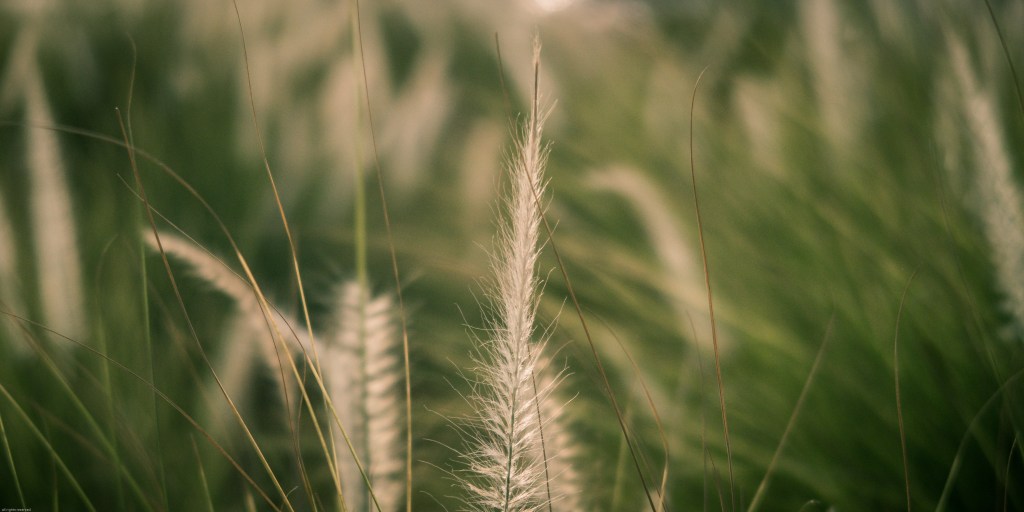
Japanese bokeh, meaning “blur” or “haze,” is a famous photographic technique that lends charm to photos. It involves blurring the background while keeping the topic in great focus to isolate your subject and create depth to your photos. This guide will help you master bokeh photography and create stunning photographs.
Understanding Bokeh
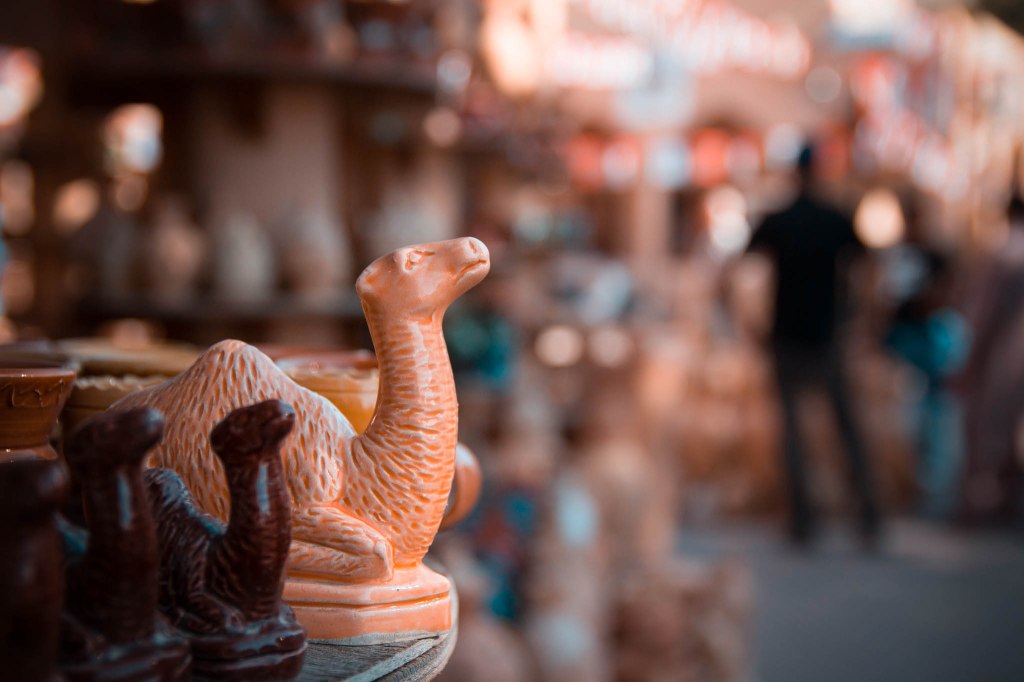
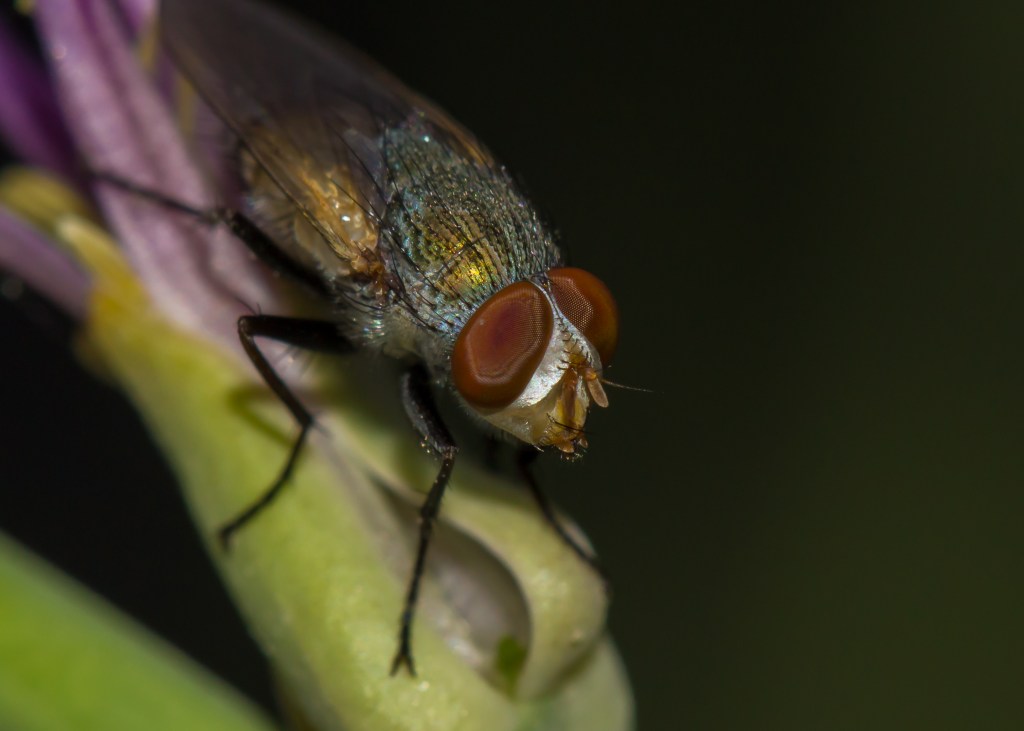
Bokeh is characterized by the aesthetic quality of the blur in out-of-focus areas of an image. It is often achieved by using a wide aperture, which results in a shallow depth of field. The background and foreground elements become soft and creamy, while the subject remains sharply defined, creating a pleasing contrast that draws the viewer’s attention to the main subject.
Equipment You’ll Need (minimal)
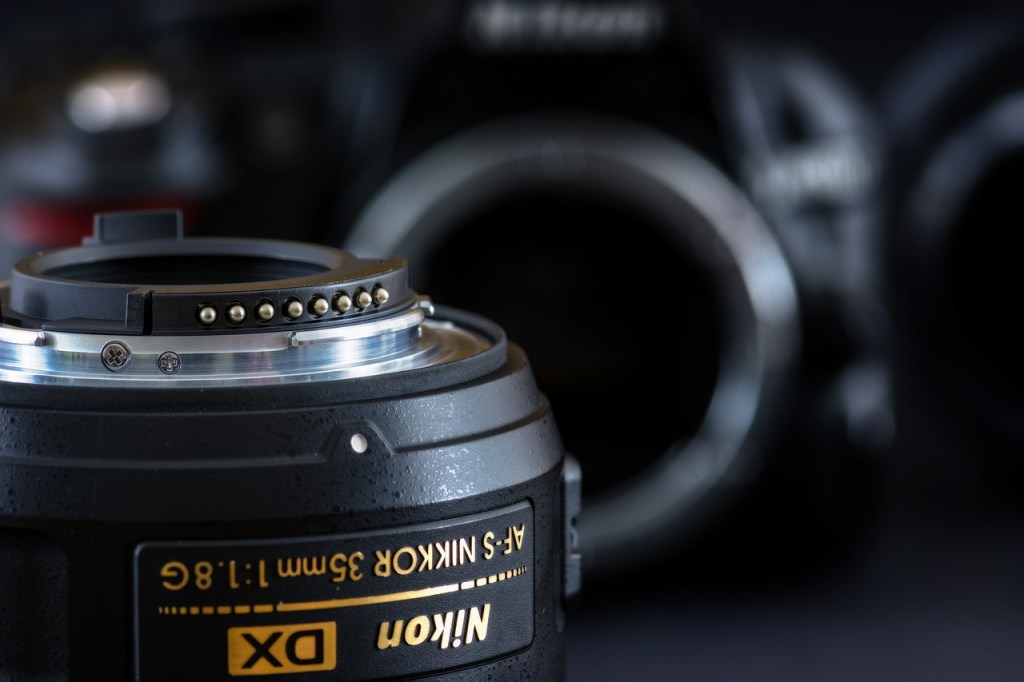
Camera with Manual or Semi automatic Mode: A camera with manual mode gives you full power over the aperture settings. You can change the aperture, shutter speed, and ISO separately.
Lens with Wide Aperture: The key to achieving bokeh is a lens with a wide maximum aperture, typically f/2.8 or wider (smaller f-number). Prime lenses like a 50mm f/1.8 are excellent choices for bokeh photography.
Setting Up Your Camera
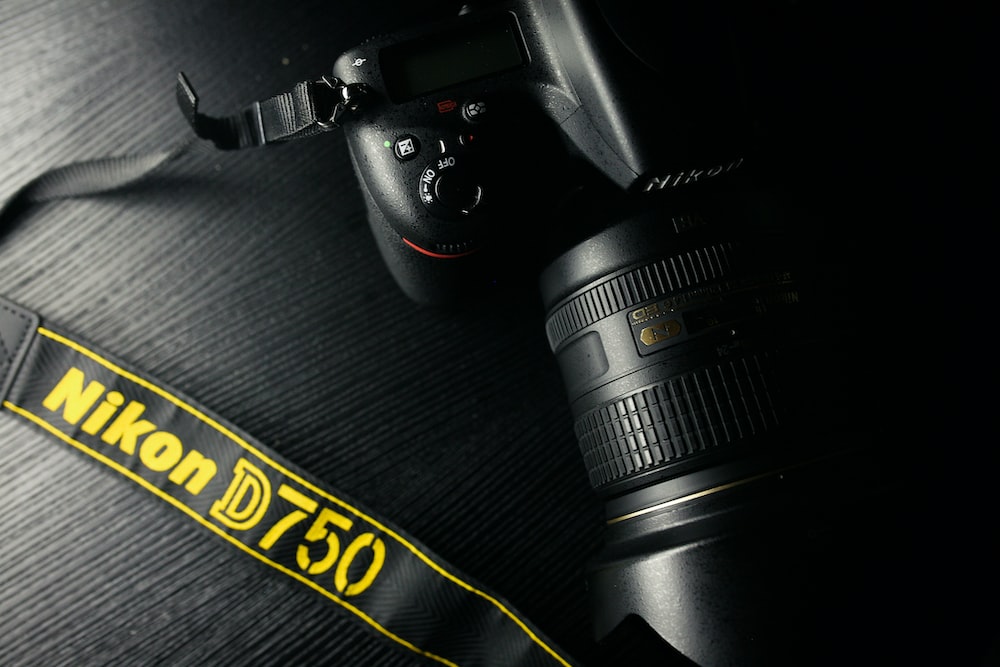
Select Aperture Priority or Manual Mode: Switch your camera to Aperture Priority (A or Av) or Manual (M) mode. These modes give you control over the aperture setting.
Choose a Wide Aperture: Select a low f-number (e.g., f/1.8 or f/2.8) to achieve a shallow depth of field. The wider the aperture, the more pronounced the bokeh effect will be.
Set ISO: Try to keep the ISO as low as possible. If shutter speed goes too low, you can raise it up to 400 or 800 max.
Focus on the Subject: Prices focus is very important. Since, depth of field is very thin in wide apertures, make sure focus is spot on.
Composing Your Shot
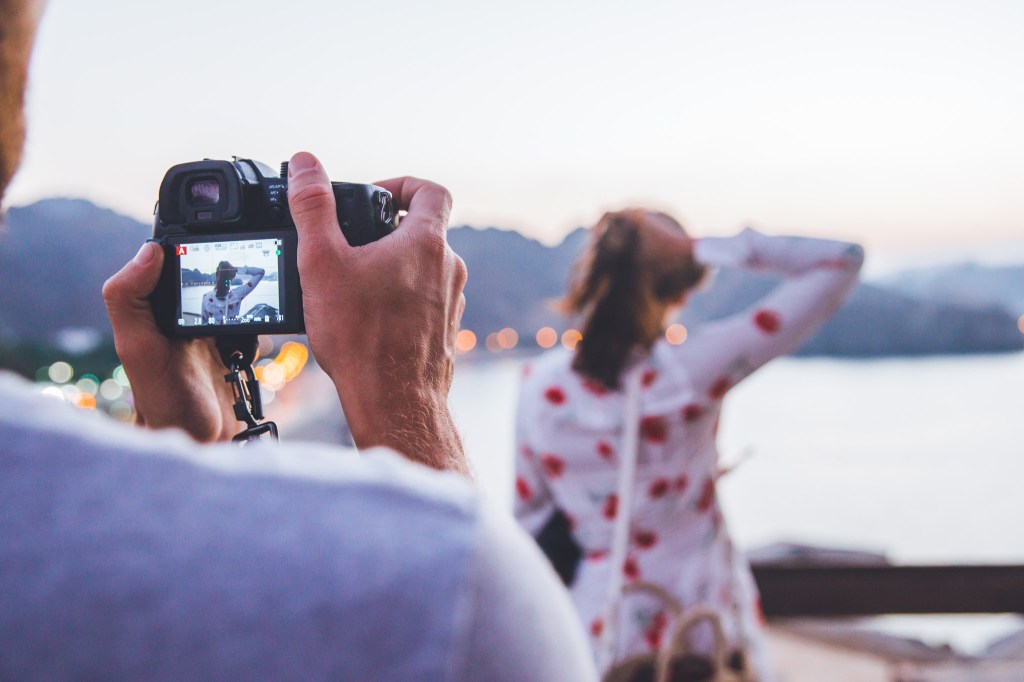
Distance and Perspective: Position your subject at a reasonable distance from the background to create depth in your composition. The farther the background elements, the more pronounced the bokeh will appear.
Background Selection: Choose a background with visually appealing elements, such as lights, foliage, or patterns. These elements will be transformed into beautiful bokeh balls or shapes. The further the background, better bokeh
Frame Your Subject: Frame the subject in a way that background blur should be simpler and not too complex. Choose the background that has some contrast. That way bokeh balls are more visible.



Shooting Techniques
Use a Wide Aperture: This is the key to achieving bokeh. The wider the aperture (smaller number), the better bokeh. Set your laperture to f/1.8 or f/2.8 if possible
Get Closer to Your Subject: Physically move closer to your subject while maintaining focus. This helps to isolate the subject and enhance the bokeh effect.
Zoom In: If you’re using a zoom lens, zoom in on your subject. A longer focal length will compress the background, making it easier to achieve bokeh.
Maintain Adequate Distance: Ensure there is sufficient distance between your subject and the background. The farther the background, the creamier the bokeh will be.
Focus Point: Pay close attention to your focus point. Aim to focus precisely on the subject’s eyes or the point of interest.
Lighting Considerations




Golden Hour: Shooting during the golden hour (shortly after sunrise or before sunset) provides soft, warm light that enhances the bokeh effect. Warm light usually gels well with bokeh. Also day light looks more natural.
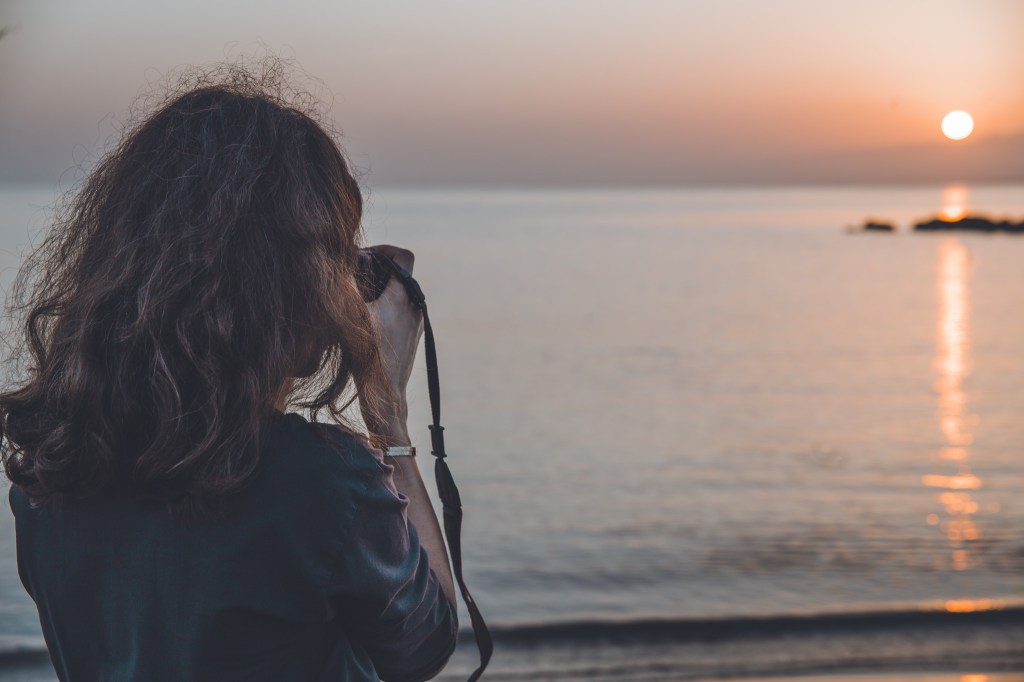
Backlighting: Position your subject with backlighting, such as the sun behind them, to create a dreamy and ethereal bokeh background. This automatically enhances the overall glow of a photograph. It specially goes well with portraits.
Post-Processing
After capturing your bokeh shots, you can enhance the effect further during post-processing. Software like Adobe Photoshop or Lightroom allows you to fine-tune the bokeh, adjust contrast, and enhance colors to make your images truly pop.
Experiment and Practice
Mastering bokeh photography takes practice. Experiment with different lenses, apertures, and compositions to discover your unique style. Don’t be afraid to make mistakes and learn from them. As you gain experience, you’ll develop an instinct for when and how to use bokeh to create captivating images that leave a lasting impression.

 imran.zahid
Leave a comment