
- Introduction
- Understanding Travel Photography
- The Importance of Travel Photography
- Equipment for Travel Photography
- Tips for Capturing Great Travel Photos
- 5.1 Research and Plan Your Trip
- 5.2 Capture the Essence of the Location
- 5.3 Experiment with Different Perspectives
- 5.4 Mastering Lighting Techniques
- 5.5 Tell a Story through Your Photos
- 5.6 Focus on People and Culture
- 5.7 Capture Candid Moments
- 5.8 Post-processing and Editing
- 5.9 Building an Online Portfolio
- Inspiring Travel Photography Examples
- How to Become a Travel Photographer
- Conclusion
- FAQs
- 9.1 Is travel photography only about capturing landscapes?
- 9.2 What camera gear is essential for travel photography?
- 9.3 Can I become a travel photographer without formal training?
- 9.4 How do I monetize my travel photography?
- 9.5 How can I overcome language barriers while photographing in foreign countries?
Want a photoshoot in Oman or Looking fot tour?
1. Introduction
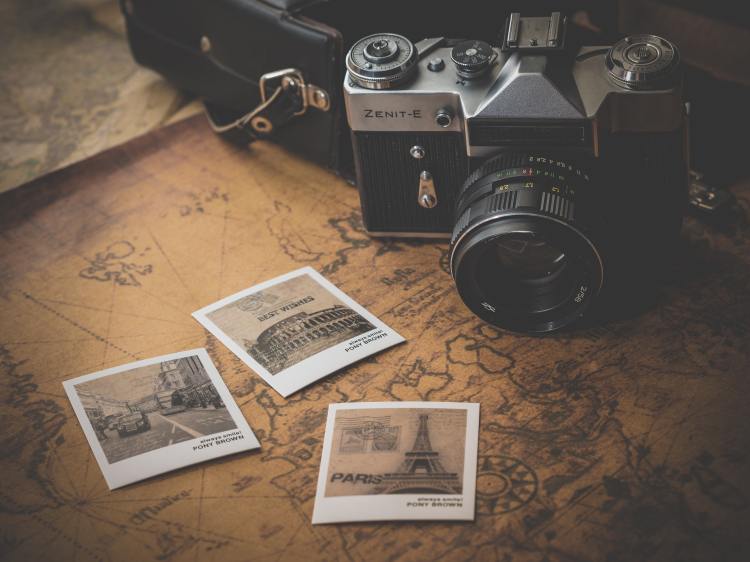
Travel photography is a captivating art form that allows you to document and share your travel experiences through stunning visual imagery. It goes beyond simply taking snapshots and encompasses the artistry of capturing the essence of a place, its people, culture, landscapes, and moments that make your journey unique. In this article, we will delve into the world of travel photography, exploring its significance, providing tips for capturing exceptional travel photos, showcasing inspiring examples, and offering guidance on how to embark on a career as a travel photographer.
2. Understanding Travel Photography
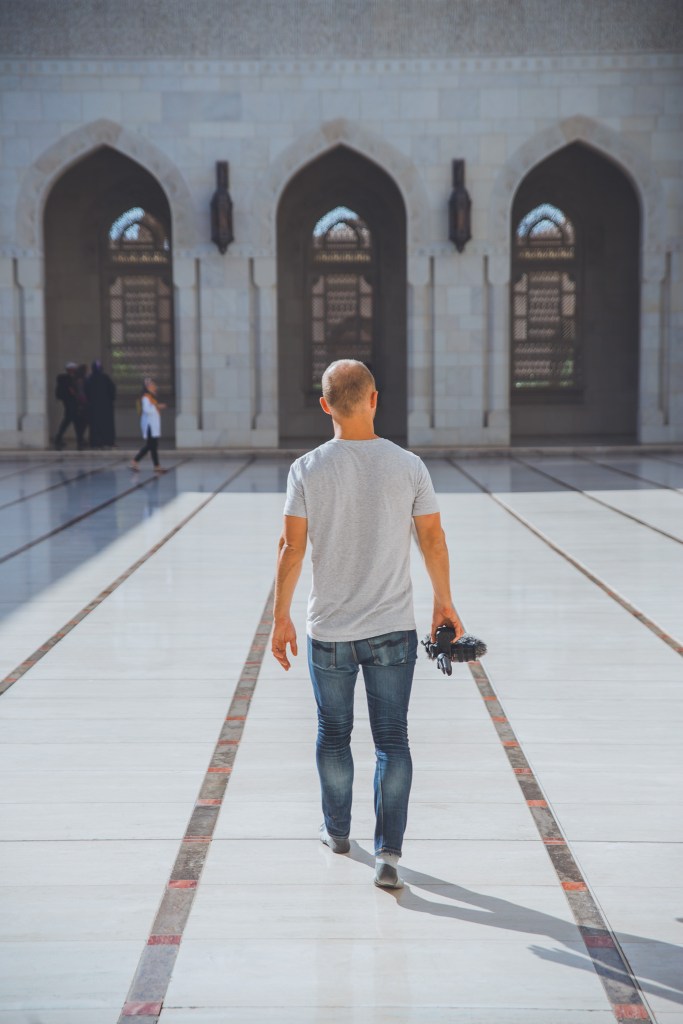
Travel photography is the art of capturing compelling photographs while exploring new destinations. It involves immersing oneself in the local culture, traditions, and landscapes to visually communicate the experience to others. It can encompass various genres, including landscape, street, portrait, wildlife, and architectural photography. The goal is to create images that transport viewers to different parts of the world, evoking emotions and telling stories through visuals.
3. The Importance of Travel Photography
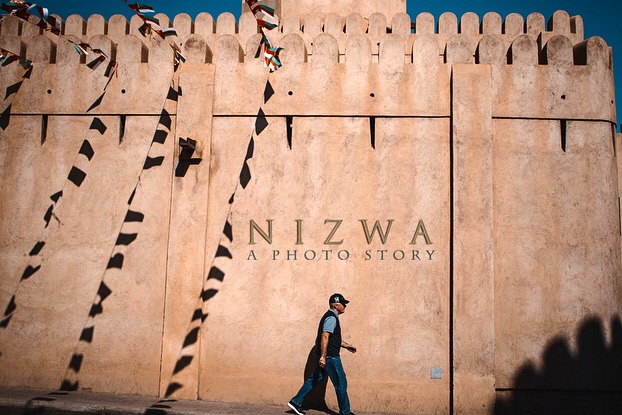
Travel photography holds immense importance in preserving memories, documenting diverse cultures, and inspiring wanderlust in others. It allows people who are unable to travel to experience different places through images, fostering a sense of connection and appreciation for the world’s beauty and diversity. Additionally, travel photography plays a vital role in promoting tourism, highlighting destinations, and supporting local economies.
4. Equipment for Travel Photography

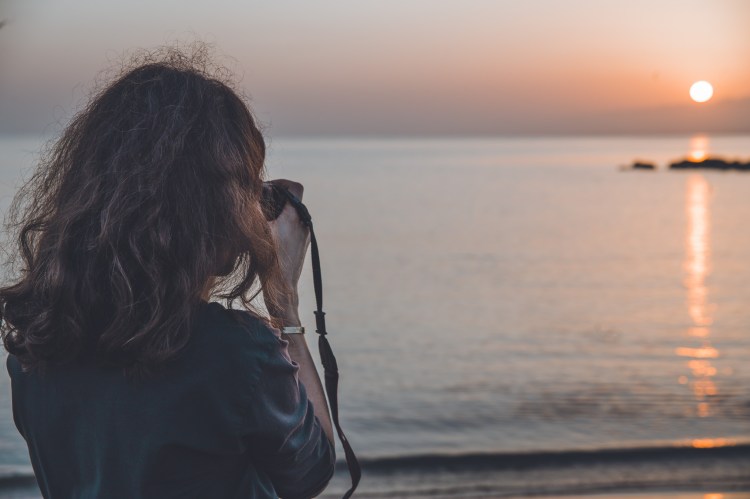
To embark on your journey as a travel photographer, it is essential to have the right equipment. While the choice of gear may vary based on personal preference, here are some essential items to consider:
- A reliable camera: Invest in a high-quality digital camera with manual controls to have creative freedom and capture high-resolution images.
- Versatile lenses: Carry a range of lenses, such as a wide-angle lens for landscapes, a telephoto lens for capturing details, and a prime lens for low-light situations.
- Sturdy tripod: A lightweight and sturdy tripod can help you stabilize your camera for long exposures, low-light situations, or self-portraits.
- Spare batteries and memory cards: Ensure you have enough backup batteries and memory cards to avoid missing out on precious moments.
- Protective gear: Protect your equipment from dust, water, and extreme weather conditions with suitable camera bags, lens filters, and rain covers.
5. Tips for Capturing Great Travel Photos
5.1 Research and Plan Your Trip
Before embarking on your travel photography adventure, conduct thorough research about your destination. Learn about its culture, traditions, landmarks, and popular photography spots. Plan your itinerary accordingly to make the most of your time and maximize photo opportunities.
5.2 Capture the Essence of the Location
To create impactful travel photos, focus on capturing the essence of the location. Look for unique features, landmarks, architectural wonders, or natural beauty that defines the place. Consider the local lifestyle, colors, and textures to add depth and authenticity to your images.
5.3 Experiment with Different Perspectives
Don’t be afraid to experiment with different angles and perspectives. Try shooting from high or low vantage points, use leading lines, or incorporate reflections to add visual interest to your photographs. Be creative and let your unique perspective shine through your images.
5.4 Master Lighting Techniques
Lighting plays a crucial role in photography. Learn to work with natural light, whether it’s soft morning light, golden hour, or dramatic sunset. Understand exposure settings, use fill-flash when necessary, and experiment with backlighting to create stunning visual effects.
5.5 Tell a Story through Your Photos
Travel photography is about storytelling. Use your images to convey emotions, narratives, and the unique experiences you encounter during your travels. Think about the story you want to tell and capture the moments that best represent it.
5.6 Focus on People and Culture
People and their culture are integral parts of travel experiences. Interact with locals, seek their permission, and capture candid portraits that reflect their way of life. Show respect, empathy, and genuine interest in their stories to create meaningful connections and capture authentic moments.
5.7 Capture Candid Moments
Some of the most memorable travel photos are candid shots that capture genuine emotions and unposed moments. Be patient, observant, and ready to click the shutter when something interesting unfolds in front of you.
5.8 Post-processing and Editing
Post-processing is an essential step in travel photography. Use editing software to enhance your images, adjusting exposure, colors, and sharpness while maintaining a natural look. Develop your unique editing style that complements your vision and storytelling.
5.9 Building an Online Portfolio
Create a dedicated online portfolio or a blog to showcase your best travel photographs. Share your stories, experiences, and tips to engage with a wider audience. Actively participate in photography communities, social media platforms, and contests to gain exposure and receive valuable feedback.
6. Inspiring Travel Photography Examples
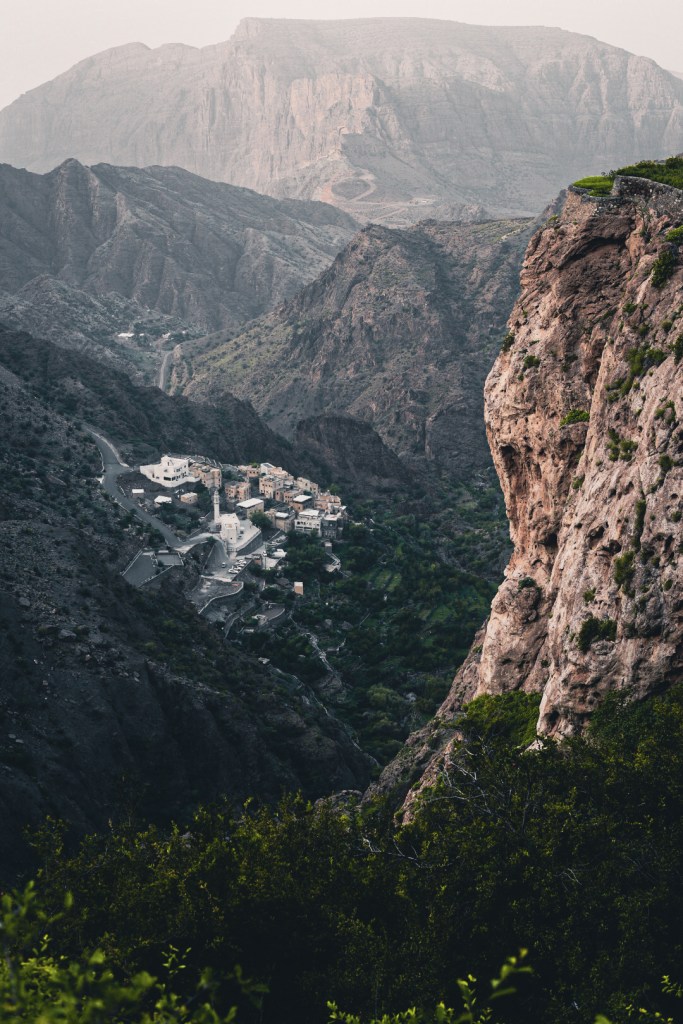
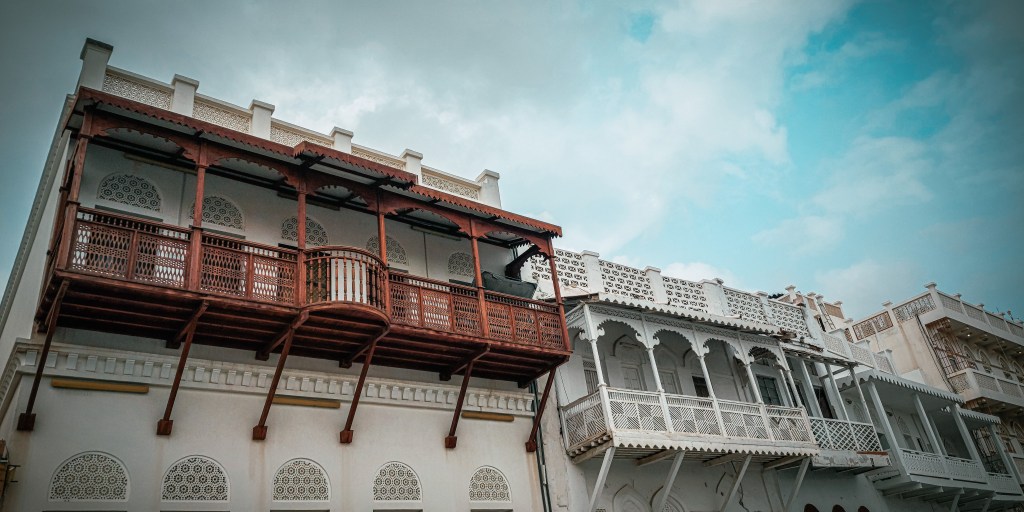
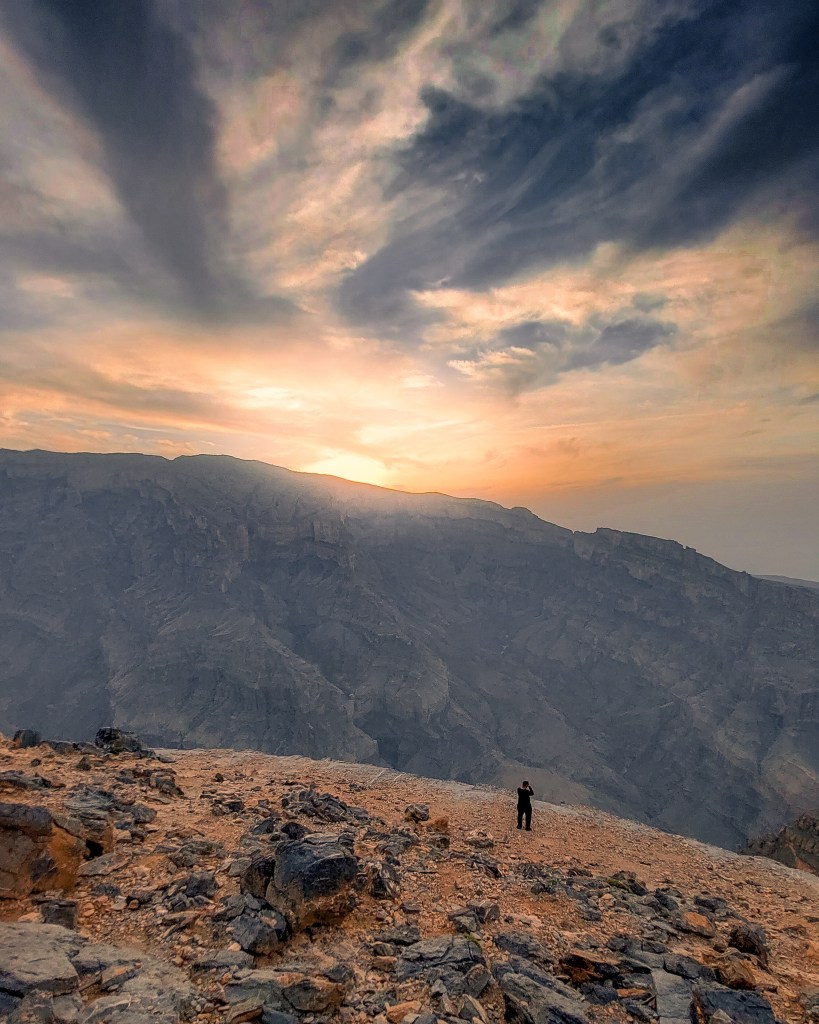
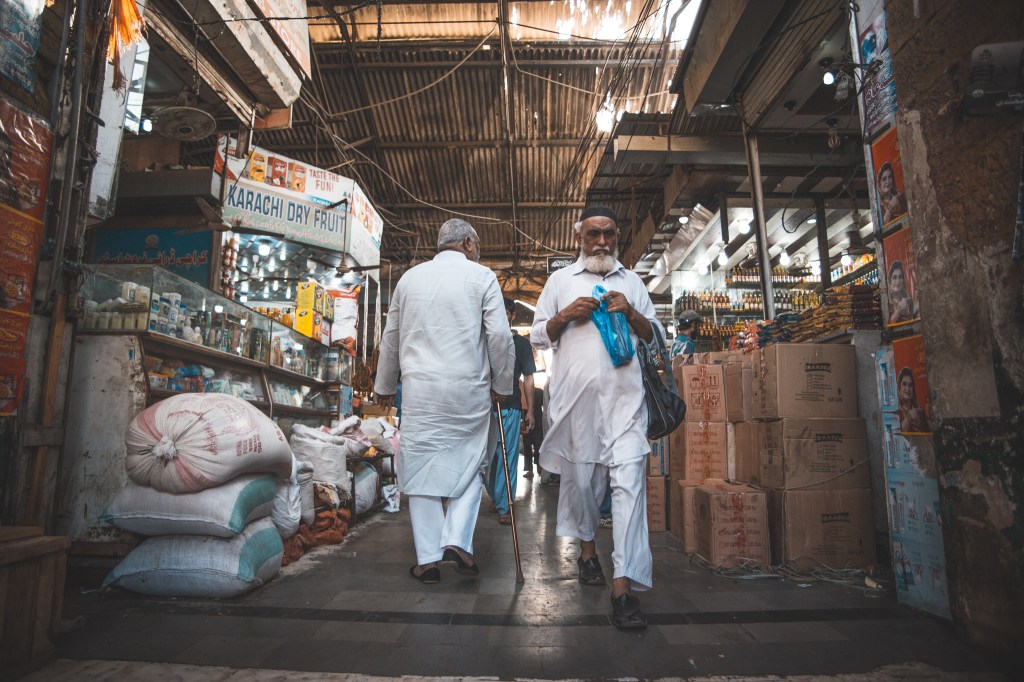
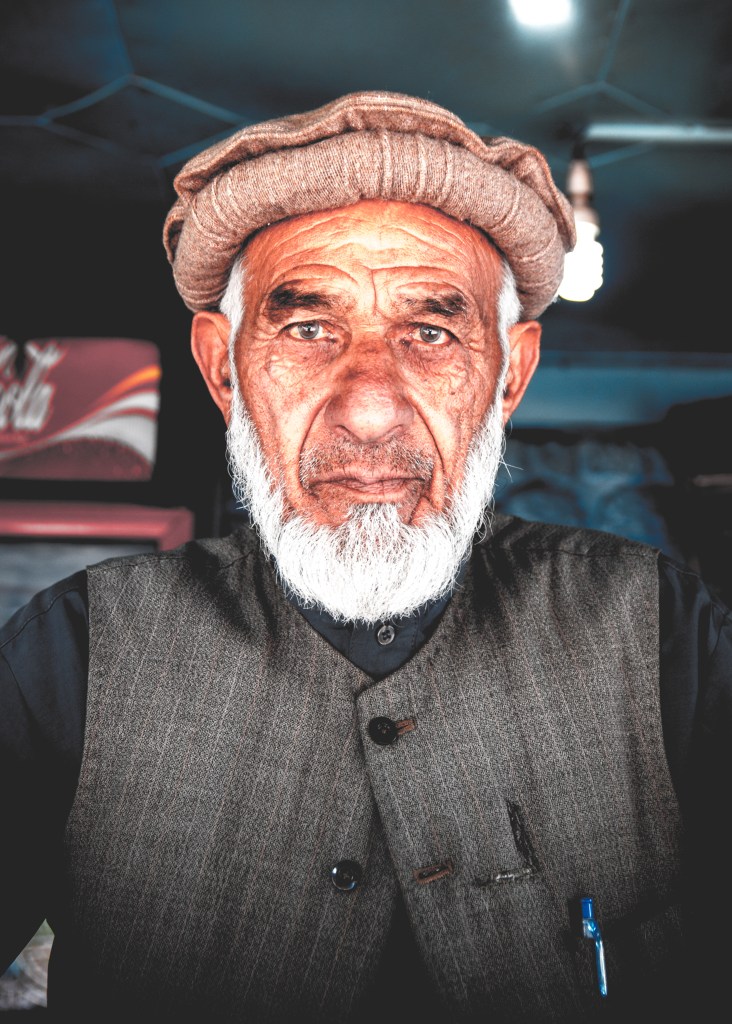
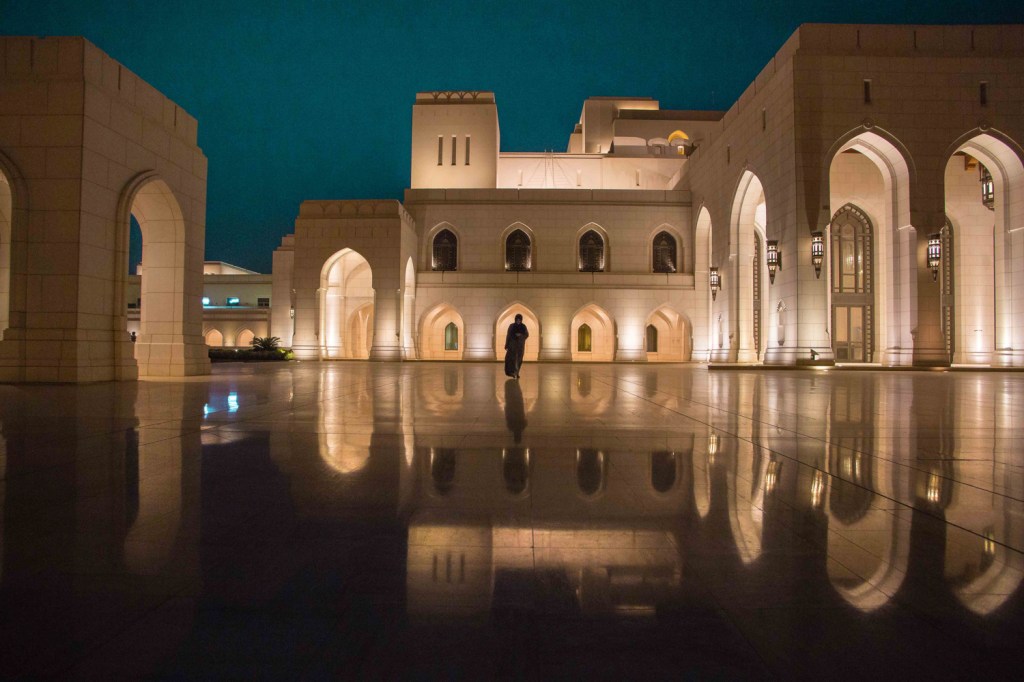
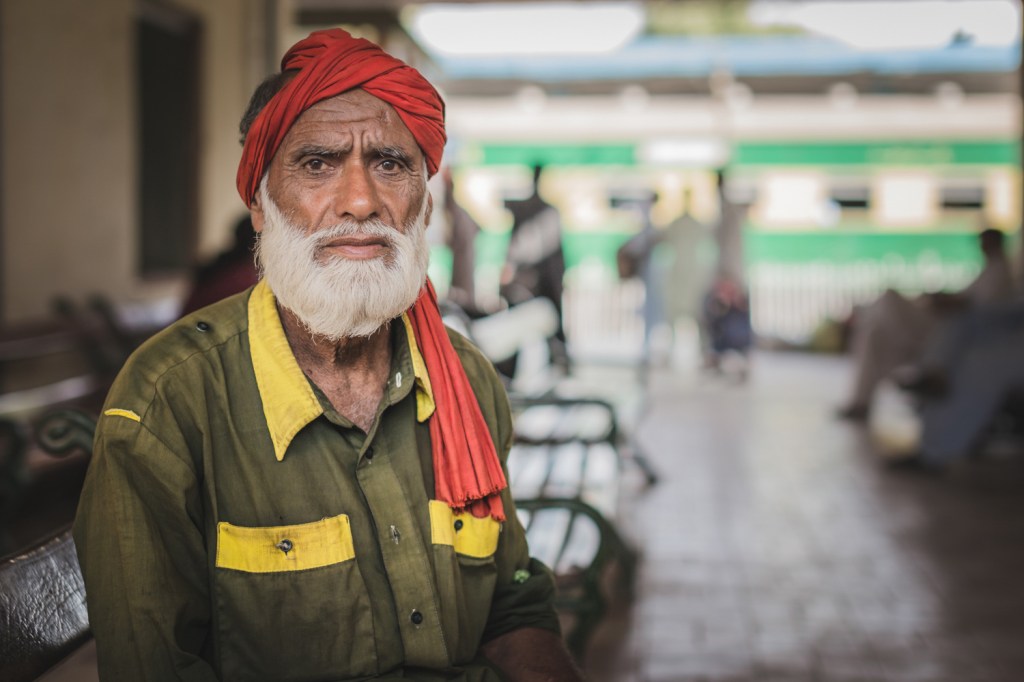
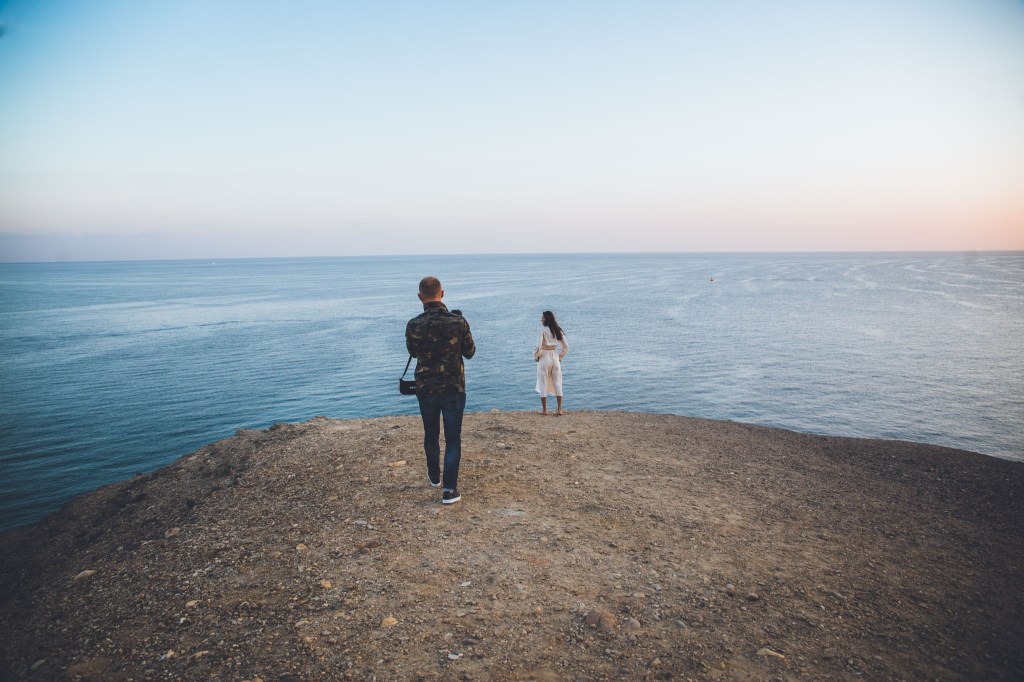
Here are some inspiring travel photography examples to ignite your creativity








7. How to Become a Travel Photographer
Embarking on a career as a travel photographer requires dedication, passion, and a strong portfolio. Here are some steps to help you get started:
- Master the basics: Learn photography techniques, composition, exposure, and post-processing.
- Practice locally: Begin by photographing your local surroundings, honing your skills, and developing your style.
- Build a portfolio: Assemble a collection of your best travel photographs to showcase your skills and unique perspective.
- Network and collaborate: Connect with other photographers, join photography groups, and collaborate with fellow creatives to expand your reach and learn from each other.
- Market yourself: Create an online presence,establishing a professional website and social media accounts to showcase your work. Utilize search engine optimization techniques to increase your visibility and attract potential clients.
- Seek opportunities: Look for travel-related publications, magazines, websites, and tourism boards that might be interested in featuring your work. Submit your portfolio and pitch your ideas to secure assignments or collaborations.
- Embrace continuous learning: Stay updated with the latest trends, techniques, and equipment in the photography industry. Attend workshops, seminars, and online courses to refine your skills and expand your knowledge.
- Be adaptable and flexible: Travel photography often requires adapting to different environments, cultures, and conditions. Embrace challenges, be open-minded, and embrace new experiences to capture unique and compelling images.
8. Conclusion
Travel photography is a remarkable way to document and share your adventures while immersing yourself in the beauty of the world. By capturing the essence of different locations, cultures, and moments, you can transport viewers to new places and inspire a sense of wanderlust. Remember to research, plan, and experiment with different techniques to create impactful and meaningful travel photographs. With dedication, practice, and the right mindset, you can embark on a fulfilling journey as a travel photographer.
9. FAQs
9.1 Is travel photography only about capturing landscapes?
No, travel photography encompasses various genres, including landscapes, street photography, portraits, wildlife, and architecture. It is about capturing the essence of a place, its people, culture, and unique moments.
9.2 What camera gear is essential for travel photography?
Essential camera gear for travel photography includes a reliable camera with manual controls, versatile lenses, a sturdy tripod, spare batteries, and memory cards. The choice of equipment may vary based on personal preference and specific photography styles.
9.3 Can I become a travel photographer without formal training?
Yes, formal training is not a prerequisite for becoming a travel photographer. However, it is important to develop a strong foundation in photography techniques, composition, and post-processing through self-study, workshops, online courses, and practice.
9.4 How do I monetize my travel photography?
There are several ways to monetize travel photography, such as selling prints, licensing your images to stock agencies, collaborating with brands for sponsored content, working as a freelancer for publications, conducting photography workshops, or offering personalized photography tours.
9.5 How can I overcome language barriers while photographing in foreign countries?
Language barriers can be overcome by learning a few basic phrases in the local language, using non-verbal communication, and showing respect and kindness. Engaging with locals, seeking their permission, and showing genuine interest can create connections and help you capture authentic moments.

 imran.zahid
Leave a comment