
Oman is known to be famous for its cultural and traditional heritage. Oman has various tourist attractions, especially in the area of Islamic architecture and places known to have oldest traditional values. If you are coming to Oman and wondering where should you go, you are at the right place.
The broad categories of locations which can be visited are as follows. Each link below has a separate post related to that category. This post covers Islamic Architecture and Buildings.
- Islamic Architecture and Buildings (Part 1)
- Cultural and traditional markets (Part 2)
- Mountain Ranges (coming soon)
- Wadis (valleys) (coming soon)
- Beaches and coastlines. (coming soon)
Note: I will create a separate post for all type of activities that you can do in Oman. But right now, let’s start with famous places worth visiting in Oman.
Islamic Architecture and Buildings
1. Sultan Qaboos Grand Mosque
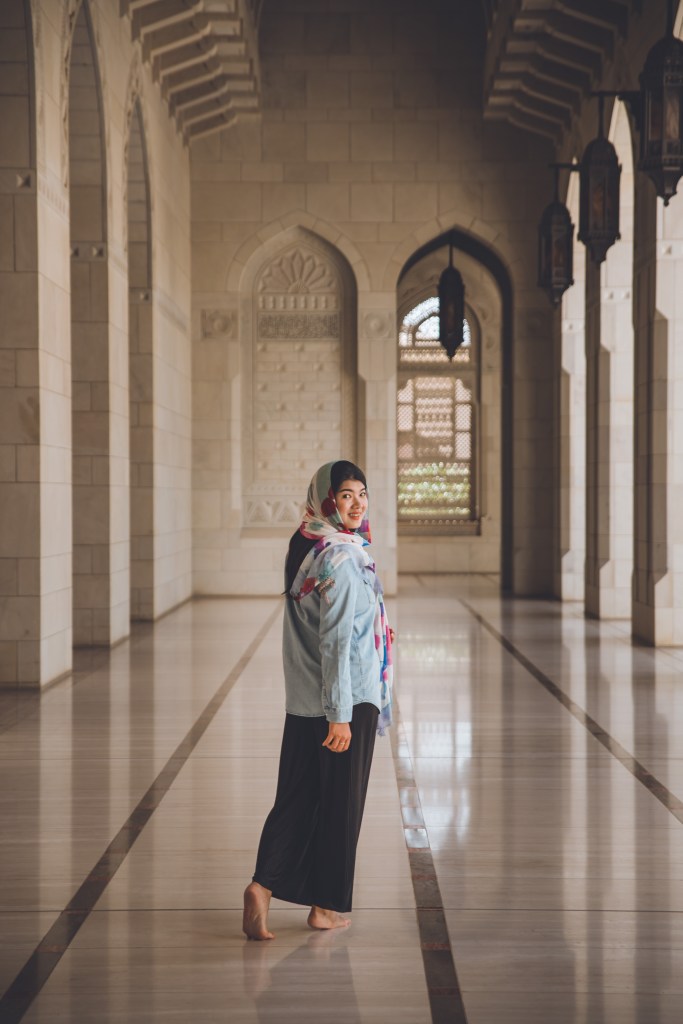
The Sultan Qaboos Grand Mosque is located in the capital city of Muscat. It is one pof the most photogenic locations for photography. The dome and the main minaret and four flanking minarets are the mosque’s chief visual features. A major feature of the design of the interior is the prayer carpet which is the largest single-piece carpet in the world. The chandelier above the praying hall is 14m tall and it used to be the world’s largest chandelier.
Good for: Witness Islamic architecture at its best. Amazing photography location for outdoor portraits. Beautiful arches and traditional lamps. Audio tour is available if you are more interested in its history. Do check out the visitor library as well.
Visitor Timings : 8AM-11AM from Saturday to Thursday (No tickets required)
Note: People have to dress modestly and ladies have to wear head scarf while visiting.

Grand Mosque by Shades Photography 
Grand Mosque Muscat 
Grand Mosque by Shades Photography 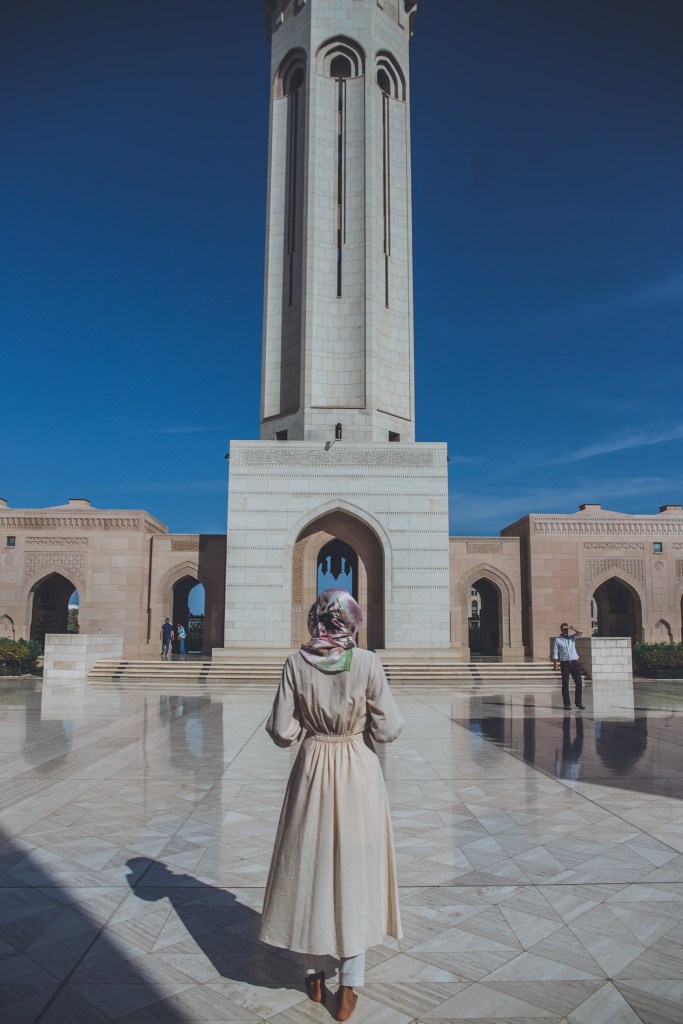
Grand Mosque by Shades Photography 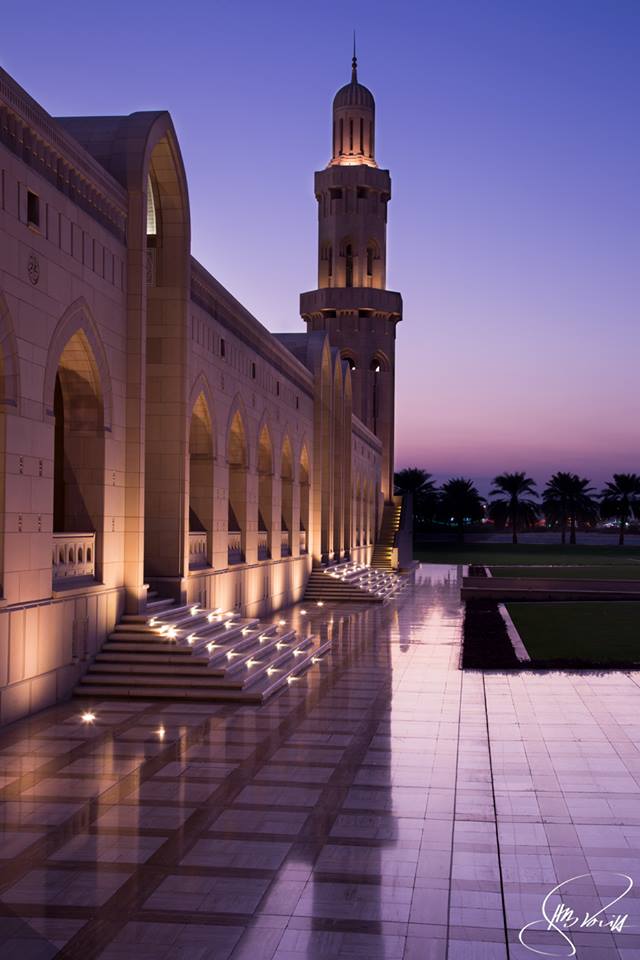
Sultan Qaboos Grand Mosque by Henz B Solih 
Grand Mosque by Imran Zahid-The Shades Photography 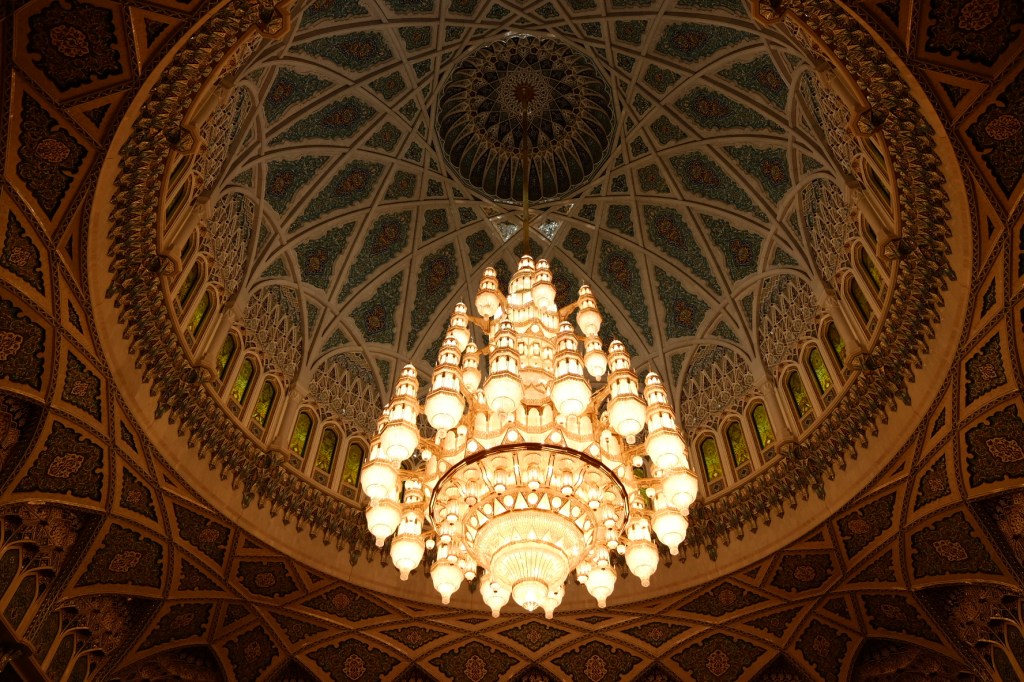
Grand Mosque by Shades Photography
2. The Royal Opera House
The Royal Opera House Muscat (ROHM) is Oman’s premier venue for musical arts and culture. It reflects unique contemporary Omani architecture, and has a capacity to accommodate maximum of 1,100 people. The opera house complex consists of a concert theatre, auditorium, formal landscaped gardens, cultural market with retail, luxury restaurants and an art centre for musical, theatrical and operatic productions.
Good for: If you are fan of luxurious architecture/auditoriums and ancient and most exotic musical instruments/dresses, this place is for you. A decent guided tour is available. Photography is absolutely allowed so you can have a good shoot inside or outside building.
Visitor Timings : Daily House Tours: 08:30 am – 5:30 pm (Ticket : 4 OMR)
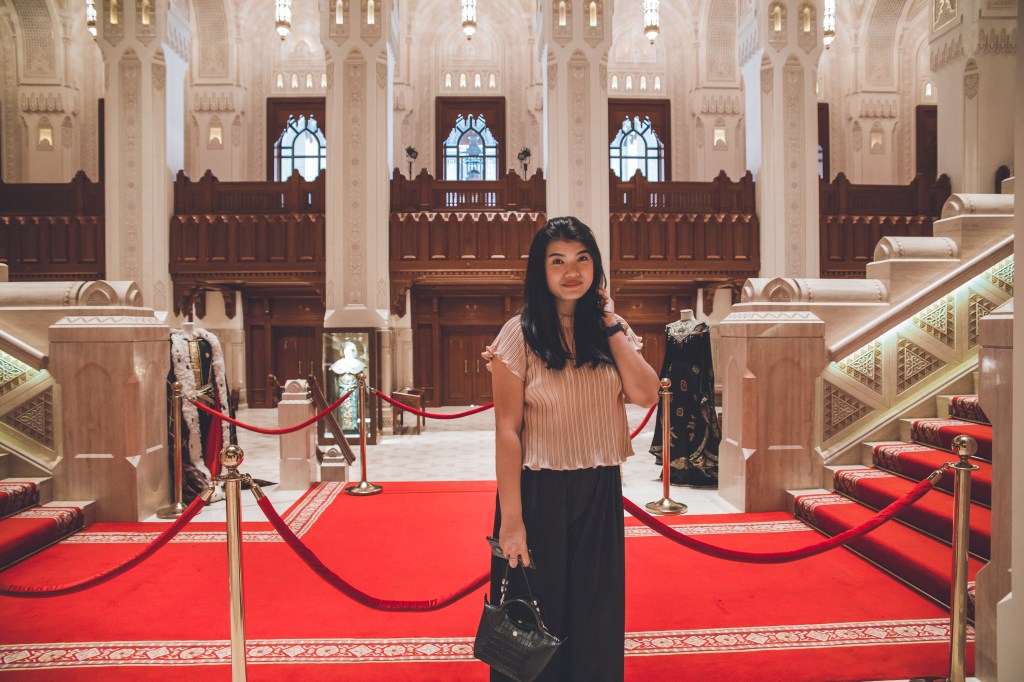
Opera House by Shades Photography 
Opera House by Shades Photography 
Opera House by Shades Photography 
Opera House by Shades Photography 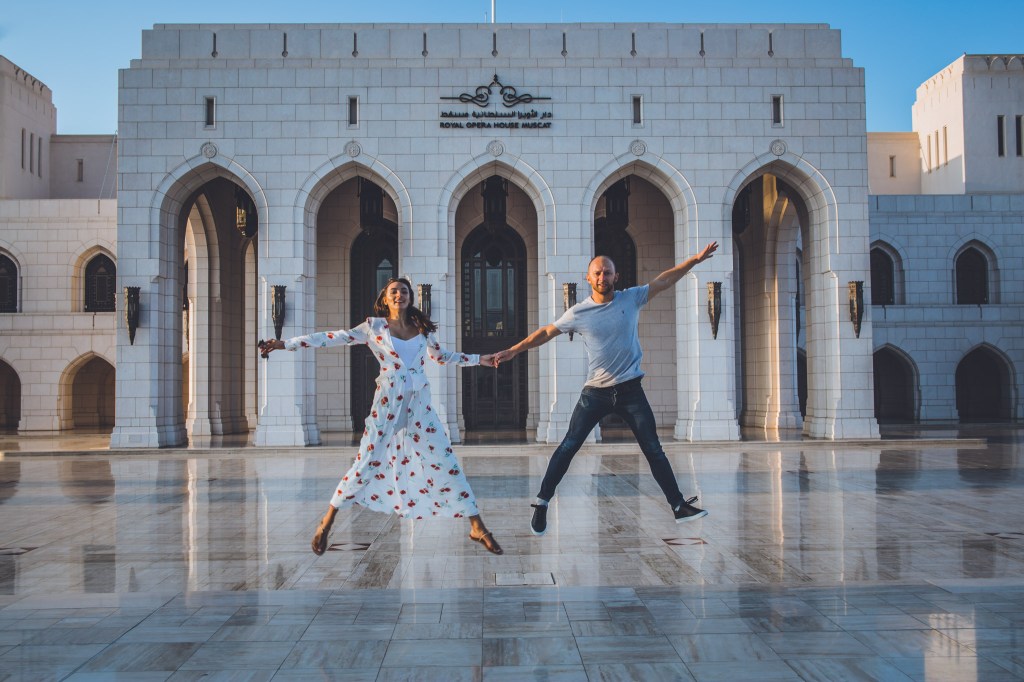
Opera House by Shades Photography 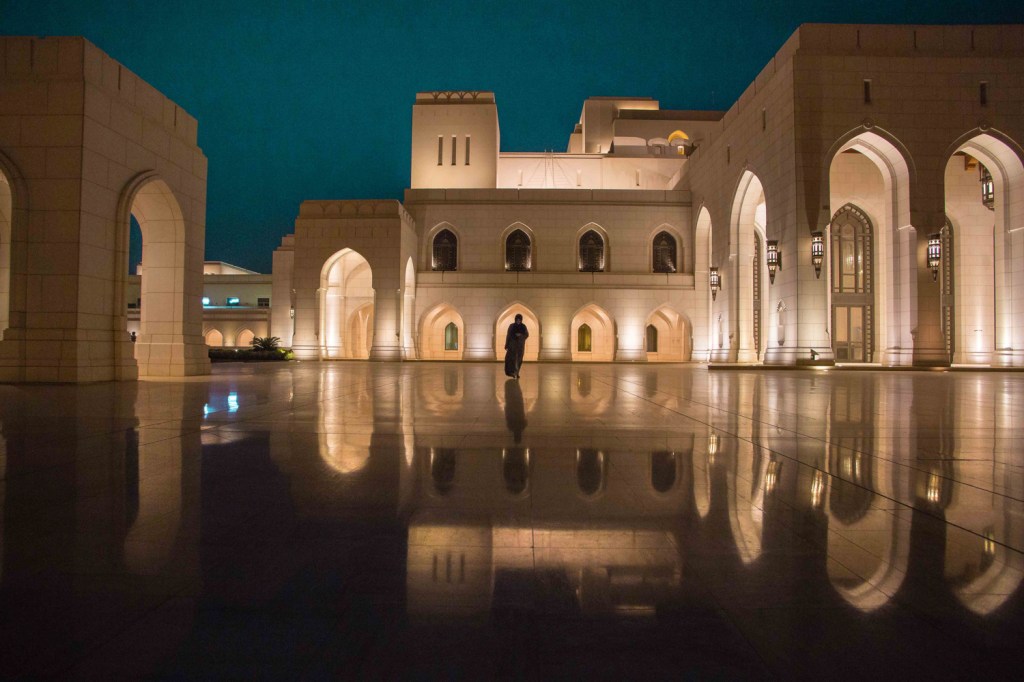
Royal Opera House Muscat 
Opera House by Shades Photography
3. Al Ameen Mosque
Set high on a hill in Bausher, the Al Ameen mosque (known to some as the Bahwan mosque) is very famous. Its beautifully illuminated domes have already come to feel essential to the Muscat skyline. The lovely place of worship is admired by many residents from the exterior alone. The interior spaces feature a contemporary Omani style with rich carved woods accenting crisp white marble.
Good for: Its completely white marble construction is very unique and a must watch during the later times of the day. Its ideal for photography during sunset and blue hour because of its beautifully lighted dome and minarets.
Note: No specific visitor timings and tickets. Just avoid the prayer timings during the day.
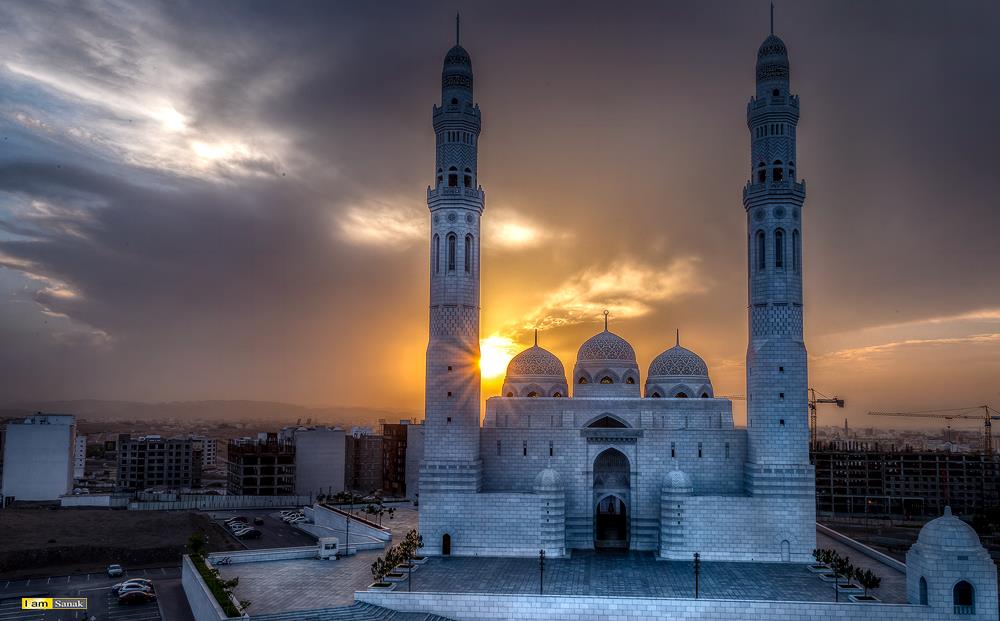
AlAmeen mosque by Sanak Roy Choudhury 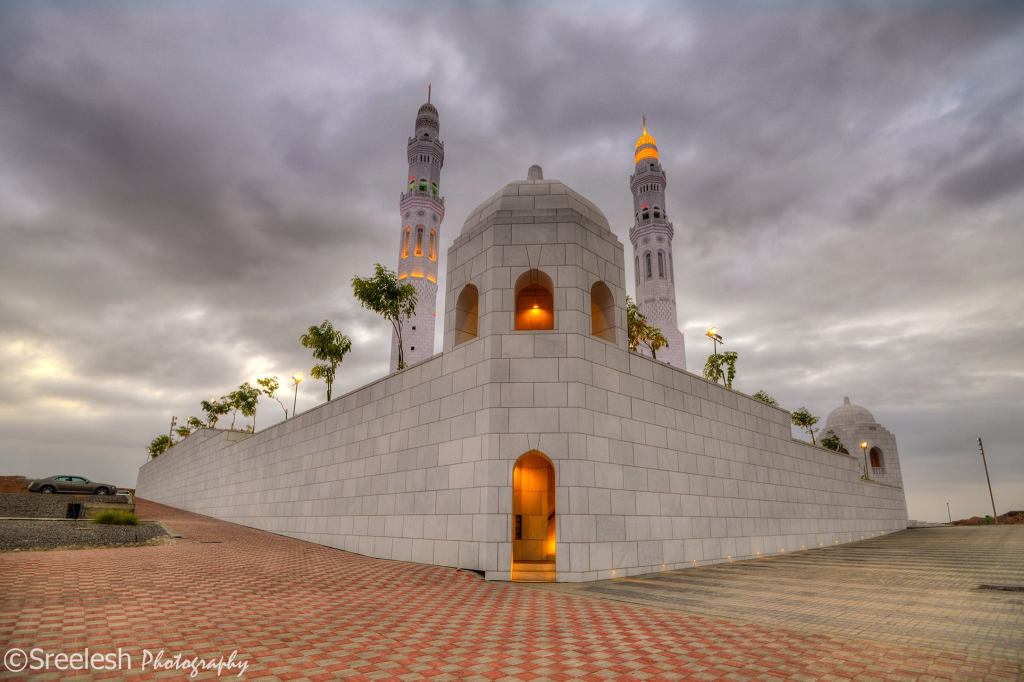
AlAmeen Mosque by Sreelesh Sreedhar 
Al AMeen Mosque by Prasad.om 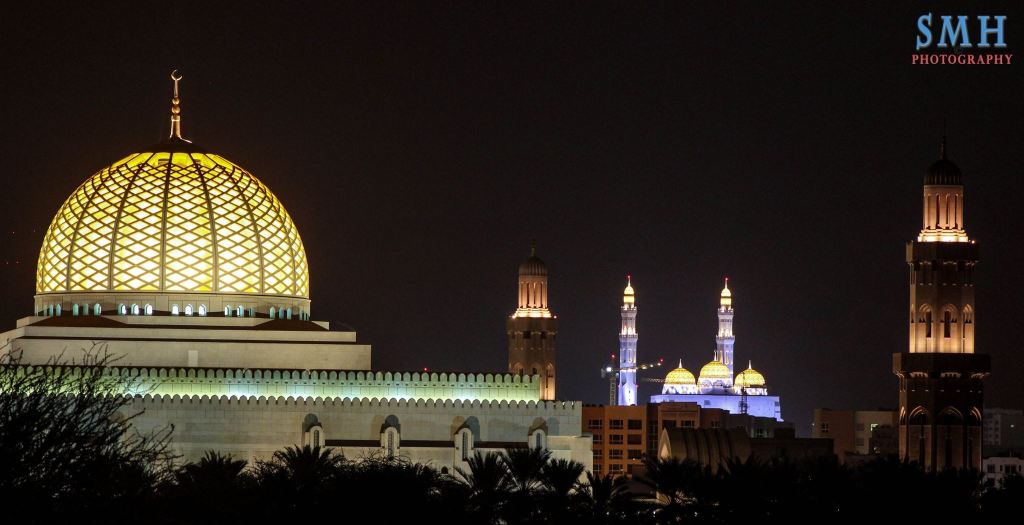
Al Ameen Mosque by Sheikh Haris
4. Sultan Said bin Taimur Mosque
Sultan Said bin Taimur Mosque was built in the memory of the father of Sultan Qaboos in 1999. It is built in the architectural style of Ottoman mosques and looks very reminiscent of the Sultanahmet Mosque and the Hagia Sofia of Turkey. The mosque stands imposed on the backdrop of the mountains of Muscat in the buzzing heart of Al Khuwair. The mosque features a number of copper-coloured domes and two 50 meters high minarets.
Good for: Outdoor Photography in late evening. If you go during off peak hours, you might get a chance to see this mosque from inside. Its construction is very unique from other mosques in Oman.
Note: Sadly, this mosque is not open for non-muslim visitors.
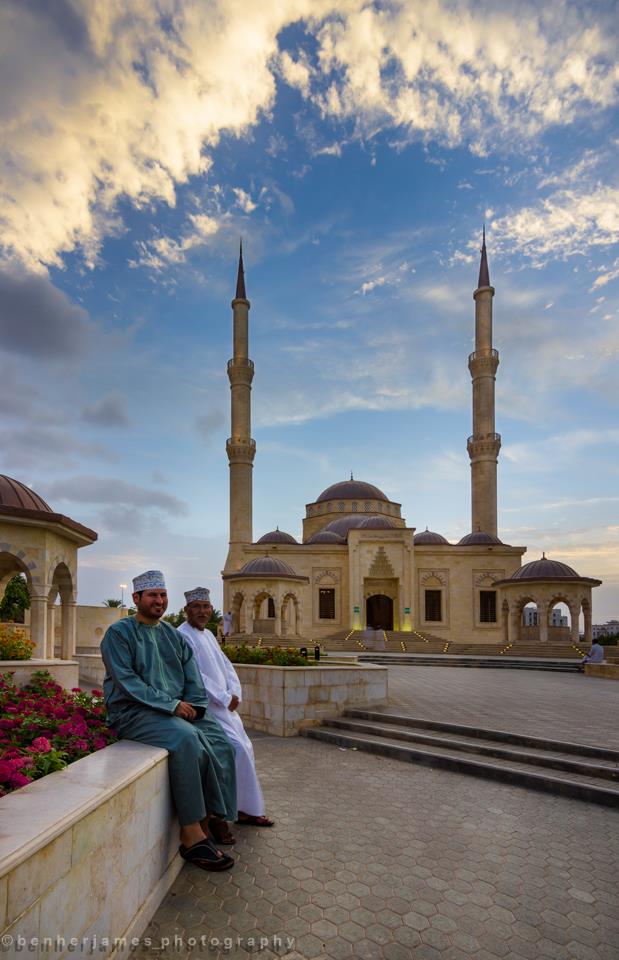
Tamour Mosque by Benito Hermis – 500px 
Taimour Mosque by Imran Zahid-The Shades Photography 
Taimour Mosque by Krishnakumar Omanakuttan – krishnakumar photography 
Taimour Mosque by Sheikh Haris 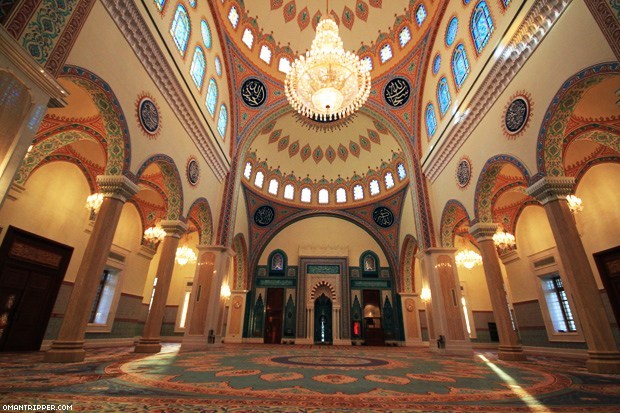
By OmanTripper
This post is still under construction. I am adding more architectural sites as I am getting more and more info and pictures. All pictures in this post are by Author – Imran Zahid (the shades Photography) unless otherwise stated. Do visit other sections from top listing.
I conduct Photography tours and vacation shoots mostly in Muscat and sometimes other parts of Oman on a regular basis. If you are coming to Oman for few days and want to visit places best suited for photography, checkout my Oman Photography Tour page and if you just want a quick vacation photo shoot in Oman, do check out Book a vacation photographer in Oman. Feel free to reach me on im.zahid@hotmail.com.






 imran.zahid
Recent Comments