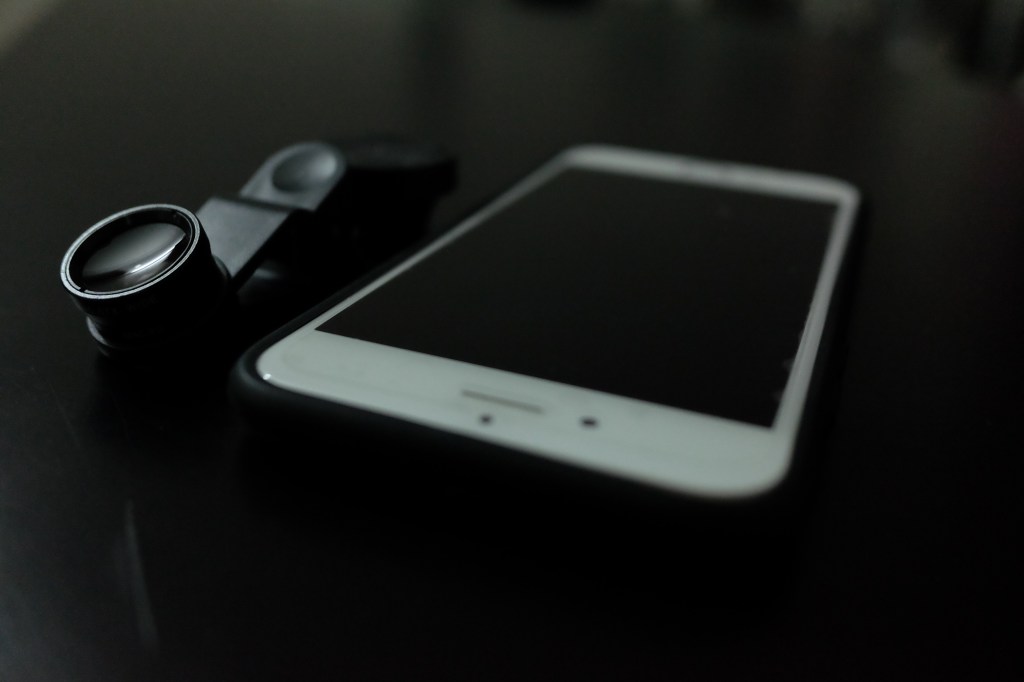
This is probably the most searched phrase on Google. The short answer is, YES for 50% of occasions. DSLRs and mirror-less cameras have their own market and they can’t be replaced anytime soon. But smart phones already replaced compact cameras for quite some time. Now it’s their bigger brothers ( DSLR and mirror-less ) that are in danger.
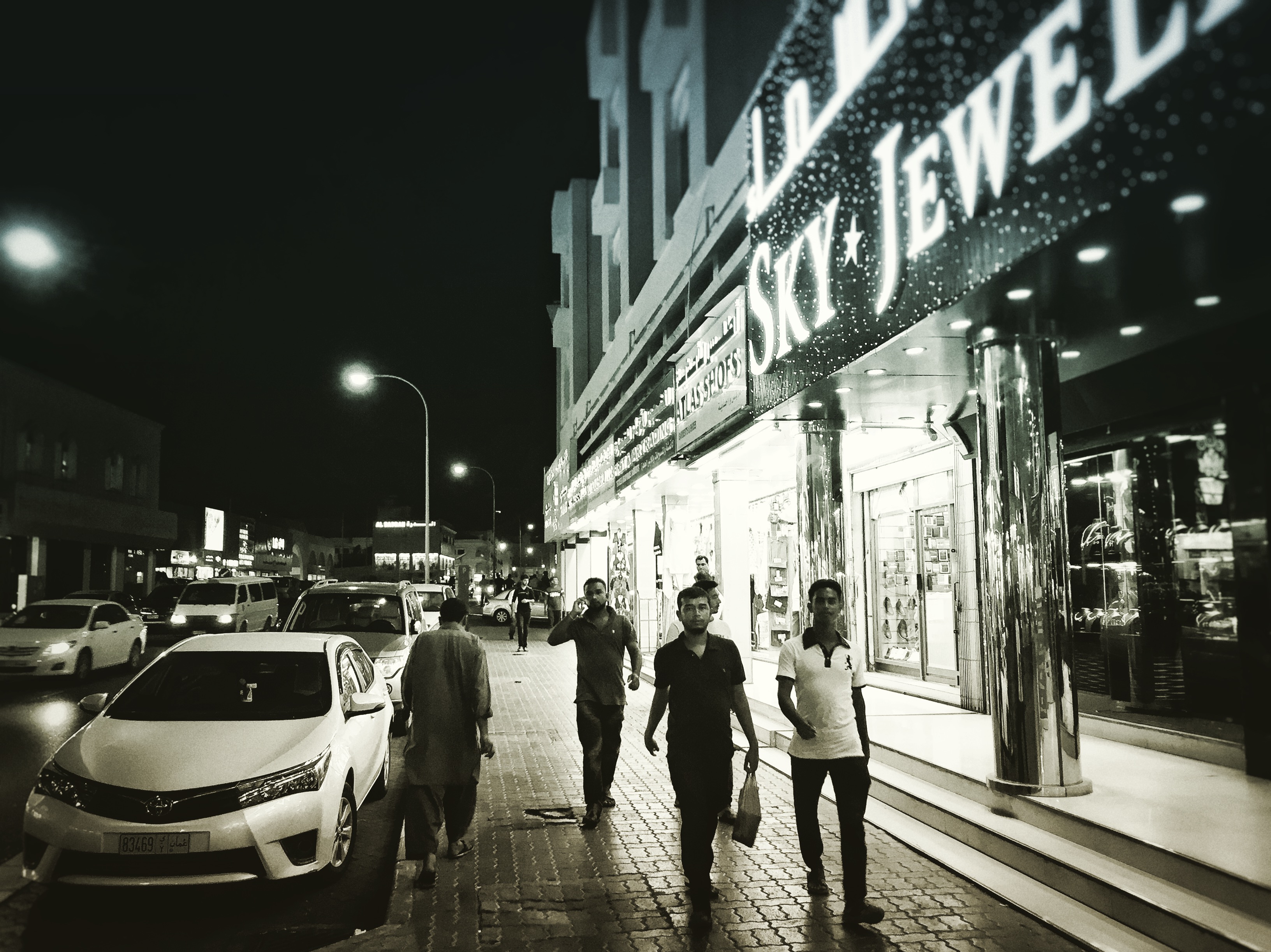
Smart phone cameras are getting powerful and intuitive day by day. They might not be good for all kind of occasions. Tight head-shots, bokeh portraits and fast moving subjects for example. But for the rest, they are damn good.
Let’s find out what are the strengths and weaknesses of smart phone photography.
What smart phone cameras are good at.
Medium to Medium-wide angle shots.
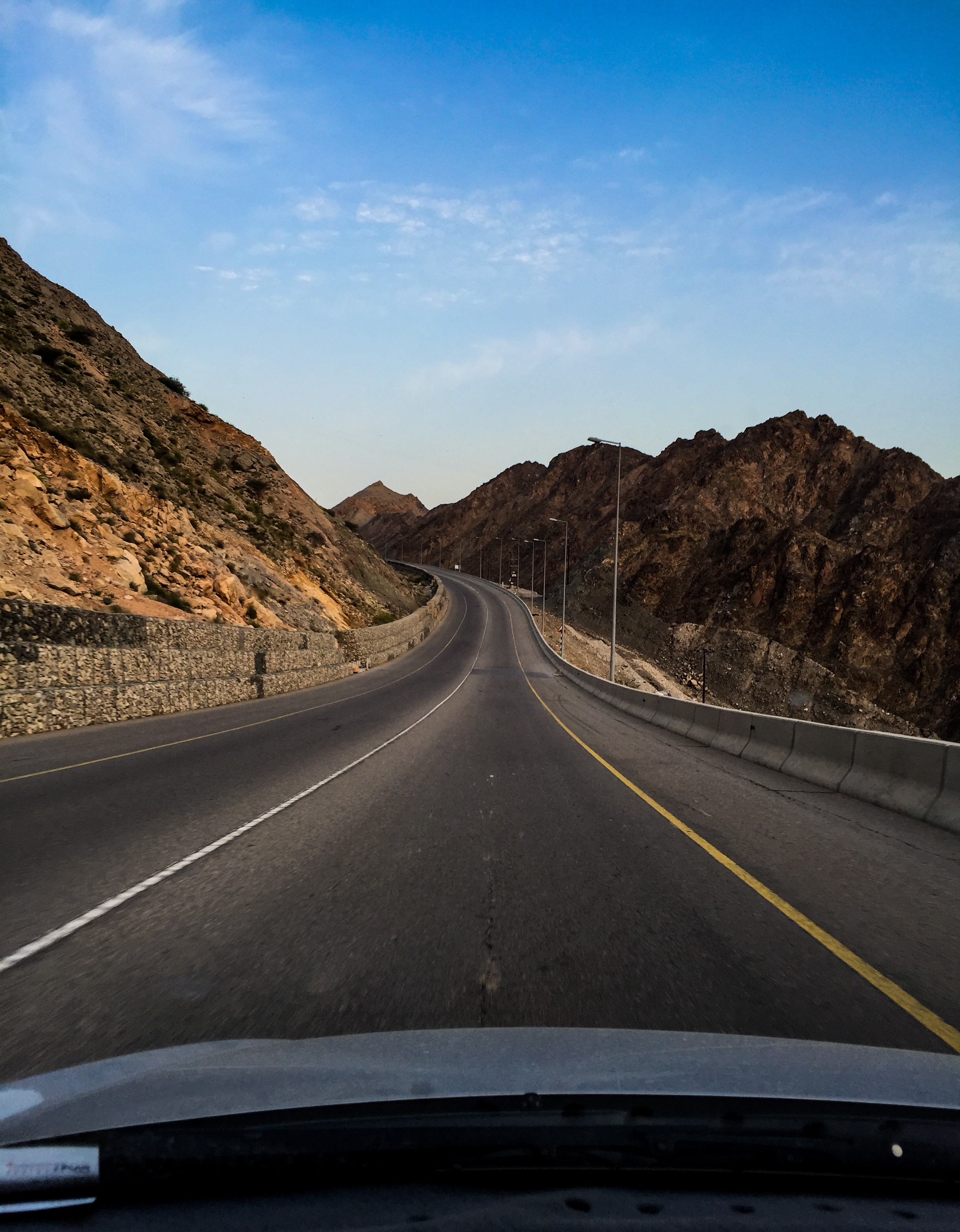
Normally as you increase focal length, the size/length of the lens also increases. This prohibits the mobile phone cameras to use focal lengths longer than wide-angle. The larger the sensor, bigger the lens has to be.
So, mobile cameras uses smaller sensors along with wider focal lengths to keep and lens shorter and pocket-able. These days phones like iPhone X, Samsung S series, Huawei P Series and other brands producing phones with dual lenses. One for wide and one for portraiture.
These phones do help you in achieving selective focus but overall wide and medium shots are the strong areas of mobile phone cameras and if you stick to that range, you can get better shots with these.
Candid Photography.

Candid photography is one of the best areas of mobile photography. Being a street photographer for quite sometime. I know its importance. People usually get uncomfortable in front of a big camera.
They think that there pictures could be on some serious platforms like news papers or television. If you are shooting some candid moment on mobile phone, nobody will bother you. Even you can get some good environmental portraits with your phones with permission.
Natural light Photography

Because of the smaller sensor, mobile phone cameras are not usually very good at high ISO. Indoor light is something that requires their sensors to push ISO and result in pictures with noise.
If you want to really get the maximum juice from camera sensor, try natural light. Go outdoors in shade or find a nice window light. Use cheap mobile lens attachments that give you extra wide-angle to take some good landscapes.
Natural light is easy on sensor because of its light temperature. It will give you clean and noiseless results with your mobile phone camera.
HD quality Videos
Mobile phones normally have a very good perceived quality when it comes to video options. For stills, people can pixel peep but for video there are other things like camera movement, editing and story that far more important than resolution and noise.
iPhone 6 produces beautiful videos at 1080p at 30 and 60 fps. It can even record slow motion in 720p at 240 fps. Use that to your advantage. Record videos where you can’t take your camera easily. Edit them on-phone and create beautiful short and meaningful movies.
Panoramas, Time-lapse and Hyper-Lapses

These are the things that take a lot of effort if you are doing it with DSLRs. Mobile phones comes with built-in apps that you can use to produce all the fun stuff.
Yes the quality will not be close to Professional camera but who cares? Why you are missing all the fun stuff if you are not selling this tuff to professional agencies.
Again technical quality is not everything. There are other creative things involved in this art form. At least practice those using your phones to get a hang of it.
Sharing

Probably the strongest side of mobile phone cameras is sharing. With a single tap, you can share your creative stuff to whole world using any social media platform.
Stats shows that 85% of the people are using social media apps on phones and not of laptops. So quality really don’t matter on a 5-inch phone or an 8-inch tablet.
Don’t get yourself stuck with picture quality syndrome. Shoot vigorously and share frequently. You will get immediate feedback that will help you to stay in proper direction.
Where smart phone cameras sucks.
OK then. Enough bragging about the positives of mobile phone cameras. Now let’s look into where they actually suck. P.S. They don’t actually suck. It’s how they are designed.
Low Light.

Because of the smaller sensor size, their ISO quality is very limited. The moment light goes below average, phone cameras starts to pour a lot of noise in picture. You can’t help it. If you are in a controlled environment, try to sue external lights. Or find any other source of light like windows etc.
Simply put, phone cameras are bad at capturing low light. Either avoid this situation or bring external light source. Period. It will actually make you better photographer because you have to think about light first before anything else.
Bokeh / Background Blur.

There are three factors that determine the bokeh in your photograph. Subject distance, longer focal length and lower aperture (smaller f-stop number).
There is only thing in your control i.e., distance between you r subject and camera. Other two are the limitation of smaller sensor and lens size. So they are pretty much not in your control.
So, smooth buttery bokeh is not possible straight out of the camera.You can get a decent bokeh if you place your subject really close and make sure that background is far away.
Fast Action.
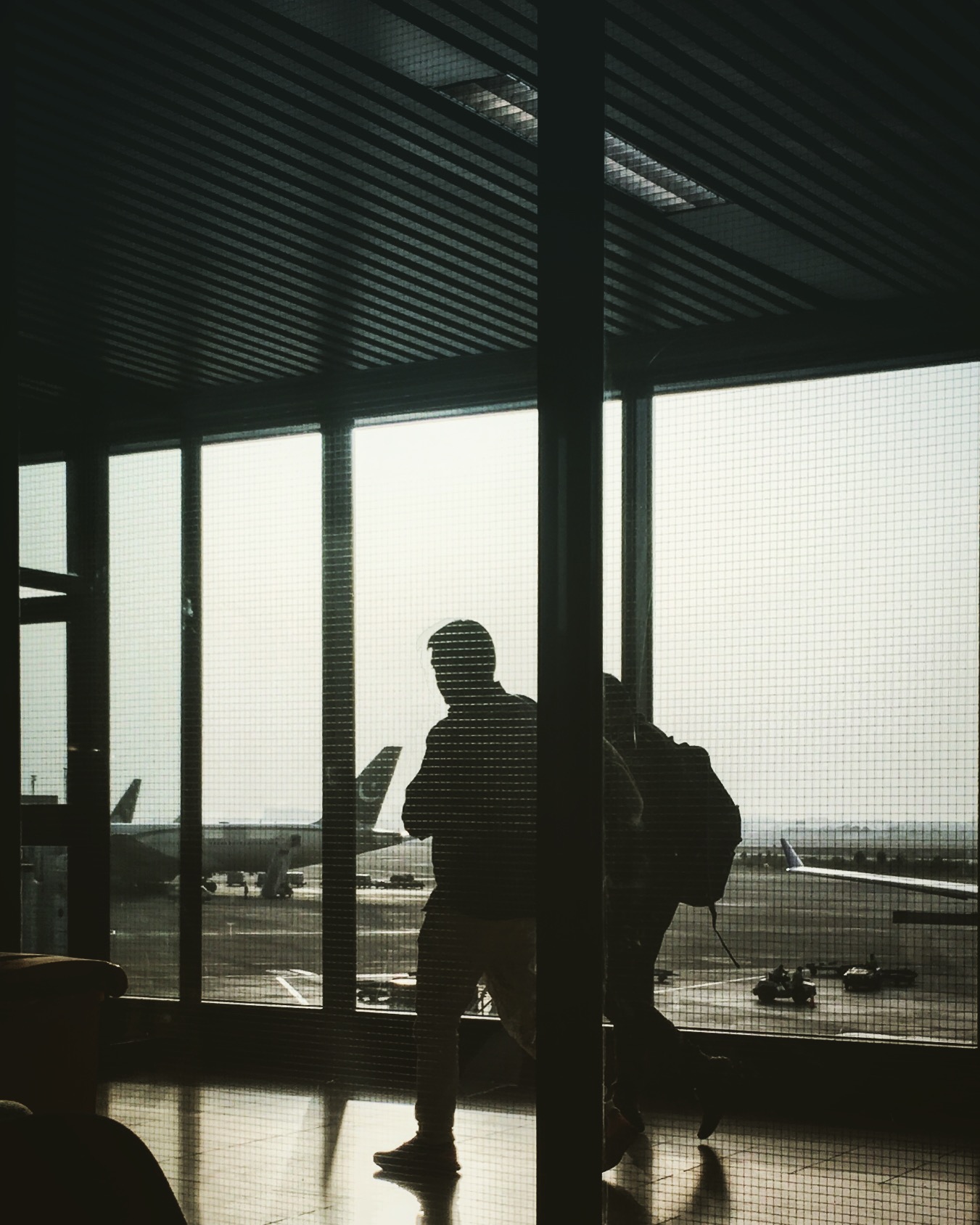
Mobile phone cameras doesn’t have the fastest shutter. They are not designed for that. They have smaller sensors and in order to compensate it, they shoot at slower shutter speeds.
So, bad luck if you want to capture sports moments with it. But if you have enough amount of light and you are outdoor, you can try it. It can produce shutter speeds of 1/200th or 1/400th of a second. Although it is not enough but you can freeze someone walking quickly with this shutter speed.
Tight Portraits
For tight portraits and headshots, you have to get really close and since phone cameras have a wide-angle lenses, they introduce a certain amount of distortion. This distortion bulges the nose and lips and generally produce little awkward portraits.
Try shooting from a little distance and crop it later. You will lose some resolution but certainly get rid of distortion.
Conclusion
Now that, you know the pitfalls of smart phone cameras, you can work around these. As long as you shoot within the limitations, you will get good results. There are entire magazines like Mobiography that are dedicated to mobile photography.
With the increase in mobile phone and social media apps, resolution don’t matter at all. Everyone is seeing your work on small screens so shoot whatever you want with your phone.
The best camera is the one that is with you when you needed it. It’s a famous saying. And it’s so true. Use your camera at all times. It’s an art form. It’s subjective. So, don’t limit yourself and start your creative journey now.


 imran.zahid
Leave a comment