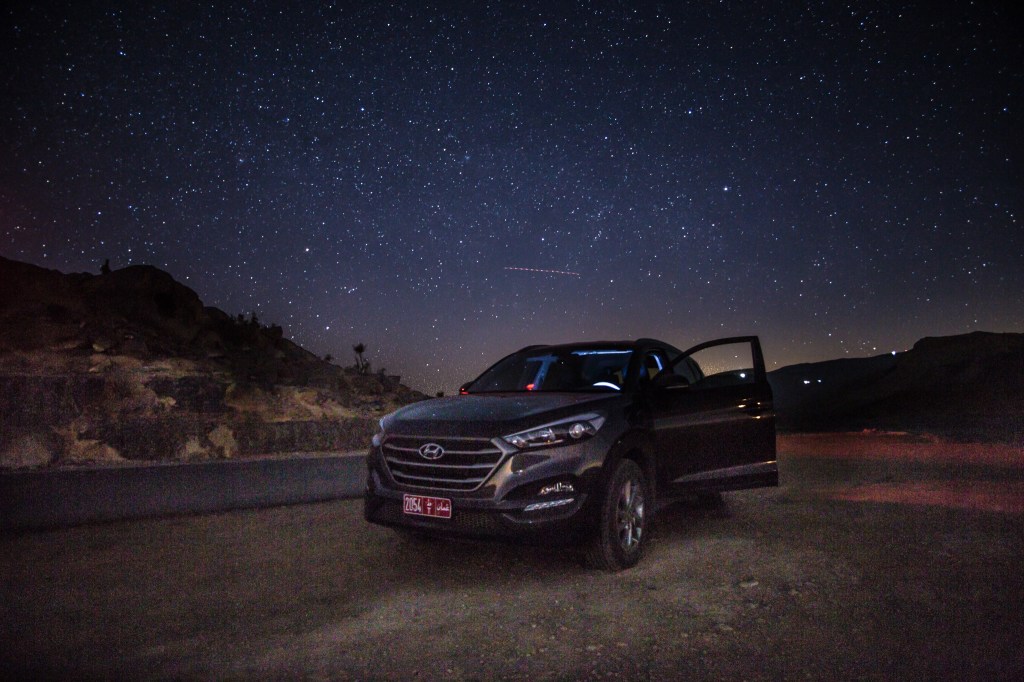
Every genre of photography has its own set of do’s and don’t s. No matter what is your main niche, they will help you in your photography career in general. Landscape photography has its own lessons that does evolve you as a photographer.
Below are 6 lessons that I learned over the years while doing landscape photography. Although landscape is not the only genre I am doing these days, but these lessons do come really handy when I am doing my street and fine art photography.
1. Scout the location and viewpoint before time.
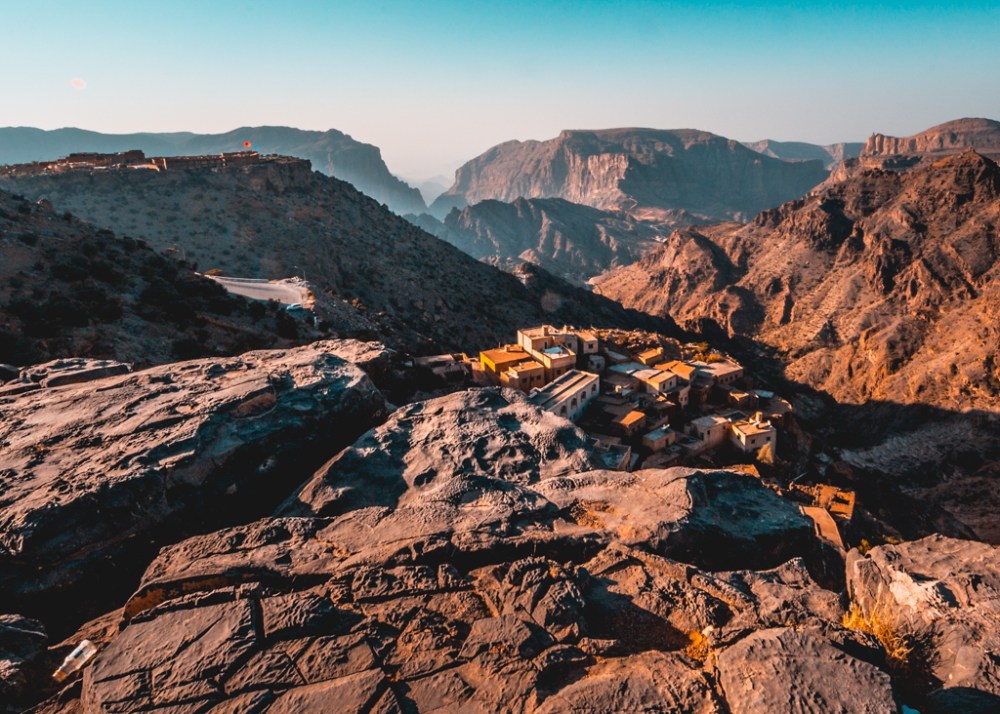
Scouting locations before actual shoot is very important in all genres. It is especially of utmost importance in landscape photography. You have very less control over your target environment. You have a limited span of time as light change all the time. So, it’s a good if you scout the location you want to photograph a day before if you have time.
If you don’t have that much time, you can visit it in times that we normally don’t consider a good time. For example, you can go to the location at night or in the middle of the day. You can make use of this free time and become aware about the limitations before you actually going to take photographs.
2. Check for local and government permissions.
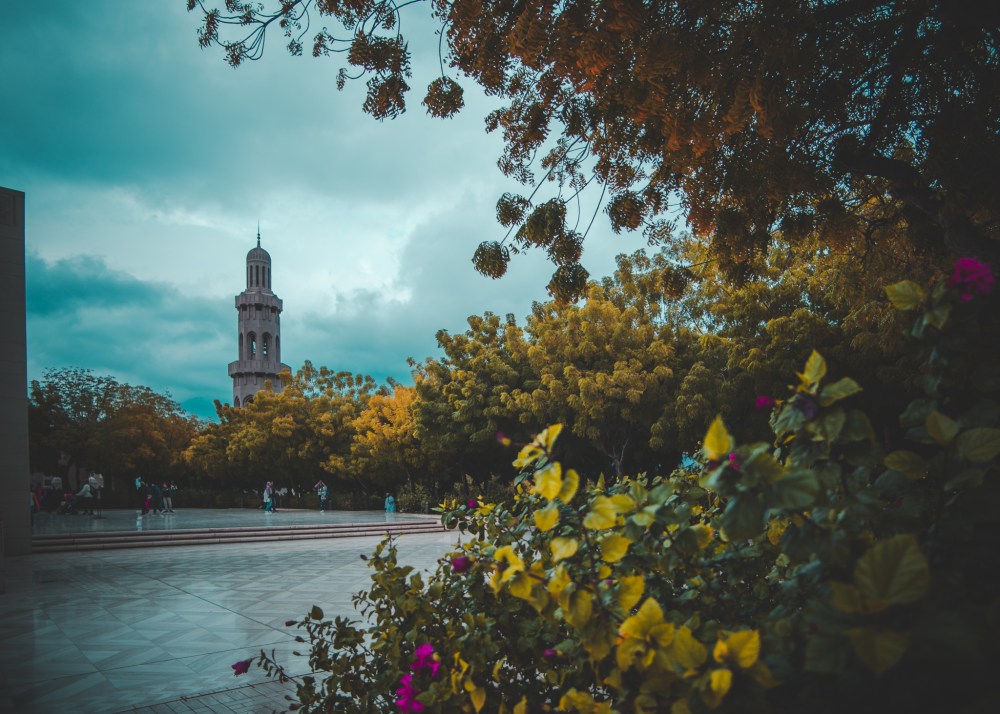
It’s a mandatory part of scouting location that you should be aware about any legal difficulties about your future shoot. You need to get property release sometimes if you are planning to sell pictures later on. You must check where you will get these prerequisites before hand. Otherwise the shoot will be useless later on if you want to sell and didn’t have release at that time.
Some of the locations are of government and security importance. Photography is not allowed on these locations at all. You might get into trouble if you don’t know about that already. The chances are very thin but it’s always better to be on a safer side. You can check with local authorities about this before shoot.
3. Check for sunrise and sunset angles.
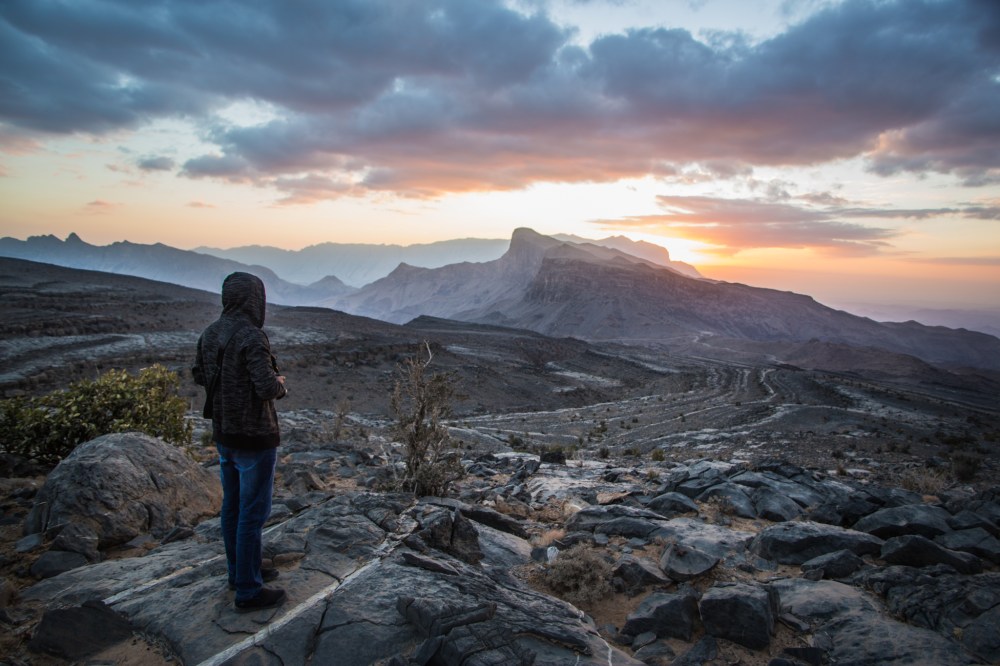
Best time for shooting landscapes are either Sunrise and sunset. It is because of golden hour or blue hour when light when light angle is good. Not every location is feasible for sunset and sunrises alike. Foreground and backdrop of sunrise/sunset is very important. Even if sunset or sunrise is actually your subject, a good foreground makes a huge difference.
I have been a victim of this issue a lot of time. Always visit that place around sunrise or sunset to get a rough idea about the quality and angle of light. That will help you to create a basic composition in mind.
4. Check for local activities and their timings
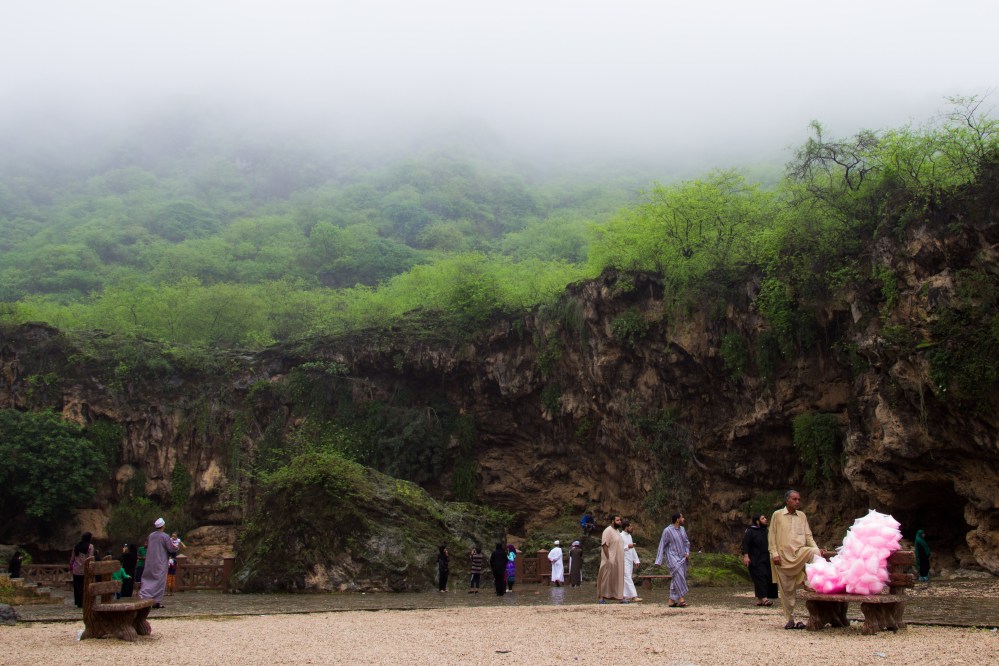
Famous landmarks have local activities going on at particular timings of day. It’s very important to check their schedules. Those activities in your photograph could add a touch of local touch and feel.
They add a dimension of story to your image. Otherwise it will become a distraction and could ruin your image. Getting this information lets you decide whether you should included it or not.
5. Research on internet
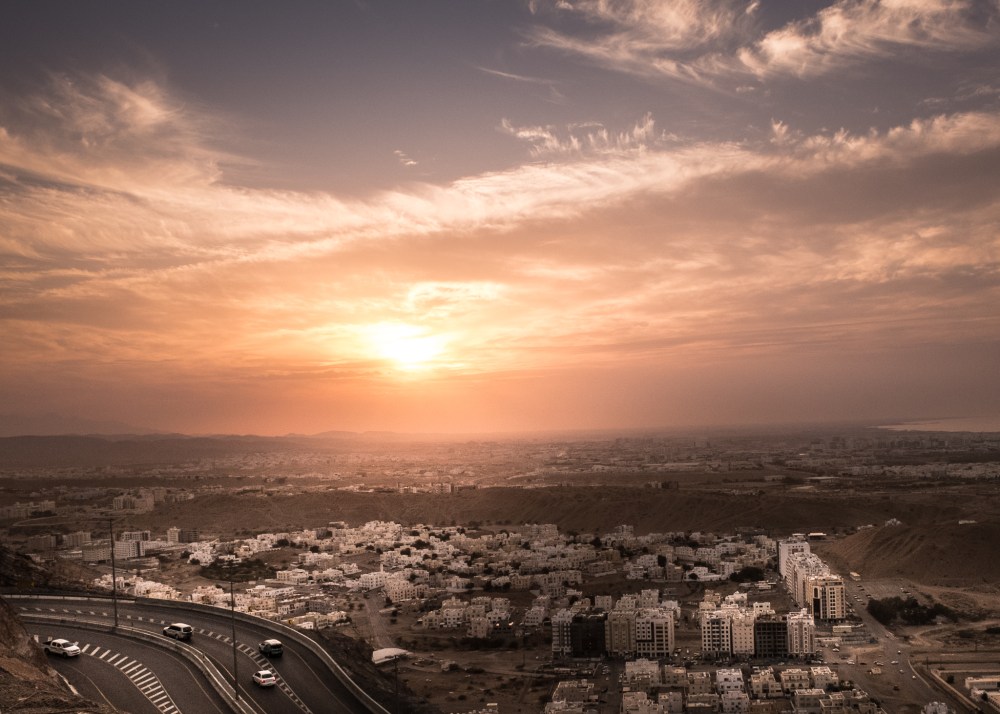
Any kind of research on internet about famous places gives you a lot of insight into that place. You will be fully aware about its history, weather, general difficulties etc. Researching a place lets you avoid all kind of clichés and help you in planning your shot that might be very unique.
For example I live in Oman and created a small post about the various Places in Oman worth photographing. Few of the other posts are Photography tour of Oman and Photography workshop in Oman. You can do search on internet for posts like these to plan your trip properly.
6. Wake up long before time
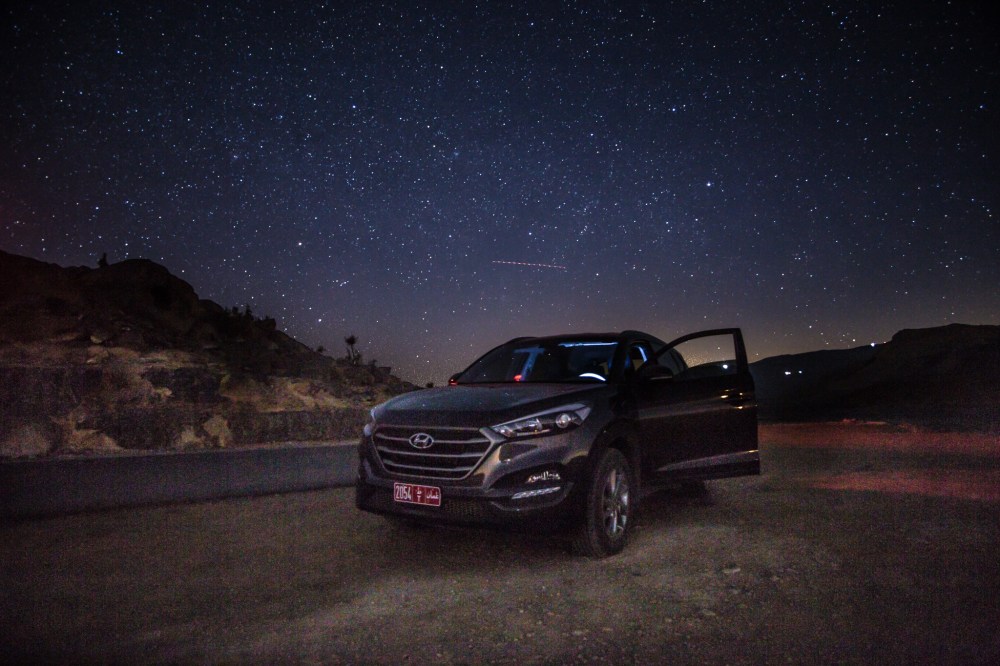
Landscape photography is all about being at proper place at proper time. You heard about the decisive moment. The more time you spend in setting up your gear prevent you from looking at the place creatively.
Wake up early and travel to your location before time. You can setup your gear, take some test shots, check your exposure and composition and you are good to go. When the time is best for taking a photograph, shoot it.
Conclusion
Landscape photography sometimes feels mundane and boring. It doesn’t have those rapid challenges that you face in street and travel photography. But it develop certain habits that will help you in your over all life. Those are patience and discipline.
That’s the biggest take away from landscape photography. Being a good landscape photographer means you have a lot of these two habits. So, develop these two habits and shoot jaw-dropping landscapes.
Happy shooting 🙂

 imran.zahid
Leave a comment