
Why some pictures look better in black and white as compared to their color counterparts? What few words comes to your mind immediately when you see a black and white photograph? Nostalgia, raw, emotions, etc. ?
I shoot in both color and black and white but there is something peculiar about monochrome. Let’s discuss what is Black and white photography and how it is still relevant today? How it improves your photography in general and when you should avoid it.
1. It’s all about contrast – Painting with LIGHT.
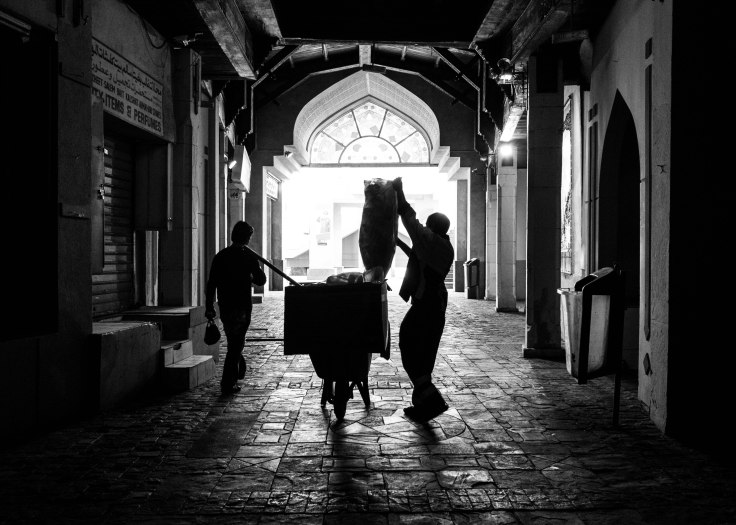
Photography literally means painting with light. When you shoot in black and white, it’s all you have at your disposal. You need a powerful eye to detect proper contrast in your frame to create beautiful images.
Not just contrast, you need to make sure that your subject should stand out in your frame. You need to direct viewers’ eye to your subject. And you have only one thing to play with – CONTRAST.
It really trains your photographic vision because we are used to watch world in front of us in colors. The complementary nature of color creates a contrast in real world. But in black and white photography, you need to create contrast with light and shadows.
TIP : Try to shoot in RAW with black and white creative filter. That way you can see the world in black and white in real-time. You can detect contrast better before clicking it. With a mirror-less camera, you can use this filter even in Electronic Viewfinder (EVF) .
2. Create a better connection with your subject.

One of the advantages of Black and white photography is fewer distractions. In color photography, bright and complementary colors catches viewers attention better. So, if your subject is not bright enough or not in complementary color as compare to background, you are out of luck.
Black and white does your work a bit easier. You just have to concentrate on contrast and not colors. One less thing to worry about. It lets viewers give more attention to subject and its environment. Your message will be much cleaner and easier to understand.
Street photography is better on black and white because of this reason. You don’t have control over your background. So, black and white usually saves your picture. But don’t use this as an excuse to avoid thinking about composition and background. You can check this awesome post The Beginner workflow to street photography for some general tips for shooting street photography.
TIP : Tight Portraits, Street and long exposure work great with black and white. Once you get comfortable with it, try this approach in other niches too.
3. It brings a world unknown to us.
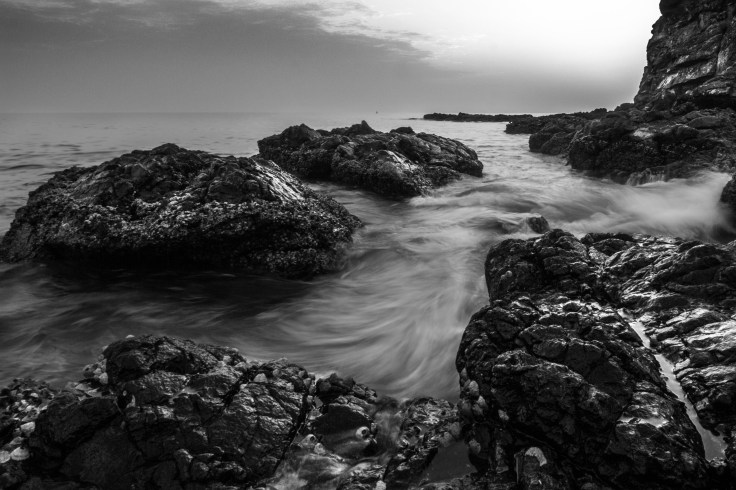
As human being, we see the world in color. Black and white is something that we don’t experience normally. If color depicts reality then black and white is your depiction of reality. You can show everyday mundane scenes in a totally new way to your audience.
In Black and white, you can paint the canvas with tones of gray which is completely different in look and feel. Off-course it’s a personal choice but black and white certainly brings a fresh perspective.
TIP: Try landscapes in black and white as very few people have managed to do it correctly. Ansel Adams is one of the best in this business. It will make you stand out among the crowd.
4. It Brings out shapes and textures better.

Texture and shapes are the second option that you can use to spice up your compositions. The viewers will pay much more attention to these aspect as no color information is there to process.
Subjects that have a strong sense of shapes, lines and curves end up much better in black and white than color. Same goes with texture as well. It evokes the viewer’s tactile sense. Black and white works perfect to add character and atmosphere to you images.
TIP: Old people portraits and multi-layer compositions are the ideal candidates. Black and white will add an extra punch to these type of photographs.
5. It’s much more challenging.
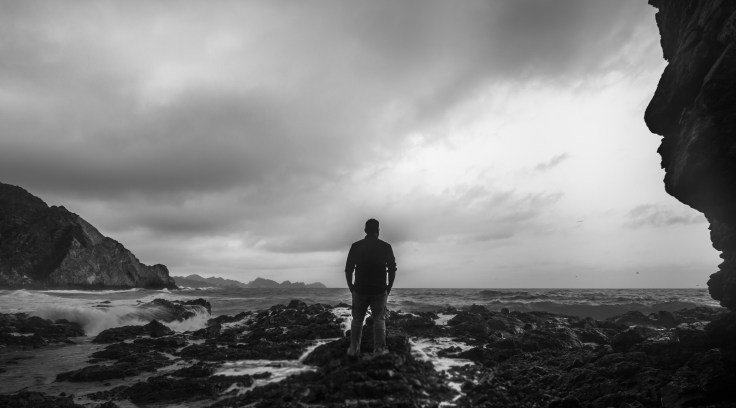
Apart from all the above advantages, black and white photography is much more challenging. Just by practicing these tips, you can learn a ton of lessons about composition, contrast and lighting. Choosing a suitable subject for black and white photography is extremely difficult. But with practice you will overcome this thing.
You have limited options to manipulate so you have to come up with intelligent work around to solve the problem at hand. With all these difficulties and limitations, it brings much more joy than snapping an easy picture. Learn more about this on The Power of Black and White Photography.
When you should not use black and white.
We agree that black and white photography is beautiful. still we see a lot of crappy black and white conversions over the internet. That’s because people are converting their images without considering all these aspects. Converting images to black and white will not automatically make you look artistic.
Below are few points that you need to consider before converting your pictures to monochrome.
1. Don’t use black and white to save your already badly composed images. This goes true with noise too. If your image has a lot of noise, converting it to black and white won’t save it. Noise is not bad. Embrace it. But don’t save your noisy images with conversion.
2. Don’t convert your images that add more meaning in color than black and white. Portrait of an old man doesn’t have to be always in black and white. If color adds something to story, go with color instead of black and white.
3. Don’t use black and white as a style statement. People think that shooting in black and white make them fine art photographer. Only shoot in black and white if it really required.
So now that you know enough of black and white photography, what you are waiting for? Go and shoot it 🙂





 imran.zahid
Recent Comments